


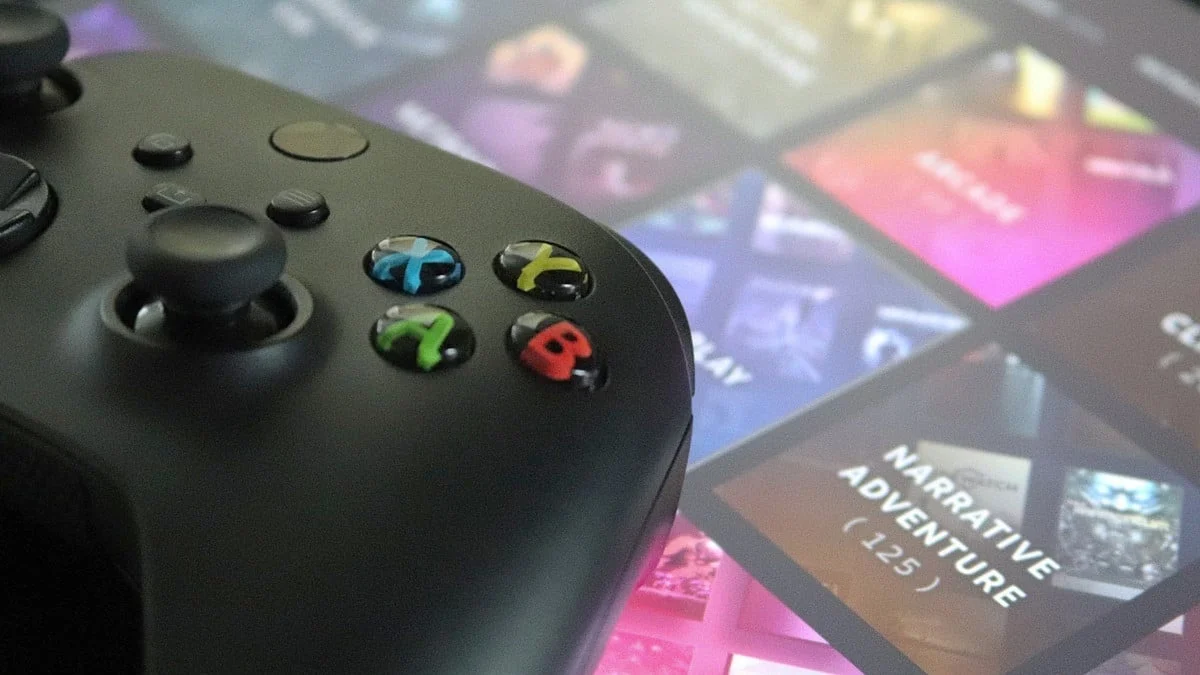
The persistent and escalating pressures within the global technology supply chain, exacerbated by the voracious appetite of artificial intelligence development for memory components, have now directly impacted consumers in Europe and the United Kingdom, with Microsoft announcing significant price increases for its Xbox Series X and Series S consoles. This development marks a notable shift in pricing strategy for the gaming giant in these key markets, reflecting a broader trend of inflating costs across the consumer electronics landscape.
Steep Price Hikes for Xbox Consoles in Europe and UK
Microsoft has implemented a substantial price adjustment for its Xbox Series X and Series S consoles in both the European Union and the United Kingdom. The increases, which vary depending on the specific console model and its storage configuration, are substantial and represent a significant financial impact for potential and existing buyers in these regions.
The flagship Xbox Series X, previously retailing at €599.99 for the 1TB disc version in the Eurozone, will now be priced at €799.99, marking an increase of €200. Its digital-only counterpart, the Xbox Series X (Digital Edition), which previously sold for €549.99, will now cost €749.99, also a €200 rise. These figures, when converted to Pounds Sterling, translate to approximately £170 for the Series X, pushing its price point considerably higher for UK consumers.
The more budget-friendly Xbox Series S has also seen significant price hikes. The 512GB model, which was available for €349.99, will now retail for €499.99, a €150 increase. The higher-capacity 1TB version of the Series S, previously priced at €400, has been subject to the same €200 surge as the Series X, bringing its new price to €599.99. These adjustments suggest a strategic recalibration by Microsoft to align console pricing with the rising costs of production and components.
These price increases were initially brought to light by users on the online forum Resetera, who meticulously documented the changes across various European retailers. The discrepancies in the GBP figures compared to the Euro figures suggest that the increases are not a direct currency conversion but rather tailored adjustments for the UK market, with reports indicating a jump of up to £170 for some models in the UK.
Underlying Causes: AI Demand and Semiconductor Shortages
The root cause of these escalating prices is multifaceted, but a primary driver identified by industry analysts and echoed by the original report is the unprecedented demand for memory and storage components, particularly from the burgeoning artificial intelligence sector. AI models, especially large language models and advanced machine learning systems, require vast amounts of high-speed memory (RAM) and high-capacity storage (NAND flash, SSDs) for training and operation.
This demand has created a significant bottleneck in the global semiconductor supply chain. Foundries that manufacture these critical components are operating at maximum capacity, and the diversion of resources and production lines towards AI-specific chips and memory modules has, in turn, reduced the availability of these components for consumer electronics. The original report accurately highlights that "AI continues to ravage memory supplies and a lot of other supplies."
The scarcity of these essential parts directly translates into higher manufacturing costs for all electronics that utilize them, including gaming consoles. Components like DDR5 RAM, high-density NAND flash memory used in SSDs, and even the complex System-on-Chips (SoCs) that power modern consoles are all subject to these inflationary pressures. The report notes, "Anything from old hard disks to flash drives to NVMEs and SATA SSDs will be going up in price and already has by tremendous amounts."
A Broader Trend Affecting Consumer Electronics
The price adjustments for Xbox consoles are not an isolated incident but rather a symptom of a pervasive trend impacting the entire consumer electronics industry. As the original report suggests, "You can expect phones and TVs to be going up, too, and even probably stuff like ACs, fridges, and basically any other modern digital appliance that you own that contains any substantial amount of memory—the majority of digital devices these days."
This broad impact is due to the ubiquitous nature of memory and storage in modern devices. From smartphones and laptops to smart home appliances and even automotive electronics, a significant amount of processing power and data storage relies on the same fundamental semiconductor components that are currently in high demand. The "undiced wafers" mentioned in the original text refer to the silicon wafers from which chips are manufactured; these wafers are cut into individual chips. When demand for specific types of chips outstrips supply, the cost of these wafers and the subsequent manufacturing process escalates.
Chronology of Supply Chain Pressures and Pricing Adjustments
While the recent Xbox price increases are a concrete development, the underlying supply chain issues have been brewing for some time.
- Early 2020s Onwards: The COVID-19 pandemic initially disrupted global manufacturing and logistics, leading to a surge in demand for electronics as remote work and entertainment became prevalent. This created initial shortages.
- Mid-2020s: The rapid advancement and widespread adoption of AI technologies, particularly generative AI and large language models, began to exert immense pressure on the supply of high-end GPUs, specialized AI accelerators, and critically, high-bandwidth memory (HBM) and other advanced memory technologies. Major AI companies, including NVIDIA, Google, and Microsoft itself, have been making substantial investments and securing large orders for these components.
- Late 2023 – Early 2024: Reports from market research firms and industry insiders began to signal a tightening supply of standard memory components and SSDs, with price forecasts indicating sustained increases. This period saw a noticeable uptick in the prices of PC components, including RAM and storage, for the average consumer.
- Q1 2024: The announcement of the Xbox price increases in Europe and the UK in early 2024 serves as a direct consumer-facing manifestation of these ongoing supply chain dynamics. This follows similar, though often less drastic, price adjustments seen for various electronics across different markets in the preceding months.
Analysis of Implications
The price hikes for Xbox consoles carry several significant implications for consumers, the gaming industry, and Microsoft’s market position.
Impact on Consumers
For consumers in Europe and the UK, the immediate implication is a higher barrier to entry for purchasing the latest generation of Xbox consoles. This could lead to:
- Delayed Purchases: Consumers may postpone their console upgrades, opting to wait for potential price drops or for the economic climate to improve.
- Shift to Older/Digital Models: Some consumers might opt for older, less expensive console generations or prioritize digital-only versions of the current generation if they become relatively more affordable. However, even digital versions require memory components, so their prices are also affected.
- Increased Interest in Used Market: The demand for pre-owned consoles could see an uptick as consumers seek more budget-friendly options.
- Reduced Disposable Income for Games and Services: A higher initial investment in hardware means consumers may have less discretionary spending available for games, subscriptions like Xbox Game Pass, and other related services.
Competitive Landscape
These price adjustments could also influence the competitive landscape within the console gaming market:
- PlayStation’s Position: Sony’s PlayStation 5 has also faced its share of supply chain challenges and price adjustments in the past. The relative pricing of the PS5 against the now more expensive Xbox Series X/S could become a more significant factor in consumer purchasing decisions.
- PC Gaming: The rising cost of consoles might make PC gaming, despite its own component cost issues, a more attractive alternative for some consumers, especially those looking for long-term value or a more versatile gaming platform.
- Nintendo Switch: The Nintendo Switch, with its different market positioning and reliance on less cutting-edge components, might see its value proposition enhanced by the increased cost of its direct competitors.
Microsoft’s Strategy and Profitability
For Microsoft, these price increases are likely a necessary measure to maintain profitability in the face of escalating production costs.
- Margin Protection: By passing on some of the increased component costs to consumers, Microsoft aims to protect its profit margins on hardware sales.
- Focus on Services: While hardware sales are crucial, Microsoft’s long-term strategy heavily relies on its gaming services ecosystem, particularly Xbox Game Pass. Maintaining a healthy install base, even with higher hardware prices, is vital for the success of these subscription services.
- Market Share Considerations: The extent to which these price increases affect Xbox’s market share in Europe and the UK will be a key metric to watch. Microsoft will need to balance cost recovery with the risk of alienating a significant portion of its potential customer base.
Future Outlook
The current situation suggests that consumers should brace for continued price volatility in the consumer electronics market. The insatiable demand from the AI sector is unlikely to abate in the short term, meaning that the pressure on memory and semiconductor supplies will persist. This could lead to:
- Further Price Increases: If supply chain pressures continue to mount, other electronics manufacturers may follow suit with similar price adjustments.
- Innovation in Component Sourcing: Companies like Microsoft may explore alternative sourcing strategies, invest in future manufacturing capacity, or even redesign products to utilize more readily available or cost-effective components.
- Long-Term Impact on Console Lifecycles: Extended periods of high hardware costs could potentially influence the typical upgrade cycles for consoles, with consumers holding onto their devices for longer.
The price hikes for Xbox consoles in Europe and the UK are a clear indication that the broader economic and technological forces at play are having a tangible and direct impact on consumer purchasing power. As AI continues its rapid ascent, the ripple effects across the global tech industry are becoming increasingly pronounced, forcing major players to make difficult decisions that ultimately affect the wallets of everyday consumers.