


The highly anticipated return to the origins of the iconic Gears of War franchise, Gears of War: E-Day, has revealed significant details regarding its expanded cooperative and competitive offerings. A comprehensive first look at the game’s reimagined wave-based survival mode, dubbed "Horde Siege," has generated considerable excitement, promising a deeper, more dynamic player-versus-environment (PvE) experience that builds upon the beloved legacy of its predecessors while introducing substantial innovations. Alongside this, the game’s competitive multiplayer component and a refreshingly transparent approach to in-game progression have been detailed, signaling a potentially significant shift in how players engage with and earn content within the franchise.
A New Era of Cooperative Survival: The Genesis of Horde Siege
Gears of War: E-Day is set to redefine the franchise’s signature Horde mode with the introduction of "Horde Siege." This new iteration moves beyond the static defensive setups of previous installments, offering a more fluid and challenging combat encounter. The core concept involves three distinct squads of four players each deploying into expansive maps. Each squad operates with its own mission objectives, tasked with joining an ongoing battle, coordinating with other units, and tackling emergent challenges. This interconnected approach culminates in an intense final confrontation followed by an extraction phase, pushing players to adapt and strategize in real-time.
Microsoft’s official description highlights the strategic depth: "The combination of three COG squads, larger Horde maps and a mix of mission types create a more dynamic PvE experience where threats, objectives, and opportunities are constantly shifting." This emphasis on dynamic gameplay suggests a departure from the predictable enemy spawns and fortification strategies of earlier Horde modes. The fundamental objective, however, remains rooted in the core tenets of Gears of War: "survive the Locust, support your squad, and use every bit of firepower you can to come out on top." This core directive, coupled with the expanded scope, points towards a PvE experience that demands both tactical coordination and individual skill.
Evolving the Formula: Classes, Customization, and Dynamic Challenges
Horde Siege introduces several key features designed to enhance player agency and strategic variety. The implementation of selectable classes – Assault, Breacher, Marksman, and Medic – brings a distinct tactical layer to squad composition. Each class is expected to possess unique loadouts and abilities, encouraging players to build balanced teams that can synergize their strengths against overwhelming enemy forces. This move towards class-based gameplay is a significant evolution for the Horde mode, inviting players to consider team roles and complementary skill sets, a feature that has proven highly successful in other genre-defining titles.
Beyond class abilities, the mode will also feature extensive weapon modding and customization options, along with in-game modifiers that can further alter the challenge and player experience. These elements collectively suggest a highly replayable and adaptable mode. The scale of Horde Siege, with its larger maps and multiple squad dynamics, is designed to foster emergent gameplay scenarios. This approach aims to create a PvE experience that feels less like a scripted gauntlet and more like a living, breathing battlefield where unexpected events and strategic pivots are commonplace. The depth and breadth of Horde Siege appear positioned to be a standalone draw for players, potentially cultivating a dedicated fanbase similar to how third modes in franchises like Call of Duty have established their own distinct player communities.
A Deep Dive into Horde Siege’s Roots and Innovations
The original Horde mode, first introduced in Gears of War 2 (2008), set a benchmark for cooperative survival experiences in video games. Players would defend a single fortified location against increasingly difficult waves of Locust enemies. Gears of War 3 (2011) significantly expanded upon this foundation with the introduction of the fabricator, allowing players to build defensive structures, deploy turrets, and manage resources, adding a robust strategic layer. The initial excitement for Horde Siege stems from its promise to recapture the addictive thrill of these earlier iterations while pushing the boundaries of what a wave-based mode can achieve.
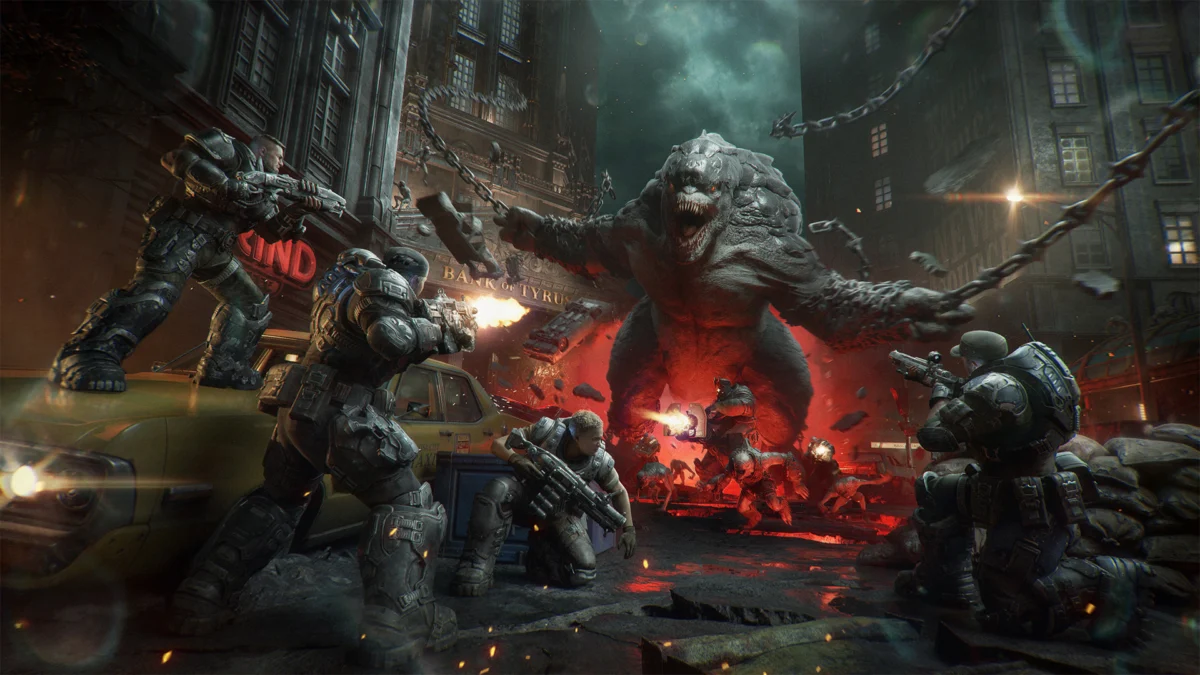
The "E-Day" in Gears of War: E-Day refers to Emergence Day, the pivotal event that marked the Locust Horde’s initial invasion of the planet Sera. This prequel setting allows developers to explore the early days of the conflict, showcasing the COG forces in their nascent stages and the devastating initial onslaught of the Locust. Horde Siege, set against this backdrop, offers a unique opportunity to experience the desperation and heroism of the early days of the war. The image released alongside the announcement, depicting a COG army battling a colossal Brumac bursting from the ground, visually encapsulates the scale and intensity of the threats players can expect.
Competitive Multiplayer Returns with Player-First Progression
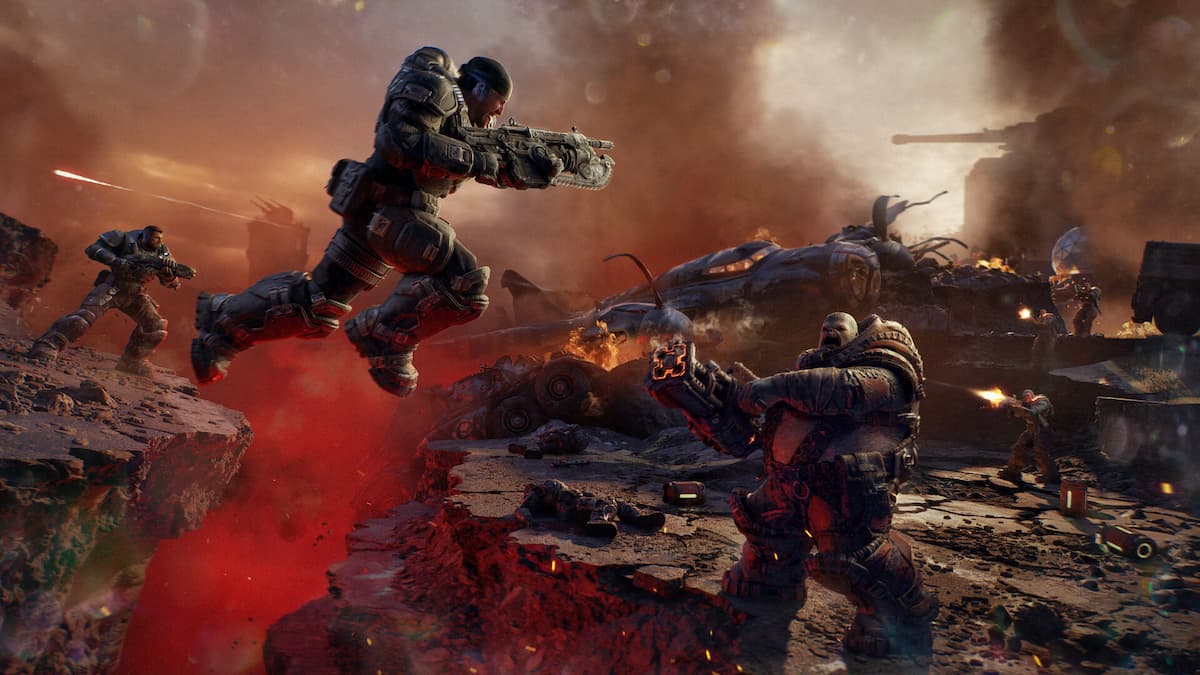
Gears of War: E-Day will also feature a robust competitive multiplayer suite, confirming the franchise’s commitment to its PvP roots. The initial reveal indicates the inclusion of four distinct multiplayer modes across six maps. The return of ranked play signifies a dedication to competitive integrity and provides a clear path for skilled players to ascend the leaderboards.
Perhaps the most significant announcement regarding multiplayer and overall progression is the developers’ commitment to a player-centric monetization model. In direct contrast to the prevalent battle pass systems in many modern games, Gears of War: E-Day will feature a system where "nearly every single item can be earned by simply playing the game." This includes legendary character skins, epic weapon skin sets, and rare cosmetic items. The developers have explicitly stated, "That means no battle pass, no tour of duty, no gimmicks, no bullshit." This approach is a bold statement in the current gaming landscape, prioritizing player investment and gameplay rewards over time-gated monetization schemes. Such a model has the potential to foster significant goodwill among the player base and could influence industry trends if successfully implemented.
Strategic Implications and Industry Impact
The emphasis on dynamic PvE in Horde Siege, coupled with a class-based system and extensive customization, suggests a move towards a more engaging and replayable cooperative experience. By drawing inspiration from successful third modes in other franchises, Gears of War: E-Day aims to capture a broader audience and provide long-term engagement for dedicated players. The potential for emergent gameplay scenarios within Horde Siege could lead to unique player-generated content and community discussions, further extending the game’s lifespan.
The commitment to a completely earnable cosmetic system in multiplayer is a particularly noteworthy development. In an industry where microtransactions and battle passes are standard, this player-friendly approach could significantly differentiate Gears of War: E-Day and resonate deeply with players who have expressed fatigue with aggressive monetization strategies. If this model proves successful and sustainable, it could encourage other developers to re-evaluate their own approaches to in-game economies and player rewards. The ability to unlock premium cosmetics through dedicated gameplay not only enhances player satisfaction but also reinforces the value of time invested in the game.
Broader Context and Player Reception
The announcement of Gears of War: E-Day marks a significant return to the franchise’s roots, exploring the formative events of the Locust War. This prequel narrative allows for the exploration of familiar characters and lore in a new light, potentially offering a fresh perspective on the origins of the conflict. The inclusion of both a compelling campaign, a reimagined Horde Siege mode, and a traditional competitive multiplayer suite suggests a comprehensive offering designed to appeal to a wide spectrum of Gears fans.
Initial reactions to the revealed details, particularly concerning Horde Siege and the monetization strategy, have been overwhelmingly positive across gaming communities and social media platforms. The prospect of a deeper, more strategic Horde mode that evolves beyond static defense, combined with a promise of fair and earnable in-game content, has generated considerable anticipation. This positive reception suggests that players are receptive to innovation within established franchises, especially when it prioritizes gameplay experience and player investment.
Gears of War: E-Day is slated for release on October 6th for PC and Xbox Series X|S. The comprehensive reveal of its core gameplay modes and progression systems indicates a deliberate effort by The Coalition to deliver a robust and engaging experience that honors the franchise’s legacy while forging a new path forward. The success of Horde Siege and the player-centric monetization model will undoubtedly be closely watched by the industry as potential indicators of future trends in game design and player engagement. The game’s focus on providing substantial content that can be earned through play, rather than solely through purchase, represents a significant potential shift in player expectations and developer-publisher relationships.