


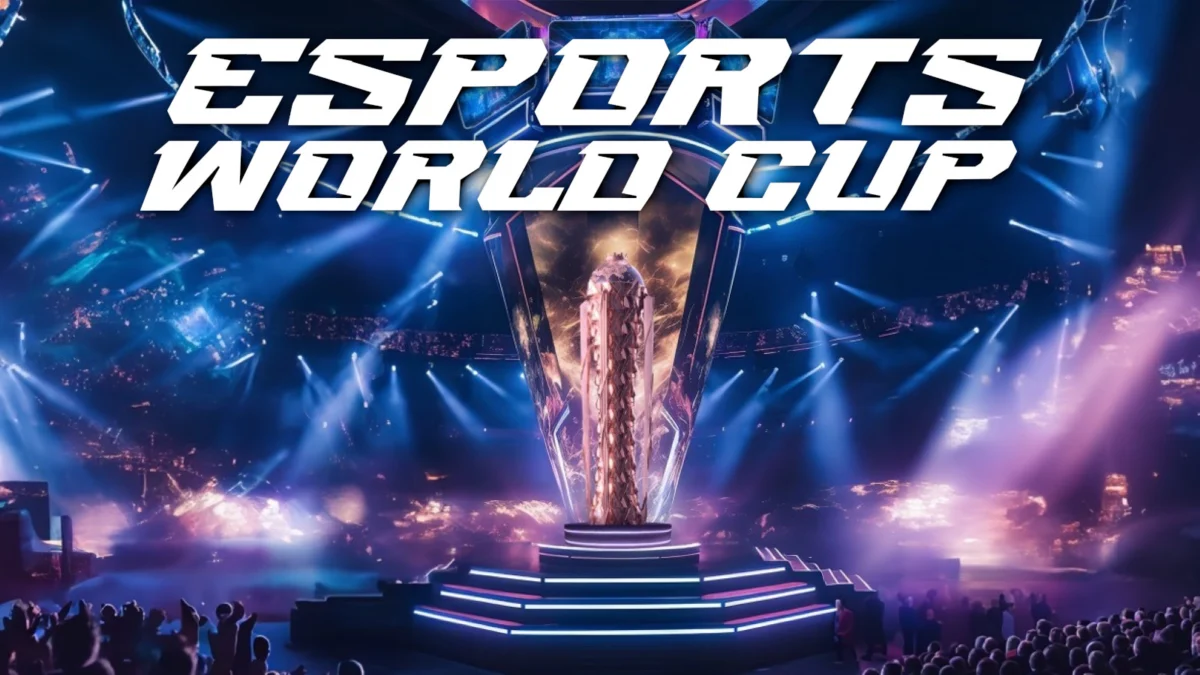
The highly anticipated 2026 Esports World Cup (EWC) has undergone a significant venue change, relocating from its initially announced host city of Riyadh, Saudi Arabia, to the globally recognized sports and cultural capital, Paris, France. This pivotal decision, confirmed on May 20, 2024, marks a new chapter for the prestigious tournament, shifting its international footprint and underscoring the dynamic nature of global event planning in the face of complex geopolitical landscapes. The EWC was originally slated to take place in Riyadh between July and August 2026.
A Strategic Realignment: Navigating Regional Complexities
The Esports Foundation, the governing body behind the EWC, cited an "extended evaluation process in light of the current regional situation" as the primary catalyst for the relocation. This statement, released alongside the official announcement, alludes to the escalating geopolitical tensions and conflicts prevalent in the Middle East, which may have presented unforeseen challenges or risks to the successful execution of a global esports event of this magnitude. By choosing to "accelerate that international rotation for the 2026 edition," the Foundation prioritized stability and predictability for all stakeholders involved.
The organization emphasized its commitment to the esports community, stating, "Our EWC fans are at the heart of everything we do, and we wanted to make sure that you and the Players, Clubs and Teams were offered clarity and stability you need to plan your event attendance and travel plans." This proactive communication aims to mitigate potential disruptions for the thousands of fans, professional players, and esports organizations who would have been involved in the Riyadh event. The swift decision allows ample time for adjustments to travel arrangements, accommodation bookings, and logistical planning, ensuring a smoother transition to the new Parisian venue.
Paris: A Storied Venue for Global Spectacles
The selection of Paris as the new host city is a testament to its established reputation as a premier destination for major international events. Renowned for its rich cultural heritage, world-class infrastructure, and a passionate fan base, Paris has a proven track record of successfully hosting some of the most significant sporting and entertainment gatherings. The city is no stranger to the global spotlight, having previously hosted multiple Olympic Games and numerous high-profile athletic competitions. This experience in managing large-scale international events is expected to translate seamlessly into the complex logistical demands of the Esports World Cup.
Ralf Reichert, CEO of the Esports Foundation, expressed his enthusiasm for the shift, highlighting Paris’s unique appeal. "This year, we’re excited to bring EWC to Paris for its first edition outside Saudi Arabia," Reichert stated. "Paris has hosted some of the world’s biggest sporting events and is one of the great global capitals of sport, culture and entertainment. Together with the passion of French fans and the strong support we’ve received locally, we’re excited to bring the global esports community there for the next chapter of EWC. Paris now becomes the first international chapter in EWC history." His remarks underscore a strategic vision for the EWC to become a truly global, rotating event, with Paris serving as the inaugural international host.
A History of Ambition and Evolution
The Esports World Cup was conceived with a grand vision of becoming a premier global esports championship. While the initial announcement pegged Saudi Arabia as the host for its inaugural editions, the long-term strategy of the Esports Foundation always included international rotation. The model envisioned cities around the world bidding to host the EWC, potentially paying a hosting fee, as a means of generating revenue and fostering a decentralized, globally distributed esports ecosystem. The current relocation, while prompted by unforeseen circumstances, aligns with this overarching objective of establishing the EWC as a traveling global phenomenon.
The original commitment from Saudi Arabia represented a significant investment in the esports industry, aiming to position the Kingdom as a major player in the burgeoning global esports market. The EWC was intended to be a cornerstone of this ambition, attracting top talent and international attention. However, the current geopolitical climate in the Middle East has evidently necessitated a recalibration of these plans, leading to the accelerated international rotation.

Official Reactions and Enthusiasm
The news of Paris securing the hosting rights was met with considerable enthusiasm, particularly from the French government. French President Emmanuel Macron publicly expressed his delight, labeling the decision an "honor." In a statement that was translated from French, he conveyed, "The EWC will be played in Paris! It’s a first that honors us. Thank you to Saudi Arabia for its trust. We are ready to organize this 2026 e-sports World Cup. Very proud to welcome the world again." This sentiment from the highest levels of government signals strong national support for the event, suggesting that Paris will receive significant backing in its preparations. The President’s acknowledgment of Saudi Arabia’s initial trust also reflects a diplomatic approach to the situation, recognizing the foundational role the Kingdom played in the EWC’s inception.
A Prize Pool and Competitive Landscape
The 2026 Esports World Cup is poised to be a monumental event not only in terms of its global reach but also its competitive scale. Esports teams from across the globe are expected to converge to compete for a staggering prize pool of $75 million. This substantial financial incentive is a testament to the growing economic power and professionalization of the esports industry.
The tournament will feature a diverse array of 24 different esports titles, showcasing the breadth and depth of competitive gaming. This comprehensive selection aims to cater to a wide spectrum of gaming enthusiasts and professional players. Confirmed titles include globally popular games such as Overwatch, Valorant, Counter-Strike 2 (CS2), and League of Legends, alongside the intellectually demanding discipline of chess. This varied lineup ensures that the EWC will be a melting pot of different gaming genres and strategies, offering something for every fan and competitor. The inclusion of chess alongside traditional video games highlights a growing trend of esports organizations embracing a wider definition of competitive gaming, recognizing the strategic prowess and dedication required across various disciplines.
Broader Implications for Esports and Global Events
The relocation of the Esports World Cup from Riyadh to Paris carries several significant implications for the esports industry and the broader landscape of international event hosting. Firstly, it underscores the inherent volatility that can accompany major global events, particularly when influenced by geopolitical factors. Organizers must remain agile and adaptable, possessing contingency plans to navigate unforeseen circumstances.
Secondly, the move solidifies Paris’s position as a burgeoning hub for esports. With the city already slated to host major events, including elements of the upcoming Olympic Games, its infrastructure and expertise in managing large-scale international competitions are well-established. This will likely foster further investment and development within the French esports scene.
Thirdly, the decision may influence future hosting bids for major esports tournaments. The EWC’s experience demonstrates that while financial commitment is crucial, a stable and predictable geopolitical environment is equally vital for long-term success. This could lead to a more cautious approach from potential host cities and a greater emphasis on regional stability during the bidding process.
Finally, the EWC’s commitment to international rotation, exemplified by its move to Paris, sets a precedent for future global esports championships. This model promotes a more equitable distribution of hosting opportunities, allowing different regions to benefit from the economic and cultural impact of such events, while also exposing diverse audiences to the vibrant world of competitive gaming. The success of the EWC in Paris will undoubtedly be closely watched as a benchmark for future international esports endeavors.