


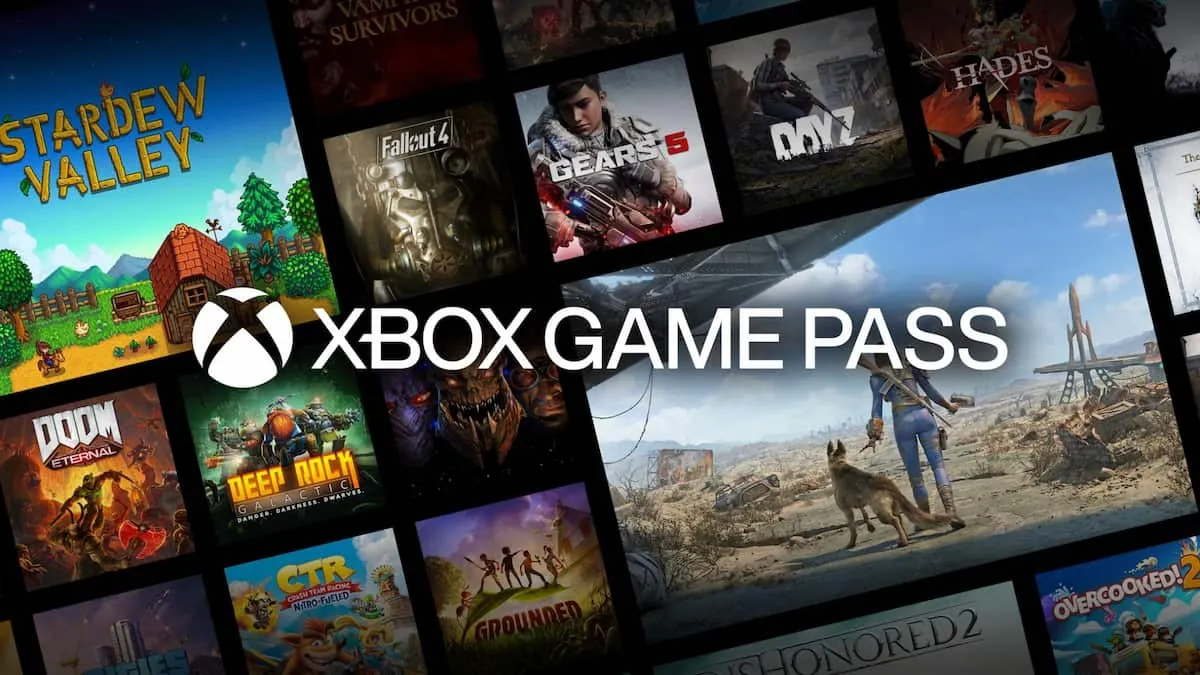
Xbox Game Pass has undeniably revolutionized the gaming landscape, transforming how millions access and consume AAA and viral titles. For a modest monthly fee, often under $15 USD in many regions, subscribers gain access to a vast library of games, a proposition that collectively represents thousands of dollars in retail value. This accessibility, however, is increasingly becoming a double-edged sword, presenting significant challenges to traditional game sales models and complicating the very definition of a game’s commercial success. The current industry discourse, amplified by veteran games journalist Jason Schreier, suggests a growing internal tension within Xbox itself, with some studio leadership reportedly harboring deep reservations about the long-term impact of Game Pass on game valuation and the broader health of the industry.
The Subscription Dilemma: Accessibility Versus Valuation
At its core, Game Pass offers unparalleled value to consumers. The ability to play hundreds of games, including many new releases on day one, for a fraction of the cost of purchasing them individually, has fostered a generation of gamers accustomed to a subscription-first approach. This model directly impacts the revenue streams of game developers and publishers. When a title that would typically retail for $60 or $70 is immediately available on Game Pass, the incentive for players to make a direct purchase diminishes significantly.
A prominent example often cited in these discussions is The Outer Worlds 2. While a well-received title, its engagement on platforms like Steam reportedly saw a dip, with a substantial portion of the player base opting to experience it through Game Pass. This was particularly true for titles that launched day one on the service, effectively bypassing the traditional sales cycle. The data from Steam Charts, for instance, can illustrate player concurrency and sales trends, though direct attribution to Game Pass’s influence is complex. For The Outer Worlds 2, its inclusion on Game Pass from its initial release meant that a significant number of players experienced the game without ever contributing to its direct sales figures. This obfuscates traditional metrics of success, such as unit sales and chart performance, making it difficult to gauge a game’s standalone commercial appeal.
Internal Dissent: Studio Leaders’ Growing Concerns
The impact of Game Pass on game valuation is not an abstract concept; it’s a palpable concern for those directly involved in game development and publishing within Xbox. According to Jason Schreier, speaking via Wccftech, a significant contingent of Xbox studio executives harbors a strong, even passionate, dislike for Game Pass. This sentiment stems from the belief that the service, while beneficial for player acquisition and retention for Microsoft, fundamentally devalues their products.
Schreier’s reporting indicates that while Xbox is unlikely to discontinue Game Pass due to its strategic importance, the company may pivot by reducing the number of day-one releases on the service. The rationale, as articulated by Schreier, is that "that makes no sense anymore." This suggests a growing recognition within Xbox that the current model, where every new major title is immediately available on Game Pass, is unsustainable from a developer and publisher perspective, especially for games that are not flagship first-party titles.
Devaluing the Product: A Case Study
To illustrate the perceived devaluation, Schreier points to games like South of Midnight. While not a universally acclaimed blockbuster, the game resonated deeply with its dedicated player base. However, its retail price of $40 was rendered largely irrelevant for many when it became accessible through Game Pass. For a monthly subscription fee, players could experience South of Midnight and a vast array of other titles, effectively sidelining the direct purchase option.
This dynamic creates a scenario where players are incentivized to wait for titles to appear on Game Pass rather than purchase them outright. This behavior, while logical from a consumer standpoint, erodes the perceived value of individual games. When players consistently opt for the subscription shortcut, it reinforces the notion that games are commodities to be accessed rather than premium products to be owned.
Schreier’s observations paint a stark picture: "There are a lot of people out there in studio leadership within Xbox who absolutely detest Game Pass and think it has destroyed the value of their games." This sentiment extends beyond individual titles, with some believing that Game Pass has "taken away from the value of all games in general just as a service." The underlying concern is that the subscription model, by prioritizing access over ownership and de-emphasizing individual purchase value, has become a "detriment to the games industry" in the eyes of these leaders.
Historical Context and Precedents
This internal friction is not entirely new. Destructoid has previously reported on the significant toll Game Pass can take on game releases, particularly for titles that launch day one on the service. These games often struggle to gain traction on other platforms, essentially competing against themselves. The phenomenon of a game performing poorly in traditional sales metrics while simultaneously enjoying high player engagement on Game Pass highlights a fundamental disconnect in how success is measured.
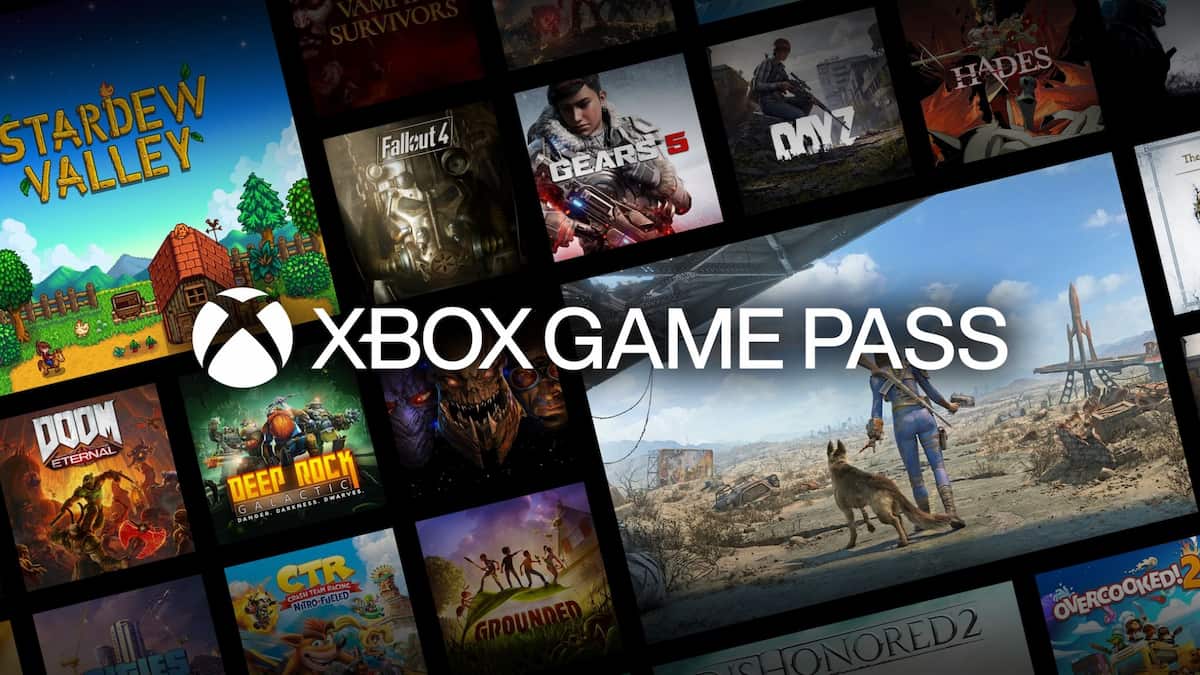
Consider the case of Tony Hawk’s Pro Skater 3+4. While the specific sales figures for this hypothetical title are not publicly available, its inclusion as an example in this context implies a narrative where its day-one availability on Game Pass may have overshadowed its potential standalone sales performance. The image associated with this particular example, depicting Tony Hawk’s Pro Skater 3+4, serves as a visual anchor for the argument that Game Pass can indeed "claim another victim" by dampening the commercial impact of individual releases.
Counterarguments and Player Perception
However, it is also crucial to consider alternative perspectives. Some argue that the perceived value of a game is not solely dictated by its subscription inclusion but by its intrinsic quality and the player’s willingness to invest in it. There have been instances where first-party Xbox titles, when genuinely perceived as valuable by the fanbase, have performed exceptionally well outside of Game Pass, even when released day one on the service. This suggests that while Game Pass offers a powerful incentive, player perception of a game’s worth remains a critical factor.
The success of certain titles on platforms like PlayStation, which does not have a direct equivalent to Game Pass’s day-one AAA releases, further complicates the narrative. While Xbox Game Pass has been a significant driver of Xbox’s growth, its impact on the broader gaming ecosystem, particularly on third-party publishers and the perceived value of individual games, remains a subject of intense debate and strategic recalibration.
The Evolving Role of Game Pass
The current situation within Xbox suggests a strategic reevaluation of the Game Pass model. The initial surge of Game Pass subscriptions was fueled by aggressive content acquisition and day-one releases, a strategy that proved highly effective in attracting a massive subscriber base. However, the long-term sustainability of this model, especially concerning its impact on developer revenue and the perceived value of games, is now being scrutinized.
The potential shift away from mass day-one releases could signal a more nuanced approach, where Game Pass continues to be a cornerstone of Xbox’s strategy, but with a more curated selection of new titles. This could involve a staggered release strategy, where some games are available day one, while others are added to the service after a period, allowing for initial retail sales to occur. This would provide a more balanced ecosystem, catering to both subscription-based access and traditional sales models.
Broader Industry Implications
The internal discussions at Xbox have significant implications for the entire gaming industry. If a major player like Microsoft acknowledges the potential downsides of an all-encompassing subscription service, it could influence how other platform holders and publishers approach their own content strategies.
The debate over game valuation is fundamental to the economic health of the industry. If games are consistently perceived as having low individual value due to subscription services, it could lead to reduced investment in ambitious, riskier projects. Developers might shy away from creating titles that require substantial upfront investment if the potential for recouping those costs through direct sales is significantly diminished.
Furthermore, the very definition of "success" in the gaming industry is being reshaped. Traditionally, success was measured by sales figures, critical acclaim, and cultural impact. With Game Pass, success can also be measured by subscriber engagement, hours played, and the overall contribution of a game to the service’s value proposition. This duality requires a more sophisticated understanding of market dynamics and a willingness to adapt traditional metrics.
The future of gaming subscriptions will likely involve a delicate balancing act. Services like Game Pass offer undeniable benefits to consumers, driving accessibility and affordability. However, the industry must also ensure that developers and publishers can continue to create high-quality, innovative titles. This will necessitate ongoing dialogue, strategic adjustments, and a collective effort to maintain a healthy and sustainable gaming ecosystem where both access and value are appropriately recognized. The internal rumblings within Xbox serve as a potent reminder that even the most successful business models require constant re-evaluation to ensure long-term viability and the continued flourishing of the art form itself.