


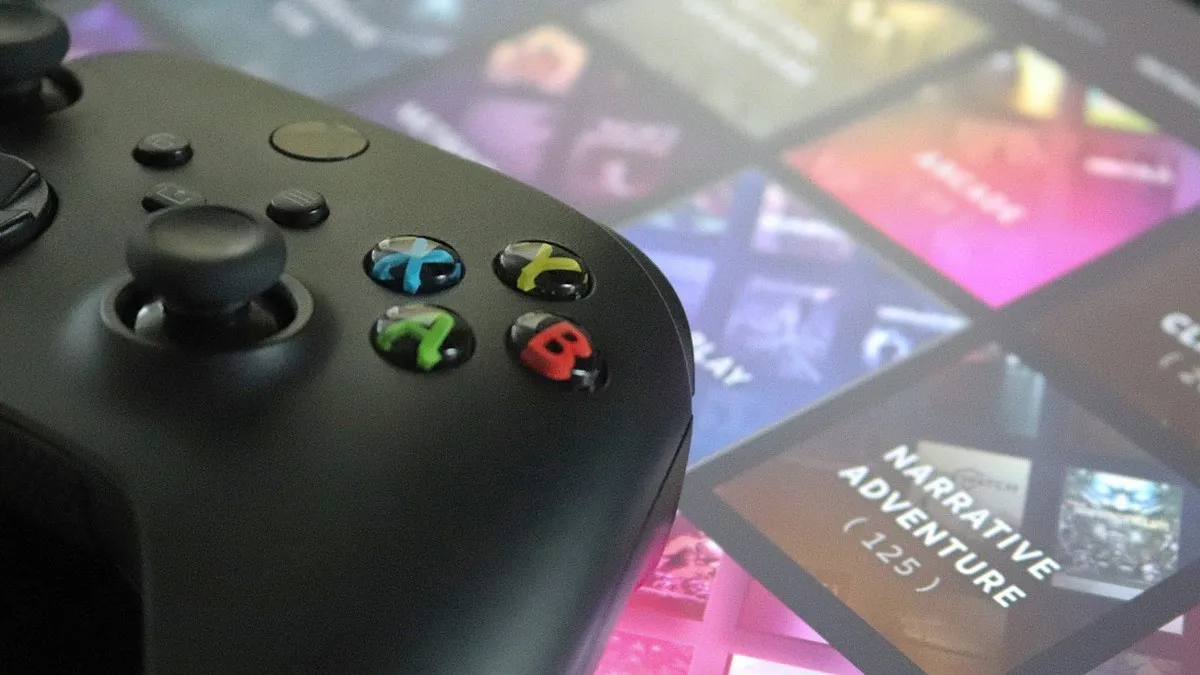
The era of escalating technology costs has reached a significant milestone for gamers in Europe and the United Kingdom, as Microsoft has implemented substantial price increases on its Xbox Series X and Series S consoles. This move, which takes effect immediately, marks a considerable hike for consumers already grappling with the pervasive impact of global supply chain disruptions and the burgeoning demand from the artificial intelligence sector for essential computing components. The price adjustments, varying by console model and storage configuration, are expected to add significant financial pressure on prospective buyers and existing owners looking to upgrade.
Escalating Costs: A Deep Dive into the Price Hikes
The most pronounced increases are observed on the flagship Xbox Series X. In the UK, the 1TB disc version of the Series X, previously retailing at £479.99, will now command a price of £579.99, representing a £100 increase. The digital-only version of the Series X, which was £419.99, is now priced at £509.99, a £90 increment. These figures, while substantial, are slightly less severe than the initial reports suggested for Europe, indicating a nuanced regional pricing strategy.
Across the Eurozone, the impact is even more dramatic. The 1TB disc edition of the Xbox Series X has seen its price jump from €599.99 to €799.99, a staggering €200 increase. Its digital counterpart has followed suit, rising from €549.99 to €749.99, also a €200 surge. These figures translate to approximately $650-$700 USD for the disc version and $600-$650 USD for the digital version, depending on the prevailing exchange rates at the time of purchase, highlighting a significant disparity with prices in other major markets like North America.
The more budget-friendly Xbox Series S has not been spared. In the UK, the 512GB model, previously priced at £249.99, will now cost £309.99, an increase of £60. The recently launched 1TB Carbon Black Series S, which entered the market at £299.99, now retails for £349.99, a £50 rise.
In Europe, the price adjustments for the Series S are equally significant. The 512GB variant, previously €299.99, will now be €349.99, a €50 increase. The 1TB version, which was introduced at €349.99, now stands at €399.99, a €50 increase. While these figures might appear less dramatic in absolute terms compared to the Series X, they represent a considerable percentage increase on an already more accessible console, potentially impacting a broader segment of the gaming community.
The Underlying Causes: AI, Semiconductors, and the Global Tech Landscape
This latest wave of price increases is not an isolated incident but a symptom of broader, systemic issues within the global technology supply chain. The article’s original premise points to the insatiable appetite of artificial intelligence (AI) development for high-end memory and processing components as a primary driver. The training of sophisticated AI models, particularly large language models and generative AI, requires immense computational power, leading to an unprecedented demand for Graphics Processing Units (GPUs) and high-bandwidth memory (HBM).
This demand surge has created a bottleneck in the semiconductor manufacturing process. Foundries that produce these advanced chips are operating at maximum capacity, prioritizing orders from major AI companies and data centers. Consequently, the availability of these critical components for consumer electronics, including gaming consoles, has been significantly impacted.
A Timeline of Disruption: From Pandemic to AI Boom
The roots of the current situation can be traced back to the COVID-19 pandemic. Initial lockdowns led to factory shutdowns and a disruption in the production and logistics of semiconductors. Simultaneously, demand for consumer electronics surged as people spent more time at home, relying on devices for work, entertainment, and communication. This dual shock created a supply-demand imbalance that the industry has struggled to rectify.
The subsequent rise of generative AI and its widespread adoption by tech giants and startups has further exacerbated the problem. The sheer scale of AI development has diverted a significant portion of high-end semiconductor production away from consumer markets. This has led to price inflation across a wide spectrum of electronic components, from RAM and SSDs to specialized processors.
The console manufacturers, including Microsoft, are directly affected by these market dynamics. The Xbox Series X and Series S, like all modern computing devices, rely on a complex array of semiconductors for their operation. The scarcity and increased cost of these components directly translate to higher manufacturing expenses, which are then passed on to the consumer.
Broader Implications: What This Means for Consumers and the Industry
The price increases for Xbox consoles in Europe and the UK have far-reaching implications beyond just the immediate cost to gamers.
Impact on Consumer Spending and Market Share
For consumers in the affected regions, the price hikes could significantly influence purchasing decisions. With the cost of living already a concern for many, an additional €150-€200 on a console is a considerable barrier. This could lead to:
- Delayed Purchases: Consumers may postpone buying new consoles, opting to stick with older hardware or wait for potential price drops or more affordable bundles.
- Shift to Competitors: While PlayStation also faces similar supply chain pressures, the magnitude of this specific Xbox price increase could make the PlayStation 5 a more attractive alternative for some consumers, depending on its regional pricing strategy.
- Increased Demand for Used Hardware: The market for pre-owned consoles and accessories might see a surge in activity as consumers seek more budget-friendly options.
In terms of market share, these price adjustments could disproportionately affect Xbox’s standing in regions where price sensitivity is high. Microsoft will need to carefully monitor sales figures and competitor movements to assess the long-term impact.
The Ripple Effect Across the Tech Ecosystem
The price hikes on Xbox consoles are a microcosm of a larger trend affecting the entire consumer electronics market. As the original article noted, the impact is not limited to gaming hardware:
- Smartphones and Laptops: Devices that incorporate advanced memory and processors are likely to see continued price inflation.
- Home Appliances: Even seemingly unrelated devices like smart refrigerators, air conditioners, and televisions contain significant amounts of memory and processing power, making them susceptible to these cost increases.
- PC Components: The gaming PC market, which relies heavily on readily available GPUs, RAM, and SSDs, has already been experiencing price volatility. This further exacerbates the situation for PC gamers.
Manufacturer Responses and Strategic Adjustments
While Microsoft has not issued a detailed public statement directly addressing the specific price increases beyond acknowledging the need to adjust pricing based on market conditions, their decision reflects a strategic response to rising input costs. Companies in the semiconductor industry are also making strategic adjustments. For instance, NVIDIA, a key supplier of GPUs, has seen its high-end AI-focused chips in high demand, leading to increased revenue but also potential prioritization away from consumer-grade gaming GPUs. Similarly, memory manufacturers are reallocating production to meet the demand from AI and data centers, which often offer higher margins.
Inferred Statements and Industry Analysis:
Industry analysts suggest that this move by Microsoft is a pragmatic, albeit difficult, decision to maintain profitability in the face of escalating manufacturing costs. "The semiconductor industry is facing unprecedented demand from multiple sectors, with AI being the most prominent driver," commented Dr. Anya Sharma, a technology market analyst. "For console manufacturers, who operate on relatively tight margins for hardware, absorbing these cost increases indefinitely is not sustainable. They are being forced to pass some of this burden onto the consumer to protect their financial health and continue investing in future product development."
The long-term implications for the gaming industry could include a potential slowdown in hardware adoption rates and a greater emphasis on software and subscription services as revenue streams. Companies might also explore alternative component sourcing or design optimizations to mitigate future cost pressures.
Conclusion: A New Reality for Tech Consumers
The price increases on Xbox consoles in Europe and the UK serve as a stark reminder of the interconnectedness of the global technology market. The insatiable demand for AI infrastructure, coupled with ongoing supply chain vulnerabilities, has created a perfect storm of rising prices for consumer electronics. As the industry navigates these challenges, consumers can expect continued price volatility and a need for careful budgeting when purchasing new technology. The dream of ever-cheaper electronics may be on hold, replaced by a reality where innovation and accessibility must contend with the significant economic forces shaping the digital landscape.