


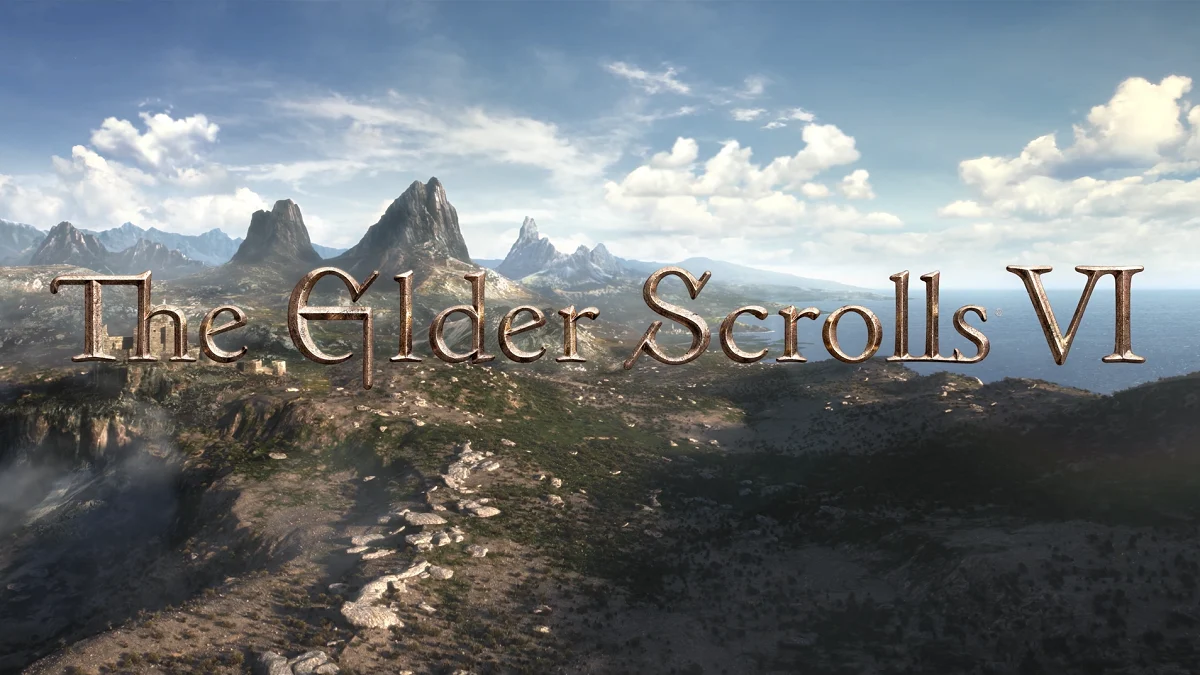
The long-awaited development of The Elder Scrolls VI has once again surfaced in public discourse, this time through a cryptic yet tantalizing comment from Xbox CEO Asha Sharma. Her recent remarks on X (formerly Twitter) about a "live playthrough" of the game, coupled with a previous statement from Bethesda indicating development is "where we planned to be," have reignited anticipation within the gaming community. However, these updates arrive against a backdrop of studio-wide concerns, including recent layoffs and reports of internal challenges, prompting a closer examination of the game’s progress and the environment in which it is being created.
A Glimpse of Progress: CEO’s Cryptic Tease
On X, Asha Sharma shared a brief, albeit enigmatic, update: "Live playthrough of *The Elder Scrolls VI: **** this morning. The scale and grandeur are incredible. The story is even greater." The use of eight asterisks in place of the game’s title has fueled widespread speculation, as it is the first hint of a potential title reveal or a placeholder for the actual name. This statement, coming eight years after the initial announcement of The Elder Scrolls VI* at E3 2016, offers a rare, albeit abstract, confirmation that the game is not only in active development but has reached a stage where playable segments are being experienced.
This comment follows a statement from Bethesda Game Studios last month, where a spokesperson indicated that the studio was "where we planned to be" regarding The Elder Scrolls VI‘s development. While this phrasing was intended to reassure fans of steady progress, the eight-year gap between announcement and such a general update has led to considerable fan anxiety and a demand for more concrete information. Sharma’s more recent, albeit still veiled, commentary suggests a tangible step forward, implying that the game has moved beyond initial conceptualization and early prototyping into a more substantial phase of production.
Community Reactions and Industry Expectations
The gaming community’s response to Sharma’s tweet has been predictably fervent. Many long-time fans expressed a renewed sense of excitement, eager for any scrap of information about a franchise that has defined role-playing games for decades. The enduring popularity of The Elder Scrolls V: Skyrim, released in 2011, continues to highlight the immense anticipation for its successor. Skyrim has sold over 60 million copies across all platforms and continues to be played and modded extensively, underscoring the massive cultural footprint of the series.
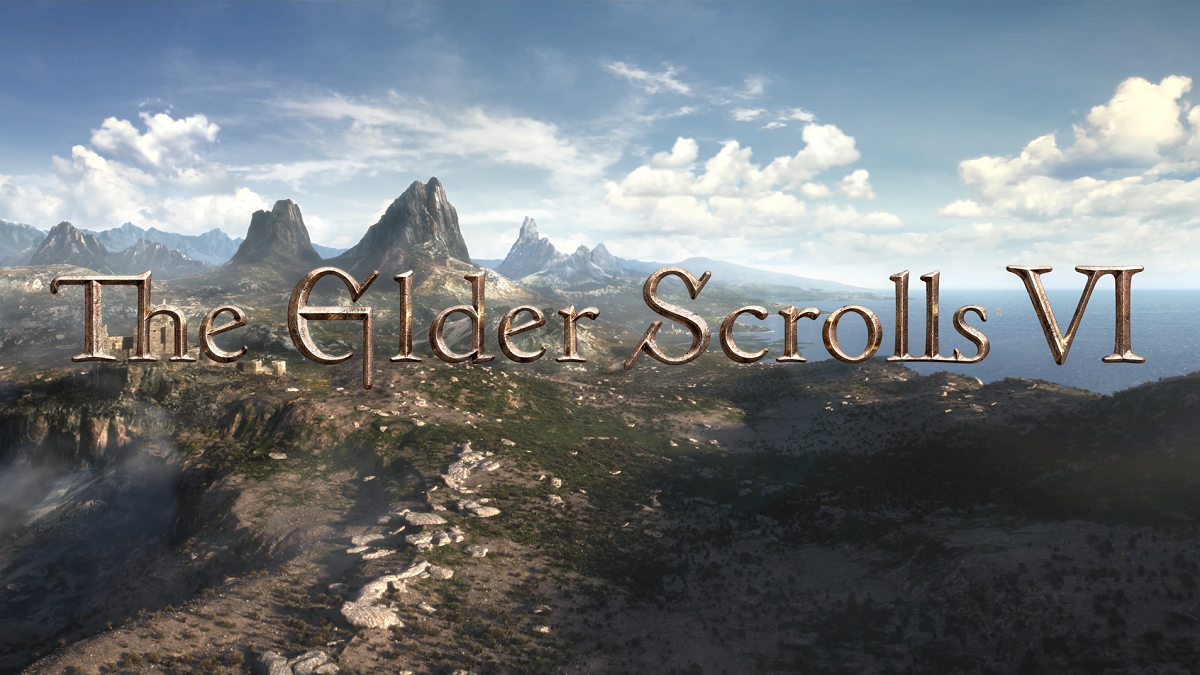
However, the excitement is tempered by a history of prolonged development cycles and the relatively sparse official communication regarding The Elder Scrolls VI. The game was revealed with a brief teaser trailer at E3 2016, a move that, in retrospect, has been cited by many as premature. This early announcement, intended to generate hype, has instead contributed to a protracted period of anticipation and, for some, frustration. The lack of gameplay reveals, detailed plot points, or even a confirmed release window has made it difficult for fans to maintain a consistent level of optimism.
Within the replies to Sharma’s tweet, a recurring theme emerged: pleas for exclusivity on Xbox. This reflects the ongoing integration of Bethesda under the Xbox Game Studios umbrella following Microsoft’s acquisition of ZeniMax Media in 2021 for $7.5 billion. Many Xbox enthusiasts are advocating for The Elder Scrolls VI to be a console exclusive, mirroring the strategy seen with other Bethesda titles like Starfield. Beyond platform discussions, other fans voiced practical concerns, expressing hopes for the game to be available on physical discs, a format that is increasingly becoming a niche offering, and for a launch free from significant technical issues. This latter concern is particularly relevant given the mixed reception and technical challenges encountered by some players during the launch of Starfield.
Development Challenges and Studio Morale
The optimism surrounding The Elder Scrolls VI‘s progress must be contextualized within the broader operational and financial landscape of Bethesda and its parent company, Xbox. Recent reports have highlighted significant internal challenges at Bethesda Game Studios. Earlier this year, allegations of "delays, crunch, and shattered morale" emerged, painting a picture of a studio under considerable pressure. These reports, if accurate, could have a direct impact on the development timeline and the quality of the final product.
Adding to these concerns are the substantial layoffs that affected Bethesda and multiple other Xbox studios last month. This widespread reduction in workforce, described by Asha Sharma as a "reset," has understandably led to apprehension among remaining employees and the wider gaming community. While such strategic realignments are not uncommon in large corporations, their impact on the morale and productivity of development teams working on highly anticipated titles like The Elder Scrolls VI cannot be understated. The loss of experienced personnel, even in other departments, can have ripple effects throughout the entire development pipeline.
Chronology of The Elder Scrolls VI Updates and Related Events
- E3 2016: Bethesda officially announces The Elder Scrolls VI with a brief teaser trailer, confirming its existence but providing no concrete details on gameplay or release.
- 2018: Bethesda confirms that development on The Elder Scrolls VI has begun, with the team focusing on Fallout 76 first.
- March 2023: Bethesda executive Todd Howard states that The Elder Scrolls VI is in "early development" and that the studio is focused on Starfield.
- September 2023: Starfield is released to critical acclaim, though some players express reservations about its scope and performance.
- May 2024: Bethesda communicates that The Elder Scrolls VI development is "where we planned to be," eight years after its initial announcement.
- June 2024: Xbox CEO Asha Sharma tweets cryptically about a "live playthrough" of The Elder Scrolls VI, stating its "scale and grandeur are incredible" and its "story is even greater."
- August 2026 (Update from original article’s context): Reports emerge detailing a protest at Bethesda Game Studios offices, involving CWA union members and an inflatable rat ("Scabby") along with red flags, symbolizing the recent layoffs across Xbox studios. This event occurred in the wake of Sharma’s visit.
Analysis of Implications and Future Outlook
The recent statements from Bethesda and Asha Sharma, while offering a flicker of hope, underscore the delicate balance between managing fan expectations and providing meaningful updates. The eight-year period since the initial announcement has created a vacuum that speculation and rumor have filled, making it challenging for any subsequent communication to satisfy the appetite for concrete information.
The "live playthrough" comment, if it signifies that the game is playable from start to finish, suggests that The Elder Scrolls VI may be further along than some critics have posited. However, the phrase "where we planned to be" from Bethesda is broad and could encompass various stages of pre-production or early development. The juxtaposition of these statements, alongside the recent internal turmoil at Bethesda, creates a complex narrative.
The implications of these developments are multifaceted. For players, the primary concern remains when they will be able to experience the game. Realistic projections, considering the studio’s past development cycles and current challenges, might place a release date in the latter half of the 2020s, potentially 2029 or 2030, or even later. This extended timeline, while frustrating, is not entirely unexpected for a title of The Elder Scrolls VI‘s anticipated scale and ambition.
For Microsoft and Xbox, the success of The Elder Scrolls VI is crucial. As part of a significant investment in acquiring studios like Bethesda, the company is banking on these flagship titles to bolster its gaming ecosystem and compete with rivals. The game’s reception, both critically and commercially, will be a significant indicator of the long-term viability of Microsoft’s gaming strategy. Ensuring a polished and well-received launch will be paramount, especially following the mixed reception of Starfield.
The protests witnessed at Bethesda’s offices, highlighted by Tom Warren of The Verge, serve as a potent reminder of the human element in game development. The inflatable rat, a symbol of labor disputes, and the red flags representing laid-off employees, underscore the potential human cost of corporate restructuring and its impact on studio culture. These external displays of discontent can amplify concerns about employee well-being and its potential influence on the creative output of the studio.
In conclusion, while Asha Sharma’s recent comments offer a tantalizing, albeit vague, update on The Elder Scrolls VI, they arrive at a critical juncture. The gaming world eagerly awaits tangible evidence of the game’s progress, while simultaneously grappling with the broader context of Bethesda’s internal environment. The coming months and years will be pivotal in determining whether The Elder Scrolls VI can meet the monumental expectations placed upon it, and whether the studio can navigate its current challenges to deliver the next epic chapter in the beloved franchise. The wait continues, and the questions surrounding the game’s development, its title, and its eventual release remain at the forefront of the gaming discourse.