


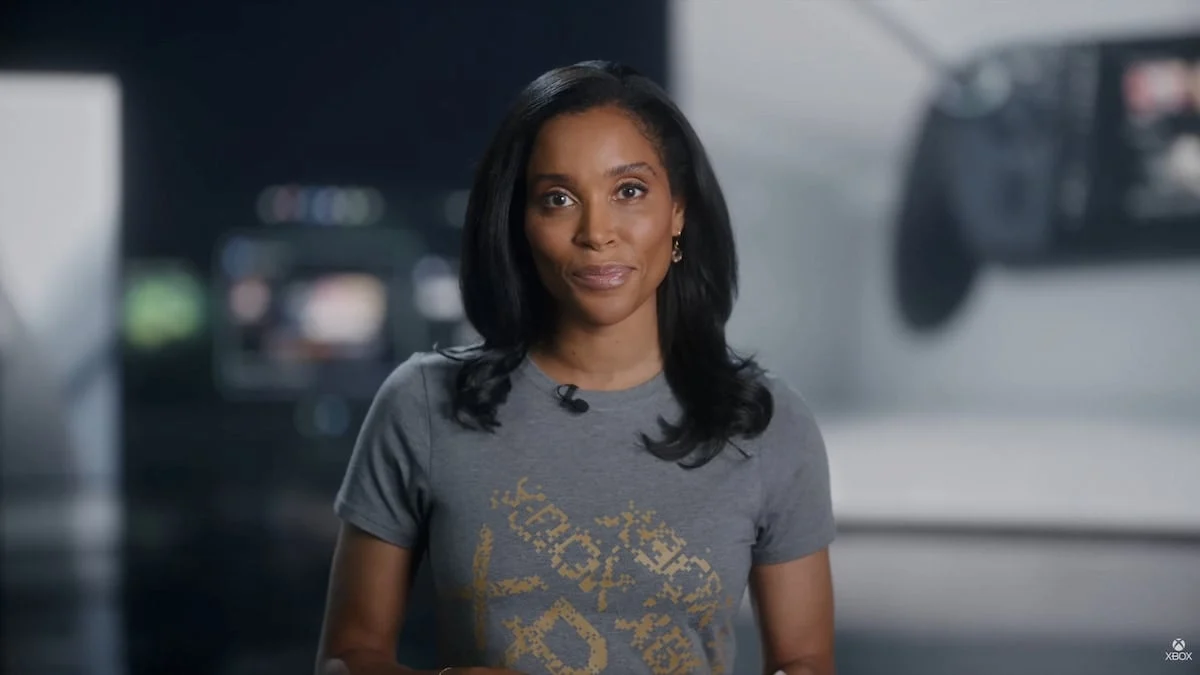
In a significant upheaval within Microsoft’s gaming division, former Xbox president Sarah Bond has departed the company, a move that insiders suggest was a gradual decline in her influence rather than an abrupt dismissal. This departure comes shortly after the announcement that Microsoft Gaming CEO Phil Spencer is also stepping down, with former Microsoft AI executive Asha Sharma poised to assume leadership. Reports, notably from The Verge’s Tom Warren, citing over a dozen current and former Microsoft employees, indicate that Bond’s passing over for the new leadership role felt "inevitable" in recent months. This narrative paints a stark contrast to the expectation that Bond was a likely successor to Spencer, and instead positions her as a figurehead for some of the console’s perceived recent shortcomings.
The Unfolding Leadership Transition
The recent announcement of both Phil Spencer and Sarah Bond’s departures from Xbox sent ripples through the gaming industry. Spencer, a long-serving executive credited with steering Xbox through various strategic shifts, was expected to retire. However, the simultaneous exit of Bond, who held a pivotal role within the Xbox leadership, has drawn significant attention. The ascendance of Asha Sharma, a seasoned executive with a background in artificial intelligence at Microsoft, signals a potential strategic pivot for the gaming giant. According to Warren’s sources, the groundwork for Bond’s diminished role and Spencer’s planned retirement had been laid over the past year. This suggests a deliberate, albeit perhaps contentious, succession plan was in motion.
The "This is an Xbox" Campaign: A Point of Contention
A key point of criticism leveled against Sarah Bond by sources cited in the report is her alleged leadership of the "This is an Xbox" advertising campaign. This initiative, described as peculiar by many, reportedly encouraged consumers to play Xbox games on a multitude of devices beyond dedicated Xbox consoles, including televisions, handhelds, smartphones, and even competing consoles. This strategy, according to internal feedback, "offended many Xbox employees internally" and contributed to a negative perception of Bond’s leadership among her peers. The underlying philosophy of this campaign appears to have been a move away from a console-centric business model, a strategy that has demonstrably impacted hardware sales.
Strategic Pivot and Declining Hardware Sales
The shift in strategy, reportedly spearheaded by Bond under Spencer’s guidance, aimed to broaden Xbox’s reach by de-emphasizing the console itself and promoting a more device-agnostic approach to gaming. While the intention may have been to capture a wider audience across various platforms and services like Xbox Game Pass, the execution and its impact on hardware sales have been a subject of considerable debate. Industry data has shown a general decline in console hardware sales over recent years, a trend that Xbox has not been immune to. The "This is an Xbox" campaign, by actively promoting alternatives to console ownership, may have inadvertently accelerated this decline for the brand. The sentiment among many current and former Xbox employees interviewed by Warren is one of relief at Bond’s departure, underscoring the internal dissatisfaction with the direction of the brand under her influence.

The Rise of AI and Future Concerns
With Asha Sharma at the helm, Microsoft Gaming is now entering a new era, one heavily influenced by her AI background and Microsoft CEO Satya Nadella’s strong advocacy for artificial intelligence. This transition has ignited new concerns within the company. There is a palpable apprehension that Sharma, backed by Nadella’s AI-centric vision, will "force AI into everything Xbox does." This could manifest in various ways, from game development and player engagement tools to internal operational efficiencies. However, such a forceful integration of AI also raises the specter of further workforce reductions. Xbox has already undergone several rounds of layoffs in recent years, and a significant AI push could potentially lead to more job eliminations as roles are redefined or automated.
Analyzing the Blame Game and Scapegoating
While the report places significant emphasis on Sarah Bond’s role in the strategic missteps and internal dissatisfaction, it is crucial to approach such narratives with a degree of critical analysis. Assigning singular blame for the complex challenges facing a division as large as Xbox can be an oversimplification. Bond was undoubtedly a key figure in leadership during a period of significant strategic reorientation. However, her decisions were made within the broader context of Microsoft’s corporate directives and under the ultimate oversight of Phil Spencer and the executive leadership. The timing of these revelations, directly following her departure, raises questions about whether this narrative serves to deflect criticism from other stakeholders and create a convenient scapegoat.
Tom Warren’s report does acknowledge this complexity, stating, "I understand that Bond’s strategy had been failing internally and been questioned multiple times." He further elaborates, "Bond had tried to push mobile and cloud over console, to reach potentially millions more Xbox customers, but the result has been a classic case of chasing tomorrow’s customers by neglecting today’s." This sentiment highlights the inherent risk in ambitious strategic shifts: the potential to alienate the existing customer base while attempting to attract new ones. The focus on future technologies and platforms, while forward-thinking, can sometimes come at the expense of nurturing the core business.
The Road Ahead for Xbox
The future trajectory of the Xbox brand remains uncertain. The legacy of the past few years, marked by strategic shifts and perceived stumbles, presents a formidable challenge for the new leadership. All eyes will now be on Asha Sharma and Microsoft Gaming Executive Vice President Matt Booty as they navigate this critical juncture. Their ability to course-correct, re-energize the brand, and deliver on the promise of compelling gaming experiences will be closely scrutinized by players, industry analysts, and investors alike.
The success of Sharma’s tenure will likely hinge on her ability to balance the integration of cutting-edge technologies like AI with the fundamental needs and desires of the core Xbox gaming community. Rebuilding trust and demonstrating a clear vision for the future of Xbox gaming will be paramount. The coming months will be a defining period for Microsoft’s gaming division, and the decisions made now will shape its competitive standing in the ever-evolving landscape of interactive entertainment. The transition signifies a potential paradigm shift, moving beyond traditional hardware sales and embracing a more interconnected and data-driven approach to gaming, with AI at its core. The effectiveness of this new strategy, and its impact on the millions of Xbox players worldwide, remains to be seen.