


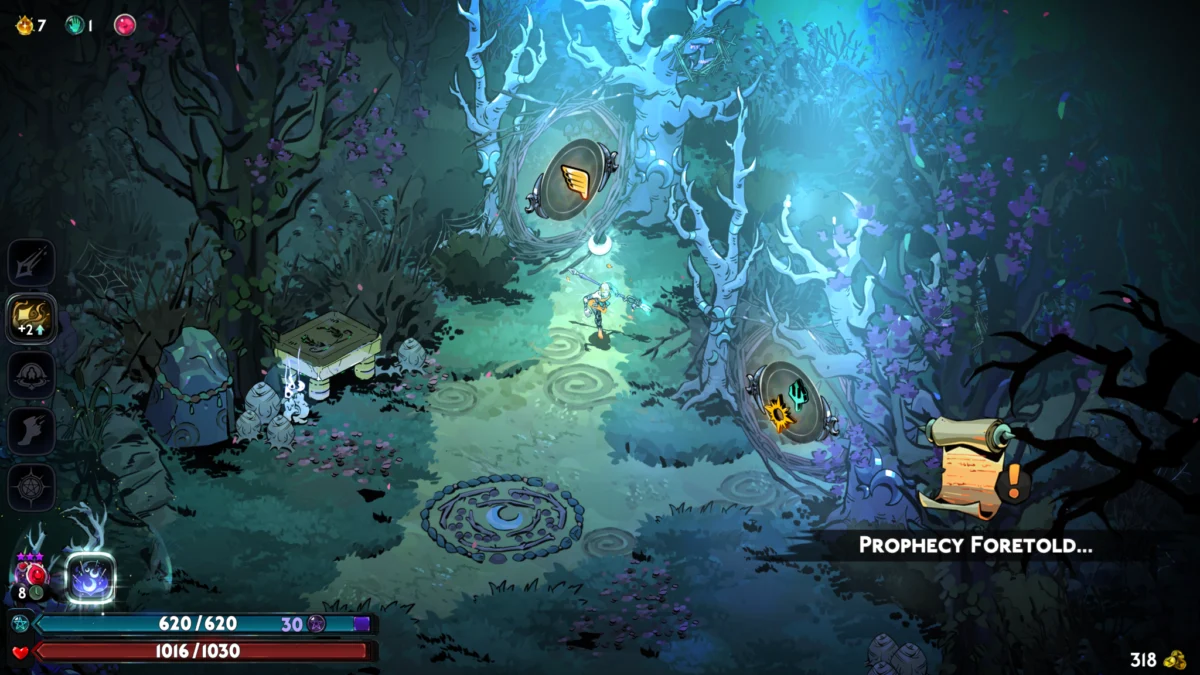
Hades II, the highly anticipated sequel to Supergiant Games’ 2020 breakout hit, has officially launched on Xbox Series X|S consoles and joined the Xbox Game Pass library, marking a significant milestone in the game’s multi-platform rollout. Following its full release on PC and next-generation handheld platforms in late 2025, the Xbox version arrives as a "Day One" offering for subscribers, bringing the complete narrative of Melinoë, the Princess of the Underworld, to a broader console audience. This release encompasses all content updates provided during the game’s extensive Early Access period, delivering a refined experience that expands upon the foundations of its predecessor while introducing sophisticated new combat systems, a larger world map, and a more complex progression loop.

The Evolution of the Underworld: Narrative Context and Setting
Set approximately two decades after the events of the original game, Hades II shifts the focus from Zagreus’s attempt to escape the Underworld to a desperate mission of rescue and retribution. The protagonist, Melinoë, is the sister of Zagreus and a trained witch of the Crossroads. Her primary objective is the elimination of Chronos, the Titan of Time, who has escaped his imprisonment to seize control of the House of Hades and wage war against the Gods of Olympus.
Unlike the intimate, household-focused narrative of the first title, Hades II adopts a broader scope. The story is centered at the Crossroads, a hidden sanctuary overseen by Hecate, the Goddess of Witchcraft. This hub serves as the staging ground for Melinoë’s incursions into both the depths of the Underworld and the surface world. The narrative structure retains the series’ signature reactive storytelling, where dialogue and character relationships evolve based on the player’s successes, failures, and specific gameplay choices. The inclusion of new mythological figures, such as Nemesis, Odysseus, and Dora, alongside returning Olympic deities, provides a fresh perspective on the Greek pantheon, focusing on themes of duty, sacrifice, and the weight of legacy.

Technical Performance and Visual Fidelity on Xbox Series X
The transition to Xbox Series X hardware highlights Supergiant Games’ commitment to visual clarity and performance stability. While the original Hades was praised for its art style, some critics noted lower-resolution character models during high-action sequences. Hades II addresses these concerns with a significant increase in asset density and resolution. On the Series X, the game maintains a consistent 60 frames per second at 4K resolution, ensuring that the fast-paced combat remains fluid even when the screen is saturated with particle effects and multiple enemy entities.
The game also utilizes the Xbox "Play Anywhere" feature, allowing for seamless cross-save functionality between the console and PC versions. This technical integration is complemented by near-instant load times, facilitated by the console’s NVMe SSD, which minimizes the downtime between deaths and subsequent "runs." The environments have seen a notable upgrade in variety; from the claustrophobic, gothic aesthetics of Erebus to the sprawling, open battlefields encountered in later regions, the art direction leverages the hardware to deliver more complex lighting and environmental storytelling.

Combat Mechanics: The Omega System and Resource Management
The most significant mechanical departure from the first game is the introduction of the Magick system. While Zagreus relied on a combination of physical strikes and "Casts," Melinoë utilizes a mana pool to fuel "Omega" moves. Every weapon in the "Nocturnal Arms" arsenal—including the Witch’s Staff, Sister Blades, and the Moonstone Axe—features standard attacks and specials that can be "charged" by consuming Magick.
This shift transforms the rhythm of combat. Where the first game emphasized constant movement and rapid-fire dashing, Hades II encourages a more tactical approach. Players must balance the use of high-damage Omega attacks with their available Magick reserves. To support this, the game introduces a variety of Magick-regeneration boons from the gods, alongside a passive regeneration system that can be unlocked through the game’s new progression cards.

Furthermore, the "Dash" mechanic has been altered. Melinoë possesses a single dash that transitions into a "Sprint," allowing for sustained mobility. This change, coupled with the "Hex" system—powerful ultimate abilities granted by the Moon Goddess Selene—adds layers of customization that exceed the "Call" system of the previous title. Hexes feature their own upgrade trees, allowing players to tailor their supernatural abilities to suit specific weapon builds.
Progression and Customization: The Arcana and the Cauldron
Hades II replaces the "Mirror of Night" from the first game with the Altar of Arcana. This system utilizes a deck of tarot-like cards that grant permanent upgrades, such as increased health, extra lives (Death Defiance), and damage multipliers. Each card has a "Grasp" cost, limiting how many buffs a player can equip simultaneously. As players collect Psyche—a new permanent currency—they can increase Melinoë’s Grasp, allowing for more complex card combinations.

In addition to the Arcana, the Crossroads features a Great Cauldron. Through "Incantations," players use gathered resources (such as herbs, ores, and spirit essences) to alter the game world. These changes range from cosmetic additions to the hub to functional gameplay alterations, such as spawning resource nodes in the Underworld or unlocking the ability to travel to the surface. This gathering mechanic adds a "light-sim" element to the roguelite loop, encouraging players to bring specific tools—like a pickaxe or a silver spade—on their runs to harvest necessary materials.
Chronology of Development and Market Impact
The development of Hades II represents a departure from Supergiant Games’ historical "one-and-done" approach to intellectual property.

- December 2022: Hades II was officially announced at The Game Awards, marking the first sequel in the studio’s history.
- May 2024: The game entered Early Access on PC (Steam and Epic Games Store), receiving immediate critical acclaim for its level of polish.
- September 2025: Version 1.0 was released on PC and Nintendo’s successor console, concluding the primary narrative arc.
- April 2026: The game arrived on Xbox Series X|S and PlayStation 5, bringing the title to the final stage of its global launch strategy.
The commercial impact of the Hades franchise has been substantial. The original title sold over one million copies during its Early Access period alone and eventually surpassed 6.5 million units across all platforms. Market analysts suggest that Hades II is on track to exceed these figures, bolstered by the "day one" accessibility on Xbox Game Pass, which lowers the barrier to entry for millions of subscribers.
Industry Analysis and Critical Reception
The critical consensus highlights that Hades II is a rare sequel that manages to be both more complex and more accessible than its predecessor. Industry analysts point to the "Supergiant Polish"—a term used to describe the studio’s high standards for voice acting, music, and bug-free launches—as a primary driver for the game’s success.

The soundtrack, composed by Darren Korb, has been singled out for its evolution. While the first game utilized "Pacific Rim-inspired" rock and acoustic melodies, the sequel leans into "Witch-Rock" and atmospheric trip-hop, particularly during the boss encounter with Scylla and the Sirens. This battle, which features a dynamic song that changes based on which band member is defeated first, has been cited as a benchmark for integrating audio design with gameplay mechanics.
Despite the praise, some long-time fans initially noted that the game’s pacing felt slower due to the Magick system and the Sprint mechanic. However, the prevailing sentiment among the gaming community is that these changes provide a necessary distinction from the first game, preventing the sequel from feeling like a mere content expansion.

Broader Implications for the Roguelite Genre
Hades II reinforces the "narrative roguelite" sub-genre that Supergiant Games helped define. By proving that a procedural gameplay loop can support deep, serialized storytelling, the studio has influenced a new wave of indie and AAA developers. The success of the Xbox launch and the game’s inclusion in Game Pass further demonstrates the viability of high-production-value roguelites in the subscription-service era.
As Melinoë’s journey concludes the "Death to Chronos" saga, the title stands as a testament to the power of iterative design. By listening to community feedback during the Early Access phase and leveraging the power of modern console hardware, Supergiant Games has delivered a sequel that not only honors the legacy of Zagreus but establishes Melinoë as a premier protagonist in modern gaming. For Xbox Series X owners, the arrival of Hades II represents the definitive version of one of the decade’s most significant interactive experiences.