


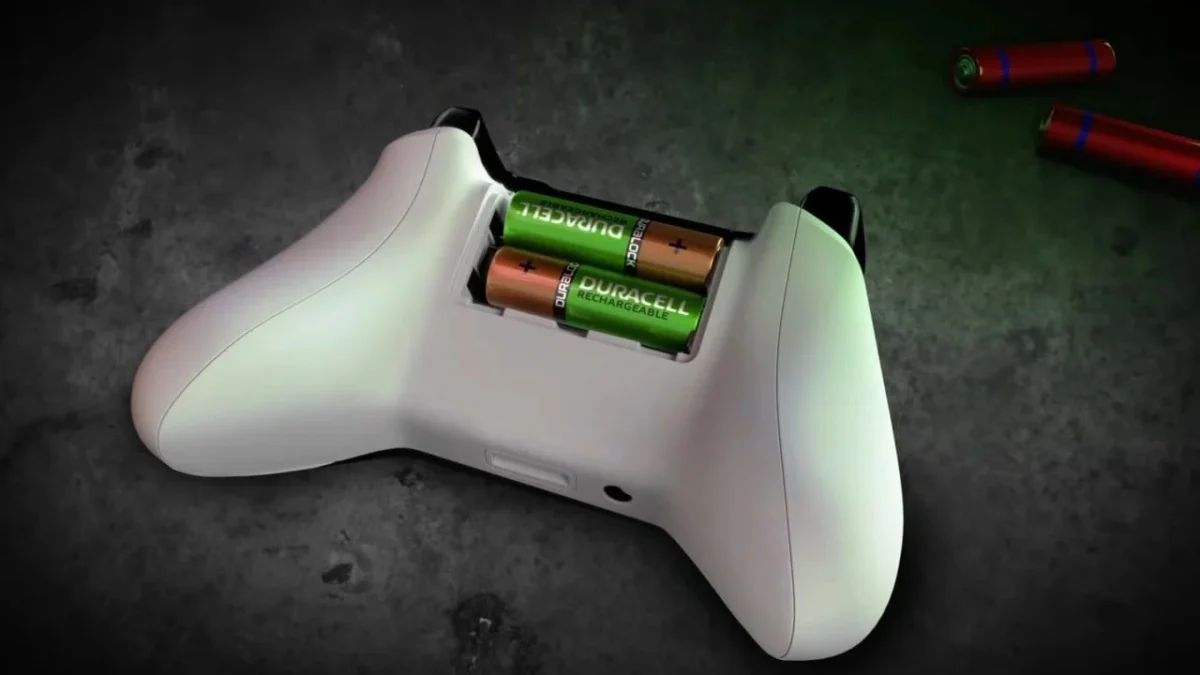
Microsoft’s Xbox division recently navigated a logistical misstep involving the omission of AA batteries from newly shipped controllers, a situation that drew swift praise from new Xbox President Asha Sharma for her team’s efficient and player-focused resolution. The incident, which saw Xbox offering free rechargeable batteries to affected customers, has been highlighted internally as a crucial reminder of the brand’s commitment to "earn every hour" with its player base, a philosophy central to Sharma’s vision for deeper investment in Xbox’s platform foundations.
The Genesis of the Battery Oversight
The issue first surfaced in late April, when consumers who had purchased new Xbox wireless controllers, either standalone or bundled with new consoles, reported that the expected AA batteries were absent from their packaging. While seemingly minor, this oversight presented an immediate inconvenience for players, as most Xbox controllers rely on either AA batteries or a separate rechargeable battery pack for power. The expectation for out-of-the-box functionality is high in the consumer electronics market, and the inability to immediately use a newly purchased peripheral can significantly detract from the initial user experience.
Reports of missing batteries began to accumulate on social media platforms and gaming forums, with users expressing a mix of confusion and frustration. Many players found themselves unable to use their new controllers until they could procure their own batteries, disrupting the immediate gratification associated with a new gaming purchase. While the exact number of affected units has not been publicly disclosed, industry estimates suggest that the issue likely impacted tens of thousands of units across various regions, given the global scale of Xbox’s distribution network. The cause was reportedly traced to an isolated anomaly within the supply chain or packaging process, rather than a deliberate policy change.
Xbox’s Proactive Resolution and Player Engagement
In response to the growing customer feedback, Xbox moved with remarkable speed to address the problem. Within days of the initial reports, the company publicly acknowledged the issue and announced a proactive measure to compensate affected users. Instead of simply advising customers to purchase their own AA batteries, Xbox offered a more substantial resolution: a free rechargeable battery pack, complete with a USB-C charging cable. This decision was significant for several reasons. Firstly, it not only rectified the immediate problem but also provided an upgrade for many users, as rechargeable packs offer long-term convenience and cost savings compared to disposable AA batteries. Secondly, the swiftness of the response demonstrated a clear understanding of the importance of customer satisfaction and brand loyalty in a highly competitive market.
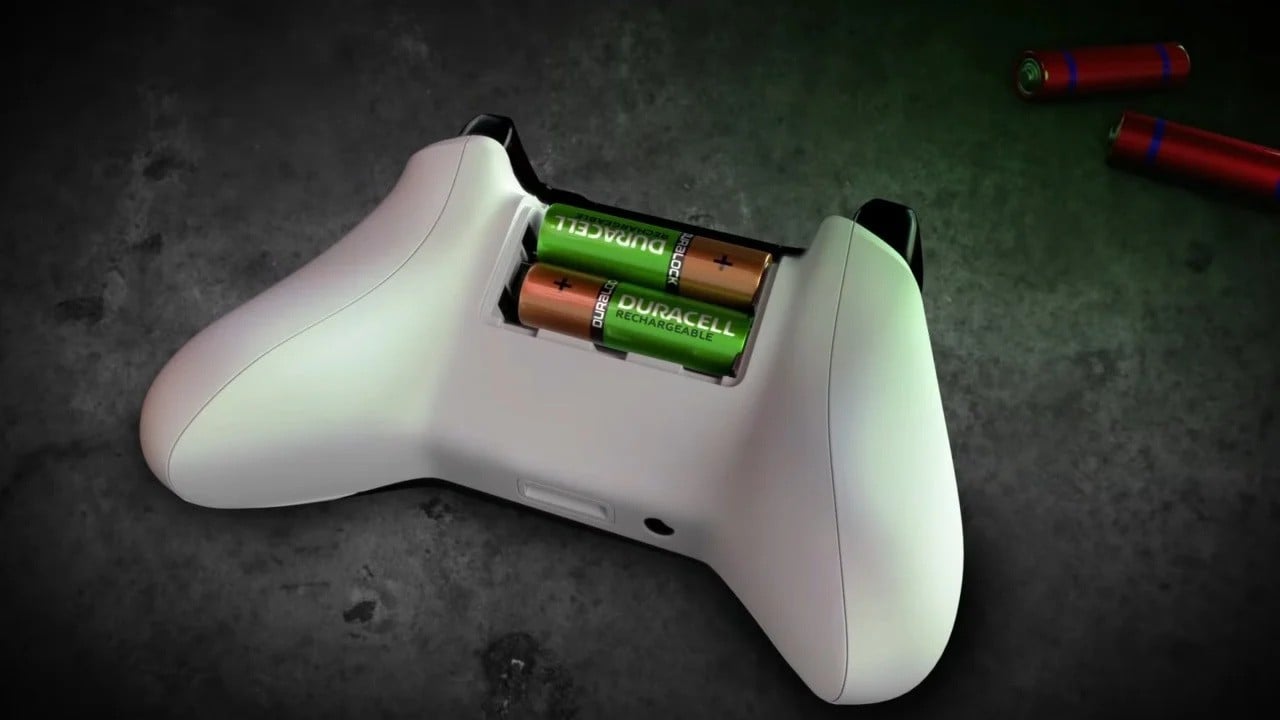
The process for claiming the free rechargeable batteries was streamlined, requiring affected customers to provide proof of purchase and a brief description of their experience. This direct engagement helped to mitigate potential reputational damage and transformed a negative customer experience into an opportunity to reinforce positive brand perception. The initiative was widely praised by the gaming community, with many users expressing appreciation for Xbox’s transparent communication and generous solution.
Asha Sharma’s Endorsement and the "Earn Every Hour" Mantra
The handling of the battery issue quickly caught the attention of Xbox’s new President, Asha Sharma, who ascended to the top leadership role earlier this year. In an internal memo, widely reported by technology outlets like The Verge, Sharma highlighted the incident as a prime example of her team’s efficiency and dedication to the player experience. She specifically commended her employees for their quick action, effective problem-solving, and the thoughtful inclusion of a suitable apology in the form of the free rechargeable battery offer.
Sharma reportedly framed the incident as a "reminder that Xbox and gaming businesses in general need to ‘earn every hour’ with players." This phrase encapsulates a core tenet of her leadership philosophy: every decision, every product, and every interaction must be designed with the player at the forefront, striving to deliver value and satisfaction consistently. It underscores the idea that player loyalty is not a given but must be continuously cultivated through exceptional service and a deep understanding of user needs. This ethos is particularly pertinent as Xbox continues to expand its ecosystem, encompassing hardware, software, cloud gaming, and subscription services like Game Pass.
Her emphasis on "earning every hour" extends beyond mere problem resolution. It is intrinsically linked to her broader strategic plans for deeper investment in Xbox’s platform foundations. This includes strengthening core services, enhancing network stability, improving user interfaces, and ensuring a seamless, reliable experience across all Xbox touchpoints. The battery incident, while a minor operational hiccup, served as a tangible illustration of how a commitment to these foundational elements translates into real-world player satisfaction and reinforces brand trust.
Historical Context: The Shadow of the Red Ring of Death
This recent incident and Xbox’s response cannot be fully appreciated without acknowledging a far more significant historical precedent: the infamous Red Ring of Death (RRoD) issue that plagued the Xbox 360 console generation. The RRoD, a widespread hardware failure indicated by three flashing red lights on the console’s face, emerged shortly after the Xbox 360’s launch in 2005. It was a catastrophic technical flaw that rendered countless consoles inoperable, leading to immense consumer frustration and threatening to derail the entire Xbox brand.

Microsoft’s response to the RRoD was unprecedented in the gaming industry. Faced with a potential brand-ending crisis, the company made the monumental decision to extend the Xbox 360’s warranty to three years for RRoD-related failures and offered free repairs or replacements for all affected consoles, regardless of warranty status. This move reportedly cost Microsoft upwards of $1.15 billion, an astronomical sum for a single product defect. Former Xbox boss Peter Moore, who was instrumental in navigating the crisis, later stated in an interview that if Microsoft had not been willing to make that massive investment to fix the RRoD, "Xbox as a brand might not have been around today."
The RRoD saga serves as a powerful historical lesson for Xbox. It demonstrated the profound impact that a major product flaw can have on consumer trust and the existential importance of a decisive, player-first response. The willingness to incur significant financial losses to preserve customer loyalty ultimately paid off, allowing Xbox to recover and thrive. The recent battery issue, though incomparably smaller in scale, reflects a corporate memory of that crisis and a continued commitment to the principles learned from it: transparency, swift action, and a willingness to go above and beyond to rectify player inconveniences.
Implications for Xbox’s Future and Industry Standards
The positive messaging emanating from Xbox following the battery incident carries several significant implications. Firstly, it reinforces the company’s commitment to customer satisfaction as a cornerstone of its business strategy. In an increasingly competitive gaming landscape, where hardware sales are often razor-thin and profitability relies heavily on software, services, and long-term engagement, cultivating a loyal player base is paramount. A brand that demonstrates care and responsiveness during unforeseen issues is more likely to retain its customers and attract new ones.
Secondly, Asha Sharma’s public endorsement of her team’s handling of the situation helps to set a clear cultural tone for her leadership. By praising proactive problem-solving and player-centric decision-making, she signals to both internal teams and the wider industry what her priorities are. This can foster a corporate culture where customer experience is not just a buzzword but an actionable metric. Her focus on "platform foundations" further suggests a long-term strategy centered on reliability, performance, and user-friendliness, which are crucial for the sustained growth of Xbox’s ecosystem, particularly with the expansion of cloud gaming and subscription services.
Thirdly, this incident could subtly influence broader industry standards. As major gaming companies increasingly rely on digital ecosystems and direct consumer relationships, the speed and quality of customer service become critical differentiators. Xbox’s swift and generous response sets a benchmark that other companies may feel compelled to match, particularly for issues that directly impact a user’s ability to engage with their purchased products.
While mistakes and logistical challenges are inevitable in any large-scale global operation, Xbox’s recent handling of the controller battery issue serves as a positive example of effective crisis management and a reaffirmation of a player-first philosophy. It underscores the enduring lesson from past challenges like the Red Ring of Death: that in the dynamic world of gaming, earning and maintaining player trust is an ongoing process, one hour at a time. The company’s commitment to addressing such issues promptly and equitably bodes well for its brand reputation and its relationship with its dedicated player community moving forward.