


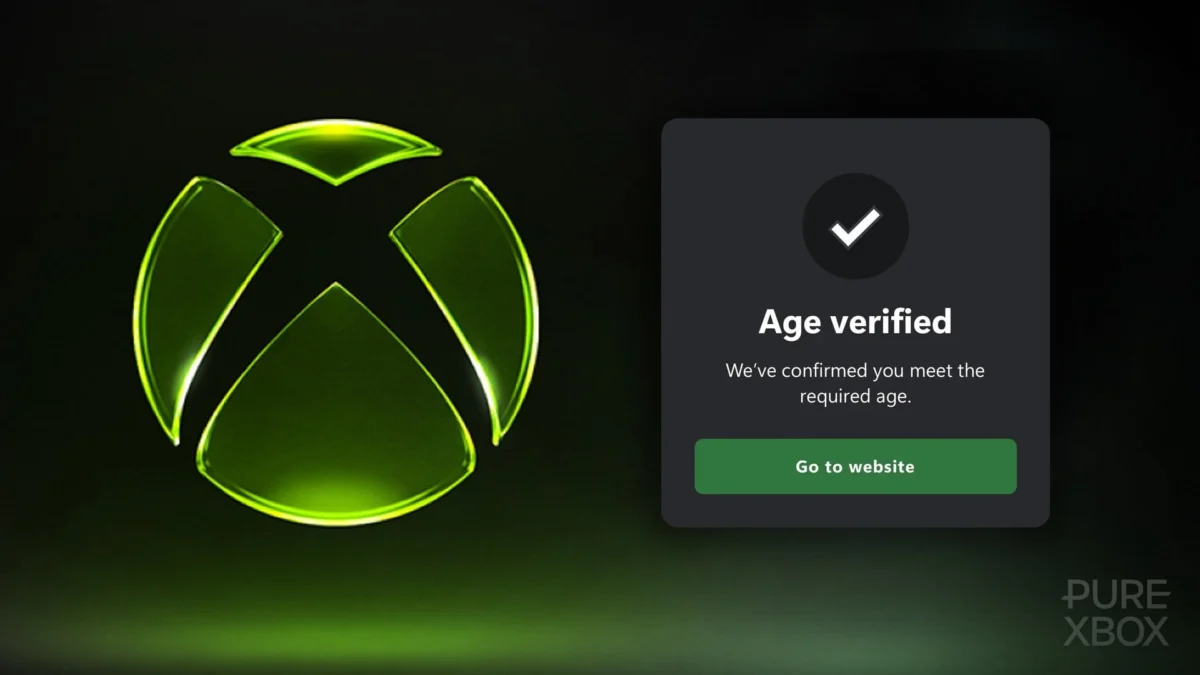
Microsoft’s Xbox platform is expanding its mandatory age verification program, now requiring users in Australia and parts of New Zealand to confirm their age before accessing games and applications rated 18+. This significant policy shift, which began rolling out with notifications to users, aims to bolster compliance with regional content classification standards and enhance online safety, particularly for minors. The move follows similar implementations in the United Kingdom and several US states, signaling a broader, global strategy by Microsoft to standardize age-gating mechanisms across its digital storefronts.
The Rollout Down Under: A Phased Implementation
Users across Australia, and some in New Zealand, have begun receiving direct notifications from Xbox outlining the new requirement. The message states: "As part of our compliance program in Australia, beginning late August 2026, adult XBOX accounts must verify their age to be able to access apps and games rated 18+ on the Microsoft and XBOX Store. Access to such content may be restricted unless you verify your age. Apps and games you already own won’t be affected. Select below to verify now. Please ignore if you’ve already verified." This timeline indicates a phased approach, providing users with a substantial window to complete the verification process before restrictions become fully enforced. The prompt applies to purchases made directly on Xbox consoles and through the Microsoft Store on PC, ensuring a consistent approach across the ecosystem. This proactive communication strategy aims to minimize disruption while ensuring users are adequately informed of the impending changes.
The Australian Classification Board (ACB) is responsible for classifying films, computer games, and publications for Australian audiences, assigning ratings such as G, PG, M, MA15+, and R18+. The R18+ rating, specifically for content restricted to adults aged 18 and over, often applies to games with high-impact themes, violence, or sexual content. Microsoft’s new policy directly addresses the need to enforce this R18+ classification within its digital distribution channels, aligning its practices more closely with national regulatory frameworks designed to protect children from potentially harmful content. New Zealand operates under a similar classification system, managed by the Office of Film and Literature Classification.
A Global Imperative: Precedent from the UK and US
The introduction of age verification in Australia and New Zealand is not an isolated event but rather a continuation of a global trend. Xbox previously implemented a similar, and at times controversial, age verification process in the United Kingdom. This rollout was met with mixed reactions from the gaming community, with some users expressing frustration over the added step and privacy concerns, while others acknowledged the necessity of such measures for child protection.

In the United States, several states have also begun to explore or implement various forms of age verification for online content, driven by a patchwork of legislative efforts aimed at digital child safety. While these state-level initiatives often target different types of content (e.g., explicit material), they underscore a growing regulatory push across Western democracies to ensure online platforms take greater responsibility for restricting access to age-inappropriate material. Microsoft, a multinational technology giant, has openly stated its intention to expand these requirements. Last year, the company indicated that users should "expect more regions in the future," a clear signal that the Australian and New Zealand rollout is part of a broader, harmonized effort to meet regulatory expectations worldwide. This strategic expansion reflects a calculated move to standardize compliance across diverse legal landscapes, preparing for a future where digital age verification is a norm rather than an exception.
Methods of Verification and Data Security Considerations
To comply with the new requirements, users prompted for age verification will typically need to sign in to their Microsoft account and provide one of several accepted forms of identification. While the specific methods can vary by region and Microsoft’s evolving security protocols, common verification options include:
- Government-Issued ID: Uploading a photo of a valid driver’s license, passport, or national identity card. This method often involves secure third-party services that verify the document’s authenticity and the user’s age without storing the full ID image.
- Credit Card Verification: Using a credit card linked to the user’s name and age. This method leverages financial institutions’ existing Know Your Customer (KYC) processes, as credit cards are typically only issued to individuals 18 years or older. A small, temporary authorization charge might be used to confirm card validity, which is then refunded.
- Facial Recognition Technology (with consent): In some advanced implementations, users might have the option to use AI-powered facial recognition tools that can estimate age based on biometric data. These systems are typically opt-in and designed to be privacy-preserving, often deleting biometric data immediately after verification.
- Third-Party Verification Services: Microsoft may partner with specialized identity verification companies that handle the age-checking process, streamlining compliance and leveraging expertise in secure data handling.
A critical aspect of any age verification system is data privacy and security. Microsoft, as a major cloud service provider, has robust security protocols in place. When users submit personal data for age verification, they expect that information to be handled with the utmost care, encrypted, and used solely for its intended purpose. Microsoft’s privacy policy generally emphasizes minimal data retention, using verification data only to confirm age and not for other purposes like marketing or profiling. The company is subject to strict data protection regulations such as GDPR (General Data Protection Regulation) in Europe and similar frameworks globally, which mandate transparency and accountability in data processing. The challenge for Microsoft, and indeed any platform, is to implement effective age verification without creating new avenues for data breaches or privacy infringements.
The Rationale: Child Online Safety and Regulatory Frameworks
The push for mandatory age verification stems from a confluence of factors, primarily driven by increasing concerns about child online safety and evolving regulatory landscapes worldwide. Governments and advocacy groups are placing greater pressure on technology companies to create safer digital environments, especially for younger users.
- Protecting Minors: The primary objective is to prevent children from accessing content deemed inappropriate for their age. While parental controls exist, they often rely on active parental setup and vigilance. Mandatory age verification acts as an additional, systemic layer of protection.
- Compliance with National Laws: Many countries have specific laws and regulations regarding the sale and distribution of age-restricted content. Digital storefronts, previously operating with varying degrees of enforcement, are now being held to stricter standards. The Australian eSafety Commissioner, for instance, actively works to protect children online and advocates for measures that restrict access to harmful material.
- Industry Self-Regulation and Best Practices: Beyond legal mandates, there’s a growing industry consensus that platforms have a moral and ethical responsibility to safeguard users. Implementing robust age verification can be seen as a form of proactive self-regulation, demonstrating a commitment to responsible platform management.
- Harmonization with Physical Retail: In brick-and-mortar stores, the sale of R18+ rated games is strictly enforced with ID checks. Digital stores are increasingly expected to mirror these real-world protections, closing the "digital gap" in content enforcement.
The broader context includes initiatives like the European Union’s Digital Services Act (DSA), which imposes wide-ranging obligations on online platforms, including measures to protect minors. While the DSA directly impacts platforms operating within the EU, its principles and requirements often set a benchmark that influences global practices. Similarly, various bills in the US, like the Kids Online Safety Act (KOSA) at the federal level and state-specific legislation, reflect a bipartisan concern over children’s digital well-being, pushing platforms towards more stringent age-gating and content moderation.

Industry Reactions and User Experience: A Balancing Act
The introduction of mandatory age verification inevitably elicits a range of reactions from various stakeholders.
- Parental Advocacy Groups: Organizations dedicated to child safety generally welcome such measures, viewing them as crucial steps towards creating safer online spaces. They often advocate for even more robust and universal verification systems.
- The Gaming Community: Gamers’ reactions are often divided. Many understand the necessity of protecting minors and complying with regulations. However, some express frustration over the added friction in the purchasing process, potential delays, and concerns about providing personal identification data to yet another online platform. The sentiment of the Pure Xbox article’s author, "Personally, I was rebelling against the (UK) verification until it was eventually forced upon me," reflects a common initial resistance to new bureaucratic steps, even when their underlying purpose is understood.
- Game Developers and Publishers: For developers and publishers, these changes present both challenges and opportunities. While stricter age verification might introduce a slight barrier to immediate purchase for some users, it also ensures that their content is distributed responsibly and in compliance with local laws, potentially reducing legal risks and fostering a more trusted environment for adult-rated games. It also helps preserve the integrity of content ratings, ensuring games reach their intended audiences.
- Microsoft’s Stance: From Microsoft’s perspective, this is a necessary step for maintaining its license to operate globally and upholding its commitment to responsible digital citizenship. By taking a proactive stance, the company aims to avoid potential fines, legal challenges, and reputational damage associated with inadequate age restrictions.
The user experience is a critical consideration. The goal is to make the verification process as seamless and unintrusive as possible, while still being effective. Clear instructions, multiple verification options, and efficient processing are key to minimizing user friction. The message explicitly stating "Apps and games you already own won’t be affected" is crucial for reassuring users that their existing libraries remain accessible.
Broader Implications and the Future of Digital Identity
The expansion of mandatory age verification by Xbox and Microsoft is part of a larger trend that will profoundly impact the digital landscape.
- Standardization of Digital Age-Gating: As more regions implement similar requirements, there’s an increasing likelihood of greater standardization in digital age verification practices across platforms and industries. This could lead to more interoperable or even universal digital identity solutions in the future.
- The "Digital ID" Conversation: The need for age verification fuels the broader conversation around digital identity. How can individuals prove their age or identity online securely, privately, and conveniently, without creating a centralized, vulnerable database of personal information? This challenge is at the forefront of cybersecurity and privacy discussions.
- Technological Advancements: The demand for effective and privacy-preserving age verification will drive innovation in technologies such as zero-knowledge proofs, privacy-enhancing computation, and advanced biometrics that verify identity attributes without revealing the underlying data.
- Economic Impact: While a minor inconvenience for some, these measures could subtly influence purchasing habits. However, the long-term impact is more likely to be a normalization of age verification, akin to presenting ID for alcohol or tobacco purchases in the physical world. For Microsoft, it reinforces its position as a responsible platform, potentially enhancing trust among parents and regulators.
- Global Harmonization Challenges: Despite the trend towards global implementation, significant challenges remain in harmonizing age verification across diverse legal systems and cultural norms. What is considered appropriate verification in one country might not be in another, necessitating adaptable and flexible solutions from platforms like Xbox. The differing data privacy laws (e.g., GDPR vs. CCPA vs. Australian Privacy Act) add layers of complexity for companies operating internationally.
In conclusion, Xbox’s rollout of mandatory age verification in Australia and New Zealand is a pivotal development reflecting a global pivot towards more stringent digital safeguards. Driven by regulatory pressures, a commitment to child online safety, and the need for compliance with regional content classification laws, this initiative underscores a significant shift in how digital platforms manage access to age-restricted content. While it introduces new steps for users, it is an essential evolution in creating a more responsible and secure online gaming environment for everyone. As Microsoft continues to expand this program globally, it will undoubtedly shape the future of digital identity verification and online content governance for years to come.