


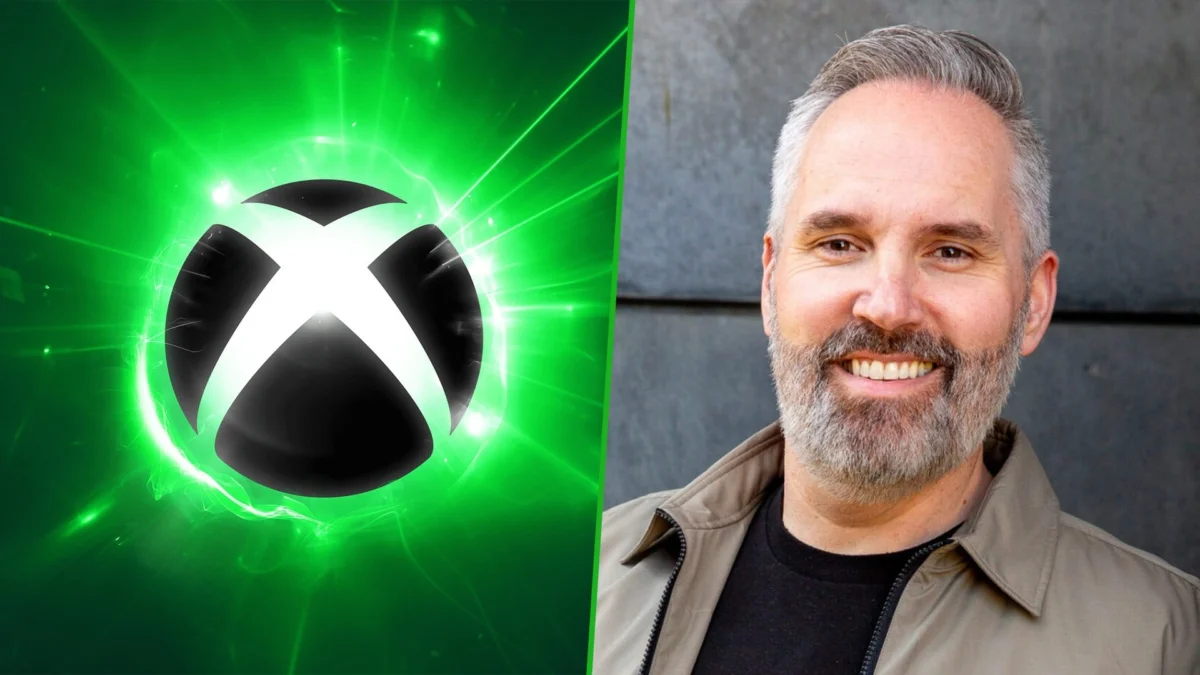
Following a significant server outage that disrupted Xbox services for approximately 20 hours, Xbox Chief Technology Officer Scott Van Vliet has once again demonstrated a commitment to transparency, providing a comprehensive update on the root cause and the strategic measures being implemented to prevent future recurrences. Van Vliet, who garnered considerable praise for his candid communication during the initial incident, detailed the intricate technical failures and outlined Microsoft’s proactive response, including a pivotal shift in service ownership and a critical client-side bug fix. This latest communication underscores a new era of openness from Xbox leadership, spearheaded by CEO Asha Sharma, aiming to rebuild and strengthen user trust in the platform’s reliability.
The Major Outage: A Chronology of Disruption
The incident, which commenced on July 28th, plunged a substantial segment of the Xbox user base into frustration, rendering them unable to access games—both digital and disc-based—for an extended period. The outage particularly impacted core functionalities such as Xbox Home Console sharing, access to Game Pass content, and certain PC gaming scenarios, highlighting the critical dependency of modern gaming on robust online infrastructure. Initial reports from affected users flooded social media platforms, detailing error messages and an inability to launch titles, irrespective of ownership method. This widespread disruption quickly escalated into a major concern for the global gaming community, impacting millions of players reliant on Xbox’s ecosystem for their entertainment.
Scott Van Vliet was among the first high-ranking Xbox executives to publicly address the issue. On July 28th, he issued an initial statement acknowledging the outage and expressing a direct apology to the affected community, stating, "We must do better to support you." At that time, Van Vliet attributed the service interruption to a "licensing service that sits outside of XBOX," indicating an external component as the primary point of failure. He further committed to a "full post-incident review" by Xbox engineers, aiming to thoroughly understand "why a failure in one service was able to take down this much" of the broader Xbox network. This initial act of transparency was met with considerable appreciation from a community accustomed to more ambiguous or delayed communications during such critical incidents. The subsequent days saw Xbox engineers working tirelessly to restore services, which gradually came back online, though the underlying issues and long-term solutions remained under investigation.
Unpacking the Technical Root Cause
In his latest communication, disseminated via social media, Van Vliet provided a meticulous breakdown of the technical confluence that led to the prolonged outage. He elucidated that the primary trigger was an "underlying service required for XBOX Home Console sharing and Game Pass purchased content, as well as some PC scenarios." An update deployed to this critical service inadvertently placed it in an "unresponsive state." This initial failure, while significant, was then "compounded by a bug in the XBOX client software stack."
This client-side bug, as Van Vliet explained, caused a ripple effect: when the initial licensing service became unresponsive, the Xbox client software, instead of gracefully handling the situation or failing securely, began to incorrectly trigger other license checks, which also subsequently failed. This created "cascading failure scenarios that affected some players’ ability to launch games and causing cascading issues with library enumeration." In essence, a problem in one essential service was amplified by a flaw in the client software, leading to a much broader and more severe impact than either issue might have caused in isolation.
The licensing service in question is fundamental to modern digital gaming, acting as the gatekeeper for verifying game ownership, validating Game Pass subscriptions, and ensuring compliance with digital rights management (DRM) protocols. Its proper functioning is paramount for any digital content access. The intricacy of modern gaming ecosystems, with their interdependencies on various backend services, highlights how a seemingly isolated component failure can rapidly destabilize the entire user experience. The detailed explanation from Van Vliet not only provided clarity but also demonstrated a deep technical understanding and a commitment to not merely fix the symptom but address the systemic vulnerabilities.
Strategic Remediation and Long-Term Reliability
In response to the identified root causes, Microsoft and the Xbox team have initiated a multi-pronged approach to both immediately rectify the issues and bolster the long-term resilience of their services. Van Vliet outlined two key strategic actions:
-
Transition of Service Ownership: A crucial decision has been made to bring the "underlying licensing service" directly under the purview of the Xbox team. Previously, this service resided outside the immediate control of Xbox, potentially within a broader Microsoft infrastructure or managed by a separate division. By internalizing ownership, the Xbox team gains direct control over its development, deployment, and maintenance. This move is designed to improve oversight, enable faster response times to issues, and ensure that the service’s architecture and updates are specifically tailored to the unique demands and dependencies of the Xbox ecosystem. Van Vliet emphasized that "our engineers are actively hardening the services and infrastructure for future updates," indicating a proactive strengthening process beyond just the ownership transfer. This strategic shift reflects a recognition of the critical importance of core services to the Xbox user experience and a determination to maintain tighter control over components that directly impact player access and satisfaction.
-
Client Bug Fix Rollout: The identified bug within the Xbox client software stack has been addressed through a new software release. This fix commenced rolling out to Xbox consoles on August 10th and is slated to become mandatory for all users by August 17th. The phased rollout is a standard industry practice, allowing for monitoring and gradual deployment to minimize potential unforeseen issues during a widespread update. Once mandatory, this client-side patch will ensure that future interactions with licensing services are handled more robustly, preventing the cascading failures experienced during the recent outage, even if an underlying service encounters temporary issues. This dual approach—addressing both the backend service and the client-side interaction—demonstrates a comprehensive strategy to fortify the entire service chain.

These actions collectively aim to significantly reduce the likelihood of another outage of this magnitude. The commitment to internalizing critical services and ensuring client software resilience speaks to a renewed focus on end-to-end reliability.
The New Standard of Transparency: A Breath of Fresh Air
The transparent communication style exhibited by Scott Van Vliet is increasingly being recognized as a defining characteristic of the current Xbox leadership. His willingness to delve into the technical specifics of a failure, rather than offering vague assurances, stands in stark contrast to historical industry practices where such incidents were often met with boilerplate statements or extended silence. This approach aligns seamlessly with the ethos promoted by Xbox CEO Asha Sharma, who appointed Van Vliet earlier this year and has herself been a vocal advocate for openness and direct engagement with the community.
This level of transparency fosters a crucial element in the highly competitive and interconnected world of gaming: trust. When services fail, as they inevitably will in complex digital environments, prompt, honest, and detailed communication can transform a potentially catastrophic blow to brand loyalty into an opportunity to demonstrate accountability and commitment to improvement. Players, who invest significant time and money into the Xbox ecosystem, appreciate being treated as informed stakeholders rather than passive consumers. Van Vliet’s candid explanations not only clarify the situation but also empower users with knowledge, helping them understand the complexity involved in maintaining a global gaming platform.
The positive reception from the gaming community, as observed across various social media channels and forums, indicates a strong appreciation for this shift. It humanizes the corporate entity, demonstrating that there are individuals within Xbox leadership who genuinely care about the player experience and are willing to stand accountable. This proactive communication strategy is not merely about crisis management; it’s about building a long-term relationship based on mutual respect and understanding, which is particularly vital for a platform heavily reliant on subscription services like Game Pass.
Broader Implications for Xbox and the Gaming Industry
The recent outage and Xbox’s response carry significant implications, not just for the platform itself but for the broader gaming industry. Modern gaming is intrinsically linked to online services. Even titles purchased physically often require online activation, patches, or licensing checks, rendering the concept of a truly "offline" game increasingly rare. This interdependence means that the reliability of backend services is paramount.
For Xbox, maintaining robust and consistently available services is critical for several reasons:
- Game Pass Ecosystem: As a cornerstone of Xbox’s strategy, Game Pass relies entirely on seamless digital access. Any disruption directly impacts the value proposition for its millions of subscribers globally, potentially leading to churn if outages become a recurring issue.
- Brand Reputation and Trust: In a highly competitive market featuring rivals like PlayStation and Nintendo, service stability is a key differentiator. Prolonged or frequent outages can erode brand loyalty and tarnish Xbox’s reputation as a reliable platform.
- Developer Confidence: Game developers choose platforms based on various factors, including the stability of the underlying infrastructure. Consistent issues could deter developers from launching their titles on Xbox or leveraging its advanced online features.
Industry observers note that while outages are an unfortunate reality of large-scale digital operations, the manner of response significantly influences public perception. Xbox’s approach sets a high bar for transparency, potentially influencing other platform holders to adopt similar candid communication strategies. The move to internalize the licensing service also highlights a growing trend among major tech companies to exert tighter control over critical infrastructure components, reducing reliance on external or shared services where possible to enhance security, stability, and responsiveness.
Van Vliet concluded his recent update with a forward-looking statement, affirming that "our engineering and operations teams are looking broadly across our stack to improve reliability of our products and services." This indicates that the lessons learned from the recent outage are not being confined to a single service fix but are prompting a wider, systemic review of Xbox’s entire technological infrastructure. Furthermore, he teased "some great new features" and "quality-of-life improvements coming to Xbox consoles in the weeks and months ahead." This strategic pivot, following a period of addressing critical stability concerns, aims to reassure the community that while reliability is paramount, innovation and enhancing the user experience remain core priorities.
The incident serves as a stark reminder of the complexities inherent in operating a global gaming network, but Xbox’s leadership, through figures like Scott Van Vliet and Asha Sharma, appears committed to addressing these challenges head-on with an unprecedented level of openness. This commitment to transparency, combined with decisive technical and strategic actions, is poised to reinforce player confidence and ensure a more stable and enjoyable gaming experience for the Xbox community in the long run.