


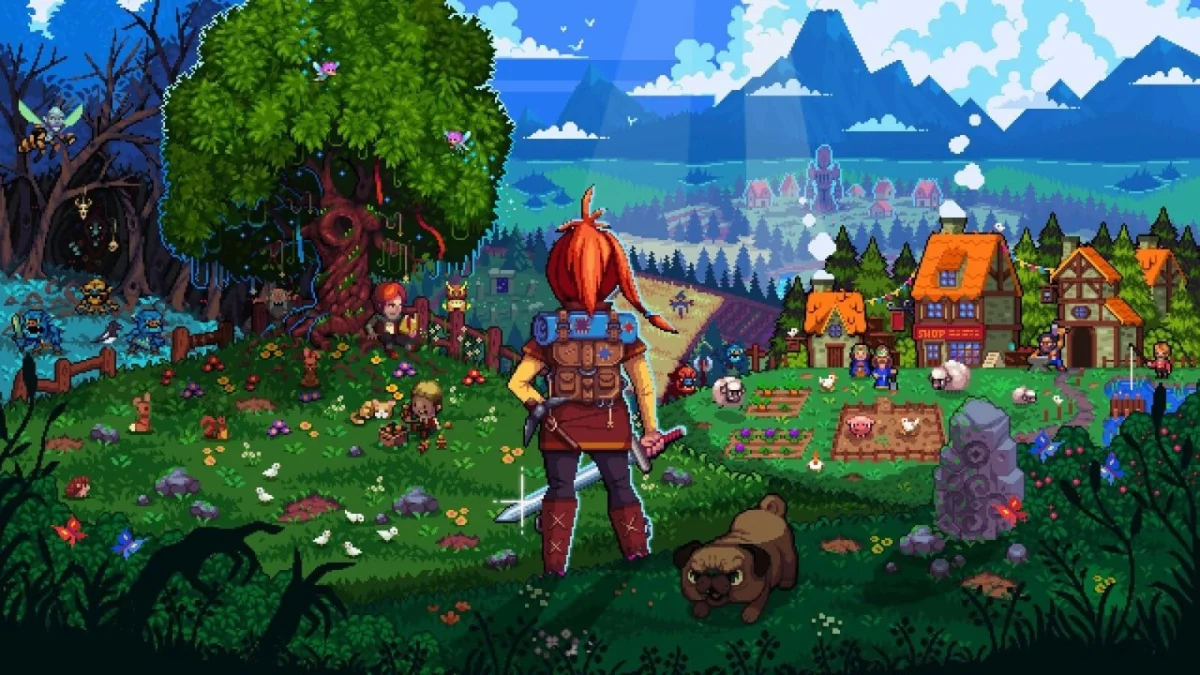
In a significant development for the independent gaming scene, Kynseed, a story-driven role-playing game from PixelCount Studios, has rapidly ascended to critical acclaim and garnered widespread player enthusiasm since its recent release on Xbox and other platforms. Developed by a team comprising former Lionhead Studios veterans Charlton Edwards and Neal Whitehead, the title is drawing comparisons to beloved franchises like Fable and the immensely popular life-sim RPG, Stardew Valley, distinguishing itself through a unique blend of narrative depth, intricate mechanics, and a charming pixel-art aesthetic.
The Genesis of Kynseed: A Legacy Reimagined
The story of Kynseed is inextricably linked to the legacy of Lionhead Studios, a name that resonates deeply with fans of innovative role-playing games. Founded in 1997 by industry icon Peter Molyneux, Mark Webley, Tim Rance, and Steve Jackson, Lionhead Studios became synonymous with ambitious, choice-driven game design. Their magnum opus, the Fable series, launched with Fable in 2004, captivated players with its moral alignment systems, evolving character appearances based on choices, and a whimsical, distinctly British fantasy world called Albion. Subsequent titles, Fable II (2008) and Fable III (2010), further expanded on these concepts, establishing Fable as a cornerstone of the Xbox console’s exclusive lineup.
However, the studio’s journey took a somber turn. After being acquired by Microsoft in 2006, Lionhead faced increasing pressures and shifting strategic priorities. Despite numerous projects and continued efforts, Microsoft ultimately announced the closure of Lionhead Studios in March 2016, a decision that sent ripples through the gaming community and marked the end of an era for the beloved Fable franchise. This closure dispersed a wealth of talent, including Charlton Edwards and Neal Whitehead, who had dedicated years to crafting the worlds of Albion.
Undeterred by the closure of their former studio, Edwards and Whitehead, along with other former Lionhead colleagues, channeled their passion and expertise into forming PixelCount Studios. Their ambition was clear: to create a new game that would capture the spirit of player agency, narrative richness, and charming eccentricity that defined their previous work, while embracing the creative freedom offered by independent development. This vision coalesced into Kynseed, a project that began its journey with a successful Kickstarter campaign in 2017, demonstrating early community belief in their concept and their ability to deliver. The game subsequently entered an Early Access phase on PC in 2018, allowing the developers to refine mechanics and integrate player feedback over several years before its full multi-platform launch. This meticulous development process underscores a commitment to quality often seen in studios born from the ashes of larger enterprises, where lessons learned from past experiences are applied to new, leaner operations.
An Overwhelmingly Positive Reception Across Platforms
Upon its broader release, Kynseed quickly distinguished itself. On the PC platform, the game has achieved a "Very Positive" rating on Steam, a strong indicator of player satisfaction. More impressively, the PC version boasts an aggregated Metacritic score of 89, a testament to its critical acclaim. Early impressions for the Xbox version have mirrored this enthusiasm, with numerous positive reviews emerging from the Xbox Store, highlighting the game’s depth and unique charm.
Player testimonials from the Xbox Store vividly illustrate the game’s appeal:
One reviewer enthusiastically declared, "Kynseed is a mix of Fable [and] Stardew Valley. It will keep you playing for a while in its old school pixelated, beautifully created, RPG sandbox world." This sentiment perfectly encapsulates the game’s hybrid nature, blending the open-world exploration and character progression of an RPG with the resource management and community-building elements of a life simulator.
Another player praised the game’s eventual depth, despite an initial hurdle: "Painfully slow ‘tutorial’ section but then super diverse gameplay possibilities. Def worth playing if you love cozy farm & life sim genres – with a unique to the genre dynasty feature. NOT another clone!" This feedback points to one of Kynseed‘s most distinctive innovations: the "dynasty feature," which allows players to experience the passage of time, see their characters age, and eventually pass on their legacy to subsequent generations, impacting the persistent world. This mechanic adds a layer of depth and long-term engagement rarely seen in the genre, moving beyond simple farming and crafting to encompass a generational saga.
Perhaps the most effusive praise came from a player who underscored the sheer volume of content available: "You will spend hoooooouuuuurrrrsss on this game if you’re a fan of Stardew Valley. Oh, but it’s so much more. I’ve only scratched the surface, but I’ve caught 200 fish, rode a pig, fought some baddies, read some lore, cooked, created potions, crafted tools, bet on a race, harvested crops, explored vast areas…. THERE’S SO MUCH TO DO. Amazing job PixelCount Studios! Absolutely in love with this one ❤️ Thank You." This detailed account showcases the game’s expansive array of activities, from mundane daily tasks to adventurous exploits, all contributing to a rich, immersive experience. It speaks to the game’s design philosophy of offering players myriad ways to interact with its world, ensuring that engagement remains high over extended play sessions.
Nuanced Critical Perspectives: The Nintendo Switch Experience
While the reception on Xbox and PC has been overwhelmingly positive, some platforms have presented slightly different critical perspectives. Our sister site, Nintendo Life, for instance, reviewed Kynseed on the Nintendo Switch and offered a more tempered, though still "Good," 7/10 score. Their review acknowledged the game’s ambitious scope while pointing out areas for improvement.
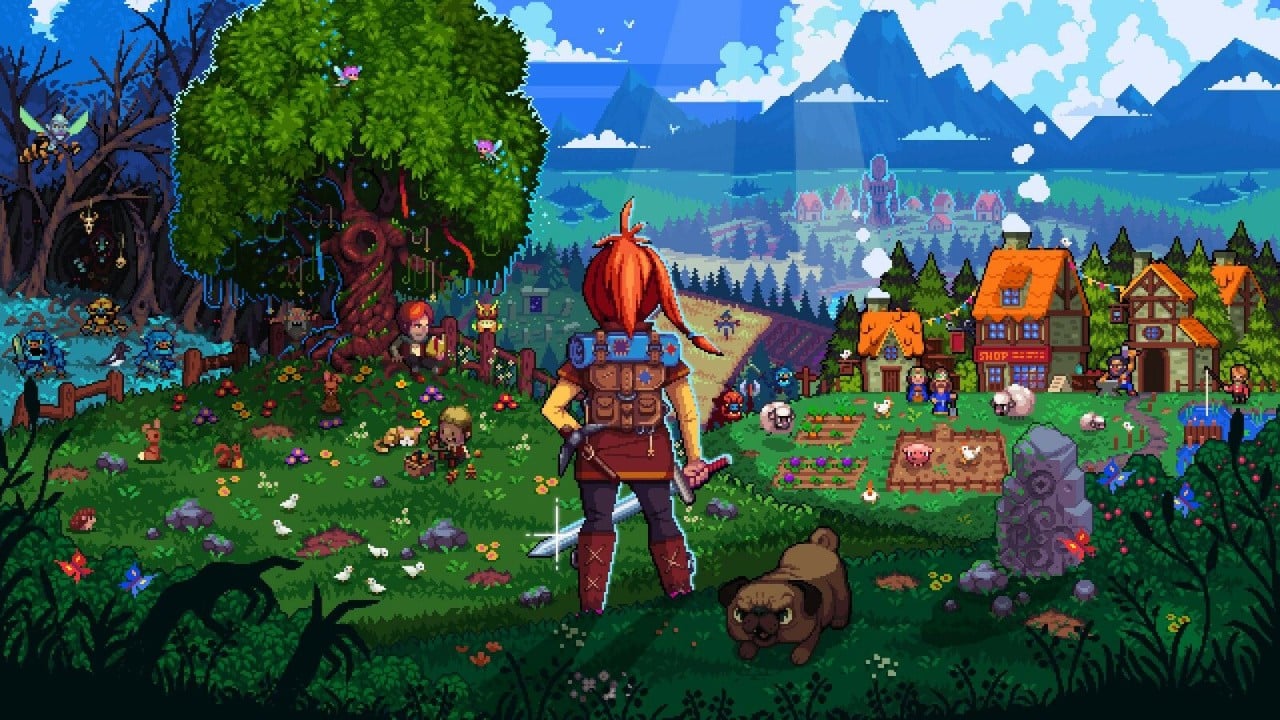
Nintendo Life’s conclusion summarized their findings: "Kynseed is bountiful with tasks to do, NPCs to please, and lands to discover. Oftentimes that quantity seems to take priority over quality, though that doesn’t always detract from the pops of dopamine you get when you complete a microtask. Stick with the lengthy Once Upon A Time and you’ll be rewarded with open-ended options for play – running a business, foraging for plants and exploring the lands with your pet, to name a few. One can reach Happily Ever After in around 80 hours, but you’re better off whiling away that time meandering along the many pebbled roads of Quill, onto whatever task it is you choose."
This critique highlights a common challenge for ambitious indie titles: balancing the sheer volume of content with a consistent level of polish across all elements. The "quantity over quality" observation, while not entirely negative, suggests that some aspects of the game might feel less refined than others. However, the review still commends the game’s open-ended nature and the intrinsic rewards of completing its myriad microtasks, ultimately recommending it to players willing to invest significant time. The slight divergence in scores could also be attributed to platform-specific performance considerations, the unique expectations of the Switch’s indie-heavy library, or simply the subjective preferences of individual reviewers. It provides a valuable counterpoint, ensuring a holistic understanding of the game’s strengths and areas where it might not universally resonate.
Gameplay Deep Dive: A World of Endless Possibilities
Kynseed stands out in the crowded life-sim RPG genre by actively encouraging players to forge their own path within its expansive, procedurally generated world. At its core, the game challenges players to run a business, manage a family, and explore a whimsical land called Quill. The "dynasty feature" is a cornerstone of this experience, allowing players to witness their characters grow from childhood to old age, marry, have children, and eventually pass on their farm, business, and reputation to their offspring. This generational aspect adds significant weight to player choices, as decisions made by one character can echo through the lives of their descendants.
Beyond the unique generational mechanics, Kynseed offers a comprehensive suite of activities. Players can cultivate crops on their farm, raise livestock, and forage for wild plants and resources across diverse environments. Crafting is integral, allowing players to create tools, potions, and other items necessary for survival and progression. Combat, while not the primary focus, adds an adventurous layer, enabling players to delve into dungeons, fight mythical creatures, and uncover hidden lore. Business management is another rich facet, where players can run various shops, haggle with customers, and expand their mercantile empire. Minigames, such as betting on pig races or fishing, provide delightful distractions and additional avenues for earning coin.
The game’s pixel-art aesthetic, lovingly crafted by PixelCount Studios, evokes a nostalgic charm reminiscent of classic RPGs while incorporating modern visual flourishes. This blend of old and new extends to the game’s narrative design, which is filled with quirky characters, humorous dialogue, and a rich, evolving lore that players can uncover through exploration and interaction. The world of Quill is designed to feel alive, with NPCs following daily routines, reacting to player actions, and developing relationships over time. This dynamic environment ensures that no two playthroughs are exactly alike, reinforcing the game’s commitment to player freedom and emergent storytelling.
Broader Implications: The Rise of Indie Talent and Genre Evolution
The success of Kynseed is more than just a win for PixelCount Studios; it represents a significant narrative for the broader video game industry. It underscores the incredible resilience and talent that often emerges from the aftermath of major studio closures. When a large entity like Lionhead Studios ceases operations, the highly skilled individuals who worked there don’t simply vanish. Instead, many, like Edwards and Whitehead, choose to leverage their expertise in new, independent ventures. This trend has been observed across the industry, with numerous successful indie studios being formed by veterans of defunct AAA companies, bringing with them a wealth of experience in game design, production, and project management.
Furthermore, Kynseed‘s strong performance highlights the enduring and growing appeal of the "cozy game" and life-sim RPG genres. Inspired by the monumental success of titles like Stardew Valley, which revitalized the farming simulation genre, and the continuous popularity of Animal Crossing, players are increasingly seeking games that offer relaxation, creativity, and a sense of persistent progression without the high-stakes pressure often associated with mainstream AAA titles. Kynseed effectively carves its own niche within this market by infusing traditional life-sim elements with a distinct RPG narrative, a sense of adventure, and its unique generational mechanics. It proves that there is ample room for innovation and depth within these seemingly tranquil genres.
From a business perspective, Kynseed‘s success also demonstrates the power of strong word-of-mouth and community engagement for independent titles. Without the massive marketing budgets of larger publishers, indie games often rely on positive player reviews, social media buzz, and coverage from gaming outlets to reach their audience. The overwhelmingly positive sentiment on platforms like Steam and the Xbox Store, coupled with the critical acclaim, has undoubtedly played a crucial role in expanding Kynseed‘s visibility and driving sales.
The game’s pricing at £19.99 / $24.99 on Xbox One and Xbox Series X|S positions it as an accessible yet premium indie offering. The absence of Xbox Play Anywhere support, while a minor inconvenience for some players who own both PC and Xbox versions, does not appear to have significantly hampered its overall appeal, focusing instead on the core gameplay experience. Looking ahead, the strong foundation laid by Kynseed‘s initial release suggests significant potential for future content updates, expansions, or even sequels, allowing PixelCount Studios to further build upon its unique world and mechanics. This initial triumph bodes well not only for the studio but also for the continued diversification and enrichment of the gaming landscape.
Conclusion
Kynseed stands as a compelling example of independent game development at its finest. Born from the talent and ambition of former Lionhead Studios veterans, it successfully merges the narrative depth and choice-driven gameplay reminiscent of the Fable series with the engaging life-simulation elements popularized by Stardew Valley. Its overwhelmingly positive reception on PC and Xbox, characterized by player praise for its vast content, unique dynasty feature, and charming aesthetic, solidifies its position as a significant release. While the Nintendo Switch version received a slightly more nuanced appraisal, the consensus remains that Kynseed offers a rich, expansive, and deeply rewarding experience for those willing to immerse themselves in its whimsical world. It is a testament to the enduring creativity of its developers and a vibrant addition to the ever-evolving landscape of role-playing and life-sim games, proving that even after the closure of a beloved studio, passion and talent can find new avenues to flourish and captivate audiences worldwide.