


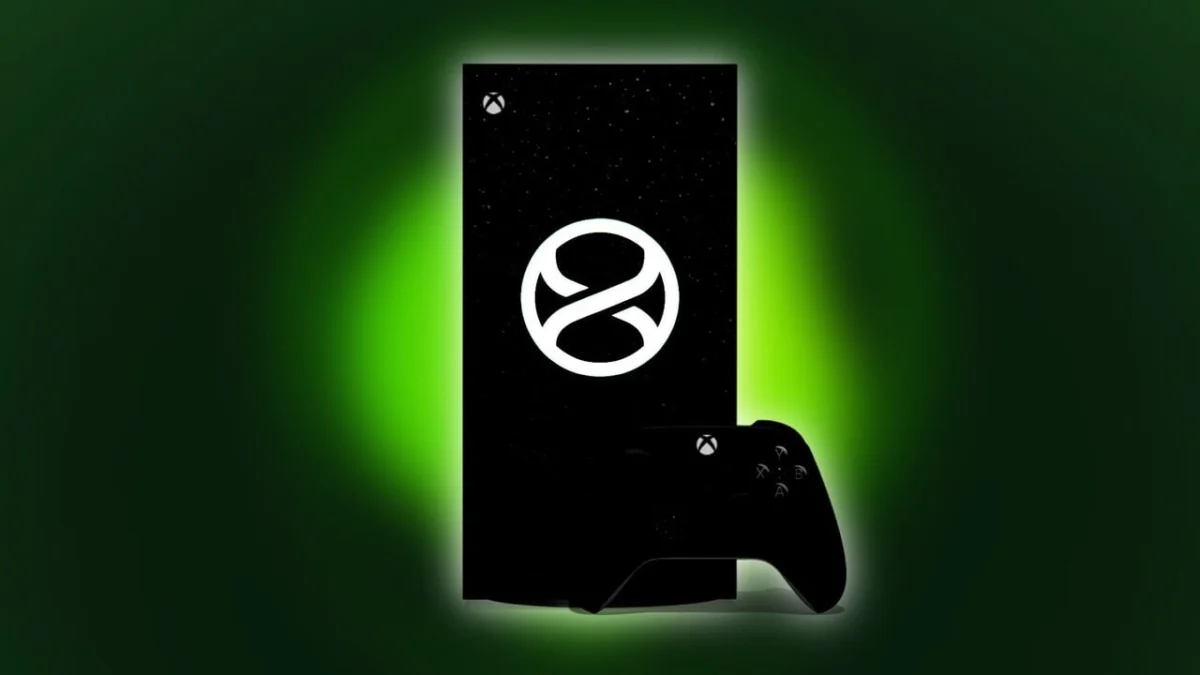
Microsoft has officially signaled a paradigm shift in its hardware strategy for the tenth generation of gaming consoles, confirming that the upcoming system codenamed "Project Helix" will not stand alone but will instead lead a broader "family" of devices. Xbox CEO Asha Sharma disclosed these details during a recent internal town hall meeting, marking the most significant update on the company’s hardware roadmap since the initial rumors of Project Helix surfaced. The strategy represents a departure from the traditional single-console launch model, favoring an ecosystem that includes both first-party hardware manufactured by Microsoft and licensed devices produced by external partners.
During the address, Sharma emphasized that the next generation of Xbox hardware—referred to as "Gen-10"—is being designed to accommodate a diverse range of player behaviors. "We are moving to a family of devices for Gen-10," Sharma stated, according to transcripts of the meeting. "There is not one device that fits all. We will certainly have a great console first, but we also know that many players will be on the go." This statement confirms long-standing industry speculation that Microsoft intends to bridge the gap between traditional home console gaming and the burgeoning handheld market, which has seen explosive growth in recent years.
The Evolution of Project Helix and the Gen-10 Strategy
The development of Project Helix follows the mid-generation cycle of the Xbox Series X and Series S, which introduced a two-tier hardware approach in 2020. While the Series X targeted high-end performance and the Series S offered an affordable entry point, the Gen-10 strategy appears significantly more ambitious. By referring to a "family" of devices, Microsoft is positioning Project Helix as the flagship "powerhouse" console, while simultaneously preparing the ground for a variety of form factors.
The mention of "on the go" gaming strongly suggests that a first-party Xbox handheld is in active development. While Microsoft has previously relied on third-party devices like the ROG Ally and Lenovo Legion Go to carry the Xbox experience into the portable space via Windows and Game Pass, Sharma’s comments imply a more integrated hardware solution. This could manifest as a dedicated Xbox handheld designed to run native code or a cloud-optimized device intended to maximize the reach of Xbox Cloud Gaming.
Third-Party Manufacturing and the "Windows" Model for Xbox
A pivotal element of Sharma’s disclosure is the confirmation that Microsoft will partner with external manufacturers for certain Gen-10 devices. This approach mirrors the historical "Windows" model, where Microsoft provides the software environment and reference specifications while OEMs (Original Equipment Manufacturers) build the hardware.
"There are some things that we are the best in the world to manufacture, and there are other things that we will partner on," Sharma noted. This suggests that while Microsoft will likely handle the engineering of the primary Project Helix home console and perhaps a premium handheld, it will also open the Xbox ecosystem to partners like ASUS, MSI, or Razer. This could result in a marketplace where consumers can choose from various "Xbox-certified" devices with different specifications, price points, and features, all running a unified Xbox operating system.
The Role of a Unified Operating System
Central to the success of a multi-device family is the software that binds them together. Sharma highlighted that the development of the next-generation operating system is a high priority, stating that the software is "starting to look really good."
For Gen-10, Microsoft is expected to deliver a highly optimized version of the Xbox environment that functions seamlessly across traditional consoles, handhelds, and potentially even high-end gaming laptops. The goal is to eliminate the friction currently associated with playing PC-based Xbox games on handheld devices, which often struggle with the overhead of the standard Windows 11 desktop interface. A dedicated, "handheld-first" UI within the Xbox OS would allow Microsoft to compete more effectively with the streamlined user experience of the Steam Deck’s SteamOS and the Nintendo Switch.
Historical Context: From Single Box to Ecosystem
To understand the weight of this shift, one must look at the chronology of Xbox hardware.
- The Original Xbox (2001): A single, powerful entry into the market.
- Xbox 360 (2005): Introduced multiple SKUs (Pro, Core, Arcade, Elite) but maintained a single hardware architecture.
- Xbox One (2013): Initially focused on an "all-in-one" media strategy, later pivoting to the powerful Xbox One X.
- Xbox Series X|S (2020): The first time Microsoft launched two distinct performance tiers simultaneously.
- Gen-10 / Project Helix (Approx. 2026-2027): A transition into a multi-manufacturer ecosystem.
This trajectory shows a clear movement away from the "console as a walled garden" and toward "Xbox as a platform." By diversifying the hardware, Microsoft is insulating itself against the risks of a single-device failure and expanding its total addressable market (TAM) to include mobile-centric gamers and those who prefer specialized third-party hardware.
Market Data and Competitive Pressures
The decision to embrace a family of devices is driven by clear market indicators. The handheld gaming PC market, virtually non-existent five years ago, is now a multi-billion dollar segment. Valve’s Steam Deck has proven that there is a massive appetite for "triple-A" gaming in a portable format, while the Nintendo Switch continues to demonstrate the enduring appeal of the hybrid model.
Furthermore, Sony’s recent release of the PlayStation Portal and rumors of a future dedicated PlayStation handheld suggest that the "home-only" console model is under threat. Microsoft’s strategy with Project Helix appears to be a preemptive strike to dominate the "portable-plus-power" segment by leveraging its strengths in software and cloud infrastructure.
Data from recent financial quarters shows that Xbox hardware revenue has faced challenges as the Series X|S generation matures. However, Xbox Game Pass subscriptions and software sales remain robust. By launching a family of devices, Microsoft aims to create more "on-ramps" for Game Pass, ensuring that regardless of whether a player is on a couch or a train, they are within the Xbox ecosystem.
Implications for Developers and Consumers
The move to a multi-device family introduces both opportunities and challenges for the gaming industry. For developers, a unified OS across various Gen-10 devices could simplify the optimization process, provided Microsoft maintains strict hardware standards for its partners. If the "Xbox" brand is applied to third-party handhelds, developers will need to ensure their titles are scalable across a wider range of performance profiles.
For consumers, the "family of devices" approach offers unprecedented choice. A enthusiast gamer might invest in the flagship Project Helix console for 4K/120fps performance in the living room, while a frequent traveler might opt for a mid-range Xbox handheld. Because these devices would share a single OS and library, progress would carry over via cloud saves, fulfilling the "Play Anywhere" promise Microsoft has championed for years.
Official Responses and Future Outlook
While Microsoft has not yet provided specific release dates or pricing for the Project Helix family, Sharma’s internal comments have set a clear expectation for transparency as "plans develop." Industry analysts expect a formal unveiling of the Gen-10 vision sometime in 2025, with a potential market launch in late 2026.
Microsoft’s move to include third-party partners in the Xbox hardware family is perhaps the most disruptive element of this plan. It signals an end to the "console wars" in the traditional sense, shifting the battleground from who has the best box to who has the most versatile and accessible ecosystem.
As the gaming landscape continues to evolve toward platform agnosticism, Project Helix represents Microsoft’s bet that the future of gaming is not tied to a single piece of plastic under a TV, but to a flexible array of devices that follow the player wherever they go. With a focus on a "great console first" supported by a mobile-friendly "family," Xbox is preparing to redefine what it means to be a console manufacturer in the tenth generation.