


The digital marketplace for the Xbox ecosystem has recently experienced a notable shift in consumer behavior, as evidenced by the "Top Paid" charts for the early weeks of October. While traditional industry titans and perennial bestsellers maintain their expected positions, a diverse array of independent titles and niche simulations have surged into the top 50, signaling a robust appetite for varied gaming experiences among the console’s user base. Leading the charge is the seasonal powerhouse Halloween: The Game, which has secured the #6 position, followed closely by the long-anticipated 1.0 release of Valheim at #10. These rankings reflect a broader trend where tactical shooters, urban brawlers, and physics-driven combat simulators are successfully competing for visibility alongside established franchises like EA Sports FC 27 and Minecraft.
Current Market Dynamics and the Top Paid Ranking Landscape
The Xbox Top Paid chart serves as a critical barometer for transactional success on the platform, distinguishing itself from the "Most Played" list, which is frequently dominated by free-to-play titles and Game Pass inclusions. To appear high on the Top Paid list, a game must generate significant individual unit sales within a rolling window of time. The current data reveals that consumers are diversifying their spending beyond the standard AAA autumn release cycle.
At the summit of this unexpected surge, Halloween: The Game has leveraged its iconic intellectual property and the seasonal relevance of the month to outperform many high-budget competitors. Its position at #6 places it in the company of industry mainstays, suggesting that the asymmetrical horror genre remains a potent draw for the Xbox audience. Simultaneously, Valheim’s climb to #10 highlights the enduring appeal of the survival-crafting genre, particularly as the title transitions into its 1.0 version, bringing a wealth of polished content to console players.
Further down the rankings, the presence of Active Matter at #12 and Samson – A Tyndalston Story at #17 indicates a strong interest in atmospheric, high-stakes gameplay. Even more specialized titles, such as NASCAR 26 (#38) and the physics-based fighter Gladio Mori (#45), have managed to carve out significant market share. This distribution suggests that the Xbox storefront’s discovery algorithms and recent promotional efforts are successfully surfacing titles that might previously have remained in the periphery of the mainstream consciousness.
A Chronological Overview of Recent Chart Movements
The shift in the Top Paid rankings began in late September as the "summer lull" transitioned into the high-traffic fourth quarter. Historically, this period is dominated by sports simulations and shooters. The release of EA Sports FC 27 provided the expected anchor for the charts, maintaining a top-five presence since its launch. However, the first week of October introduced a volatility that favored independent developers.
On October 1st, several indie titles that had been in pre-order phases or early access were officially listed, leading to a spike in transactional volume. Halloween: The Game saw an immediate ascent, likely bolstered by social media engagement and the lack of a major competing horror release in the immediate timeframe. By October 4th, Active Matter and Samson – A Tyndalston Story began their climb, benefiting from positive word-of-mouth regarding their unique mechanical hooks—time-loop extraction and gritty urban combat, respectively.
The inclusion of NASCAR 26 at #38 represents a significant moment for racing enthusiasts. Following a period of uncertainty regarding the NASCAR gaming license, the involvement of iRacing technology in the latest iteration has revitalized interest among simulation fans. Its appearance in the top 40 confirms that the "niche" audience for authentic motorsports is large enough to influence general marketplace trends when provided with a high-fidelity product.
Analysis of the Top Performers: Mechanics and Appeal
To understand why these specific titles are resonating with the Xbox audience, it is necessary to examine the gameplay propositions they offer.
Halloween: The Game (#6)
Set against the backdrop of the 1978 John Carpenter classic, this title utilizes an asymmetrical multiplayer format that has become a staple of the horror genre. Players take on the role of Michael Myers (The Shape) or the "Heroes of Haddonfield." The game’s success is attributed to its "sandbox" approach to horror, allowing for emergent gameplay scenarios that mirror the tension of the film. In a market where licensed horror games often struggle with longevity, the initial sales figures suggest a strong start for this Haddonfield-centric experience.
Valheim 1.0 (#10)
Valheim has been a phenomenon since its initial early access debut on PC, but its 1.0 milestone on Xbox marks a definitive point of entry for many console players. The game’s blend of Norse mythology, procedural generation, and cooperative survival mechanics offers a high value-to-price ratio. The 1.0 update introduces finalized biomes and boss encounters, providing the "complete" experience that many console gamers wait for before committing to a purchase.
Active Matter (#12)
The "extraction shooter" subgenre has seen explosive growth, and Active Matter enters this space with a distinct sci-fi twist. By incorporating time-loop mechanics and quantum anomalies into the standard "loot and extract" loop, the game appeals to players looking for a more complex tactical challenge than traditional battle royales. Its high ranking suggests that the Xbox community is actively seeking alternatives to the dominant titles in the shooter category.
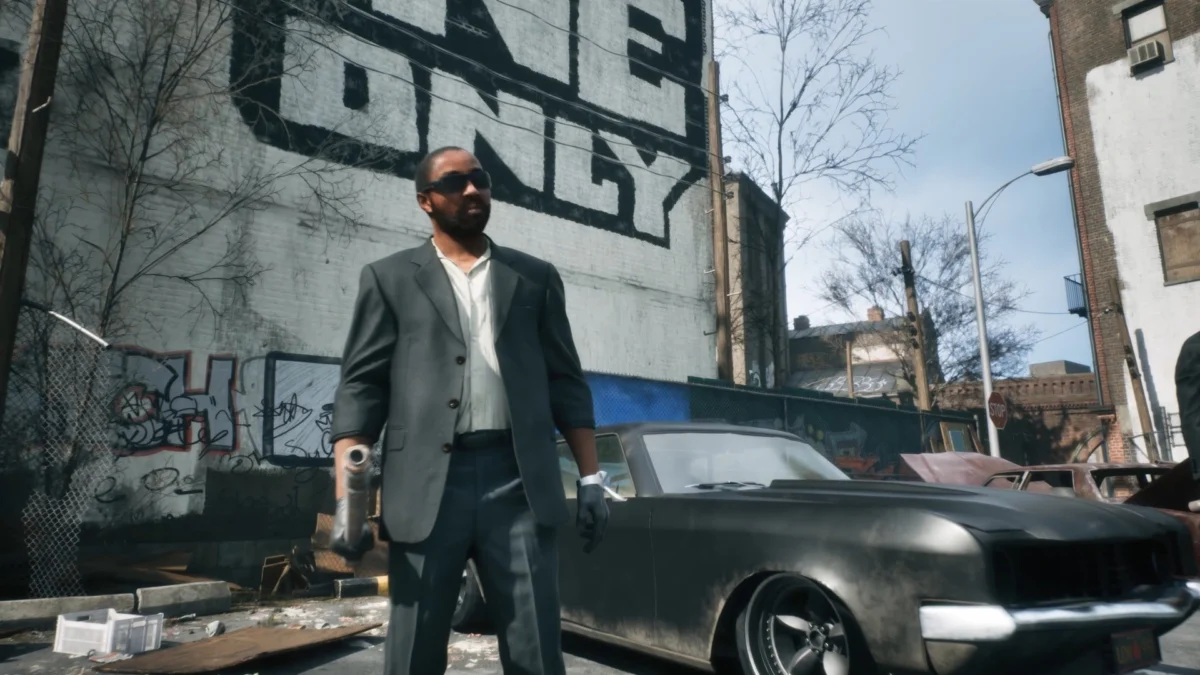
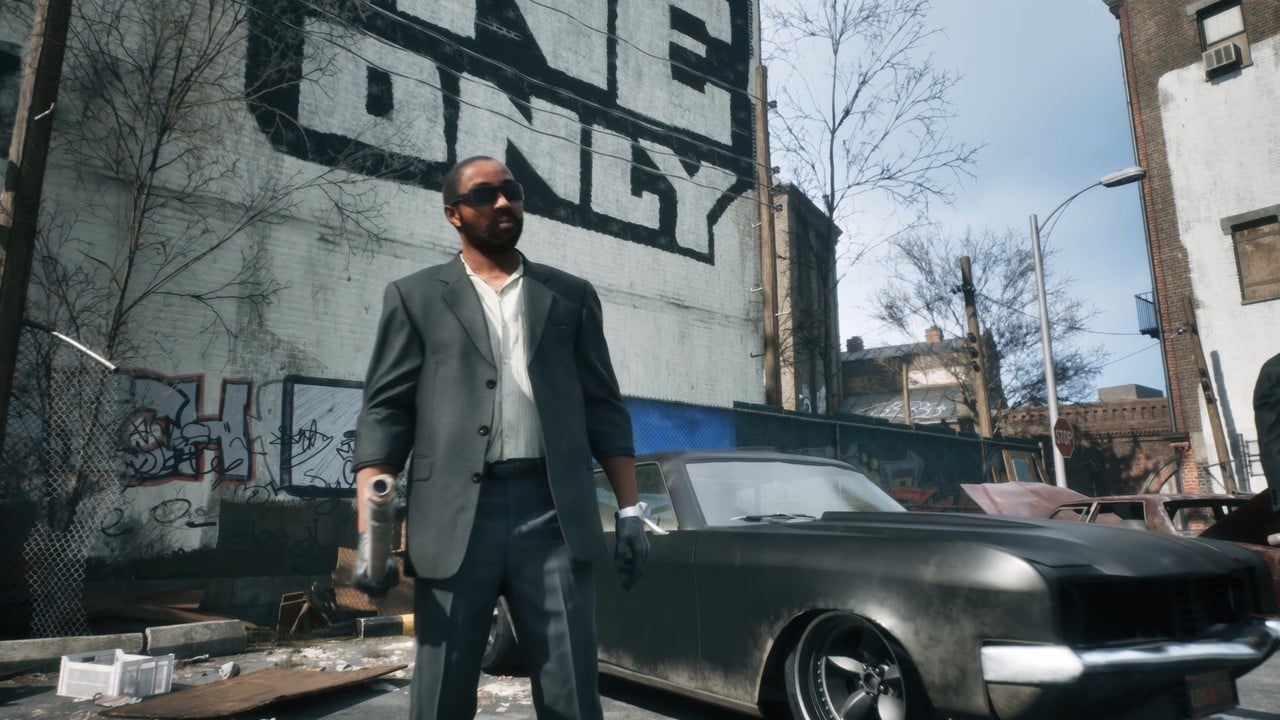
Samson – A Tyndalston Story (#17)
This title represents a resurgence of the gritty, urban brawler. Eschewing the fantastical elements common in many modern indies, Samson focuses on visceral, close-quarters combat and a grounded narrative set in the fictional streets of Tyndalston. Its success indicates a market for "hard-boiled" storytelling and tight, skill-based combat mechanics that prioritize positioning and timing over flashy special effects.
The Role of Technical Fidelity and Brand Recognition
A critical factor in the success of these titles—particularly NASCAR 26 and Control Resonant—is the emphasis on technical advancement. NASCAR 26 has leaned heavily into its partnership with iRacing, utilizing laser-scanned assets to ensure track accuracy. For the racing community, this level of authenticity is a primary driver of sales. The inclusion of "The Chase" mode and cross-play functionality further broadens its appeal, allowing it to compete with more generalized racing titles.
Similarly, Control Resonant and RuneScape Dragonwilds continue to perform well by building upon established legacies. Control Resonant benefits from the high critical pedigree of the original Remedy Entertainment title, offering an expanded or refined take on its signature "New Weird" aesthetic and telekinetic combat. These titles serve as the bridge between the experimental indie releases and the massive AAA blockbusters, providing a sense of reliability for consumers who are wary of unproven IPs.
Broader Implications for the Xbox Ecosystem
The current state of the Top Paid charts carries several implications for the future of digital distribution on Xbox. First, it demonstrates that the "Discovery" problem—a common complaint among indie developers—is being mitigated by a combination of seasonal timing and genre-specific demand. When a game like Gladio Mori, a physics-driven gladiator simulator, can reach #45 without a massive traditional marketing campaign, it suggests that the Xbox Store’s organic visibility mechanisms are functioning effectively for unique gameplay concepts.
Second, the success of Valheim and Halloween: The Game reinforces the importance of the "Event" release. Whether it is a major version update (1.0) or a seasonal tie-in (October/Halloween), these milestones create a sense of urgency that translates directly into sales. This is a vital lesson for developers planning their release windows in an increasingly crowded marketplace.
Finally, the presence of titles like Active Matter and Samson highlights a shift toward more mature, tactically demanding experiences. While the "Most Played" charts are often skewed toward younger demographics playing free-to-play titles, the "Top Paid" charts reveal the spending habits of a demographic willing to invest in premium, often more difficult, gaming experiences.
Conclusion and Future Outlook
As October progresses, it is expected that horror-themed titles will maintain their momentum, while the arrival of late-month blockbusters may eventually push some of the lower-ranked indies off the list. However, the current performance of the "surprising six"—Halloween, Valheim, Active Matter, Samson, NASCAR 26, and Gladio Mori—serves as a testament to the diversity of the Xbox platform.
Microsoft’s ongoing strategy of balancing its Game Pass subscription service with a traditional transactional storefront appears to be creating a healthy environment where both models can coexist. For independent developers, the lesson of early October is clear: there is a significant audience on Xbox looking for something beyond the annual franchise updates, provided the game offers a distinct mechanical hook or a timely thematic connection. The charts as they stand today are a snapshot of a marketplace that is increasingly defined by player choice and a willingness to explore the unconventional.