


The Strategic Pivot to Independence
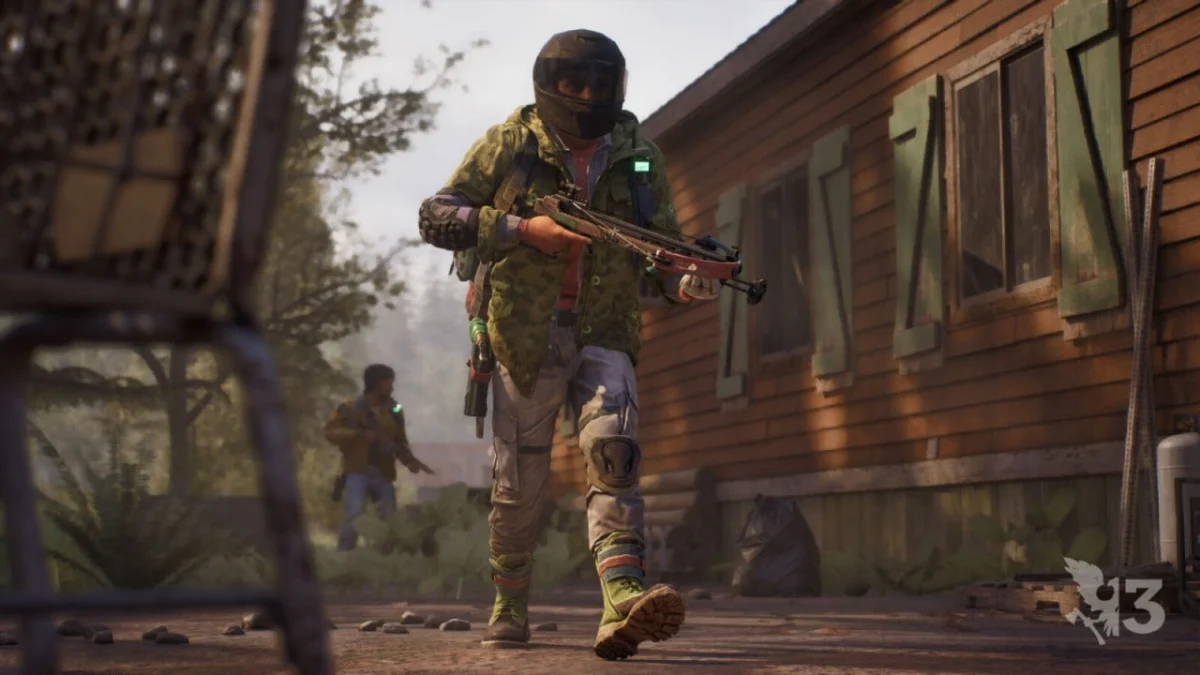
The recent announcement that Undead Labs has transitioned to an independent studio marks a significant shift in the landscape of Xbox’s internal development structure. Originally acquired by Microsoft in 2018 following the success of the first two entries in the State of Decay series, the studio spent six years under the Xbox Game Studios umbrella. The move back to independence comes at a time of broader industry consolidation and internal restructuring within Microsoft’s gaming division, which has seen both high-profile acquisitions and the closure of several notable studios.
According to studio leadership, the transition was designed to "save" the studio’s unique culture and operational agility while maintaining a robust publishing partnership with Xbox. While the studio is no longer a wholly-owned subsidiary, the intellectual property rights and publishing agreements for State of Decay 3 remain firmly tied to the Microsoft platform. This hybrid model allows Undead Labs to operate with the autonomy of an indie developer while retaining the massive marketing and distribution reach of a platform holder. However, this transition has not been without its costs; the studio recently underwent a round of layoffs, which Holt described as "total heartbreak," as the organization rescoped its internal structure to fit its new independent status.
Data Analysis: The Game Pass Retention Phenomenon
The decision to launch State of Decay 3 on Game Pass is informed by nearly a decade of performance data from State of Decay 2. In a recent industry briefing, Philip Holt highlighted the specific metrics that make the subscription model attractive for a survival-sim title. While many games on the service experience a "spike and fade" pattern—where a massive influx of players at launch quickly dissipates—State of Decay 2 has demonstrated an unusual level of "stickiness."
Internal metrics reveal that several thousand new players continue to download State of Decay 2 every day, years after its 2018 release. More significantly, the retention rates are outliers in the industry: approximately 50% of the game’s monthly active users (MAUs) have been playing for nearly two years, while 25% of the current player base has remained active for more than five years.
Holt acknowledges that the service facilitates a high "churn rate" initially—referring to players who try the game for free and decide it is not for them—but argues that this is an essential part of the discovery process. By removing the $40 to $60 barrier to entry, Game Pass allows the studio to "capture" a specific subset of players who eventually become "franchise fans." These fans represent a dedicated community that provides constant feedback, populates servers for multiplayer, and eventually drives interest in sequels and related content.
Chronology of the State of Decay Franchise
To understand the stakes of State of Decay 3, it is necessary to examine the franchise’s trajectory over the last decade:
- June 2013: The original State of Decay launches on Xbox 360 as an Xbox Live Arcade title. It becomes a sleeper hit, praised for its permadeath mechanics and base-building systems.
- May 2018: State of Decay 2 launches on Xbox One and Windows PC. Despite mixed critical reviews regarding technical polish, it attracts millions of players via Game Pass.
- June 2018: Microsoft officially announces the acquisition of Undead Labs during E3, bringing the studio into the first-party fold.
- July 2020: State of Decay 3 is officially announced with a cinematic trailer during the Xbox Games Showcase, though no gameplay is shown.
- 2021–2023: Undead Labs continues to support State of Decay 2 with massive updates, including the "Juggernaut Edition" and various graphical overhauls, maintaining a steady player base.
- Late 2024: Undead Labs announces its return to independent status while confirming a 2027 release window for the third installment.
Technical Ambitions and the Four-Player Shared World
The primary investment for State of Decay 3 is a radical expansion of the series’ multiplayer capabilities. While previous entries featured co-op play, it was often limited by "tethering" mechanics or a lack of true persistence for visiting players. For the third entry, Undead Labs is focusing on a "four-player co-op shared world."
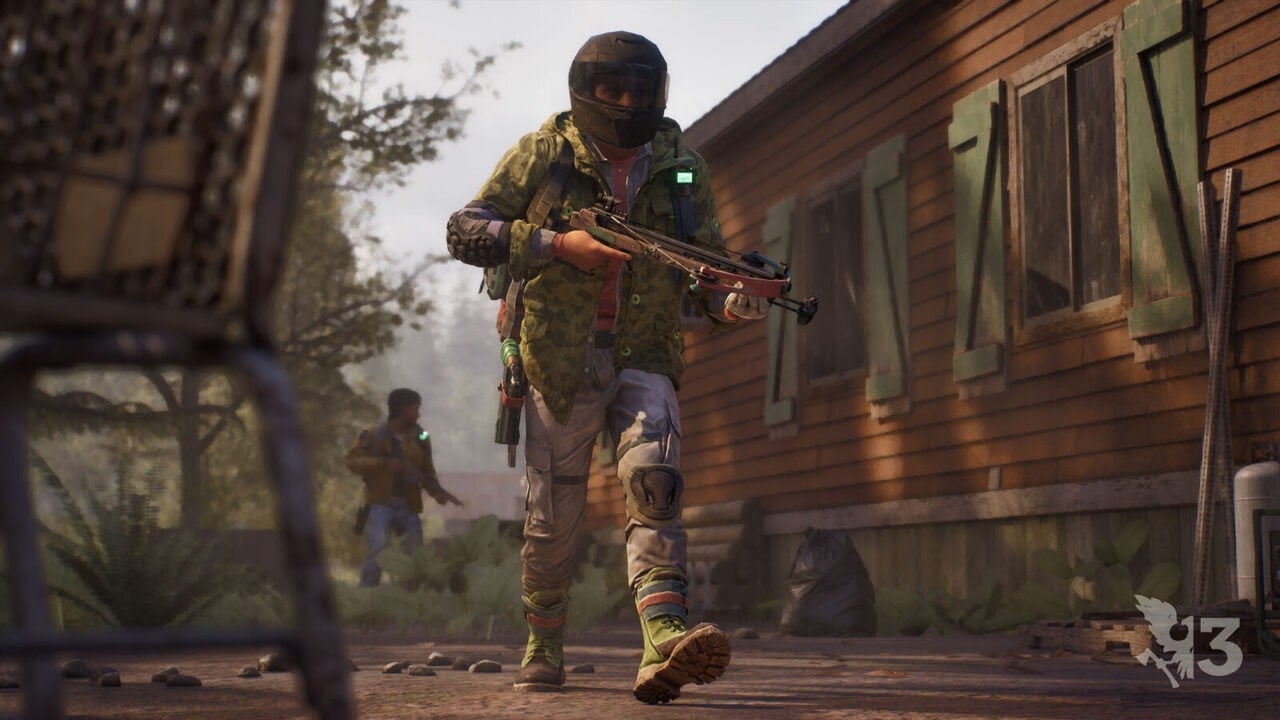
This architectural shift is intended to transform the game into a social platform. In this model, the Game Pass audience acts as a critical mass of potential collaborators. The studio’s theory is that a large, low-barrier-to-entry audience on Game Pass will lead to organic growth: a player discovers the game on the service, invites friends (who may be on other platforms via cross-play), and creates a self-sustaining ecosystem of engagement.
To achieve this technical leap, Undead Labs is utilizing three separate co-development teams. This collaborative approach is designed to provide the specialized engineering talent required for a shared-world environment without overextending the core studio’s headcount. Despite the recent corporate transition and layoffs, Holt confirmed that the game has not required a "radical rescope," suggesting that the vision for a more ambitious, open-ended survival experience remains intact.
Industry Context: The Value of "Forever Games"
The strategy employed by Undead Labs reflects a broader trend in the gaming industry toward "forever games"—titles designed to be played for hundreds or even thousands of hours. In the current economic climate, where the cost of AAA development can exceed $200 million, studios are increasingly looking for ways to ensure long-term revenue and engagement rather than relying solely on a single-week sales burst.
For Microsoft, keeping State of Decay 3 on Game Pass serves a dual purpose. First, it provides a "sticky" title that keeps subscribers paying their monthly fees. Survival games, with their inherent loops of scavenging, building, and defending, are perfectly suited for subscription models because they are rarely "finished" in the traditional sense. Second, it maintains the brand’s association with a unique genre—the "community survival" sim—which has few direct competitors in the console space.
Industry analysts suggest that the 2027 release window is strategic. By then, the current console generation (Xbox Series X/S) will be in its twilight years, and a high-fidelity, high-retention title like State of Decay 3 could serve as a vital bridge to the next generation of hardware.
Implications for the Survival Horror Genre
The continued success and expansion of State of Decay signify a shift in the survival horror genre away from linear, scripted experiences and toward systemic, emergent gameplay. The "capture" that Holt speaks of is a result of the game’s ability to generate unique stories for every player—a survivor dying in a botched supply run, or a base being overrun due to poor resource management.
By leveraging Game Pass to build a massive, long-term audience, Undead Labs is positioning State of Decay 3 to be more than just a sequel; it is being built as a persistent service. The studio’s ability to maintain high retention over five years with State of Decay 2 suggests that there is a significant appetite for this type of gameplay.
As Undead Labs moves forward as an independent studio, the industry will be watching closely to see if this model of "independence via partnership" becomes a blueprint for other mid-sized developers. For now, the focus remains on 2027. If the studio can successfully translate its high retention rates from the second game into a massive shared-world experience for the third, State of Decay 3 may well become the definitive survival title of its era, capturing its audience for another decade to come.