


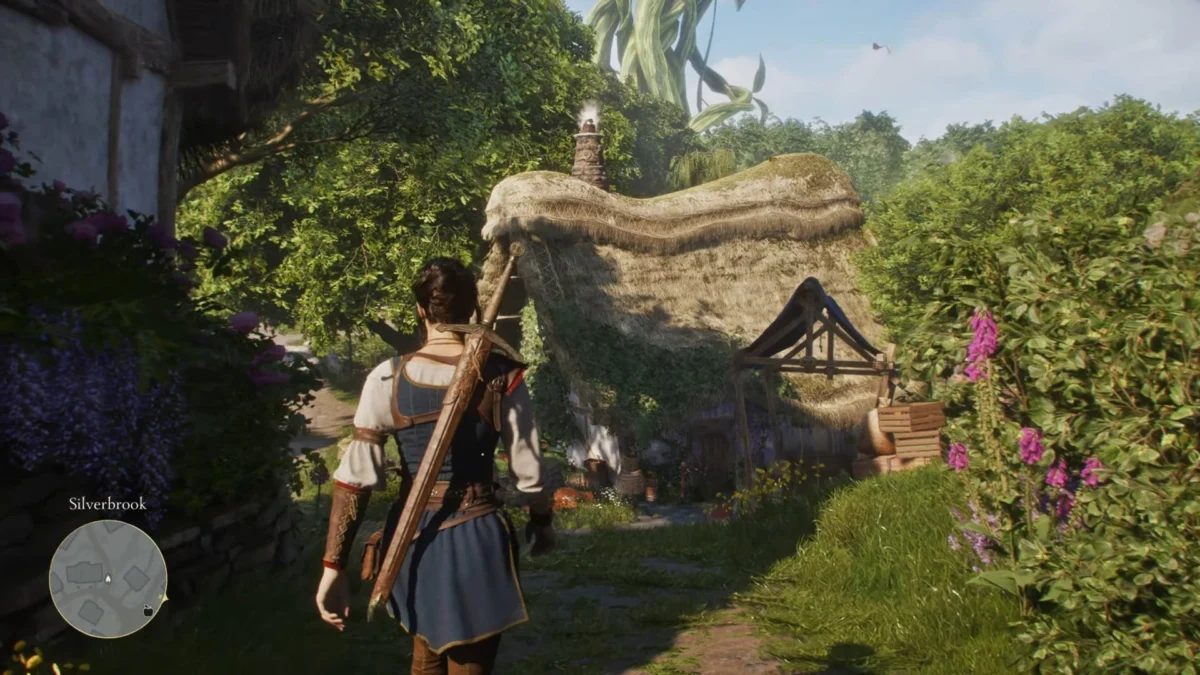
Microsoft’s ambitious reboot of the beloved Fable franchise, currently under development by Playground Games, is set to receive a significant boost in its visual storytelling capabilities through an unexpected yet strategically sensible collaboration. Xbox executive Matt Booty recently revealed that Blizzard Entertainment’s renowned cinematics team is actively assisting Playground Games with the development of the upcoming role-playing game (RPG), specifically focusing on its cinematic sequences. This inter-studio partnership underscores Microsoft’s broader strategy of fostering synergy and resource sharing across its expanding portfolio of gaming studios, aiming to elevate the quality and efficiency of its flagship titles.
The revelation came during a segment on the Official Xbox Podcast, where Matt Booty, Head of Xbox Game Studios, discussed the increasing trend of collaboration within Microsoft’s diverse network of development teams. Booty stated, "We’ve really seen a lot – once we build those connections – of teams starting to share things with each other. […] the Blizzard cinematics team is helping out on Fable [for example]." This statement provides a concrete example of Microsoft’s efforts to leverage specialized expertise across its various acquisitions, including the recent integration of Activision Blizzard King. The move is particularly noteworthy given Playground Games’ primary background in the critically acclaimed Forza Horizon racing series, marking a significant genre shift with Fable.
The Fable Legacy: A Storied Franchise’s Return
The Fable series holds a unique and revered place in the history of Xbox gaming. Originally conceived by Peter Molyneux and developed by Lionhead Studios, the franchise launched in 2004 with the first Fable title, quickly captivating players with its whimsical fantasy setting, moral choice system, and British humor. The series continued with Fable II (2008) and Fable III (2010), both expanding on the core tenets of character progression, dynamic world interactions, and emergent storytelling. Lionhead Studios, however, faced challenges in subsequent years, leading to the cancellation of Fable Legends and the eventual closure of the studio in 2016, leaving the future of the franchise uncertain.
For years, fans clamored for a revival, and their wishes were answered at the Xbox Games Showcase in July 2020 with the announcement of a new Fable title. This reboot, developed by Playground Games, signals Microsoft’s commitment to bringing back one of its most iconic intellectual properties. The announcement trailer, while brief, hinted at a vibrant, magical world retaining the series’ characteristic charm. However, details regarding the game’s mechanics, narrative, and exact release timeline have remained relatively scarce, fueling both anticipation and speculation within the gaming community. The pressure on Playground Games is immense, as they are tasked not only with delivering a modern AAA RPG but also with honoring the legacy of a franchise cherished by millions while simultaneously innovating for a new generation.
Playground Games: From Racing Apex to RPG Realms
Playground Games has established itself as a titan in the open-world racing genre. Founded in 2010, the British developer quickly rose to prominence with the Forza Horizon series, which debuted in 2012. Each subsequent iteration—Forza Horizon 2, 3, 4, and 5—has been met with widespread critical acclaim, often lauded for its stunning graphics, expansive open-world environments, intuitive driving mechanics, and innovative seasonal content. The studio’s expertise lies in crafting highly detailed, technically polished worlds that are a joy to explore, coupled with robust engine development that pushes the boundaries of graphical fidelity on Xbox platforms.
However, developing a sprawling fantasy RPG like Fable represents a significant departure from their established track record. While both genres demand technical excellence in world-building and visual presentation, the core design principles, narrative structures, character development systems, and indeed, the emphasis on cinematic storytelling, are vastly different. Racing games typically prioritize immediate gameplay loops, environmental immersion, and mechanical precision. RPGs, especially those with a rich narrative tradition like Fable, require intricate lore, compelling character arcs, extensive dialogue systems, and, crucially, high-quality cinematics to convey pivotal story moments, emotional beats, and grand set pieces. This transition from the "Forza Horizon engine/workflow to Fable," as implied by industry observers, is a substantial undertaking, making external support in specialized areas a logical and strategic decision.
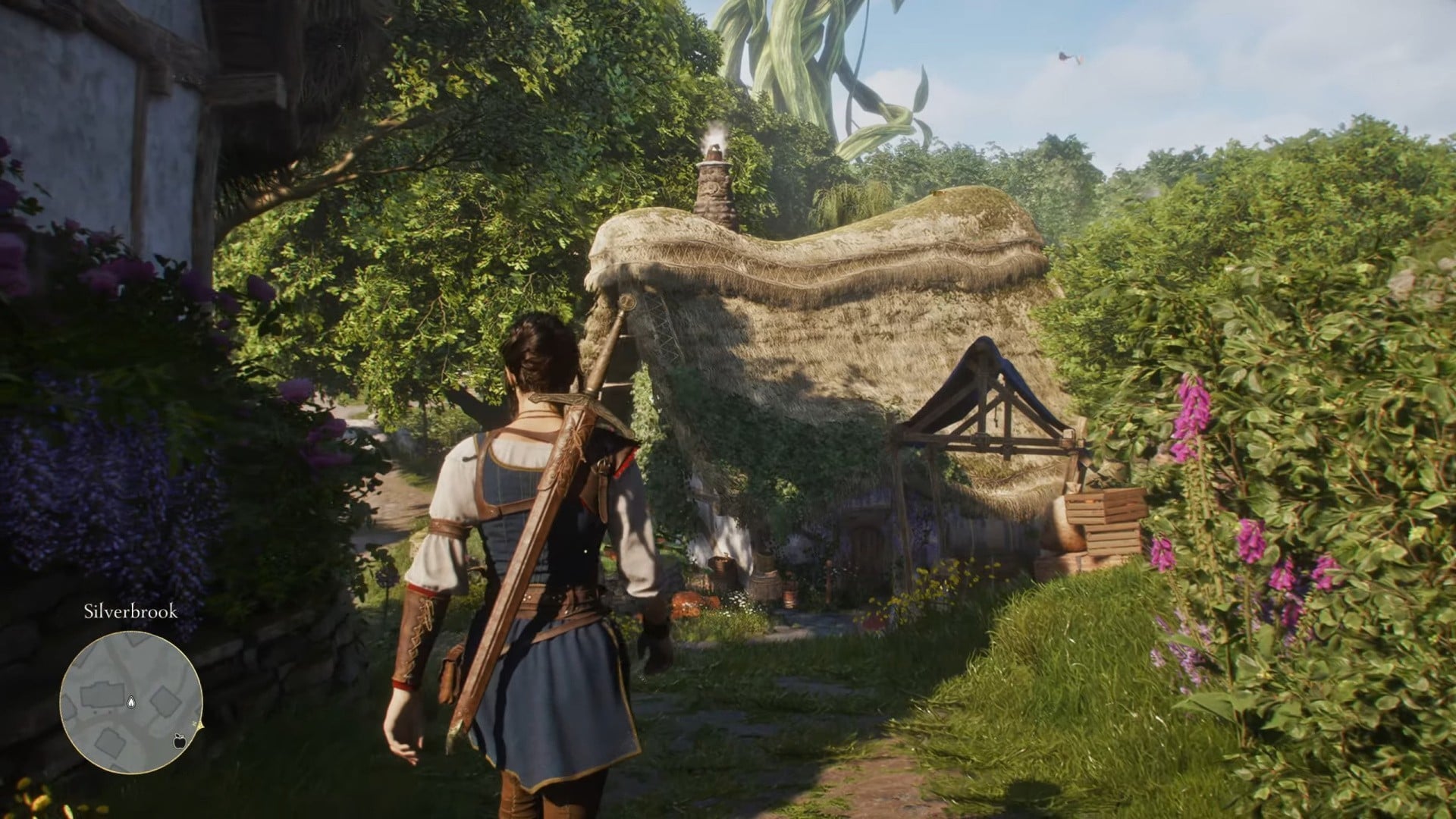
Blizzard’s Cinematic Prowess: A Legacy of Visual Storytelling
The involvement of Blizzard Entertainment’s cinematics team is a testament to their unparalleled reputation in the video game industry for producing some of the most visually stunning and emotionally resonant cutscenes. For decades, Blizzard has set a benchmark for in-game and pre-rendered cinematics, often rivaling the quality of feature film animation studios. Their work on franchises such as Warcraft, StarCraft, Diablo, and Overwatch has not only served to advance their narratives but has also become an integral part of their brand identity and a major draw for players.
Blizzard’s dedicated cinematic department is known for its meticulous attention to detail, sophisticated animation, masterful direction, and evocative storytelling. From the iconic opening sequences of Warcraft III to the intense character introductions in Overwatch and the chilling narrative exposition in Diablo IV, Blizzard’s cinematics often transcend mere transitions, becoming powerful narrative tools that deepen player immersion and connection to the game’s universe. The studio employs a vast array of talent, including concept artists, modelers, animators, lighting specialists, and directors, all working in concert to create these brief yet impactful visual masterpieces. Their expertise extends beyond technical execution, encompassing a deep understanding of pacing, emotional resonance, and visual language crucial for effective storytelling. Bringing this caliber of cinematic craftsmanship to Fable could significantly elevate the game’s presentation, ensuring that its key narrative moments are delivered with maximum impact and fidelity.
Microsoft’s Strategic Vision: Fostering Cross-Studio Synergy
This collaboration between Playground Games and Blizzard Entertainment is a prime example of Microsoft’s broader strategic vision for its Xbox Game Studios ecosystem. Following the acquisition of ZeniMax Media (Bethesda Softworks) in 2021 and the monumental acquisition of Activision Blizzard King in 2023, Microsoft now commands an unprecedented array of development talent and intellectual properties. A core tenet of their post-acquisition strategy has been to foster greater collaboration and resource sharing among these diverse studios.
Matt Booty and other Xbox leadership have frequently articulated the goal of breaking down silos between studios, encouraging teams to share technology, expertise, and even personnel where beneficial. This approach aims to maximize efficiency, enhance quality, and accelerate development cycles across the entire Xbox portfolio. For instance, various Xbox Game Studios have previously lent support to projects like Halo Infinite, demonstrating a willingness to pool resources for critical titles. The Fable/Blizzard partnership is a significant public affirmation of this strategy, showcasing how specialized teams, even from newly acquired entities, can contribute to the success of long-standing Xbox franchises. This synergy not only potentially streamlines development by offloading specialized tasks to experienced teams but also facilitates knowledge transfer, allowing Playground Games to potentially learn and integrate new cinematic techniques into their future projects. From a business perspective, it represents a shrewd utilization of internal resources, potentially reducing the need for external contractors and consolidating expertise within the Microsoft family.
Fable’s Development Journey: Anticipation Amidst Challenges
The development of a major AAA RPG is a complex and often protracted process, and Fable appears to be no exception. Since its announcement in 2020, updates have been infrequent, building considerable anticipation but also leading to occasional rumors regarding its progress. The original article mentions "recent rumours of an internal delay," a common occurrence in large-scale game development. While Playground Games was quick to address these whispers, reiterating that an "Autumn 2026" release is still on the cards, the very existence of such rumors highlights the challenging nature of managing expectations for a highly anticipated title.
Cinematics, while often integrated throughout development, typically receive significant attention in the later stages, as they often rely on finalized character models, environments, and voice acting. Having Blizzard’s team assist specifically with this aspect could indicate that Playground Games is progressing well into the narrative and visual polish phases, or it could be a strategic decision to front-load certain high-quality assets. Regardless, the involvement of a specialized team suggests a concerted effort to ensure the game’s presentation meets the highest standards, crucial for an RPG where narrative delivery is paramount. The 2026 target, if met, would place Fable in a competitive release window, and its success will depend heavily on its ability to deliver on both gameplay innovation and compelling storytelling, supported by top-tier visual fidelity.
Implications for Fable and the Xbox Ecosystem
The collaboration between Playground Games and Blizzard Entertainment carries several significant implications for Fable and the broader Xbox ecosystem.

Elevated Quality: The most immediate and apparent benefit is the potential for Fable to feature industry-leading cinematics. Given Blizzard’s track record, players can expect meticulously crafted cutscenes that enhance the game’s narrative depth, emotional impact, and overall immersion. This directly addresses a critical component of modern RPGs, where storytelling is often intertwined with high-quality visual presentation.
Development Efficiency: By delegating a specialized task like cinematic production to an expert team, Playground Games can potentially streamline its development process. This allows their core team to focus on their primary strengths—open-world design, gameplay mechanics, character progression, and overall RPG systems—without diverting resources or expertise to an area that might not be their core competency. This division of labor can lead to a more efficient and focused development cycle.
Reinforced Brand Perception: For Microsoft, this collaboration serves as a powerful demonstration of its commitment to quality and its ability to leverage its vast internal resources. It sends a clear message to players and the industry that Xbox is serious about delivering premium, first-party experiences and that its studio acquisitions are leading to tangible benefits in game development.
Industry Trendsetter: This partnership could also signal a broader trend in the AAA game development landscape. As games become increasingly complex and expensive to produce, cross-studio collaboration for specialized tasks may become a more common and necessary strategy. Publishers with large internal studio networks are uniquely positioned to exploit this model, potentially leading to higher quality games developed more efficiently.
Player Expectations: For fans of Fable, this news is likely to be met with optimism. The prospect of a Fable game that not only captures the series’ whimsical charm and choice-driven gameplay but also boasts Blizzard-level cinematics is a compelling proposition. It raises the bar for what players can expect from the narrative presentation of the reboot, aligning it with the visual standards of contemporary AAA titles.
The Road Ahead: What This Means for Players
As Fable inches closer to its anticipated Autumn 2026 release, the involvement of Blizzard’s cinematic team adds a new layer of excitement and reassurance. This strategic partnership underscores Microsoft’s commitment to investing heavily in its first-party titles, utilizing the collective strength of its diverse studio portfolio. While the full extent of Blizzard’s contribution remains to be seen, the promise of "shiny, shiny cinematics" from a team renowned for its visual storytelling prowess is a strong indicator that Playground Games is aiming to deliver a Fable experience that is not only mechanically robust but also visually spectacular and narratively engaging. The journey of Fable’s reboot continues to be one of high anticipation, now with the added intrigue of a powerful cross-studio alliance working to bring Albion’s magic to life with unparalleled visual flair.