


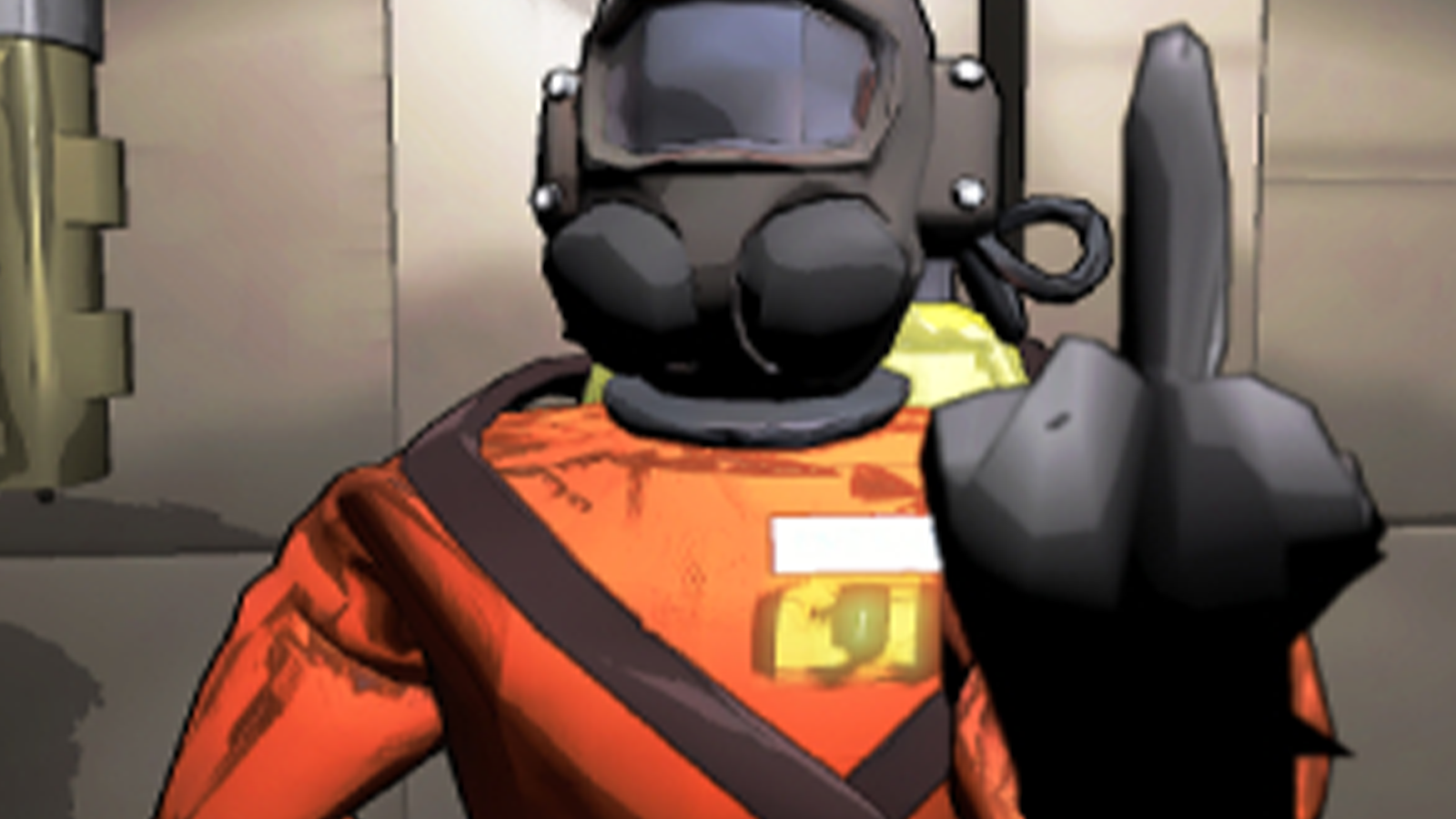
The indie horror game landscape is currently experiencing a significant and arguably detrimental shift, characterized by a burgeoning trend that some are derisively labeling "friendslop." This phenomenon, fueled by the immense popularity of titles like Lethal Company, has led to a proliferation of games that prioritize viral potential and co-operative antics over sustained atmospheric dread and genuine psychological terror. While the appeal of shared scares with friends is undeniable, this wave of content risks diluting the very essence of what makes horror games compelling, potentially leading to a market oversaturated with derivative experiences lacking long-term creative vision.
The Genesis of a Trend: From Amnesia to Lethal Company
The roots of this evolution in indie horror can be traced back to pivotal moments in the genre’s history. The early 2010s saw a surge in indie horror’s visibility, largely propelled by prominent YouTubers. The "Let’s Play" phenomenon, epitomized by PewDiePie’s playthrough of Frictional Games’ Amnesia: The Dark Descent in 2010, introduced a massive audience to the unique terrors of independent development. This was followed by the unprecedented viral success of Scott Cawthon’s Five Nights at Freddy’s series, which demonstrated the power of simple mechanics, jump scares, and an enigmatic lore to capture global attention.
Over the ensuing decade, the correlation between a game’s virality and its commercial success in the indie space became increasingly pronounced. Developers began to recognize that content creator engagement, driven by shareable moments and streamer-friendly gameplay, could be a more potent marketing tool than traditional critical acclaim or word-of-mouth. This paved the way for Lethal Company, developed by Zeekerss, which launched in early access in October 2023.
Lethal Company: A Catalyst for Co-op Chaos
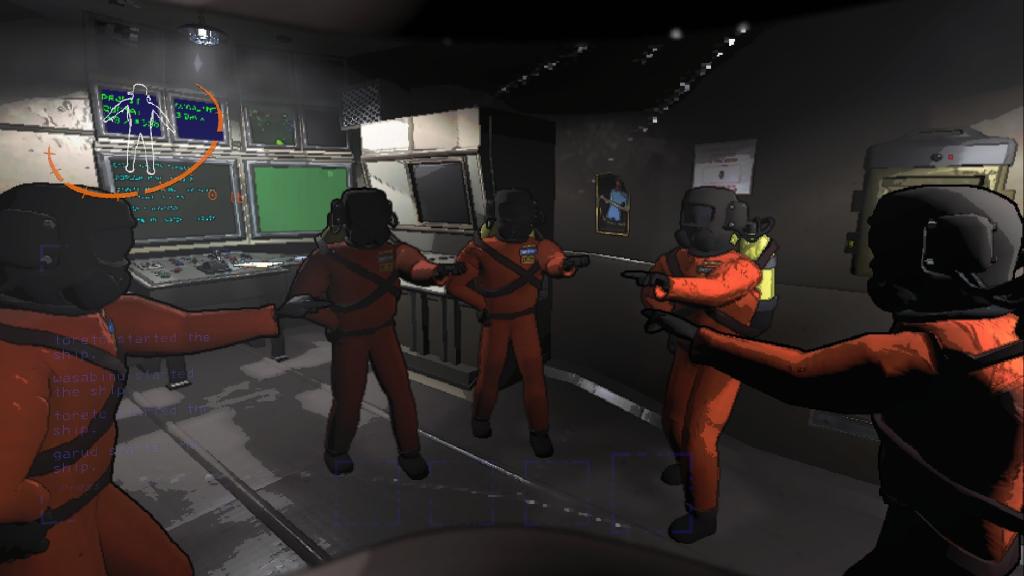
Lethal Company quickly ascended to stardom, lauded for its potent blend of creeping dread, unpredictable AI-driven threats, and emergent humor born from its co-operative gameplay. The game’s core loop, involving scavenging for scrap on dangerous moons while managing dwindling resources and evading monstrous entities, proved exceptionally conducive to streaming and content creation. Its proximity voice chat feature, in particular, became a wellspring of hilarious and terrifying moments as players’ panicked calls were cut short by unseen horrors.
The game’s success was amplified by its frequent updates, which kept the player base engaged and provided fresh content for streamers. The addition of the "Company Cruiser" in July 2024, for instance, was a significant development that further cemented its popularity. However, it was precisely this success that inadvertently set a new benchmark, inspiring a wave of imitators.
The Rise of R.E.P.O. and the "Friendslop" Formula
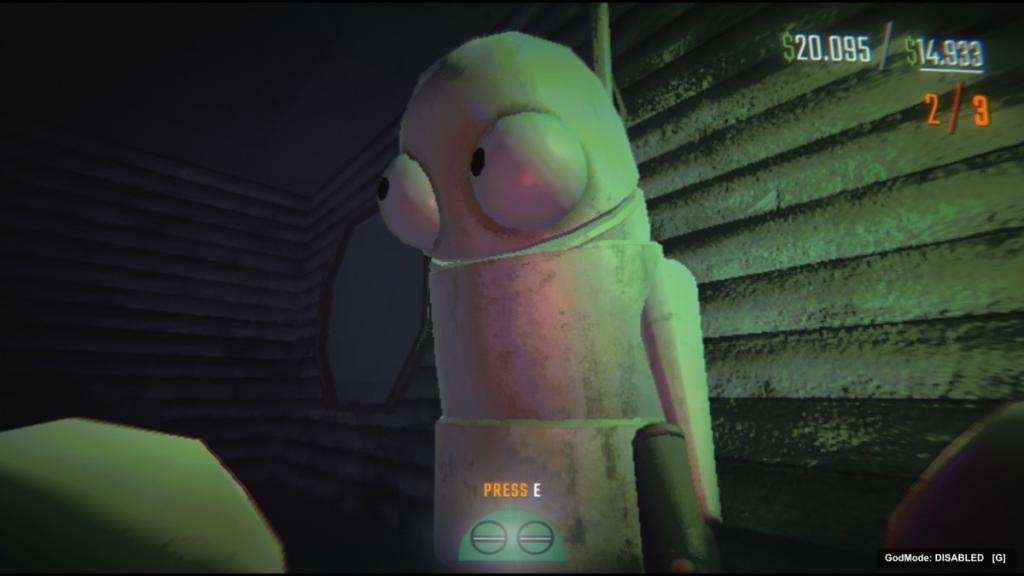
Following in Lethal Company‘s wake, games like R.E.P.O. have emerged, often sharing significant mechanical and thematic similarities. While R.E.P.O. has been noted for retaining a distinct identity through its charming "semibots" and psychic-based mechanics, it also heavily leaned into the co-operative, viral-friendly gameplay loop that Lethal Company popularized. This, coupled with its own consistent update schedule, propelled it to the forefront of the genre.
This phenomenon mirrors historical trends in game development, such as the impact of P.T., the playable teaser for the then-cancelled Silent Hills project. P.T.‘s innovative approach to psychological horror and its looping, environmental puzzle design directly inspired numerous subsequent titles, including Layers of Fear and Visage, effectively birthing a subgenre. However, the success of a groundbreaking title invariably leads to market saturation, as creators attempt to replicate its formula, sometimes to the detriment of originality.
The "Friendslop" Blueprint: A Recipe for Viral Success, Not Sustained Horror
The term "friendslop" encapsulates a perceived decline in the quality and originality of co-operative horror games, where the focus shifts from genuine scares to providing a platform for social interaction and meme-worthy moments. This blueprint often involves:
- Co-operative Gameplay: Designed for multiple players to experience together, fostering communication and shared reactions.
- Proximity Voice Chat: Enhances immersion and provides opportunities for emergent comedic or terrifying interactions.
- Viral-Friendly Moments: Mechanics or scenarios that are easily shareable on platforms like TikTok, YouTube, and Twitch.
- Simpler Mechanics: Often prioritizing accessibility and immediate fun over complex survival systems or intricate puzzle-solving.
- Frequent Updates: To maintain engagement and provide new content for content creators.
While these elements contribute to a game’s popularity, they can also lead to a dilution of horror’s core tenets. Games like SCP: Containment Breach, which offered player autonomy, intricate level design, and multiple endings, stand in contrast to many contemporary co-op horror titles that, while entertaining, may lack the depth and lasting impact.
A Flood of Derivatives: Murky Divers, YAPYAP, and Beyond
The market has seen an influx of titles attempting to capitalize on this trend, including Murky Divers, Nuclear Nightmare, Emissary Zero, Forsaken Frontiers, PILGRIM, and YAPYAP, among many others. These games often share striking resemblances, presenting variations on the same theme with little innovation. The critical failing of many of these derivatives lies in their bugginess and lack of polish, suggesting a rush to market driven by the desire for viral exposure rather than a commitment to delivering a quality product.
The issue is not necessarily the concept of co-operative horror itself. Titles like Phasmophobia and Lethal Company have demonstrated that it can be executed effectively. However, the "friendslop" model often prioritizes the idea of virality over the substance required to achieve it organically. Developers may adopt the formula without the underlying creativity or technical expertise to execute it compellingly.
The Erosion of True Horror
The consequence of this trend is a potential erosion of what makes horror truly effective. When the primary source of entertainment becomes the banter between friends or the comedic reactions of a streamer to glitches and bugs, the game itself often ceases to be scary. The inherent danger and tension that defines the horror genre are supplanted by a reliance on external entertainment value.
This mirrors the problematic shift observed in Outlast‘s transition to Outlast Trials. While Trials offered a co-op experience, it arguably lost the claustrophobic, isolating terror that made the original so impactful, a terror heavily reliant on the found-footage mechanic and the vulnerable perspective of the camcorder.
The Implications for the Indie Horror Market
The current trajectory of "friendslop" has several significant implications for the indie horror market:
Short-Term Gains, Long-Term Stagnation
Many developers appear to be chasing fleeting viral fame rather than investing in the long-term development of unique and compelling experiences. The goal becomes a quick profit and a swift move to the next project, or worse, a complete disappearance from the development scene. This "churn" model, while potentially lucrative in the short term, can lead to a stagnant market lacking genuine innovation.
Player Attention and Expectations
Player attention spans, as evidenced across various media, are increasingly trained to accept mediocrity or to find entertainment in the imperfections of a product. The reliance on content creators to provide the "fun" through their reactions, rather than the game delivering it inherently, sets a dangerous precedent. When a game’s primary appeal lies in its bugs or its resemblance to more successful titles, it signals a decline in critical engagement with the game’s artistic and technical merits.
The Undervaluing of Core Horror Elements
This trend risks devaluing the fundamental elements that make horror games effective: atmospheric tension, psychological dread, intelligent enemy AI, and well-crafted level design. When the emphasis shifts to easily digestible, shareable moments, these crucial components can be sidelined or neglected entirely. The success of Lethal Company and R.E.P.O., while valid, should not overshadow the need for games that explore the full spectrum of fear.
The Appeal of Couch Co-op and Genuine Scares
There remains a significant appetite for genuine horror experiences, particularly those that can be shared. The nostalgic appeal of couch co-op, where friends huddled together to brave virtual nightmares, highlights a desire for shared vulnerability that extends beyond the online realm. The "friendslop" trend, while offering a form of shared entertainment, often misses the mark on delivering true, collaborative terror.
The Role of Developers and the Future of the Genre
While the pursuit of success is understandable, the current "friendslop" phenomenon raises questions about the creative integrity and long-term vision of some indie developers. The ease with which impressive graphics and engaging gameplay can be sidelined in favor of viral potential suggests a market driven more by immediate trends than by artistic ambition. The challenge for the indie horror genre lies in finding a balance between commercial viability and the preservation of its core identity—the ability to genuinely frighten and disturb players.
Ultimately, the success of games like Lethal Company demonstrates that compelling co-operative horror is achievable. However, the subsequent wave of "friendslop" titles risks commodifying this success, leading to a saturation of derivative experiences that prioritize viral moments over lasting impact. The future of indie horror hinges on developers continuing to push creative boundaries, even as the allure of easy virality persists. The question remains: will the market continue to reward superficial imitation, or will it champion developers who dare to craft truly original and terrifying experiences?