


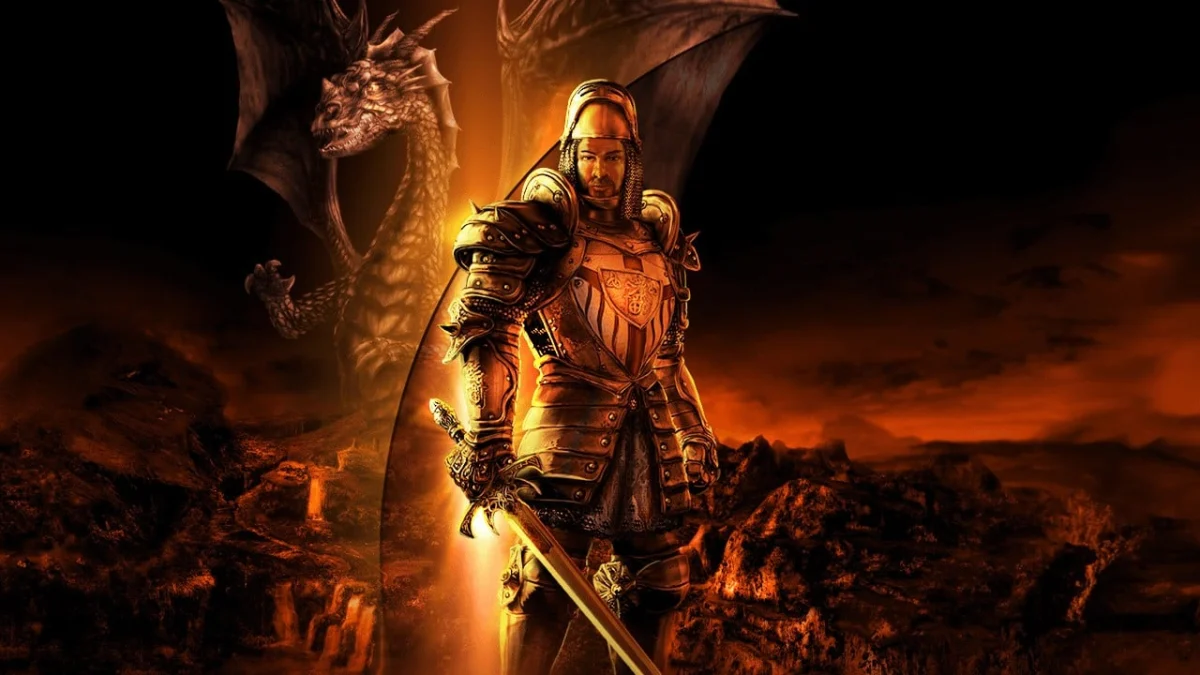
THQ Nordic has officially announced that the foundational entries of the Gothic franchise—Gothic Classic, Gothic 2 Complete Classic, and Gothic 3 Classic—are scheduled for release on Xbox consoles throughout the current calendar year. This move marks the first time the entire original trilogy will be available on Microsoft’s home console ecosystem, representing a significant expansion for a series that remained a PC exclusive for over two decades. Each title is set to retail at a price point of €29.99, with the release schedule strategically positioned to build momentum ahead of the highly anticipated Gothic 1 Remake, which is slated for a June release.
The announcement signals a concerted effort by THQ Nordic to revitalize the Gothic intellectual property, a cornerstone of the European action-RPG genre. While the first two entries in the series recently made their console debuts on the Nintendo Switch in 2023, the upcoming Xbox ports represent a broader push to bring these cult classics to a modern audience utilizing more powerful hardware. For many players, this will be their first opportunity to experience the uncompromising difficulty and immersive world-building that defined the series’ reputation during the early 2000s.
A Detailed Chronology of the Gothic Franchise
The Gothic series, developed by the German studio Piranha Bytes, first arrived on the PC platform in 2001. At the time, it was recognized for its sophisticated artificial intelligence, reactive world, and a non-linear narrative structure that was ahead of its contemporaries. Gothic 1 introduced players to the "Nameless Hero," a prisoner cast into a massive magical penal colony known as the Barrier. The game’s success led to the development of Gothic 2 in 2002, which many critics and fans consider the pinnacle of the series. This sequel expanded the scope to the island of Khorinis and introduced the "Night of the Raven" expansion, which added significant depth to the lore and mechanics.
Gothic 3 followed in 2006, aiming for a vastly larger open-world experience encompassing the mainland of Myrtana. However, its initial launch was marred by technical instabilities and bugs, leading to a polarizing reception. Over the subsequent years, the game was largely rehabilitated by a dedicated community through extensive "Community Patches," which corrected many of the engine’s flaws. The upcoming "Classic" version for Xbox is expected to incorporate these refinements to ensure a stable experience for console users.
Until 2023, the series remained tethered to the PC environment. The transition began with the Switch ports of the first two games, and the forthcoming Xbox releases complete the migration of the original trilogy to the console market. This timeline culminates in June with the release of the Gothic 1 Remake, a ground-up reimagining of the first game developed by Alkimia Interactive.
Analyzing the Trilogy: From Penal Colonies to Open Worlds
The appeal of the Gothic trilogy lies in its "tough but fair" design philosophy. Unlike many modern RPGs that utilize procedural generation or level scaling, the Gothic games feature hand-crafted worlds where player progression is dictated by skill and knowledge rather than just statistical upgrades.
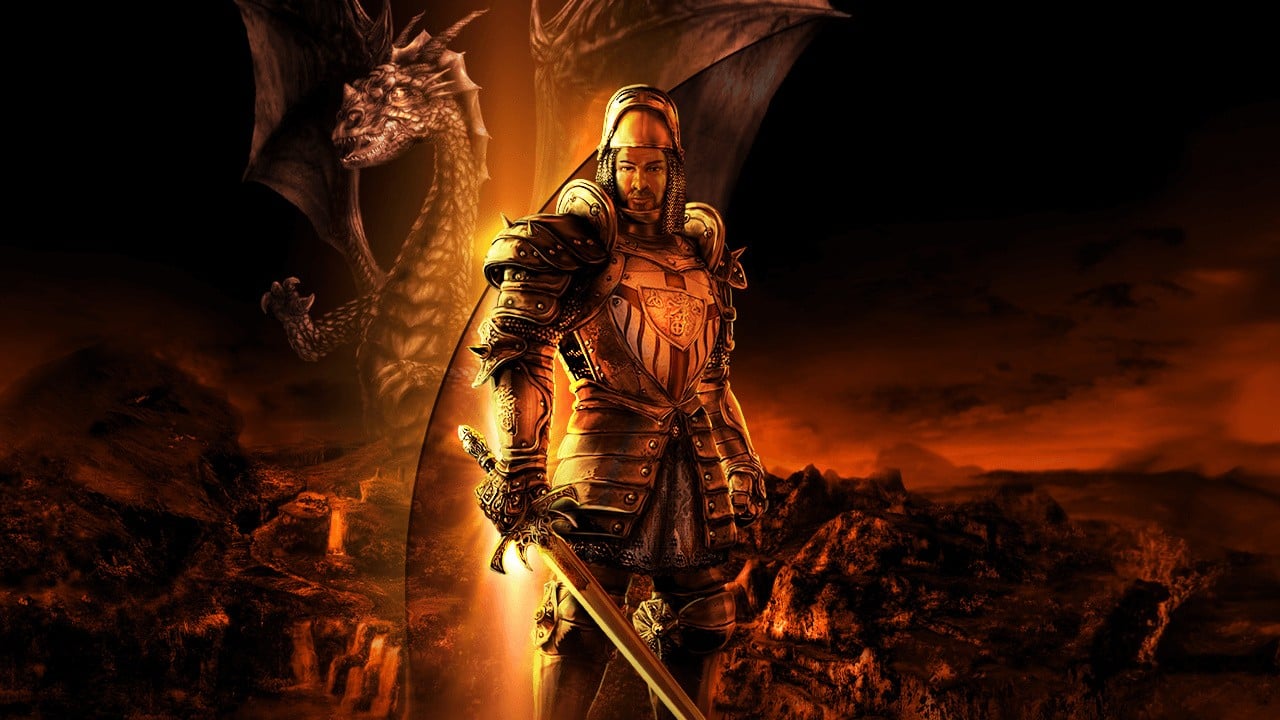
Gothic Classic (Gothic 1) centers on the three-camp system. Players must choose to align themselves with the Old Camp, the New Camp, or the Swamp Camp, each with its own political agenda and social hierarchy. The game’s AI was revolutionary for 2001, featuring NPCs with daily routines—working, eating, and sleeping—which added a layer of realism rarely seen at the time.
Gothic 2 Complete Classic includes the base game and the Night of the Raven expansion. This entry refined the combat system and expanded the map to include the Valley of Mines (the setting of the first game) and the new region of Jharkendar. The narrative stakes were heightened with the introduction of dragons and a more complex magical threat, cementing the series’ place in the RPG pantheon.
Gothic 3 Classic represents the series’ most ambitious departure. It removed the traditional loading screens of the era, offering a seamless continent divided among various factions, including Orc occupiers and human rebels. The Xbox port of Gothic 3 is particularly noteworthy as it marks the first time this specific engine has been optimized for a controller-based interface on a console platform.
The Gothic 1 Remake and Strategic Pre-order Incentives
Parallel to the release of the classic ports, THQ Nordic is preparing for the launch of the Gothic 1 Remake in June. This project is a significant investment for the publisher, aimed at modernizing the 2001 classic using Unreal Engine 5 while maintaining the dark, gritty atmosphere of the original. To bridge the gap between the old and the new, THQ Nordic has integrated a cross-promotional offer: customers who pre-order the Gothic 1 Remake on the Microsoft Store will receive Gothic Classic for free.
This strategy serves two purposes. First, it allows new players to experience the source material before diving into the high-fidelity remake. Second, it rewards long-time fans who wish to own the entire collection on a single platform. The Microsoft Store listing for the remake is already live, providing a clear path for consumers to secure their digital copies of both the legacy and modern versions of the game.
Technical Adaptations and Controller Integration
One of the primary challenges in bringing the Gothic trilogy to Xbox is the control scheme. The original PC releases were designed around keyboard-centric inputs; in fact, the first Gothic game famously did not support mouse-look in its original configuration. Porting these titles requires a complete overhaul of the user interface (UI) and the implementation of radial menus to accommodate the Xbox Wireless Controller.
THQ Nordic has indicated that the "Classic" versions are not merely emulated ports but are optimized to run natively on Xbox Series X|S hardware. This includes adjustments to the camera system, inventory management, and combat mechanics to ensure they feel intuitive for a console audience without compromising the mechanical depth of the original games. Enhanced resolution and more stable frame rates are also expected, providing a "definitive" way to play these titles on a television.

Broader Industry Impact and THQ Nordic’s Strategy
The release of the Gothic Trilogy on Xbox is indicative of a larger trend within the gaming industry: the preservation and monetization of "AA" (mid-budget) European RPGs. THQ Nordic, under the umbrella of the Embracer Group, has carved out a niche by acquiring dormant or cult-classic intellectual properties and giving them a second life on modern platforms.
By bringing Gothic to Xbox, THQ Nordic is tapping into a market segment that values deep, atmospheric role-playing experiences. This move also strengthens the Xbox library’s diversity, offering a hardcore alternative to more mainstream Western RPGs like The Elder Scrolls or Fable. The successful revitalization of the Gothic brand could pave the way for similar treatments of other Piranha Bytes properties, such as the Risen or ELEX series, further consolidating THQ Nordic’s position as a leader in the mid-tier RPG space.
Market Reception and Future Implications
The reaction from the gaming community has been largely positive, particularly among European players where the Gothic series maintains a status comparable to that of The Witcher or The Elder Scrolls. Industry analysts suggest that the staggered release of the classics, followed by the remake, is a calculated move to maximize the IP’s visibility.
The success of these ports will likely be measured not just in immediate sales, but in how well they prime the market for the Gothic 1 Remake. If the trilogy performs well on Xbox, it may encourage other publishers to look toward their back catalogs of early 2000s PC exclusives for potential console ports.
As the gaming landscape continues to see a rise in the popularity of remakes and remasters, the Gothic Trilogy stands as a test case for whether a series with a reputation for "clunky" but deep mechanics can find a sustainable audience on modern consoles. With the first title arriving as a pre-order bonus and the subsequent entries following shortly after, the remainder of the year looks to be a pivotal period for the legacy of the Nameless Hero. For Xbox players, the wait for one of the most influential RPG series in history is finally coming to an end.