


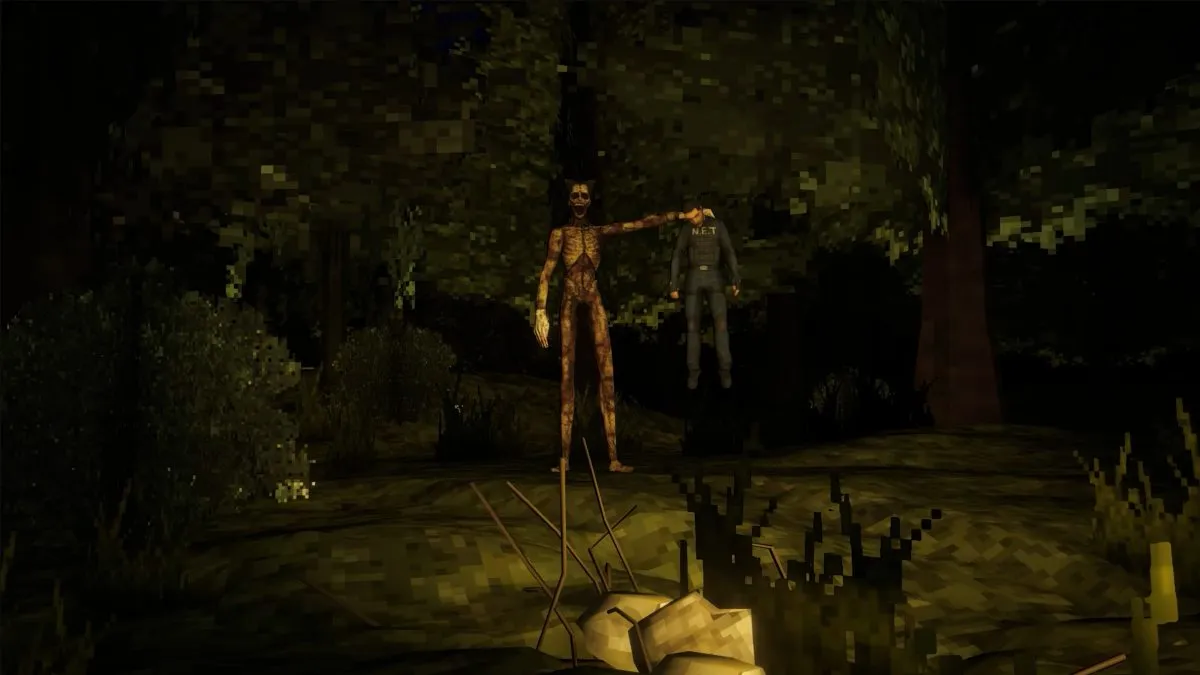
The hushed aisles of the convenience store in Shift at Midnight conceal more than just late-night snacks and forgotten essentials. A creeping dread permeates the gameplay, stemming from the insidious threat of doppelgangers and the terrifying entities they can transform into. This guide delves into the critical mechanics of identifying these imposters, understanding the otherworldly beings that stalk the night, and the strategies required for survival in this chilling simulation. As players are thrust into the role of a night shift worker, the mundane task of customer service quickly devolves into a desperate fight for survival against threats that blur the lines between human and monster.
The Shadowy Art of Doppelganger Identification
The core gameplay loop of Shift at Midnight hinges on the player’s ability to discern genuine customers from their sinister doppelganger counterparts. These doppelgangers are not mere look-alikes; they are insidious infiltrators, often possessing subtle yet crucial deviations from their human counterparts. Early detection is paramount, as failing to identify and apprehend a doppelganger can have dire consequences, potentially unleashing more formidable threats later in the shift or in subsequent gameplay.
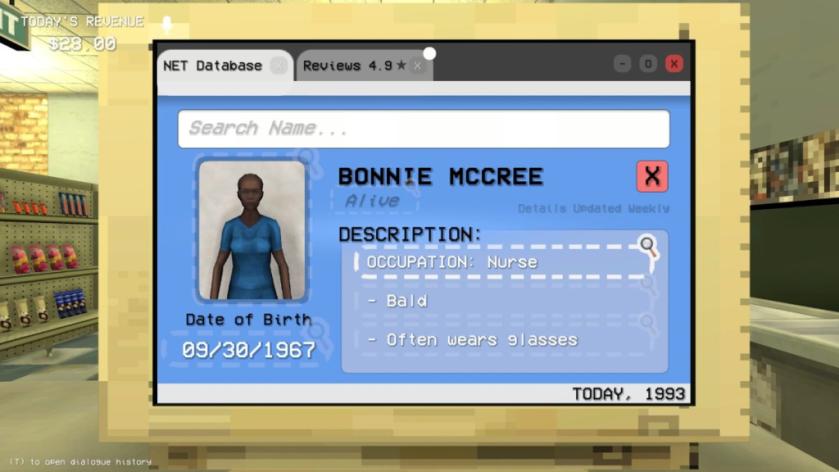
The identification process involves a multi-faceted approach, drawing parallels to real-world security protocols and the paranoia-inducing mechanics seen in similar survival horror titles like That’s Not My Neighbor. Players must meticulously scrutinize customer identification documents. This includes verifying the legitimacy of IDs, checking for the presence of a barcode, and cross-referencing the information provided by the customer with the data presented on their identification. Discrepancies in date of birth, occupation, or even physical appearance are red flags. For instance, a customer’s skin tone might not match that depicted on their ID, or they might exhibit a scar on the opposite side of their face compared to their official documentation.
Beyond the physical evidence, players must also engage with customers, posing questions about their personal details and occupation. Inconsistencies in their responses can reveal their true nature. A doppelganger might falter when asked about their job, or make claims about their appearance that contradict their ID. The game also presents more overt, albeit often bizarre, indicators. The original article alludes to a "well-mannered bear or a naked man rolling between the aisles" as examples of more noticeable signs. These outlandish scenarios serve as a stark warning that something is amiss, prompting immediate suspicion. The ultimate confirmation of a doppelganger’s presence, and a particularly grim one at that, is discovering that the individual you are serving is, in fact, deceased, as indicated by the game’s internal systems.
The consequences of misidentifying or allowing a doppelganger to pass through are significant. The game’s internal logic suggests that these spared individuals will return, not as customers, but as transformed entities, posing a direct threat to the player. Furthermore, their presence can embolden other supernatural entities that may visit the store after the player’s shift concludes. The randomized nature of the shifts ensures that the roster of potential doppelgangers is ever-changing, meaning players cannot rely on memorizing specific individuals; constant vigilance and adherence to identification protocols are essential for survival.
An Unveiling of the Entities: A Bestiary of Terror
Shift at Midnight escalates the threat beyond mere imposters with the introduction of various supernatural entities. These beings can manifest at any point during a shift, adding another layer of peril to the player’s already precarious situation. Understanding their unique characteristics, behaviors, and weaknesses is crucial for survival, especially when faced with the escalating difficulty of higher threat levels or specific in-game events.
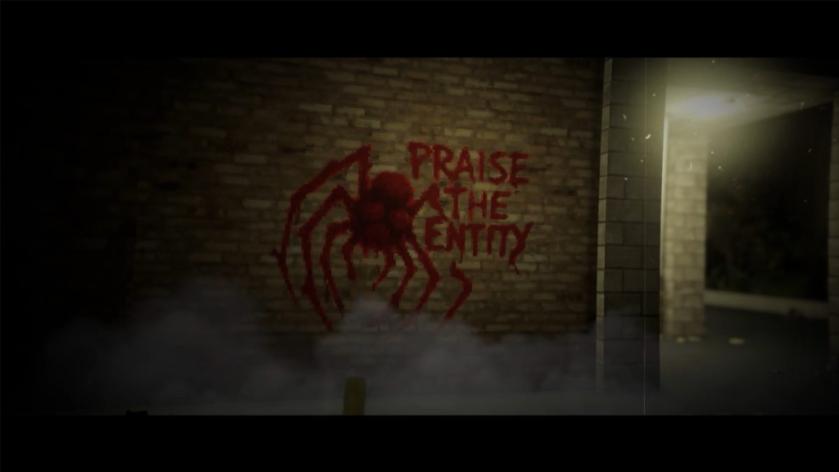
The most prominent of these threats is "The Entity," a grotesque spider-like creature that sprouts multiple limbs from a humanoid form and spins webs. This entity is often associated with specific in-game events, such as hunts or the dreaded Blood Moon. Its appearance signals a heightened state of danger, and its presence can be further amplified if players have previously failed to neutralize doppelgangers.
Beyond The Entity, the game presents a diverse cast of five primary monster variants, each with distinct mechanics that players must learn to counter:

- The Entity: Described as a spider entity with eight legs sprouting from its human body, capable of spinning webs. Its counter involves hiding and utilizing weapons from the arsenal once it becomes accessible.
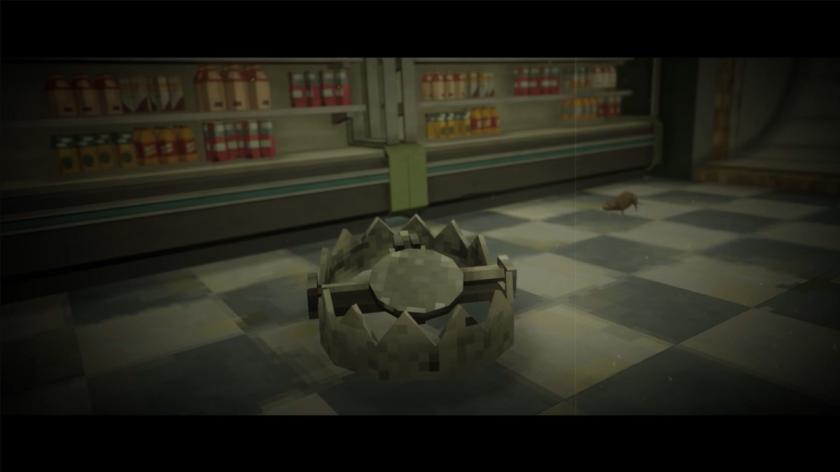
- Shrieking Doll: A diminutive entity that crawls along the floor. This threat can be neutralized with traps and melee weapons.
- Demented: This entity is characterized by its long limbs and incredibly swift movement when not directly observed. Its behavior is reminiscent of SCP-173 from SCP: Containment Breach or the Coil Head in Lethal Company. The key to surviving the Demented is to maintain direct line of sight; looking away allows it to advance. Players can strategically use this mechanic to lure it into traps.
- Marionette: A floating, cloaked figure. To counteract the Marionette, players must locate and rewind a music box situated on the shop floor. Failure to complete this task before the music concludes for the third time will result in the Marionette spawning.
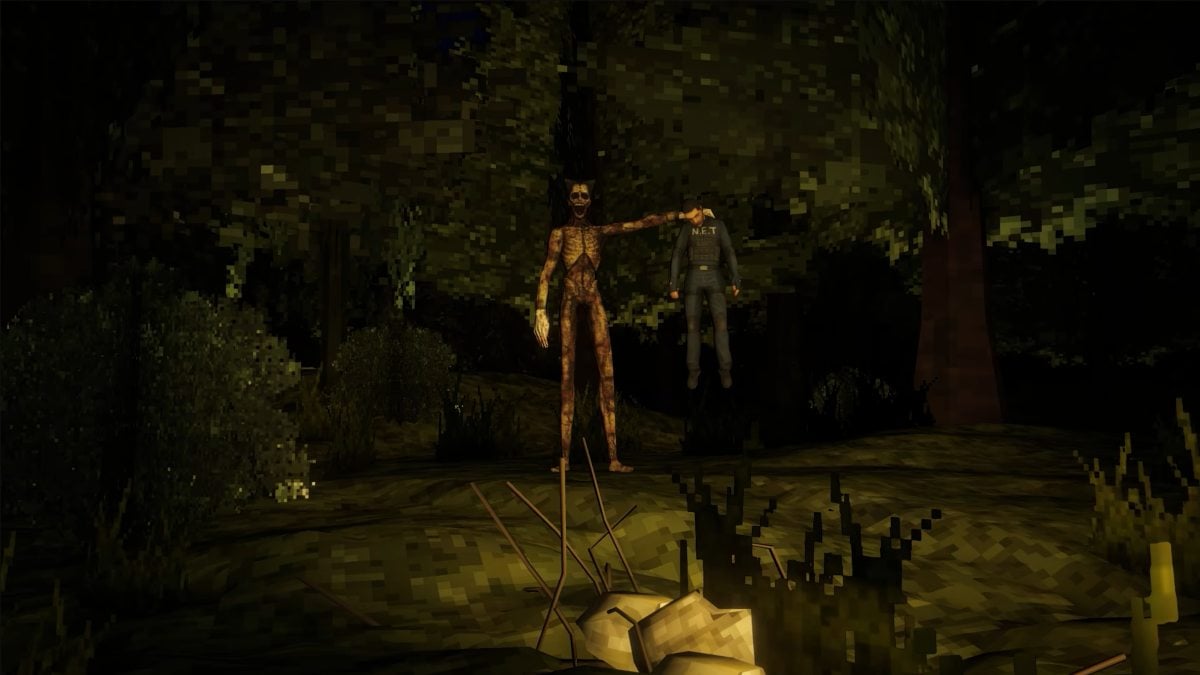
- The Dentist: This entity bears a striking resemblance to a corpse that can appear in the break room. It exhibits stalking behavior, particularly in the forest and near the bus at the end of a shift. The recommended counter is to flee, avoid using open mic communication, and refrain from looking back until the entity disengages.
- Camouflage: As its name suggests, this entity possesses the ability to blend seamlessly with the walls of the stockroom. While its appearance can be startling, resulting in a jump scare, it does not inflict health damage. Players can dislodge it by shooting or striking it.
The game’s mechanics suggest that while these entities can be defeated or evaded, they are not necessarily permanently vanquished. Letting a doppelganger slip through the cracks can empower these entities, making them more aggressive and resilient in subsequent encounters.
The Ominous Arrival of the Blood Moon
The "Blood Moon" is a particularly perilous in-game event that significantly amplifies the threat level within Shift at Midnight. When a Blood Moon is active, the game explicitly warns players that entities are guaranteed to spawn after the shift concludes. This means any venture outside the store during or immediately after such an event is almost certain to trigger an encounter with one of the game’s many monstrous inhabitants.
Each entity operates under specific behavioral rules and attack patterns. Players are advised to remain attentive to on-screen instructions that appear when an entity spawns, as these often provide critical clues on how to react. Furthermore, pre-shift preparations are vital. Players should diligently read any notes left on the counter and check in-game emails for new entries detailing expected threats. This intelligence gathering can provide a crucial advantage, informing players about the potential dangers they might face during their upcoming shift and allowing them to mentally prepare or strategize accordingly. The game’s world-building suggests a lore where these entities are not random occurrences but rather manifestations of a deeper, perhaps cosmic, disturbance, with the Blood Moon acting as a catalyst.
Confronting the Aftermath: Dealing with Transformed Doppelgangers
The most direct consequence of failing to identify and intercept a doppelganger during a shift is their transformation into a monstrous variant that will hunt the player as they attempt to leave the store. This scenario triggers a frantic, high-stakes defensive sequence.
Upon realizing a doppelganger has slipped through, players are granted a limited 60-second window to prepare for the ensuing onslaught. This preparation phase involves arming oneself, barricading the store’s entrances, and strategically placing traps. The game emphasizes the importance of fortifying the three primary doors, using wooden planks and the ‘E’ key to secure them. Once the countdown concludes, the entities will begin to spawn.
During this phase, the primary objective shifts from offense to survival. Players must find safe havens to hide until they can access the Weapons Arsenal, which is crucial for mounting a defense. The available hiding spots include ventilation shafts located in the stockroom and the main shop area. However, these sanctuaries are not foolproof. The game mechanics dictate that a mass resembling internal organs will eventually descend through the ventilation shafts, inflicting damage and forcing the player out into the open, where they become vulnerable.
A critical UI element to monitor during these encounters is the "patience bar." This bar functions as a health indicator for The Entity, and also serves as a timer, signaling how long the entity will actively search for the player. An eye icon on the screen fills up when the player is within the entity’s line of sight. If this eye turns red, it signifies that the entity has spotted the player and will pursue them. Players can reset this pursuit by quickly ducking behind cover. Auditory cues are also paramount; any significant noise, whether from the player’s microphone or in-game footsteps, can alert The Entity to their presence.
The Weapons Arsenal becomes accessible once the player reaches the halfway point on the patience bar. While the firearm provided is capable of dealing damage, its effectiveness is described as minimal. For enhanced firepower, players must utilize the "EMERGENCY WEAPONS ARSENAL," which requires prior purchases made through the in-game computer. This is especially vital if multiple entities spawn simultaneously, a scenario that becomes more likely if several doppelgangers were overlooked during the shift.
It is important to note that even if the player successfully depletes the patience bar through hiding or attacking, The Entity will not be permanently defeated. Instead, it will retreat, promising a return on another night, potentially stronger and more difficult to overcome. This cyclical nature of the threat underscores the game’s emphasis on continuous vigilance and the critical importance of accurately identifying and neutralizing doppelgangers during the initial stages of the shift to prevent the escalation of these supernatural dangers. The game’s narrative hints at a larger cosmic struggle, where each successful defense is merely a temporary reprieve in an ongoing war against encroaching darkness. The implications are clear: consistent, meticulous gameplay is not just about scoring points, but about preserving one’s very existence within the chilling confines of the late-night convenience store.