


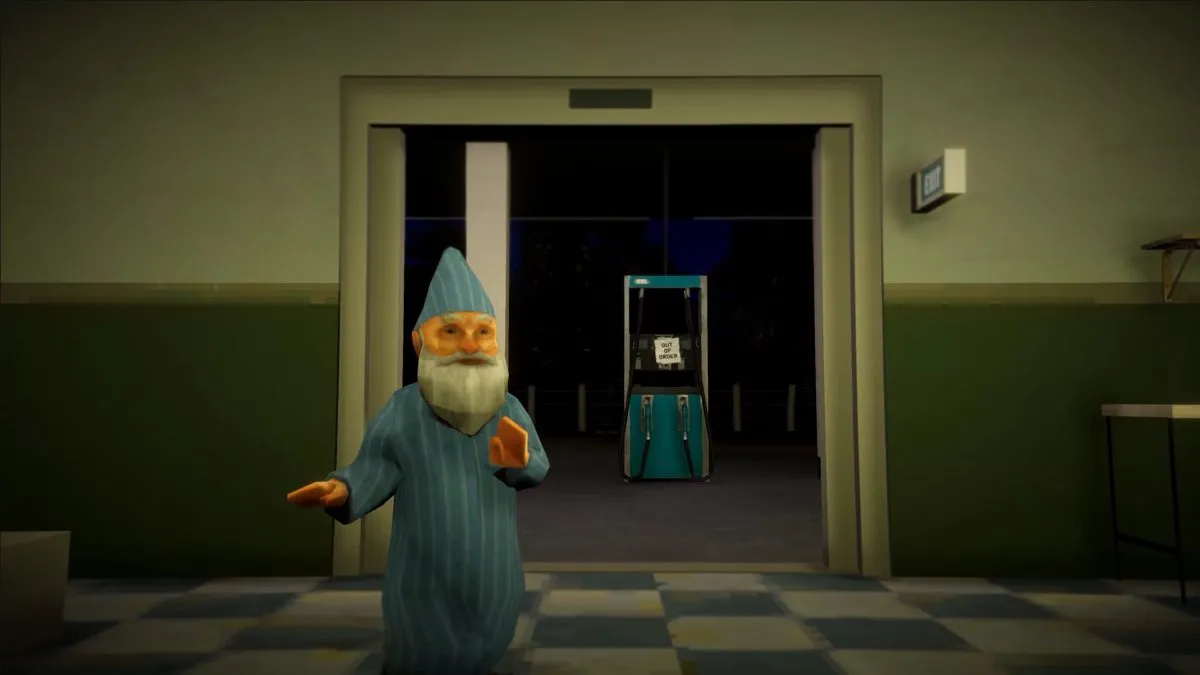
The surreal reality of Shift at Midnight thrusts players into a desperate struggle for survival, where the mundane task of managing a retail store is overshadowed by a desperate fight against doppelgangers and monstrous entities. Yet, amidst the chaos of bear traps, wooden planks, and grenades, the most chillingly unrealistic element of the game, according to players, is the astronomical cost of veterinary care. This guide delves into the intricate mechanics of achieving the various endings within Shift at Midnight, a survival simulation that draws uncanny parallels to the grueling demands of actual retail work.
Understanding the Core Mechanics: Survival and Financial Strain
Shift at Midnight operates on a 13-shift cycle, each night presenting a unique set of challenges. Players are tasked with maintaining the store’s pristine condition, replenishing shelves, and fending off encroaching threats. The primary objective, however, is deeply personal: to accumulate enough funds to cover the escalating medical bills for a beloved pet. This financial imperative forms the crux of the game’s narrative and directly dictates the player’s ultimate fate, and that of their companion.
The game mechanics are designed to create a constant tension between immediate survival needs and the long-term financial goal. Each completed shift offers a base wage of $10, augmented by a 10% commission on store revenue, provided the player surpasses the daily sales quota. This income stream is critical, as it directly funds the pet’s ongoing medical treatments and, most importantly, a life-saving surgery scheduled for the thirteenth night. Players are forewarned about this impending financial crisis after completing the tenth shift, intensifying the pressure to earn.
While using accumulated funds to pay for the pet’s medicine allows it to accompany the player on subsequent shifts, offering invaluable assistance, particularly for solo players, this strategy comes with a significant caveat. Over-reliance on immediate pet care can deplete personal savings, making the crucial surgery on night 13 unattainable. This financial balancing act is central to navigating the game’s challenging progression.
The Three Paths to Resolution: Grave Decision, Empty Home, and the True Ending
The culmination of the 13-shift narrative hinges on a critical decision made on the twelfth night and the player’s financial standing. These choices lead to distinct outcomes, each carrying profound consequences for both the player and their pet.
Grave Decision: A Sheriff’s Sacrifice
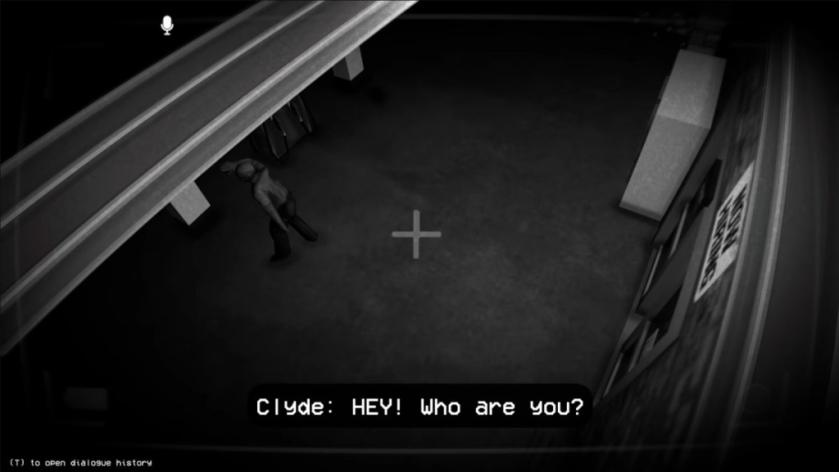
On the twelfth night, after successfully completing the shift, players are presented with the option to contact Sheriff Clyde. This choice is typically made when it becomes apparent that the player will be unable to meet the $250 requirement for their pet’s surgery. Opting to call Sheriff Clyde initiates a sequence where he visits the store, intending to assist. However, the narrative unfolds to reveal that Clyde himself succumbs to the dangers lurking within the store, sacrificing his life in the process. Despite this tragic loss, the player’s pet receives the necessary surgery and survives, with the costs apparently covered by an unspecified resolution stemming from Clyde’s intervention. This ending, while preserving the pet’s life, is marked by the somber reality of a law enforcement officer’s demise.
The implications of this ending are significant. It highlights the extreme dangers inherent in the Shift at Midnight environment, suggesting that even official intervention is not without peril. The narrative implies a broader systemic failure or vulnerability that allows such entities to infiltrate and threaten civilian life and its protectors. The sacrifice of Sheriff Clyde serves as a stark reminder of the pervasive threat and the heavy price of survival.
Empty Home: A Solitary Survival
The "Empty Home" ending represents a failure to meet the financial obligations for the pet’s surgery. This outcome is achieved by refraining from contacting Sheriff Clyde on the twelfth night and by not accumulating the required $250 for the surgery. In this scenario, Sheriff Clyde remains safe, as he is not called to the store and thus avoids the dangers that befall him in the "Grave Decision" ending. However, the pet, lacking the crucial medical intervention, does not survive the thirteenth night.
This ending underscores the direct consequence of financial inability and the player’s decision to not seek external help. It presents a grim reflection on the potential loss when resources are insufficient and difficult choices must be made. The survival of Clyde, in this context, offers no solace, as it comes at the cost of the player’s cherished companion. This outcome emphasizes the game’s narrative focus on the profound emotional bond between the player and their pet, and the devastating impact of its loss.
True Ending: A Balanced Resolution
Achieving the "True Ending" requires a meticulous approach, combining financial prudence with diligent performance in the role of store manager. To unlock this outcome, players must refrain from calling Sheriff Clyde on the twelfth night, thereby ensuring his survival. The primary focus then shifts to accumulating the necessary $250 by the thirteenth night to fund the pet’s surgery.
This path mirrors the challenges presented in similar survival-horror retail simulations, such as HELLMART. Success hinges on maintaining customer satisfaction by keeping the store impeccably clean, ensuring shelves are consistently stocked, and enhancing the overall shopfloor ambiance through strategic decoration. Furthermore, players are encouraged to actively address and complete requests from the Store Manager. These tasks can range from apprehending shoplifters to undertaking environmental clean-up operations, such as clearing the forest adjacent to the store. Completing these objectives yields valuable bonuses, significantly bolstering the player’s earnings.
A critical aspect of this ending is the player’s conduct during shifts. The game penalizes players for actions such as shooting innocent humans, which directly impacts their final pay. Therefore, maintaining a non-violent approach towards customers and focusing on efficient store management are paramount. This strategy not only maximizes income but also contributes to a more positive overall game experience, devoid of unnecessary complications.
The "True Ending" is achieved when both Sheriff Clyde and the player’s pet survive. This outcome signifies a masterful navigation of the game’s perils, demonstrating the player’s ability to manage resources, combat threats, and fulfill responsibilities. It represents the most fulfilling resolution, where the player emerges victorious, having protected both their companion and the integrity of the law enforcement officer who could have been endangered.
A crucial element for unlocking this ending, and indeed any ending involving Clyde’s potential involvement, is to ensure he is not accidentally harmed during his visits. If Clyde is killed, the option to call him on the twelfth night will be removed, thereby locking the player out of the endings that involve his potential sacrifice or survival. This adds another layer of strategic consideration to player actions, emphasizing the importance of situational awareness even when not directly engaged in combat.
Background Context and Chronology of Events
The narrative of Shift at Midnight unfolds over a thirteen-night period, a structured timeline that amplifies the escalating tension. The initial nights are characterized by the gradual introduction of threats and the player’s learning curve in managing the store under duress. As the game progresses, the severity of the doppelganger and entity encounters intensifies, demanding more strategic use of limited resources and weaponry.
The central conflict, the pet’s medical condition, serves as a persistent underlying narrative. The escalating costs, announced after the tenth shift, act as a narrative catalyst, forcing players to confront the reality of their financial limitations and the impending crisis. This chronological progression ensures that players are constantly reminded of their ultimate goal, while simultaneously being immersed in the immediate dangers of their nocturnal employment.
The decision point on the twelfth night is the pivotal moment that branches the narrative. This structured approach allows for a clear cause-and-effect relationship between player choices and their consequences, offering a compelling and replayable experience.
Analysis of Implications and Broader Impact
The financial strain presented in Shift at Midnight serves as a pointed, albeit exaggerated, commentary on the economic pressures faced by individuals in demanding, low-wage jobs. The exorbitant cost of essential care, whether for a pet or a human, often becomes a significant burden, forcing difficult choices and leading to dire outcomes. The game, through its fantastical premise, amplifies this reality to a dramatic extreme, highlighting the potential for systemic failures in providing accessible and affordable care.
The interactions with Sheriff Clyde can be interpreted as a commentary on the role of law enforcement in crises. His willingness to risk his life underscores a dedication to duty, but his potential demise also reflects the inherent dangers faced by those who serve and protect in environments where the lines between reality and the supernatural are blurred. The game’s narrative prompts reflection on the sacrifices made by public servants and the fragility of safety in the face of overwhelming threats.
Furthermore, the "True Ending" emphasizes the value of diligent work, resourcefulness, and strategic decision-making. It suggests that even in the most dire circumstances, careful planning and a commitment to fulfilling responsibilities can lead to the most positive outcomes. This aspect of the game can be seen as a subtle endorsement of perseverance and the rewards of careful management.
The varied endings provided by Shift at Midnight offer players not just a gameplay objective but also a platform for thematic exploration. They encourage players to consider the weight of their decisions, the impact of financial limitations, and the complex interplay between personal responsibility and external circumstances. The game’s ability to weave these potent themes into a survival-horror framework contributes to its unique and thought-provoking gameplay experience.