


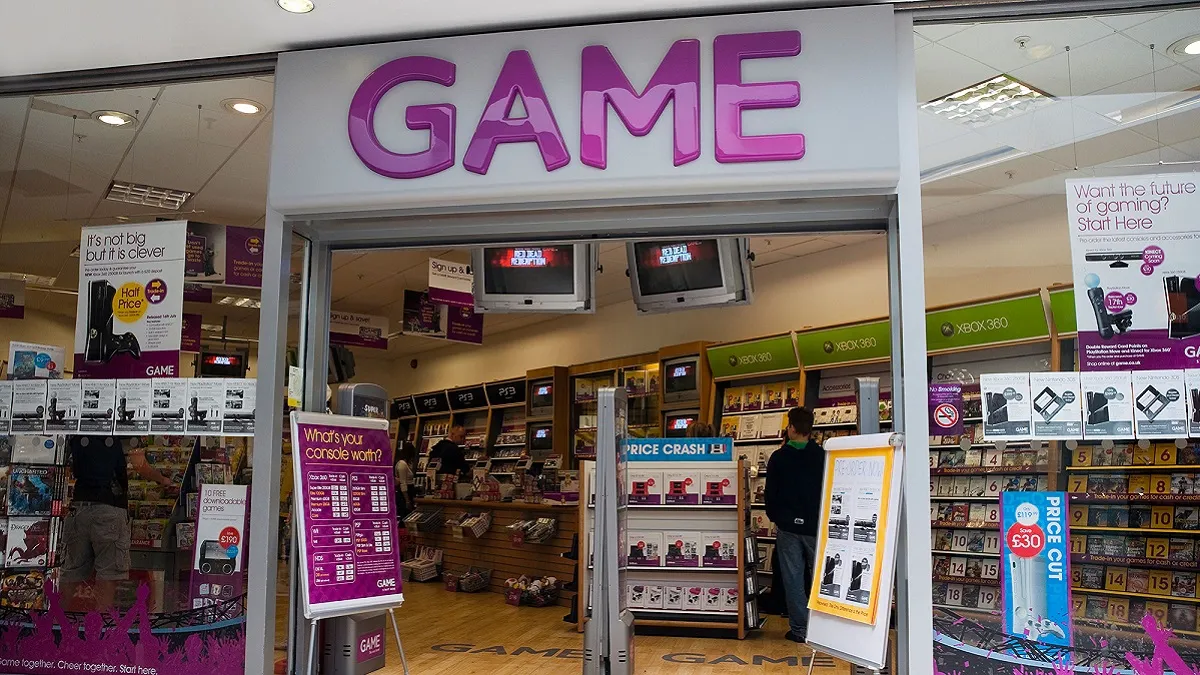
The video game industry, already grappling with a wave of redundancies and studio closures throughout the past year, is now facing further upheaval as UK retail giant GAME has reportedly begun informing its staff of potential widespread layoffs. This development, which has not yet been officially confirmed by the company, comes amidst reports that a significant portion of its workforce is being transitioned to zero-hours contracts, a move that could drastically alter employment stability for many.
Anonymous sources within GAME have contacted media outlets, including Eurogamer, to express their concerns, stating they have been directly informed of impending redundancies. While the exact scale of these potential job cuts remains unclear, the shift towards zero-hours contracts for non-managerial staff suggests a significant restructuring of the company’s operational model. Employees are reportedly being notified of their job statuses via direct communication channels such as phone calls and emails. The implications of these changes are far-reaching, particularly for a sector that has historically relied on a dedicated workforce to maintain its physical presence in the market.
Background and Historical Context
Founded in 1992, GAME has long been a prominent fixture in the UK’s retail landscape, once serving as the primary destination for many gamers seeking the latest releases, consoles, and accessories. With a peak of over 250 outlets spread across the country, the company played a pivotal role in the physical distribution of video games, fostering a community around its brick-and-mortar stores. For decades, the experience of browsing shelves, discussing new titles with knowledgeable staff, and participating in in-store events was a cornerstone of the gaming culture for many in the United Kingdom.
However, the retail environment has undergone a seismic shift in recent years, driven primarily by the rapid and pervasive growth of digital distribution platforms. The convenience and accessibility of downloading games directly to consoles and PCs have steadily eroded the market share of physical retailers. This industry-wide trend has put immense pressure on traditional brick-and-mortar businesses, forcing them to adapt or face obsolescence.
The financial struggles of GAME became increasingly apparent, culminating in its acquisition by Frasers Group, a prominent British retail conglomerate, in 2019. This acquisition was seen by some as a lifeline, injecting capital and potentially new strategies into the struggling retailer. However, even under new ownership, the challenges persisted. Further signaling a strategic pivot, it was announced earlier this year that GAME would be discontinuing its popular trade-in service. This decision, while likely aimed at streamlining operations and potentially improving margins, removed a significant draw for many customers and a key revenue stream for the company.
The current situation, with potential redundancies and a widespread shift to zero-hours contracts, appears to be the latest chapter in GAME’s ongoing struggle to navigate the evolving retail landscape. For former employees, such as the individual who shared their perspective, the writing has been on the wall for some time. The sentiment is that the company may be on the verge of a final curtain call for its physical retail presence, with the most immediate and profound impact falling upon its dedicated staff.
Timeline of Events and Developments
The recent developments at GAME can be understood within a broader context of industry shifts and company-specific decisions:
- 1992: GAME is founded in the UK, marking the beginning of its long history as a prominent physical video game retailer.
- Early 2010s onwards: The accelerated rise of digital game distribution begins to significantly impact the physical retail sector, including GAME.
- 2019: GAME is acquired by Frasers Group, a move intended to provide financial stability and strategic direction.
- Early 2024: It is announced that GAME will cease its popular trade-in service, a move that signals a significant operational change.
- Recent Weeks/Months (Inferred): Reports begin to surface from anonymous GAME staff members about being informed of potential redundancies and a shift to zero-hours contracts for non-managerial employees.
- Present Day: Media outlets, including Eurogamer, report on these staff concerns. GAME has been contacted for comment, but no official statement has been released at the time of reporting.
This chronological overview highlights a sustained period of challenges for GAME, with recent events suggesting a more acute phase of restructuring and cost-cutting. The transition to zero-hours contracts, in particular, is a significant operational change that reflects a potential reevaluation of staffing needs and cost structures in response to market pressures.
Supporting Data and Industry Trends
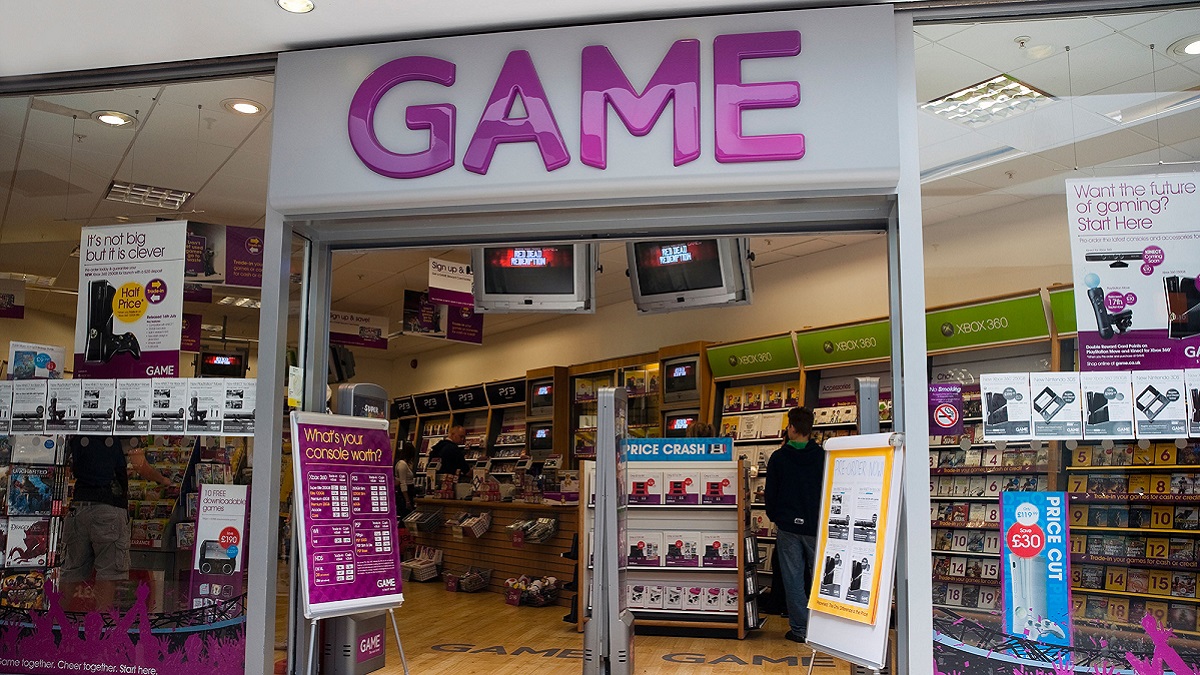
The challenges faced by GAME are not unique but are symptomatic of broader trends affecting the entire physical retail sector, especially within the entertainment and technology spheres.
- Digital Sales Dominance: Global digital game sales have consistently outpaced physical sales for several years. According to Newzoo, a leading games market intelligence firm, digital game revenues are projected to reach $195.9 billion in 2024, while physical game revenues continue to decline. This trend directly impacts retailers like GAME that rely on the sale of physical discs and cartridges.
- Erosion of Physical Retail Footprint: Across various retail sectors, the number of physical stores has been declining. In the UK, the Centre for Retail Research has documented a steady closure of high street stores, with electronics and entertainment retailers often being among the hardest hit. This decline is attributed to a combination of factors, including the rise of e-commerce, changing consumer habits, and increased operating costs.
- Consolidation in the Gaming Market: The video game industry itself has seen significant consolidation, with major acquisitions and mergers. While this often involves game development studios and publishers, it also impacts the retail ecosystem. Companies are increasingly looking to optimize their supply chains and distribution channels, which can lead to a reduced need for extensive physical retail networks.
- Impact of the COVID-19 Pandemic: While the initial lockdowns of the COVID-19 pandemic saw a surge in online gaming and digital purchases, the subsequent economic fallout and shifts in consumer spending patterns have continued to put pressure on many businesses, including those in the retail sector.
The data clearly illustrates a challenging operating environment for physical game retailers. The shift by GAME towards zero-hours contracts for a significant portion of its staff can be interpreted as a direct response to these market realities, allowing for greater flexibility in staffing levels based on fluctuating demand and reduced overheads.
Analysis of Implications
The reported potential redundancies and the widespread shift to zero-hours contracts at GAME carry significant implications for various stakeholders:
For Employees:
The most immediate and profound impact is on the livelihoods of GAME’s staff. Those facing redundancy will experience job loss, requiring them to seek new employment in a competitive market. For those transitioning to zero-hours contracts, the uncertainty of regular income will be a primary concern. This model offers flexibility for employers but can lead to financial instability for workers, making it difficult to budget, secure loans, or plan for the future. The loss of guaranteed hours can also affect access to benefits and career progression.
For the Gaming Community:
The potential reduction in GAME’s physical presence could further diminish the options for gamers who prefer or rely on physical retail. While digital is dominant, a segment of the market still values the tangible experience of buying a game, the ability to trade in older titles, or to browse in a physical store. The closure or significant scaling back of GAME stores could leave certain regions or demographics with fewer choices for accessing games and related merchandise. It also represents a loss of community hubs where gamers could connect.
For the Retail Sector:
The situation at GAME serves as another stark indicator of the ongoing challenges facing traditional brick-and-mortar retail. It underscores the necessity for retailers to innovate, adapt to digital trends, and find unique value propositions to remain competitive. The shift to more flexible employment models like zero-hours contracts, while potentially cost-effective for businesses, also raises broader questions about the future of employment security and worker rights in the retail industry.
For Frasers Group:
For the parent company, Frasers Group, these moves suggest a strategic re-evaluation of the GAME brand’s viability as a physical retail entity. The decisions are likely aimed at reducing operational costs and improving profitability in a challenging market. The success of this strategy will depend on whether the company can effectively manage the transition and whether the remaining physical presence can be sustained or if further rationalization is inevitable.
Official Responses and Industry Reactions (Inferred)
At the time of reporting, there has been no official statement from GAME or Frasers Group regarding the reported redundancies or the transition to zero-hours contracts. Media outlets have contacted the company for comment, and any official response would be crucial in clarifying the situation’s scope and the company’s future strategy.
Industry analysts and consumer groups are likely to be closely watching this development. Unions representing retail workers may express concern over the potential job losses and the shift towards less secure employment contracts. Consumer advocacy groups might comment on the implications for consumer choice and access to physical game retail. The absence of immediate official comment suggests a period of internal assessment or strategic communication planning by the company.
In conclusion, the reported potential redundancies and the move towards zero-hours contracts at GAME highlight the intense pressures facing physical retailers in the digital age. This situation is emblematic of a wider industry trend and raises significant questions about the future of game retail and the employment landscape within the sector. The coming days and weeks will likely bring further clarity as the company navigates these challenges and communicates its strategy to its employees and the public.