


The enduring allure of video games often lies not just in their immersive worlds or compelling narratives, but in the profound satisfaction derived from overcoming their most formidable challenges. For many players, this journey begins in the formative years, marked by the arduous yet ultimately rewarding conquest of titles that demanded precision, perseverance, and an almost masochistic dedication. The legacy of these demanding games, from the early days of console gaming to the sophisticated landscapes of modern titles, continues to shape player expectations and fuel a constant search for new benchmarks of digital mastery. This pursuit of the "difficult game" is not merely a matter of nostalgia; it’s a testament to the human drive for achievement, the ego’s quest for validation, and the unique thrill of pushing personal boundaries within interactive entertainment.
This inherent desire for a demanding gaming experience has seen a resurgence in recent years, with titles like Elden Ring, Nine Sols, and Fear & Hunger capturing the attention of players seeking a true test of their skills. The satisfaction of vanquishing a particularly challenging boss, often signaled by in-game declarations of "PREY SLAUGHTERED," serves as a powerful motivator, driving players to seek out ever greater obstacles. This ongoing quest for a truly satiating challenge recently led many to explore Dark Scrolls, developed by doinksoft.
The Aesthetic Promise of Dark Scrolls
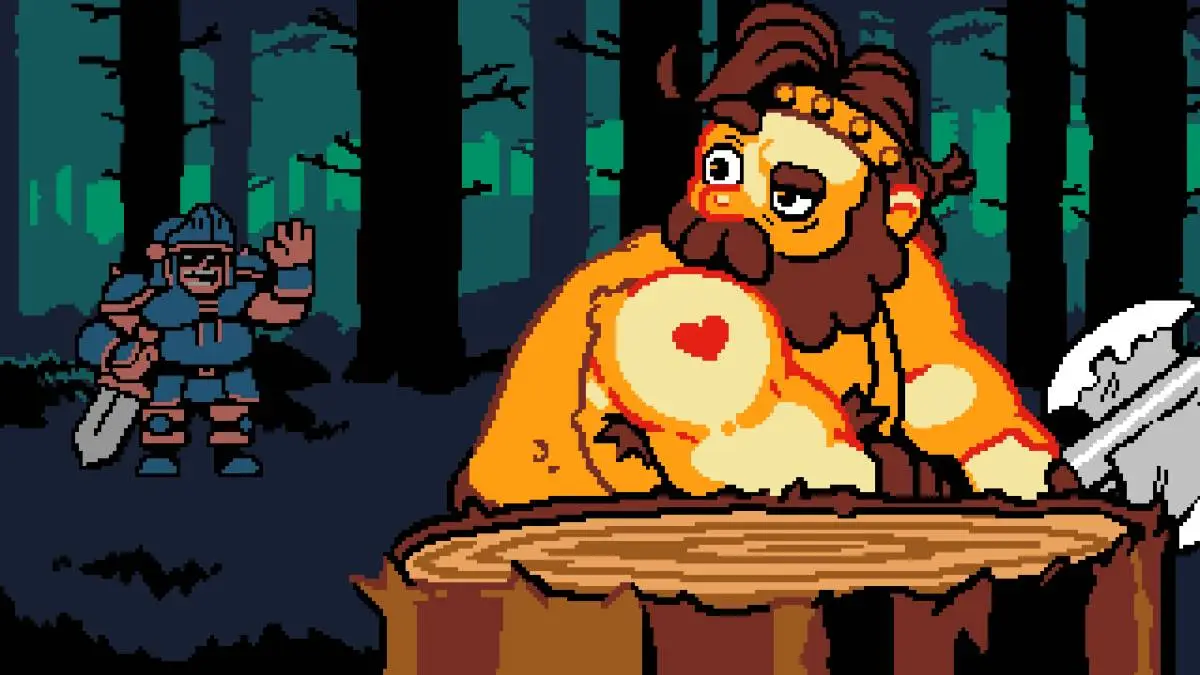
At first glance, Dark Scrolls presents a visually striking proposition. Its vibrant 2D animation, coupled with a seemingly simple three-button control scheme, hints at an accessible yet potentially deep gameplay experience. The inclusion of hidden secrets and an intriguing core mechanic designed to maintain player engagement further bolsters this initial impression. Developer doinksoft, known for their previous works such as Gato Roboto, Demon Throttle, and the critically acclaimed Gunbrella, has established a reputation for crafting charming, retro-inspired 2D adventures. Dark Scrolls appears to follow this established trajectory, offering an aesthetically pleasing and potentially engaging experience.
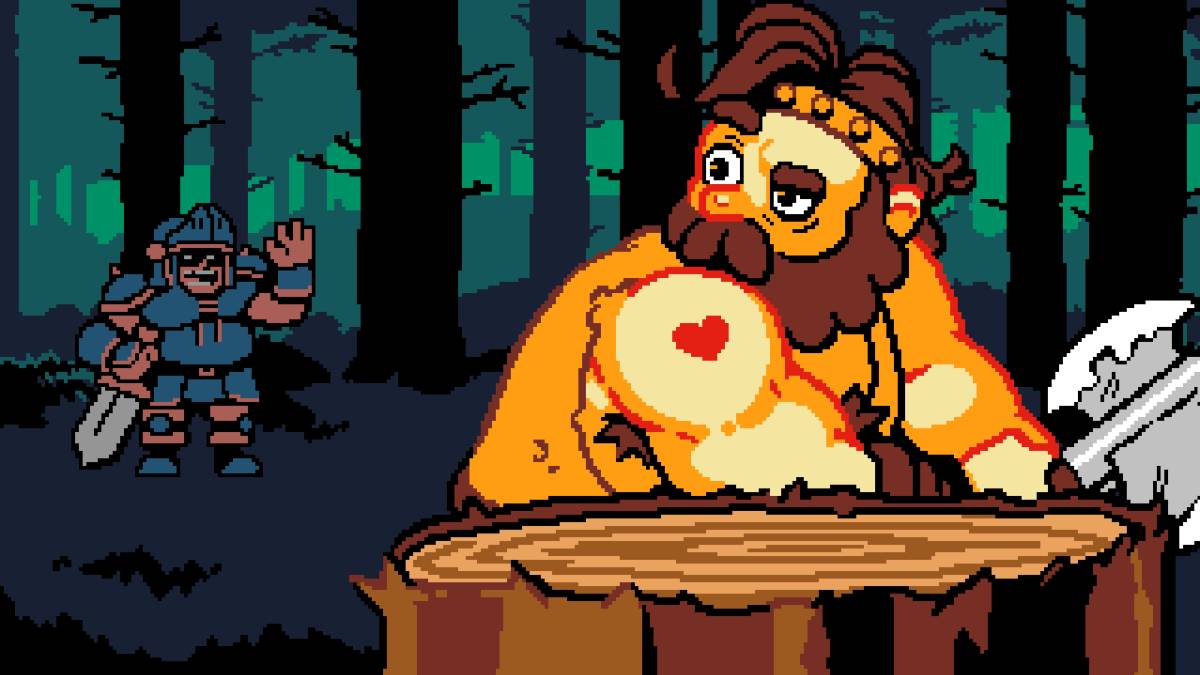
However, beneath the colorful veneer, the game’s design exhibits a degree of simplicity that, while fitting for its retro inspirations, introduces certain gameplay limitations. The core loop of auto-scrolling and limited button inputs, while reminiscent of early 2D platformers, can become repetitive. The initial learning curve, particularly in understanding the unique ultimate abilities and perk systems of the three starting characters, does suggest a degree of complexity. In an era where many games lean towards extensive tutorials and guided experiences, Dark Scrolls‘s hands-off approach to player onboarding is a notable departure. This design choice, which requires players to deduce mechanics through experimentation, initially fosters a sense of challenge and discovery.
Unraveling the Difficulty Curve: From Intrigue to Inadvertent Ease
The true mettle of any challenging game lies in its ability to maintain a consistent and engaging difficulty curve. Dark Scrolls attempts to achieve this through the inclusion of numerous secrets, encouraging repeated playthroughs to uncover new areas, confront additional bosses, and discover a variety of mysterious items whose functions are not immediately apparent. This element of exploration and discovery is a significant draw, keeping players invested in their quest for mastery.
Despite these commendable efforts, Dark Scrolls faces a critical hurdle: once the fundamental mechanics are understood, the game’s challenge level significantly diminishes. This is not to say the game is inherently flawed or poorly designed; rather, it struggles to sustain the demanding nature that players seeking a true test of skill often crave. The introduction of elements like the pervasive honking sounds replacing dialogue, while a stylistic choice, can be more of a distraction than an engaging quirk. The most significant critique, however, centers on the game’s eventual accessibility.
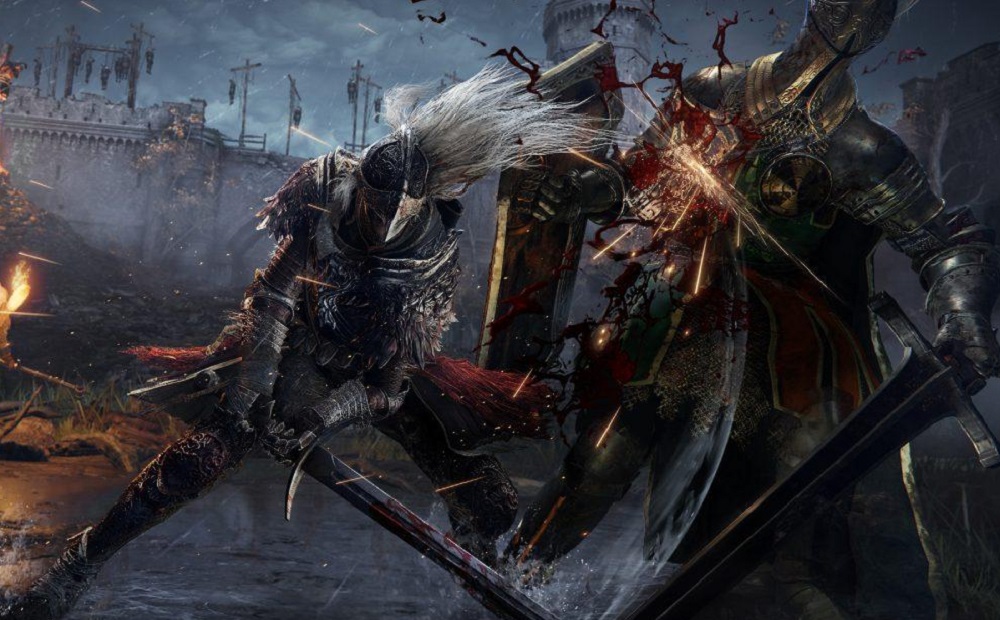
The experience of playing Dark Scrolls can, for some, evoke a sense of déjà vu, perhaps recalling the demanding nature of titles like Sekiro: Shadows Die Twice or Elden Ring. These games are renowned for their ability to induce a profound sense of existential questioning in players. Such titles often prompt a player to ponder: "Who designed this seemingly insurmountable obstacle?" "Has the developer even managed to overcome this challenge themselves?" And perhaps most poignantly, "Does the universe conspire against my gaming success?"
The True Nature of Challenging Games: Existential Crises and Personal Growth
Genuinely difficult games possess a transformative power. They can trigger an existential crisis, compelling players to re-evaluate their beliefs and push themselves beyond perceived limits. This arduous process mirrors the dedication and rigor found in elite athletic endeavors or groundbreaking scientific exploration. The victory achieved after countless attempts, the defeat of an seemingly impossible boss, can feel like a profound personal accomplishment, a step closer to a personal pinnacle of achievement. Many hoped that Dark Scrolls would deliver this same profound sense of accomplishment. Unfortunately, for many, it fell short of this lofty expectation.
This critique should not be misconstrued as a condemnation of the game. Dark Scrolls offers a compelling experience, particularly for players who relish uncovering hidden elements and enjoy short, engaging bursts of gameplay. It represents a modern, arcade-inspired take on retro-style platforming, prioritizing player enjoyment. Yet, it inevitably draws comparisons to games that have mastered the art of sustained challenge, most notably Cuphead.
Cuphead: A Benchmark for Unwavering Difficulty and Artistic Achievement
Cuphead, developed by Studio MDHR, stands as a monumental achievement in the realm of challenging 2D platformers. Its notorious difficulty was so pronounced that it even became a talking point within gaming journalism circles, with some critics struggling to progress beyond the game’s initial stages. Cuphead is a relentless, unforgiving gauntlet that demands absolute perfection, a constant barrage of meticulously crafted challenges that require players to practice, adapt, and persevere until their mental faculties are as depleted as the characters’ sanity.
The game’s design forces players into a state of hyper-focus, demanding frame-by-frame precision and an unwavering commitment to learning enemy attack patterns. The visual splendor of its hand-drawn animation, a clear homage to 1930s cartoons, is a constant temptation to momentarily let down one’s guard. Players are compelled to lock in, to remain vigilant, and to never miss a beat. The brief minutes spent on each level can feel like an eternity of struggle, yet emerging victorious transforms the player into a stronger, more resilient individual, forged in the crucible of unyielding perseverance.

In stark contrast, games like Dark Scrolls can allow the player’s mind to wander. While the need to remain aware of off-screen spawns is present, the core gameplay loop can become less demanding. The discovery of exploits, such as repeated button-mashing or a specific character’s ability granting infinite invulnerability, can trivialize the game’s challenges. Within a remarkably short playtime, players may find themselves capable of "cheesing" the entire game, a feat that, while technically an accomplishment, often leaves the player with a sense of both accomplishment and a peculiar form of shame.
The Evolving Landscape of High-Difficulty Gaming
The search for truly demanding gaming experiences has, in recent years, predominantly led players to genres like metroidvanias and soulslikes. These genres have consistently delivered the kind of intricate challenge that tests a player’s resolve and strategic thinking. However, the occasional emergence of a title like Cuphead demonstrates that exceptional difficulty can also be found in other 2D formats. While FromSoftware, the studio behind Elden Ring and the Dark Souls series, remains a titan in the creation of challenging games, there is a clear demand for more experiences that can push players to their absolute limits, akin to the impact Cuphead had.
Without such consistently challenging titles, players who crave this specific type of gameplay may find themselves revisiting older consoles, such as the PlayStation 1, in search of the digital trials that once defined their gaming prowess. The hunger for a challenge that transcends the ordinary remains a potent force in the gaming community, shaping expectations and driving the demand for titles that offer not just entertainment, but a true test of digital dominion. The industry continues to evolve, with developers constantly experimenting with difficulty mechanics, striving to strike that delicate balance between accessibility and the profound satisfaction of overcoming the seemingly impossible. The legacy of games that demand the utmost from their players continues to influence design, ensuring that the pursuit of digital mastery will remain a cornerstone of the gaming landscape for years to come.