


The inaugural FPS Games Show has concluded, marking a significant milestone for the first-person shooter genre by providing a dedicated platform for both independent developers and established studios to showcase their latest projects. Hosted as part of the broader September gaming showcase season, the event focused heavily on tactical realism, extraction mechanics, and historical warfare, catering to a growing audience seeking deeper mechanical complexity than traditional arcade shooters. While the initial presentations leaned toward PC-centric releases, the implications for console players, particularly those within the Xbox ecosystem, are substantial as multiple titles confirmed roadmap plans for hardware parity in the coming years. This event arrives at a time when the FPS market is diversifying, moving away from the "hero shooter" dominance of the late 2010s toward more grounded, high-stakes experiences often referred to as "mil-sim" (military simulation) or "extraction" shooters.
Strategic Updates for Established Franchises
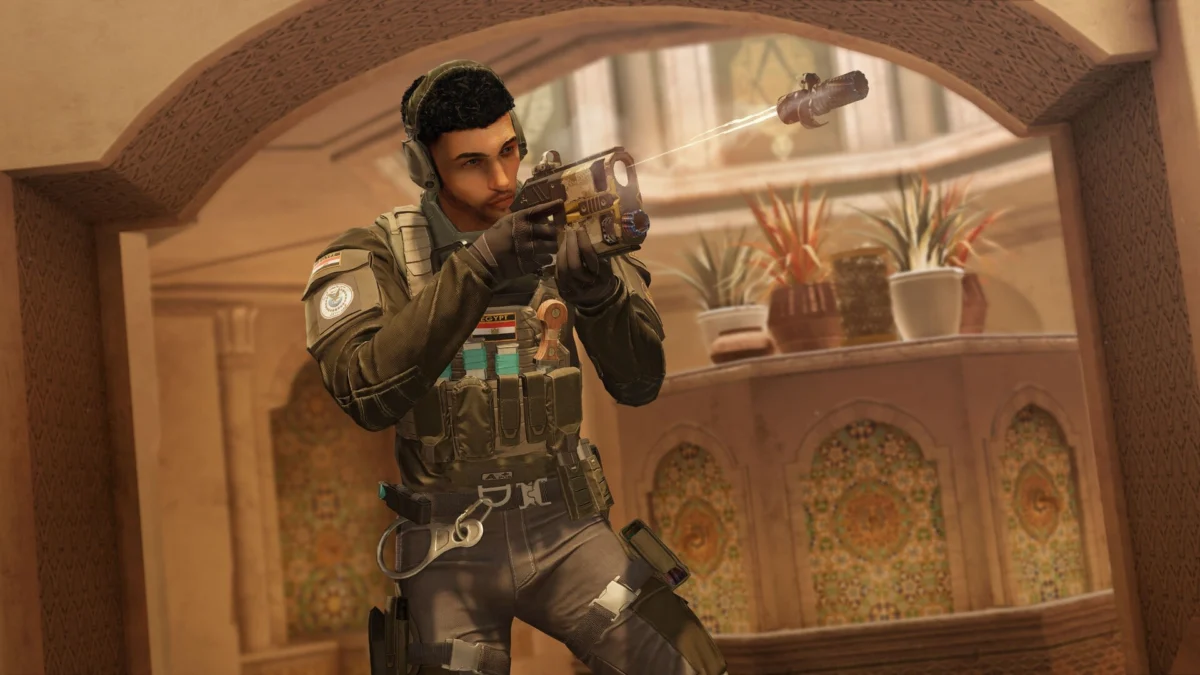
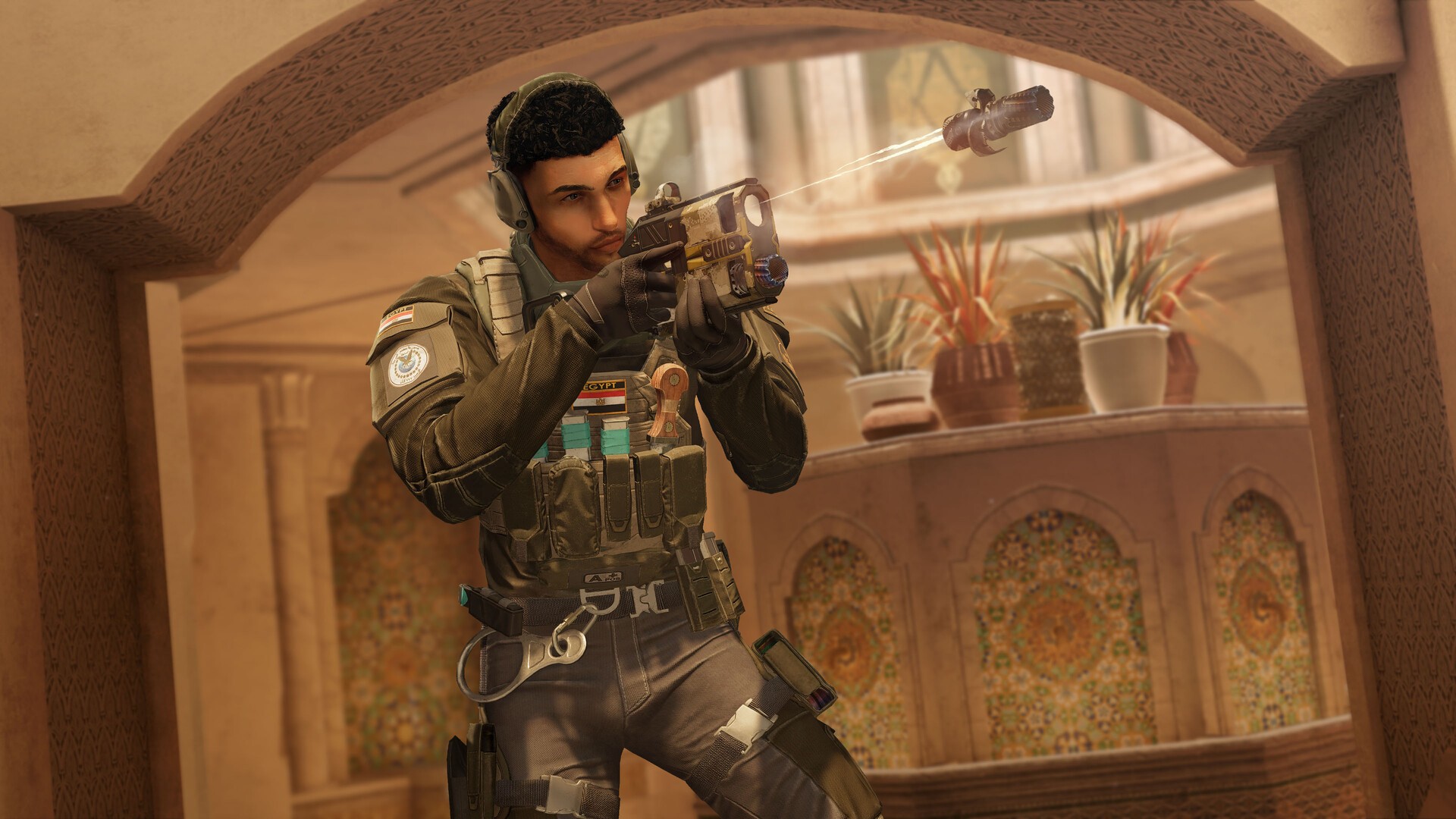
Among the most significant announcements were updates to titles that have already secured a foothold in the competitive landscape. Ubisoft’s Rainbow Six Siege featured prominently with its "Operation Splitfire" update. Now in its ninth year of live-service support, the update continues to refine the tactical destruction and team-based gadgets that have defined the title. For Xbox players, this represents the continued commitment to the platform’s most enduring tactical shooter, ensuring that the hardware remains a primary hub for high-level competitive play.
In a similar vein, VOID Interactive showcased the Version 1.5 update for Ready Or Not. As a spiritual successor to the classic SWAT series, Ready Or Not has garnered acclaim for its uncompromising depiction of tactical police interventions. The 1.5 update introduces enhanced commander mechanics and refined AI behavior, aimed at increasing the unpredictability of suspect encounters. While the game currently enjoys a robust following on PC, the developers have reiterated that a console transition remains a long-term goal, though technical hurdles regarding the complex control scheme for controllers remain a point of active development.
Team17 and Cover 6 Studios also utilized the showcase to reveal Hell Let Loose: Vietnam. This expansion marks a departure from the game’s World War II roots, shifting the 50v50 tactical combat to the dense jungles and asymmetric warfare of the Vietnam conflict. The update, which is currently live, utilizes the same large-scale infrastructure that has made the base game a staple on Xbox Series X|S, providing players with authentic weaponry and vehicle-based combat typical of the era.
The Extraction Shooter Surge
A dominant theme throughout the FPS Games Show was the "extraction" sub-genre, characterized by high-risk, high-reward gameplay where players must secure loot and exit a map before being killed. Battlestate Games provided an update on Escape From Tarkov, the title widely credited with popularizing this format. While a console release for Tarkov has been a subject of speculation for years, the developers maintained a "TBD" status, focusing on the technical refinement of the PC version’s persistent world and "wipe" cycles.
However, several competitors are actively eyeing the console market. Gray Zone Warfare, developed by Madfinger Games, confirmed that a console release is planned following its Early Access period on PC. Set on a quarantined Southeast Asian island, the game emphasizes "tactical realism" and features a massive open world. The developer’s commitment to a console port suggests that the Xbox Series X’s processing power is being viewed as a viable target for the game’s complex ballistics and AI systems.
Similarly, Beautiful Light, a PvPvPvE tactical extraction shooter, was revealed with a horror-infused aesthetic. Six squads of three operators must secure artifacts in a hostile environment populated by both human rivals and monstrous anomalies. The developer expressed a clear intent to bring the game to Xbox eventually, citing the growing demand for "hardcore" experiences on consoles. STALZONE also entered the fray, offering a persistent world set in the Chernobyl Exclusion Zone, though its path to Xbox remains less certain as the project is in the early stages of development.
Historical and Alternate History Warfare
Historical accuracy and unique period settings were also at the forefront of the event. Gallipoli: Second Expedition, slated for release on October 1, 2026, promises an immersive look at the Ottoman Front during World War I. Featuring 50-player objective-based battles and ten historic classes, the game seeks to fill a niche for large-scale historical simulations that has been largely vacant since the peak of the Battlefield franchise’s historical entries.
In a more stylized approach, SAND: Raiders of Sophie introduced a "desert-punk" alternate history set in 1910. Players operate highly customizable walking mechs, scavenging a procedurally generated desert. The game combines vehicle management with traditional FPS combat, offering a unique mechanical hook. While its release date remains TBD, the project highlights a trend toward blending genres to differentiate new IP in a crowded market.
Technical Innovation and the Unreal Engine 5 Leap
One of the most visually striking reveals was Bodycam, a tactical multiplayer FPS that utilizes a body-camera perspective to achieve a high degree of photorealism. Built in Unreal Engine 5, the game emphasizes "raw and loud" close-quarters combat. While its current focus is the PC market, the technical showcase demonstrated the capabilities of current-gen hardware. The industry’s shift toward Unreal Engine 5 is expected to streamline future porting processes, making it easier for indie titles like Bodycam to eventually find a home on Xbox hardware.
Road To Vostok also made an appearance, representing the "hardcore survival" segment of the show. Set in a post-apocalyptic border zone between Finland and Russia, the game features permadeath mechanics and a focus on looting and preparation. The project gained industry attention recently when its solo developer transitioned the entire game from the Unity engine to Godot following changes in Unity’s pricing structure—a move that resonated with the developer community and highlighted the volatility of modern game middleware.
Future Prospects for the Xbox Ecosystem
The FPS Games Show highlighted a clear divide between current PC availability and future console plans. Titles like Terminal War and WARDOGS explicitly confirmed that console releases are planned after their initial PC launches. Terminal War, a third-person/first-person hybrid set in a fractured 1990s America, and WARDOGS, a 100-player tactical warfare game, both represent the type of large-scale, high-fidelity games that take advantage of the Xbox Series X’s SSD and CPU capabilities.
Conversely, titles such as Incursion Red River, Bellum, and ’83 currently list an Xbox release as "unlikely." This status often stems from the resource-intensive nature of porting complex tactical simulations, which frequently require extensive UI redesigns to accommodate controllers and rigorous optimization to meet console certification standards.
Industry Analysis and Implications
The success of the first FPS Games Show suggests a maturing market where players are moving away from the "twitch-based" shooters of the past decade in favor of "high-stakes" gameplay. The prevalence of tactical shooters and extraction mechanics indicates that the audience for FPS games is increasingly valuing patience, teamwork, and strategic planning over pure reflexes.
For Xbox, the event serves as a roadmap for the "hardcore" segment of its library. As Microsoft continues to position the Xbox Game Pass service as a home for diverse genres, securing console exclusivity or day-one launches for titles like Gray Zone Warfare or Sand could be a strategic advantage. Furthermore, the event underscores the importance of independent developers in driving innovation within the FPS space, as many of the most technically ambitious projects shown were not from "Triple-A" studios but from mid-sized or indie teams.
The timeline for many of these releases stretches into 2025 and 2026, suggesting that the current console generation is entering its most productive phase for niche genre expansion. As developers move past the cross-generation era (supporting Xbox One and PS4), the focus on "true" current-gen titles like those seen at the FPS Games Show is expected to increase, bringing higher fidelity and more complex simulation systems to the console audience.
In summary, the FPS Games Show has established itself as a vital venue for the genre. While many of the most anticipated titles are still on the horizon for Xbox fans, the sheer volume of "console planned" announcements indicates a healthy pipeline for the platform. The shift toward realism and tactical depth is no longer confined to the PC market, as developers increasingly recognize the viability of the console ecosystem for sophisticated military simulations.