


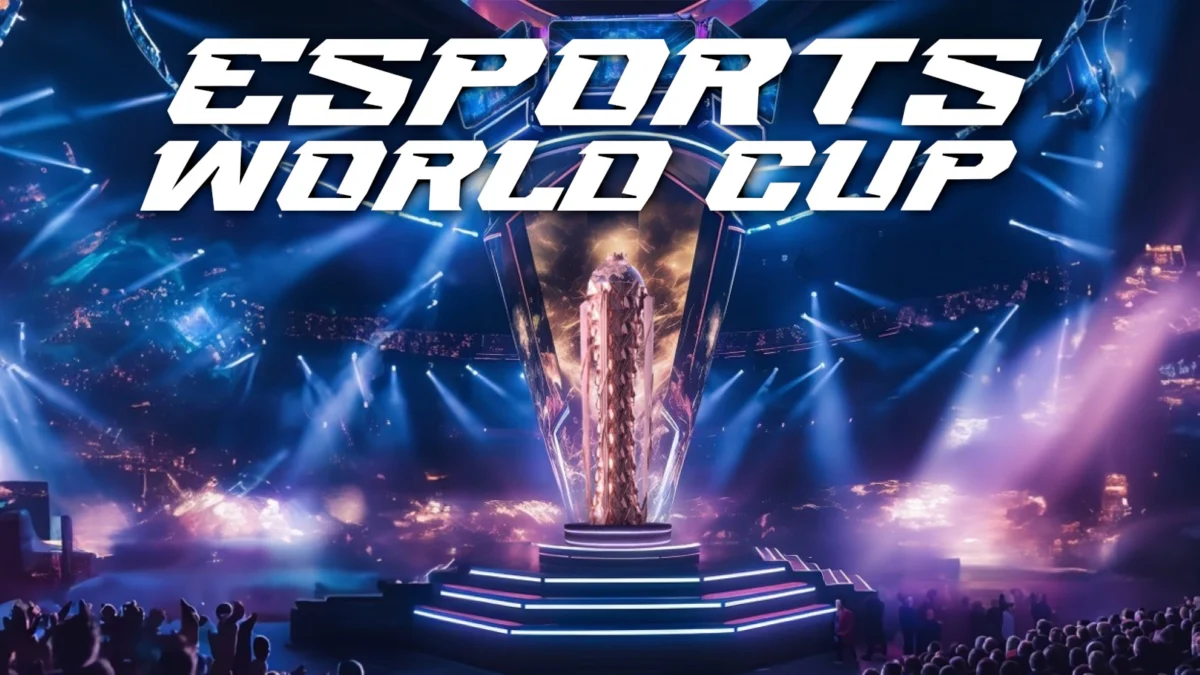
The highly anticipated 2026 Esports World Cup (EWC) has officially relocated its prestigious global championship from Riyadh, Saudi Arabia, to the iconic city of Paris, France. This significant shift, confirmed by the Esports Foundation on May 20, marks a pivotal moment in the tournament’s trajectory, moving it from its originally planned July-August 2026 slot in Riyadh. The decision stems from an extensive evaluation process, driven by prevailing geopolitical conditions in the Middle East, underscoring the complex interplay between global events and major international sporting spectacles.
Strategic Relocation Driven by Regional Instability
The Esports Foundation, the organizing body behind the EWC, cited the "current regional situation" as the primary catalyst for accelerating the international rotation of the event. In a statement released to the public, the Foundation emphasized its commitment to providing a stable and predictable environment for all stakeholders. "Our EWC fans are at the heart of everything we do, and we wanted to make sure that you and the Players, Clubs and Teams were offered clarity and stability you need to plan your event attendance and travel plans," the statement read. This proactive approach aims to mitigate potential disruptions and ensure the smooth execution of what is poised to be one of the largest esports tournaments in history.
Paris: A New Chapter in Esports History
The selection of Paris as the new host city signifies more than just a change of venue; it represents a new era for the Esports World Cup. Paris, a city renowned for its rich cultural heritage and its proven track record in hosting major international sporting events, including the upcoming Olympic Games, offers a vibrant and accessible platform for the global esports community.
Ralf Reichert, CEO of the Esports Foundation, expressed his enthusiasm for this new partnership. "This year, we’re excited to bring EWC to Paris for its first edition outside Saudi Arabia. Paris has hosted some of the world’s biggest sporting events and is one of the great global capitals of sport, culture and entertainment," Reichert stated. He further elaborated on the strategic vision for the EWC’s expansion, highlighting Paris’s pivotal role. "Together with the passion of French fans and the strong support we’ve received locally, we’re excited to bring the global esports community there for the next chapter of EWC. Paris now becomes the first international chapter in EWC history."
A Pre-Planned Evolution of the EWC Model
While the immediate relocation was prompted by unforeseen circumstances, the Esports World Cup has always envisioned a global footprint. The original strategic framework for the EWC included plans for international rotation and the implementation of hosting fees for participating cities, serving as a diversified revenue stream for the event. This foresight suggests that Paris was always a strong contender for future iterations, and the current situation has merely expedited this planned evolution. The concept of a globally distributed esports championship aims to foster greater international engagement and provide opportunities for diverse fan bases to experience the pinnacle of competitive gaming firsthand.
Royal Endorsement and Global Reach
The announcement received a swift and positive response from French President Emmanuel Macron, who expressed his delight at hosting such a significant global event. "It’s an honor," Macron commented on social media, acknowledging Saudi Arabia’s initial trust and expressing readiness to host. "We are ready to organize this 2026 e-sports World Cup. Very proud to welcome the world again," he added in a post that also highlighted the strategic importance of bringing such a prominent digital sports event to France. This high-level endorsement underscores the growing recognition of esports as a legitimate and impactful global industry, capable of drawing international attention and economic benefits.
Unprecedented Prize Pool and Diverse Competition
The 2026 Esports World Cup is set to shatter previous benchmarks with an astounding prize pool of $75 million. This colossal sum is distributed across 24 distinct esports titles, showcasing the breadth and depth of the competitive gaming landscape. The curated selection of games reflects a strategic decision to encompass a wide spectrum of popular esports genres, ensuring appeal to a diverse global audience.
The impressive roster of games includes:

- First-Person Shooters (FPS): Titles like Valorant and Counter-Strike 2 (CS2) will undoubtedly draw massive viewership, given their established competitive scenes and dedicated fan bases. These games demand exceptional teamwork, strategic prowess, and lightning-fast reflexes.
- Multiplayer Online Battle Arenas (MOBAs): The inclusion of League of Legends is a cornerstone for any major esports event. Its complex meta, deep strategic gameplay, and massive global player base make it a perennial favorite.
- Real-Time Strategy (RTS): While not explicitly mentioned in the initial snippet, the inclusion of RTS titles would further broaden the competitive scope, testing different cognitive abilities.
- Battle Royale: Games in this genre, known for their high-stakes, last-player-standing format, often attract large casual and competitive audiences.
- Sports Simulations: Including virtual iterations of traditional sports further bridges the gap between established sports fans and the esports world.
- Strategic and Puzzle Games: The inclusion of titles like Chess adds an element of intellectual competition that transcends typical gaming genres, demonstrating the multifaceted nature of esports. This demonstrates a commitment to showcasing a holistic view of competitive gaming, from fast-paced action to deep strategic thinking.
The sheer scale of the prize pool not only incentivizes elite performance from participating teams but also signals the growing financial power and investment within the esports industry. This substantial reward underscores the EWC’s ambition to be the undisputed premier event in competitive gaming.
Background and Evolution of the Esports World Cup
The Esports World Cup, a relatively new entrant in the global esports calendar, was conceived with the ambitious goal of unifying the fragmented esports landscape. Unlike other major tournaments that often focus on specific titles or regions, the EWC aims to be an overarching championship that brings together the best teams and players from across multiple disciplines under one banner.
The inaugural event was planned for Riyadh, Saudi Arabia, with significant backing from the Saudi government. This partnership was seen as a strategic move to establish Saudi Arabia as a major hub for global esports and entertainment. The initial plan was to host the tournament in Riyadh for a period, before embarking on its international rotation. The substantial investment in the EWC reflects a broader trend of nations and corporations recognizing the immense potential of esports, both culturally and economically.
The EWC’s structure, featuring a unified prize pool across multiple games and a club-based championship format, is designed to foster team cohesion and strategic planning beyond individual game titles. This approach encourages a more holistic view of esports talent and team management, mirroring some aspects of traditional sports leagues. The emphasis on a "club" championship, where teams compete across various games, is a novel concept that seeks to elevate the prestige of esports organizations.
Analysis of the Move to Paris
The relocation to Paris presents both opportunities and challenges for the Esports World Cup.
Opportunities:
- Established Infrastructure: Paris possesses world-class sporting venues and extensive experience in hosting large-scale international events, providing a robust logistical framework.
- Cultural Appeal: The city’s global recognition as a center of culture and tourism will likely attract a wider audience, including those who might not be traditional esports fans.
- European Market Access: Hosting in Paris opens the EWC to the significant and passionate esports market in Europe, a region with a long history of competitive gaming.
- Brand Enhancement: Associating the EWC with a city like Paris can elevate its brand prestige and global perception.
Challenges:
- Logistical Adjustments: While Paris has excellent infrastructure, adapting to a new venue and planning significant events on a compressed timeline requires meticulous coordination.
- Fan Travel and Accessibility: Ensuring ease of travel and accommodation for international fans and participants will be crucial.
- Geopolitical Sensitivity: While the move addresses current conflicts, future geopolitical stability remains a consideration for any global event.
- Maintaining Momentum: The shift in location necessitates a robust marketing and communication strategy to maintain excitement and engagement from fans worldwide.
The Future of Global Esports Events
The decision to move the Esports World Cup to Paris underscores the dynamic and often unpredictable nature of organizing global sporting events in the 21st century. It highlights the increasing importance of geopolitical stability and the need for flexibility in event planning. Furthermore, it signals the growing influence of esports on the global stage, attracting significant investment and governmental support.
The Esports World Cup’s commitment to international rotation and its ambitious prize pool position it as a potential game-changer in the esports landscape. The success of the 2026 event in Paris will not only determine the future trajectory of the EWC but also set a precedent for how major esports championships can navigate complex global challenges while fostering a unified and competitive environment for players and fans alike. The move to Paris represents a bold step forward, aiming to solidify the EWC’s position as a premier global esports spectacle.