


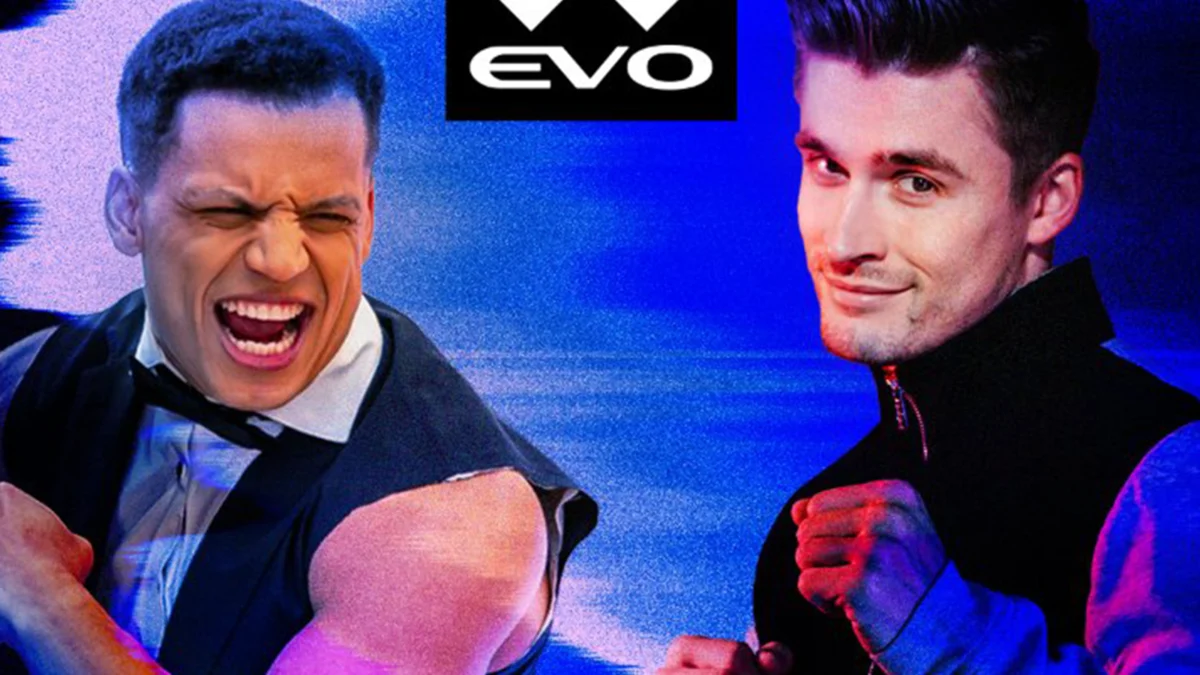
The announcement of a special Street Fighter 6 exhibition match between prominent streamers Ludwig Ahgren and Tyler "Tyler1" Steinkamp at Evo Las Vegas 2026 has ignited a significant discussion within the fighting game community (FGC). While the event promises to bring a massive audience to one of esports’ most prestigious fighting game tournaments, it has also drawn criticism from some veteran FGC members who question the inclusion of individuals not deeply entrenched in the competitive fighting game scene.
Evo, often referred to as the "Evolution Championship Series," stands as the premier fighting game tournament globally, drawing hundreds of thousands of viewers and tens of thousands of competitors annually. Its decision to feature a high-profile exhibition match with streamers, rather than solely focusing on established professional players, has led to concerns about the allocation of resources and the perception of what constitutes a legitimate FGC event.
Ludwig, addressing the controversy during an April live stream, revealed the substantial financial incentive behind his participation. He stated, "I’d been paid $500,000 to compete in the exhibition." This figure underscores the significant investment made by the organizers, prompting further questions about the return on investment and the potential displacement of other FGC-focused initiatives.
When questioned about his motivations for accepting the offer, Ludwig emphasized the collaborative and entertainment aspects. "I agreed to this because in general, I like doing content with Tyler," he explained. "I think it’d be fun." This sentiment highlights a potential disconnect between the entertainment-driven world of streaming and the more competition-focused ethos of the FGC.
The streamer acknowledged the online backlash, stating, "There were actually a lot of people online who were a bit upset about this. I think some of the FGC members thought there was a lot of budget and opportunity costs that went into this that could have gone into something else, which I think is just a misunderstanding of the case here." This suggests a need for clearer communication and understanding between the organizers, the featured personalities, and the existing FGC ecosystem.
Strategic Alignment: Beyond the Exhibition Match
Ludwig’s involvement with Evo extends beyond the highly publicized Street Fighter 6 exhibition. He articulated a broader strategy to leverage the Evo platform for the promotion of "Rivals of Aether II," a platform fighter published by his company, Offbrand Games. This strategic move reveals a dual purpose for his attendance: personal entertainment and business development within the fighting game genre.
"I was always planning to go to Evo, regardless," Ludwig asserted. "I’m not going to Evo just for a paid opportunity just to do Street Fighter. I want Rivals of Aether II to have the biggest tournament at Evo." This statement indicates that the exhibition match, while lucrative, is not the sole driver of his presence. Instead, it appears to be a component of a larger campaign to elevate his own game’s profile within the fighting game community.
Ludwig further elaborated on his commitment to "Rivals of Aether II," expressing his desire to see it become a significant presence at Evo. He revealed plans to "cover registration for basically hundreds of people to go to Evo and play the game." This initiative aims to directly increase player participation and tournament viewership for his company’s title, potentially challenging the dominance of established fighting games within the Evo lineup. The commitment to subsidizing player entry fees is a substantial financial undertaking, further demonstrating the seriousness of his promotional efforts.
A Deeper Dive into Player Skill and Past Performances
The credibility of both Ludwig and Tyler1 as participants in a high-profile fighting game event has been a focal point of the community debate. Ludwig shared screenshots of direct messages with Tyler1, indicating that the latter has achieved the Master rank in Street Fighter 6. This is a significant accomplishment, placing Tyler1 among the top echelon of players within the game’s competitive ladder. Ludwig, for his part, stated his current rank is Platinum.
This revelation adds a layer of competitive legitimacy to the exhibition, suggesting that the participants are not entirely novices. However, the FGC often distinguishes between online ladder achievements and performance in high-pressure tournament environments, especially on a stage as significant as Evo.
Both streamers have a history of engaging with the Street Fighter franchise. Tyler1 notably hosted a "Modern controls-only tournament" with a $10,000 grand prize in the previous year. This event, while unique in its control scheme restriction, still demonstrated an investment in the Street Fighter 6 competitive scene. Ludwig, on the other hand, participated in the 2025 AT&T Annihilator Cup, an event that included Street Fighter 6, where he secured a 5th-place finish. While not a top-tier professional result, his participation in a recognized tournament signifies a level of engagement beyond casual play.
Community Reactions and Historical Context of Evo Exhibitions
The controversy surrounding Ludwig and Tyler1’s inclusion at Evo is not unprecedented. Evo has historically sought to balance its traditional competitive focus with broader appeal, occasionally incorporating celebrity appearances or exhibition matches designed to attract a wider audience. These decisions have often been met with mixed reactions.
The FGC, at its core, is a community built on years of dedication, practice, and the pursuit of competitive excellence. For many, Evo represents the pinnacle of this dedication, a space where the best players in the world showcase their skills. The inclusion of streamers, particularly those whose primary engagement with fighting games is through content creation rather than direct competition, can be perceived as a dilution of this core identity.
Arguments against such inclusions often center on the idea that the significant financial and logistical resources allocated to these exhibitions could be better used to support emerging talent, increase prize pools for the main tournaments, or fund grassroots FGC initiatives. The "opportunity cost" argument suggests that each slot or resource dedicated to a non-traditional participant is a slot or resource taken away from someone who has spent years honing their craft within the competitive scene.
However, proponents of these exhibitions argue that they serve a vital role in expanding the reach of fighting games. Streamers like Ludwig and Tyler1 command massive audiences that extend far beyond the existing FGC. Their participation can introduce new viewers to the genre, potentially fostering a new generation of competitive players and fans. The revenue generated from such high-profile events can also trickle down, enabling organizers to invest more in the overall experience and sustainability of Evo.
The specific context of Street Fighter 6 is also relevant. As a flagship title for Capcom and a major presence at Evo, its exhibition matches carry considerable weight. The game’s accessibility, particularly with its modern control options, has broadened its appeal, making it a plausible candidate for cross-over appeal with content creators.
The Business of Esports and Content Creation
The financial aspect of streamer involvement in major esports events is a complex interplay between the entertainment industry and competitive gaming. The $500,000 figure mentioned by Ludwig signifies the market value of his audience and influence. For event organizers, securing such talent can be a strategic decision to maximize viewership, sponsorship opportunities, and overall event buzz.
This business model, while effective in generating revenue, can create friction within communities that prioritize meritocracy and long-standing competitive traditions. The FGC has a rich history of organic growth, fueled by passionate players and dedicated organizers. The introduction of significant external financial influences, while potentially beneficial, requires careful management to avoid alienating the core community.
The decision to feature Ludwig and Tyler1 in a Street Fighter 6 exhibition at Evo Las Vegas 2026 is a clear indication of the evolving landscape of esports. It reflects a growing trend of integrating popular online personalities into traditional competitive events, aiming to bridge the gap between mainstream entertainment and niche esports. The success of this strategy will likely be measured not only by the viewership numbers of the exhibition but also by its long-term impact on the growth and perception of the fighting game community. The debate it has sparked is a healthy, albeit sometimes contentious, part of this ongoing evolution.