


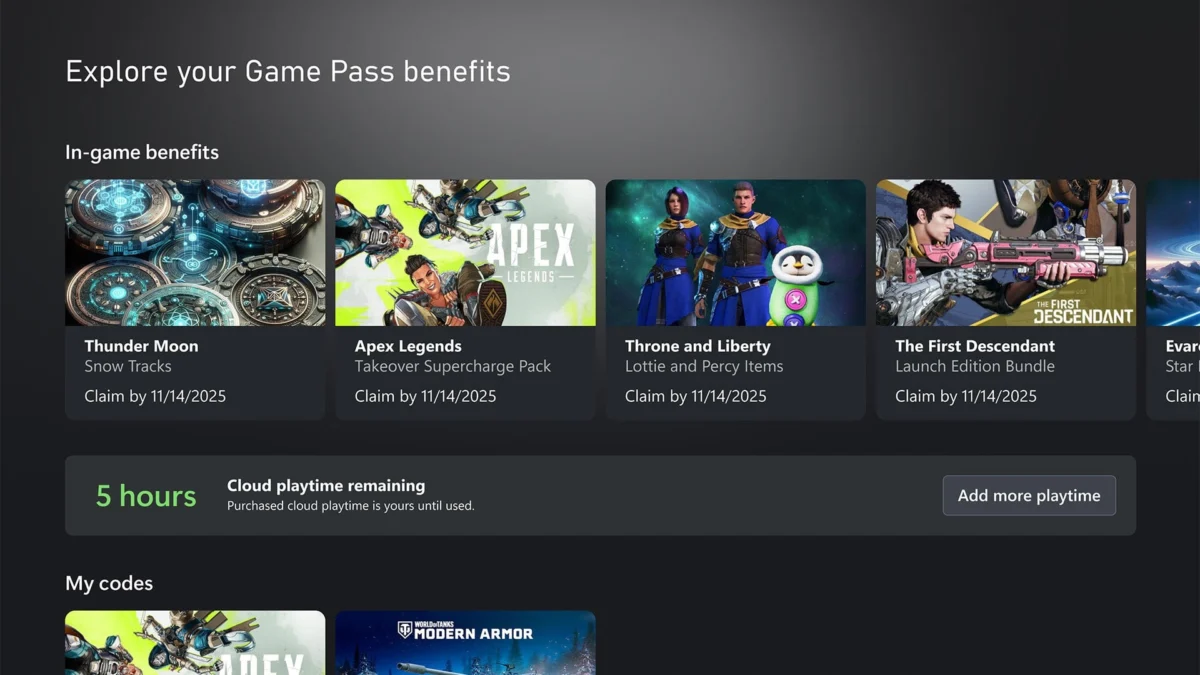
Under the new policy, Xbox Game Pass Ultimate subscribers will be granted 15 hours of Xbox Cloud Gaming per month. Those on the Premium tier will receive 10 hours, while Essential members will be limited to 5 hours of cloud-streamed gameplay each month. This tiered allocation directly correlates with the subscription level, aiming to align usage benefits with the financial commitment of each member. Microsoft has indicated that this change is a necessary measure to ensure the long-term sustainability and continued investment in the reliability and performance of its cloud gaming service.
The Genesis of Xbox Cloud Gaming and Game Pass Integration
To understand the full scope of this announcement, it’s crucial to trace the lineage of Xbox Cloud Gaming and its integration into the Game Pass ecosystem. Microsoft officially unveiled Project xCloud in 2018, with the ambitious goal of bringing Xbox gaming to a broader audience on various devices, untethered from dedicated console hardware. The vision was clear: to make gaming accessible anytime, anywhere, fostering a deeper connection with the Xbox brand.
In September 2020, Project xCloud, rebranded as Xbox Cloud Gaming, was officially launched and integrated into Xbox Game Pass Ultimate as a core benefit. This integration was a cornerstone of Microsoft’s "gaming everywhere" strategy, significantly enhancing the value proposition of the Ultimate tier. Subscribers gained the ability to stream a vast library of Game Pass titles directly to Android phones, tablets, and eventually PCs and iOS devices via web browsers, without needing to download games or own an Xbox console. This "unlimited" cloud gaming access quickly became a major draw, distinguishing Game Pass Ultimate from competitors and reinforcing Microsoft’s commitment to cloud-powered gaming as a future pillar of its business.
The initial offering of seemingly unrestricted cloud gaming hours was a bold statement, designed to attract early adopters and showcase the technology’s potential. It allowed users to experiment freely, fostering engagement and providing valuable data on usage patterns. For years, this model persisted, contributing to the rapid growth of Game Pass subscriptions and expanding the reach of Xbox content beyond traditional console boundaries.
Microsoft’s Rationale: The Economics of Cloud Infrastructure
Microsoft’s official statement attributes the upcoming change to the escalating costs associated with providing cloud gaming services. "We’re introducing this model because the cost of providing cloud gaming grows as more people use it and play for longer," the company explained. This rationale highlights the inherent economic challenges of operating a large-scale, high-performance cloud infrastructure.
Cloud gaming is an immensely resource-intensive endeavor. Each concurrent user requires dedicated server hardware—including powerful GPUs, CPUs, and RAM—to render and stream games in real-time. This server capacity must be strategically distributed across numerous data centers worldwide to minimize latency, a critical factor for a responsive gaming experience. Beyond the hardware, significant operational costs include:
- Network Infrastructure: High-bandwidth internet connections are essential, both within data centers and to end-users, requiring robust peering agreements and global content delivery networks (CDNs).
- Energy Consumption: Powering thousands of servers and cooling vast data centers incurs substantial electricity costs.
- Software Development and Maintenance: Continuous investment is needed for the proprietary streaming technology, encoding/decoding algorithms, and backend management systems to ensure smooth performance and compatibility with new titles.
- Licensing and Royalties: While Game Pass itself covers game licensing, the operational costs are distinct and ongoing.
As Game Pass grew in popularity and cloud gaming became more stable and widely adopted, the aggregate demand on Microsoft’s Azure cloud infrastructure increased exponentially. An "all-you-can-eat" model, while attractive to consumers, can become economically challenging if a significant portion of users consume a disproportionately high amount of resources. This phenomenon, often referred to as "super users" or "heavy users," can drive up average costs per subscriber beyond sustainable levels, especially when the subscription price remains constant.
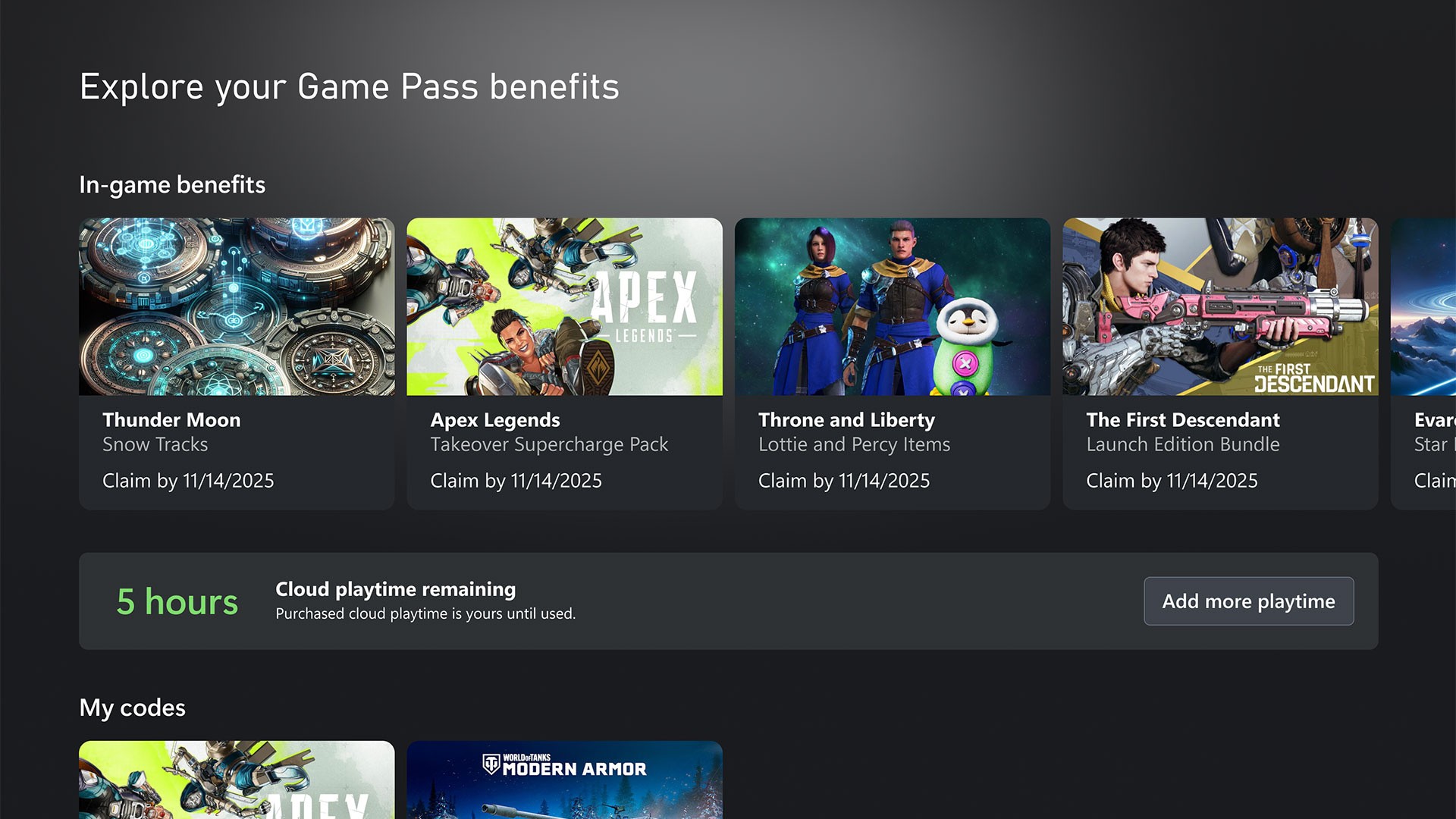
This strategic pivot suggests a move towards a more sustainable economic model, balancing user acquisition and retention with the long-term financial viability of the service. By implementing limits, Microsoft aims to gain greater control over its operational expenditures, allowing for continued investment in the underlying technology without facing spiraling costs from a minority of heavy users.
Anticipated Impact on Subscribers and Market Dynamics
Microsoft projects that the change will impact approximately "4% of Game Pass subscribers" when it rolls out in November. While this percentage might seem small, it represents a substantial number of individuals given the reported tens of millions of Game Pass subscribers. These 4% are likely the most engaged and heaviest users of Xbox Cloud Gaming, individuals who frequently exceed the new monthly hour limits. For this segment of the user base, the practical result will indeed be a "higher cost" if they wish to maintain their current level of cloud gaming activity.
The introduction of purchasable additional playtime aims to mitigate this impact, offering a flexible solution for those who exceed their included hours. This model mirrors various data plan structures seen in telecommunications, where a base allowance is provided, with options to top up as needed. For non-Game Pass members, the ability to buy time will also open up cloud gaming as a standalone, occasional access service, potentially attracting a new demographic that desires cloud access without a recurring subscription commitment. This could be particularly appealing for those who only wish to play a specific game for a limited period or test the service before subscribing.
The announcement also alludes to an "ad-based free tier that’s currently in testing," which, if implemented, would further diversify Xbox Cloud Gaming’s monetization strategy. An ad-supported tier could serve as a powerful acquisition tool, lowering the barrier to entry for new users and potentially funneling them towards paid subscriptions or purchasable playtime once they experience the service. This approach is increasingly common across digital services, from music streaming to video-on-demand, offering a free, ad-supported experience as a gateway to premium, ad-free access.
Broader Industry Context and Precedents
The shift in Microsoft’s cloud gaming strategy is not isolated; it reflects broader trends and challenges within the nascent cloud gaming industry. The history of cloud gaming is replete with ambitious projects facing economic hurdles. Google’s Stadia, for instance, launched with significant fanfare but ultimately ceased operations in early 2023, citing a lack of user adoption and an unsustainable business model. Stadia’s "buy games and stream them" approach, without a compelling subscription library, proved difficult to scale profitably.
Other successful cloud gaming services, such as NVIDIA’s GeForce NOW, have long operated with tiered models. GeForce NOW offers a free tier with session limits (e.g., one-hour sessions) and queue waits, alongside paid priority and ultimate tiers that provide longer session times, faster access, and superior hardware. This tiered approach demonstrates a recognized need to segment users based on their willingness to pay and their consumption patterns, ensuring that the most resource-intensive users contribute more to the service’s operational costs. Amazon Luna also offers different channels and subscription models, reflecting a diverse monetization strategy.
Microsoft’s move can be seen as a maturation of its cloud gaming strategy, moving from an aggressive, market-penetrating "unlimited" offer to a more refined, economically sustainable model. This recalibration suggests that the initial phase of rapid expansion and user acquisition might be giving way to a focus on profitability and long-term service stability. It also signals that even a tech giant like Microsoft, with its extensive Azure cloud infrastructure, must confront the fundamental economics of streaming high-fidelity interactive content at scale.
Analysis of Implications and Future Outlook
For existing Game Pass Ultimate subscribers, particularly those who are heavy cloud gamers, this change will necessitate an evaluation of their usage habits and the overall value proposition of their subscription. While the 15-hour limit for Ultimate members might be sufficient for casual users or those who primarily play on consoles/PCs, dedicated cloud-only players could find themselves needing to purchase additional hours regularly, effectively increasing their monthly expenditure. This could potentially lead to some churn among the most impacted 4%, though Microsoft hopes the option to purchase extra time and the overall value of Game Pass will retain these users.
From Microsoft’s perspective, this strategic adjustment could lead to several positive outcomes. By better aligning revenue with resource consumption, the company can ensure a more predictable cost structure for its cloud gaming operations. This stability could free up capital for further innovation, allowing Microsoft to invest more aggressively in new cloud gaming features, expanded server capacity, improved streaming quality, and potentially bringing more demanding titles to the cloud. The promise of "continuing to invest in its reliability and performance" suggests that the company aims to enhance the core experience, possibly through upgrades to server hardware or advancements in streaming technology.
The introduction of purchasable hours and a potential ad-supported free tier also points to a broadening of Microsoft’s cloud gaming market strategy. It enables the company to tap into different consumer segments: the dedicated subscriber, the occasional cloud gamer, and potentially even users in emerging markets where hardware ownership might be less prevalent. This multi-faceted approach could drive new revenue streams and expand the overall reach of Xbox Cloud Gaming, making it more flexible and accessible to a wider audience.
Industry analysts are likely to view this move as a pragmatic adjustment by Microsoft, acknowledging the inherent costs of operating a premium cloud service. While some initial user dissatisfaction is expected, the long-term benefit of a more sustainable service could outweigh the short-term friction. This change could also set a precedent for other cloud gaming providers or even other "all-you-can-eat" digital services, encouraging a re-evaluation of unlimited consumption models in high-cost environments.
Looking ahead, Microsoft’s commitment to cloud gaming remains strong, evidenced by the continued investment and strategic adjustments. The company’s vision of making gaming accessible across all devices is a long-term play, and these changes are likely considered necessary steps to ensure that vision’s viability. The integration of cloud gaming with Game Pass remains a powerful differentiator, and the refined monetization strategy aims to solidify its foundation for future growth.
Pending Details and Consumer Readiness
As the November implementation date approaches, subscribers await further crucial details. Microsoft has stated that information regarding "pricing, purchasing additional hours, eligible games, market availability, and how players can check their remaining time" will be rolled out soon. The specific pricing structure for additional hours will be a key factor in how consumers perceive the value of the new model. Transparency and ease of access to usage data will also be critical for user satisfaction.
The announcement of a specific date in November will also provide a clearer timeline for users to adjust to the new limits. For the 4% of subscribers who will be directly impacted, understanding these details will be essential for planning their future gaming habits and budgeting for any potential additional costs. Microsoft’s communication strategy in the coming weeks will play a vital role in managing user expectations and ensuring a smooth transition to this new era of Xbox Cloud Gaming.