


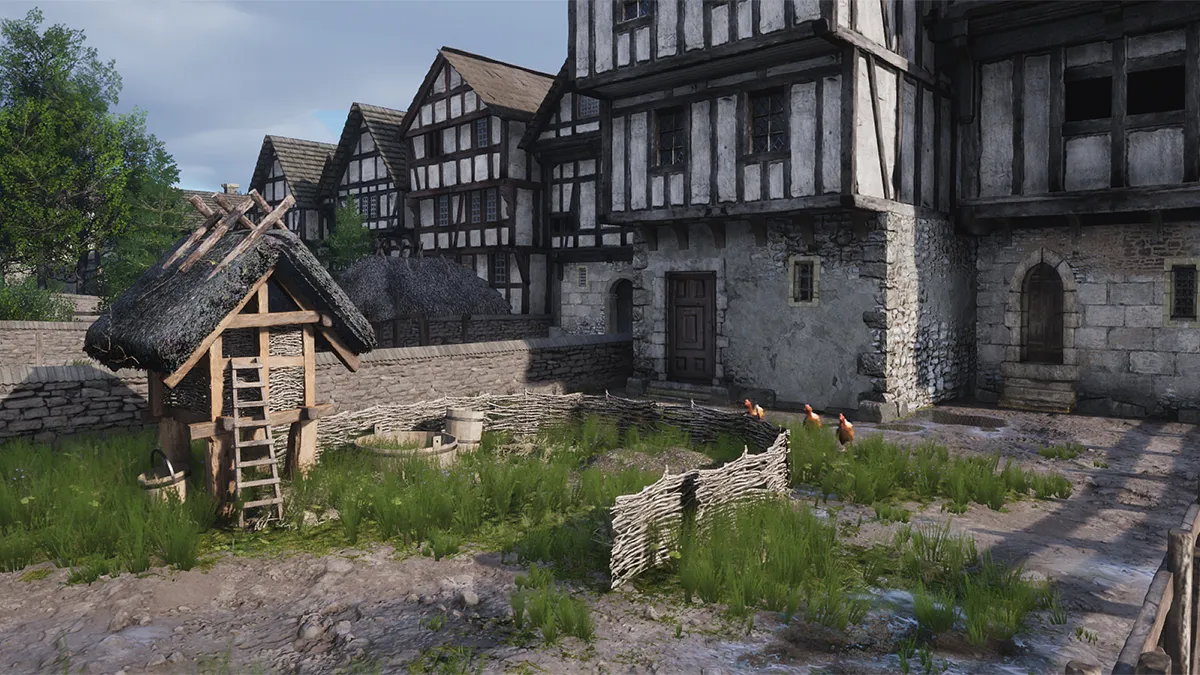
Upon embarking on the journey of establishing a medieval settlement in Manor Lords, players are immediately confronted with the fundamental challenge of population growth. The initial allocation of five humble families, while sufficient for the very first foundational tasks, quickly highlights the critical need for a larger workforce to expand and sustain the burgeoning village. The process of attracting new families, however, is not immediately intuitive, requiring a strategic understanding of the game’s core mechanics. This guide delves into the intricate systems governing population influx, providing a detailed roadmap for aspiring lords to cultivate a prosperous and populous domain.
The Pillars of Population Growth: Approval and Living Space
At the heart of Manor Lords’ population dynamics are two interconnected and indispensable elements: Approval and Living Space. Both must be adequately managed to encourage new families to migrate to the player’s settlement.
Approval: The Barometer of Villager Satisfaction
Approval, visibly tracked by a dedicated bar at the top-left of the user interface, serves as the primary indicator of the populace’s contentment. This metric directly dictates the rate at which new families consider relocating to the player’s territory. A minimum Approval rating of 50% is essential for any new families to arrive, with a steady influx of one family per month being the standard rate at this threshold. Surpassing this, an Approval rate of 75% or higher significantly accelerates growth, attracting two families monthly, thereby allowing for more rapid expansion and resource development. Conversely, allowing Approval to plummet below a critical 25% threshold precipitates a crisis: existing villagers will begin to abandon the settlement, seeking more favorable conditions elsewhere, leading to a detrimental decline in the workforce and overall stability.
The Approval system in Manor Lords is a sophisticated reflection of a medieval society’s needs and desires, demanding a holistic approach to governance. It is not merely about providing basic necessities but about fostering an environment of security, prosperity, and spiritual well-being.
Deciphering the Approval System: Factors Influencing Villager Contentment
A multitude of factors contribute to the overall Approval rating, each playing a crucial role in the delicate balance of villager happiness. Understanding and addressing these elements systematically is key to maintaining a consistently high Approval score.
-
Food Variety and Supply:
One of the earliest and most impactful drivers of Approval is the availability and diversity of food. In the nascent stages of a settlement, establishing a Hunting Camp for meat and a Forager Hut for berries provides a crucial initial food supply. However, long-term sustainability and higher Approval demand a more varied diet. This necessitates the introduction of farming (cultivating wheat for bread, barley for ale, or rye for diverse crops), animal husbandry (sheep for meat and wool, chickens for eggs and meat, goats for milk and meat), and potentially orchards for fruits. Processing these raw materials – milling wheat into flour, baking bread, brewing ale – further enhances their value and contributes significantly to villager satisfaction. A consistent supply of at least two distinct food types is often sufficient for basic Approval, but a broader culinary offering is required for higher contentment levels. -
Housing and Amenities:
Adequate housing is a fundamental human need, and in Manor Lords, it is directly tied to Burgage Plots. The construction of sufficient Burgage Plots ensures that incoming families have a place to live. Importantly, the game penalizes homelessness severely, leading to a rapid decline in Approval. Therefore, proactive construction, ensuring a slight surplus of vacant plots, is a prudent strategy. Beyond basic shelter, Burgage Plots have tiered requirements for amenities: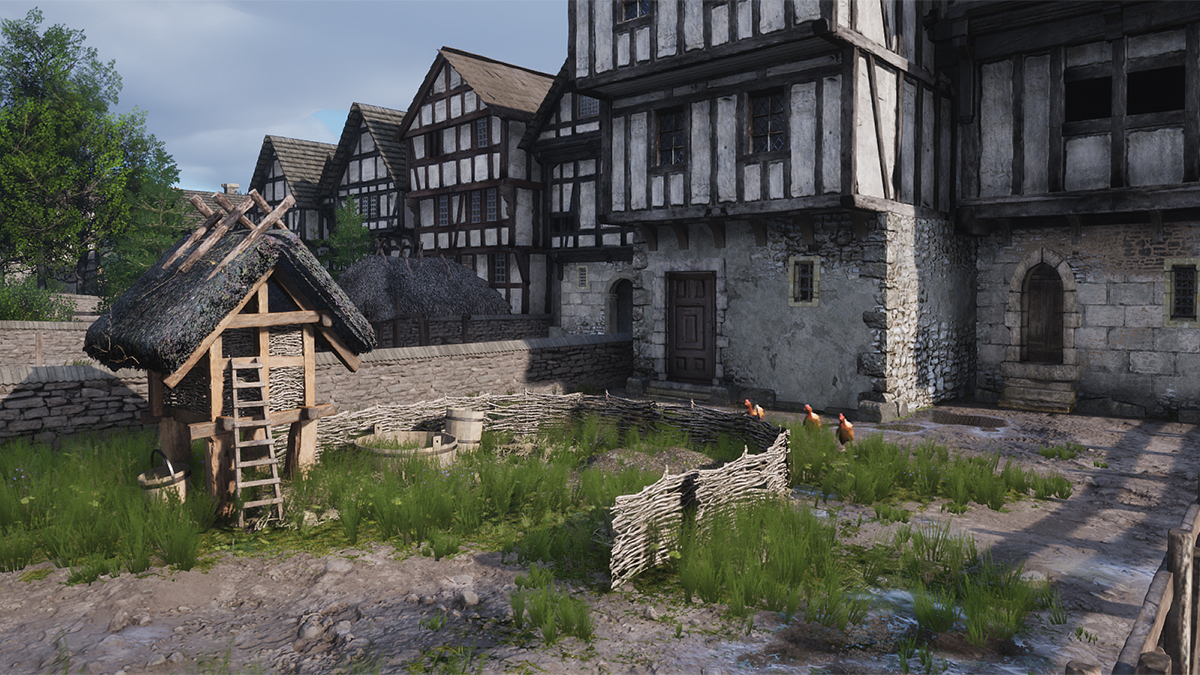
- Level 1 Burgage Plots: These basic homes require access to a nearby Well for water and a Church for spiritual needs.
- Level 2 Burgage Plots: Upgrading to this tier demands additional amenities, typically including access to a Tavern (supplying ale), a broader variety of goods available at market stalls, and sometimes specific building materials like planks for their construction. These upgrades also allow for backyard extensions, such as vegetable gardens, chicken coops, or workshops, which further contribute to household self-sufficiency and overall village economy.
- Level 3 Burgage Plots: The highest tier requires even more sophisticated amenities, including a wider range of luxury goods, more advanced services, and robust infrastructure. Each upgrade not only provides better housing but also unlocks opportunities for specialized production within the plots themselves, significantly boosting the village’s economic output.
-
Market Access and Goods:
A functioning Marketplace is vital. Villagers expect convenient access to a variety of goods. This includes not only diverse food items but also essential resources like fuel (firewood or charcoal), clothing (linen, leather, or wool), and tools. The presence of market stalls, stocked regularly from various production buildings (e.g., Sawpit for firewood, Weaver for linen, Blacksmith for tools), directly impacts villager satisfaction. A well-supplied market, offering a consistent and broad array of necessities, is a cornerstone of high Approval. -
Religious Satisfaction:
Faith played a central role in medieval life, and Manor Lords reflects this. The presence of a Church or, eventually, a larger Church structure, is crucial for meeting the spiritual needs of the populace. Proximity to a church and its overall capacity directly influences Approval, especially for higher-tier Burgage Plots. Neglecting religious infrastructure can lead to discontent, regardless of other provisions. -
Security and Order:
A sense of safety and protection from external threats is paramount. The looming threat of banditry or raids from hostile forces can significantly depress Approval. Establishing a Militia and ensuring they are adequately equipped and garrisoned provides a sense of security. Successfully repelling raids or maintaining a strong defensive posture actively contributes to villager contentment, reinforcing the lord’s capability to protect their people. -
Taxation Policies:
While taxes are necessary for the lord’s Treasury, their imposition must be carefully managed. Excessive taxation can quickly erode Approval, leading to widespread discontent and, eventually, emigration. A balanced approach, where taxes are perceived as fair and proportionate to the services provided by the lord, is crucial for long-term stability and high Approval. The challenge lies in balancing the need for regional wealth for upgrades and trade with the maintenance of villager happiness. -
Fuel Supply:
Especially during colder months, access to sufficient fuel (firewood or charcoal) is critical. Cold homes due to a lack of fuel will rapidly decrease Approval, as villagers prioritize warmth and comfort. Ensuring a robust and consistent supply chain for fuel, often via a Woodcutter’s Lodge and potentially a Charcoal Kiln, is a basic but essential requirement.
The Foundation of Growth: Burgage Plots and Infrastructure
The journey to a thriving settlement begins with the humble Burgage Plot. These residential buildings are not merely homes; they are the engine of population growth and, through their upgrade paths, the bedrock of the village’s economy.
Building the First Homes:
Initially, players will focus on constructing basic Burgage Plots. These simple structures provide shelter and are the first step in accommodating new families. The early placement of these plots should consider future expansion, particularly proximity to essential resources like water (Wells) and the soon-to-be-built Church. It is a common strategic error to build just enough plots for the current population; a slight surplus ensures that when new families arrive, they are immediately housed, preventing the detrimental "homelessness" penalty to Approval.
Upgrading Burgage Plots: Tiers and Requirements:
As the settlement develops, upgrading Burgage Plots becomes a priority. Each tier demands specific amenities and contributes to different aspects of the village’s economy and Approval:
- Level 1 to Level 2: This upgrade typically requires the plots to have access to a Church, a Well, and often a Tavern that supplies ale. Furthermore, the market must be able to consistently supply at least two types of food and one type of clothing or fuel. The ability to upgrade is also contingent on having the necessary construction materials, such as planks, signifying a step up in the village’s industrial capacity. Level 2 plots significantly boost Approval and often allow for backyard extensions.
- Level 2 to Level 3: This advanced upgrade demands an even higher standard of living. Villagers in Level 3 plots expect access to a greater variety of food (three or more types), more sophisticated clothing options, and potentially luxury goods. Furthermore, access to a higher-tier religious building (e.g., a larger church) and more robust infrastructure will be required. These plots typically generate more Regional Wealth and can host more advanced workshops, becoming vital centers for specialized production.
Beyond Basic Housing: Extensions and Workshops:
A unique feature of Burgage Plots is their ability to host backyard extensions. These extensions can range from simple vegetable gardens and chicken coops (providing self-sufficient food sources for the household) to specialized workshops. Workshops are critical for economic diversification and include structures like the Weaver’s Shop (producing linen or yarn), the Armorer’s Shop (crafting weapons), the Brewer’s Shop (producing ale), or the Cobbler’s Shop (making shoes). These workshops allow individual families to contribute directly to the village’s production chains, creating goods that can be sold at market stalls, used for upgrades, or exported for trade, thereby bolstering the overall economy and ensuring a steady supply of goods that contribute to Approval.
Early Game Strategies for Sustainable Expansion
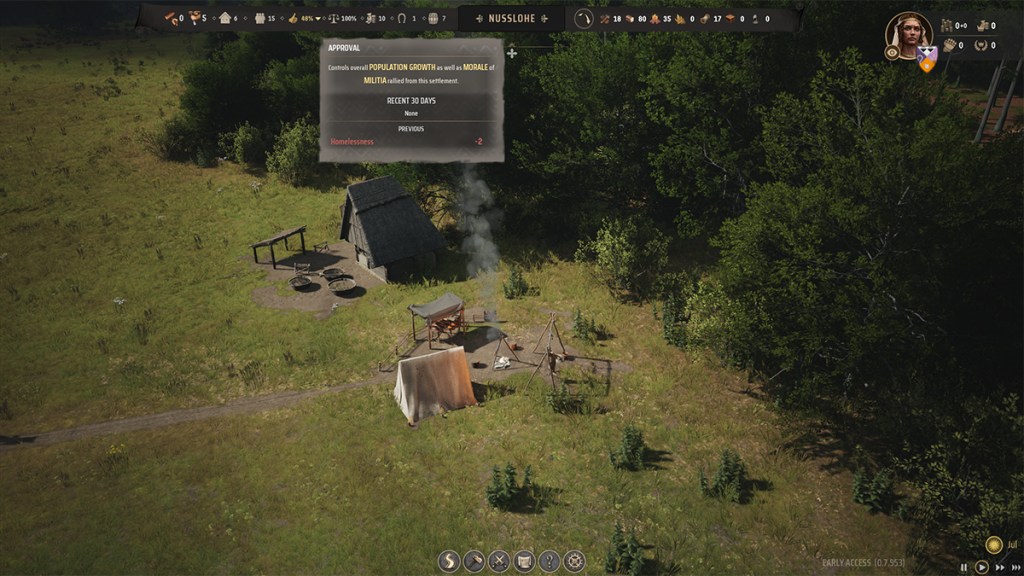
The initial phase of Manor Lords is characterized by a delicate balance of survival and foundational growth.
- Prioritize Basic Needs: Immediately establish a Hunting Camp and a Forager Hut to secure initial food sources. Simultaneously, construct a Woodcutter’s Lodge for fuel.
- Initial Housing and Water: Build 6-7 Burgage Plots, ensuring at least one or two are vacant for incoming families. Place a Well strategically to cover these plots.
- Spiritual Provision: Construct a Church as soon as resources allow. This, combined with food and water, should push Approval past 50%.
- Market Establishment: Create a Marketplace early on. While it won’t be fully stocked immediately, its presence is a prerequisite for higher Approval.
- Diversify Food: As soon as possible, expand beyond hunting and foraging. Establish a Farm for crops or a Sheep Farm for wool and meat. This provides the crucial "variety of food" bonus.
- Upgrade to Level 2: Once basic needs are met and a steady influx of families begins, focus on meeting the requirements for Level 2 Burgage Plots: build a Tavern and ensure a consistent ale supply (often requiring a Malthouse and Brewery), and expand market offerings.
Mid-Game Development and Advanced Considerations
As the village matures, the focus shifts from basic survival to economic specialization, trade, and defense.
- Specialized Production: Leverage Burgage Plot extensions to create a local industry (e.g., weaving, blacksmithing, brewing).
- Trade Routes: Establish trade routes to import necessary goods that cannot be produced locally or to export surpluses for Regional Wealth.
- Military Presence: Form a Militia to protect against banditry and raids, ensuring villager security and maintaining Approval.
- Infrastructure Expansion: Invest in roads, additional markets, and potentially more advanced buildings like a Sawmill for planks, a Tannery for leather, or a Blacksmith for tools.
- Managing Regional Wealth and Treasury: Balance personal treasury needs with the collective regional wealth, ensuring funds are available for village-wide projects and upgrades without over-taxing the populace.
The Consequences of Neglect: Population Decline and Stagnation
Ignoring the needs of the villagers carries severe consequences. A sustained period of low Approval (below 25%) will trigger an exodus of families. This not only reduces the available workforce but can also create a spiraling decline. Fewer workers mean slower resource gathering, slower construction, and a reduced ability to maintain existing services, further exacerbating Approval issues. A declining population can cripple a settlement’s ability to recover, leading to stagnation or even complete abandonment. The interconnectedness of the systems means that neglecting one aspect, such as fuel supply in winter, can cascade into food shortages, low approval, and ultimately, a failing village.
Developer’s Vision and Player Experience
The intricate population mechanics in Manor Lords are a testament to the developer Slavic Magic’s vision for a realistic and challenging medieval city-builder. The game eschews simplistic growth models in favor of a deeply interwoven system where every decision, from where to place a well to how much to tax, has tangible implications for the populace’s well-being. This design philosophy encourages players to think strategically, plan for the long term, and genuinely care for their virtual subjects, fostering a sense of responsibility and immersion that sets Manor Lords apart. The player experience is one of continuous problem-solving, where maintaining the delicate balance of resources, infrastructure, and human happiness is the ultimate strategic objective.
Strategic Outlook: Fostering a Thriving Domain
In conclusion, attracting and retaining villagers in Manor Lords is a multifaceted challenge that requires a comprehensive and adaptive strategy. It is not enough to simply build houses; a successful lord must cultivate an environment where diverse food is plentiful, essential amenities are accessible, security is assured, and economic opportunities abound. The Approval system acts as a living feedback loop, constantly informing the player of their performance as a ruler. By diligently managing food production, housing upgrades, market supply, religious provisions, and security measures, players can ensure a steady influx of new families, transforming their initial humble encampment into a bustling, prosperous medieval domain. The journey from five families to a thriving town is a testament to careful planning, strategic resource management, and a deep understanding of the intricate needs of a medieval populace.