


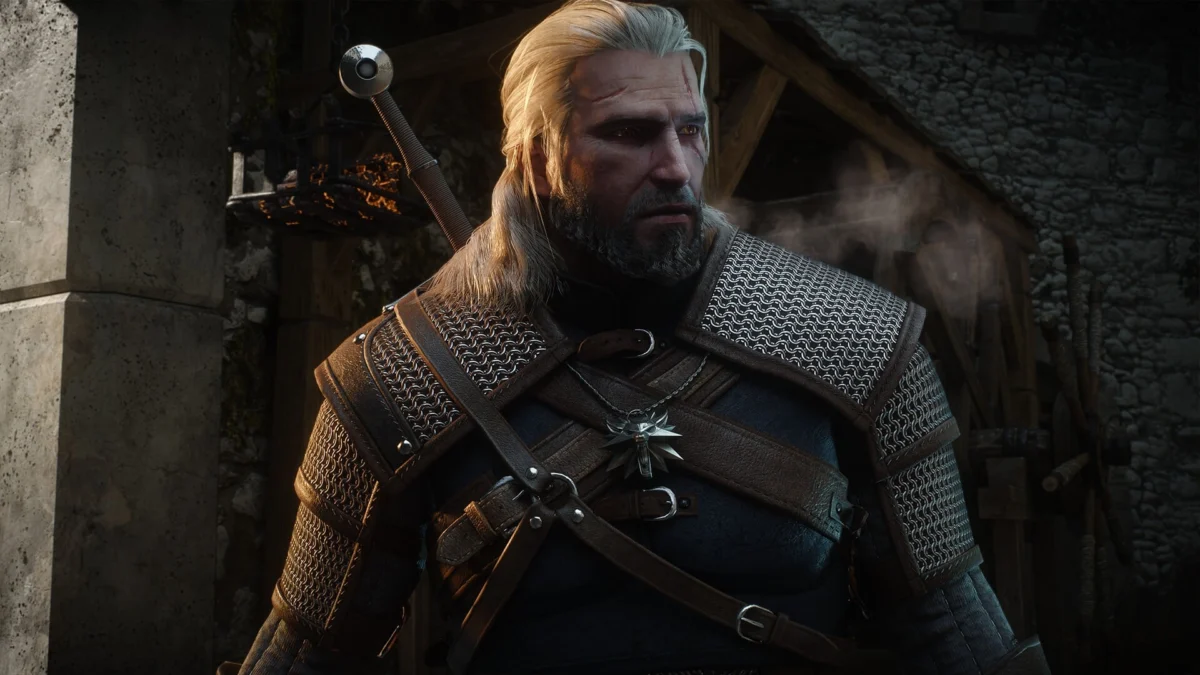
The acclaimed next-generation update for The Witcher 3: Wild Hunt, a visually refreshed and feature-rich rendition of the 2015 classic, arrived on Xbox Series X|S and other platforms almost a week ago as a complimentary upgrade, introducing a plethora of new functionalities and graphical enhancements. However, developer CD Projekt Red (CDPR) has signaled its continued commitment to refining the experience, today confirming that an additional five key fixes are actively in development for the latest release, with many slated for inclusion in the game’s forthcoming patch. This announcement underscores CDPR’s dedication to post-launch support and optimization, a critical aspect of modern game development, particularly for large-scale open-world titles.
Marcin Momot, CD Projekt Red’s Social Media Director, provided a brief but reassuring statement, indicating that these five identified issues represent the immediate priorities, with "some more" fixes also in the pipeline. While the specific details of these five critical fixes have not yet been fully disclosed, nor has a definitive timeline for the next update been provided, the proactive communication from CDPR is a positive sign for players. This responsiveness is particularly vital in the current gaming landscape, where the smooth performance and stability of next-gen updates are keenly observed by both the player community and industry analysts.
The Evolution of a Modern Classic: From Wild Hunt to Remastered
The Witcher 3: Wild Hunt, originally launched in May 2015, rapidly ascended to critical and commercial success, cementing its place as one of the most influential role-playing games of all time. Developed by Polish studio CD Projekt Red, the game captivated audiences with its sprawling open world, intricate narrative choices, memorable characters, and groundbreaking visual fidelity for its era. It garnered numerous Game of the Year awards and sold tens of millions of copies worldwide across various platforms, establishing the Witcher franchise as a global phenomenon beyond its literary origins. Its two major expansions, Hearts of Stone and Blood and Wine, were also lauded for their substantial content and narrative depth, further extending the game’s already impressive lifespan.
The decision to develop a dedicated next-generation update for The Witcher 3 was a natural progression, driven by the advent of more powerful console hardware like the Xbox Series X and PlayStation 5, as well as advancements in PC graphics technology. Announced initially in 2020, the update aimed to leverage these new capabilities to deliver a definitive version of the game. The development process, however, was not without its challenges, experiencing several delays before its eventual release. These delays, while sometimes frustrating for eager players, are often indicative of a developer’s commitment to quality assurance and thorough implementation, particularly when integrating complex new graphical features.
Key Enhancements of the Next-Gen Update
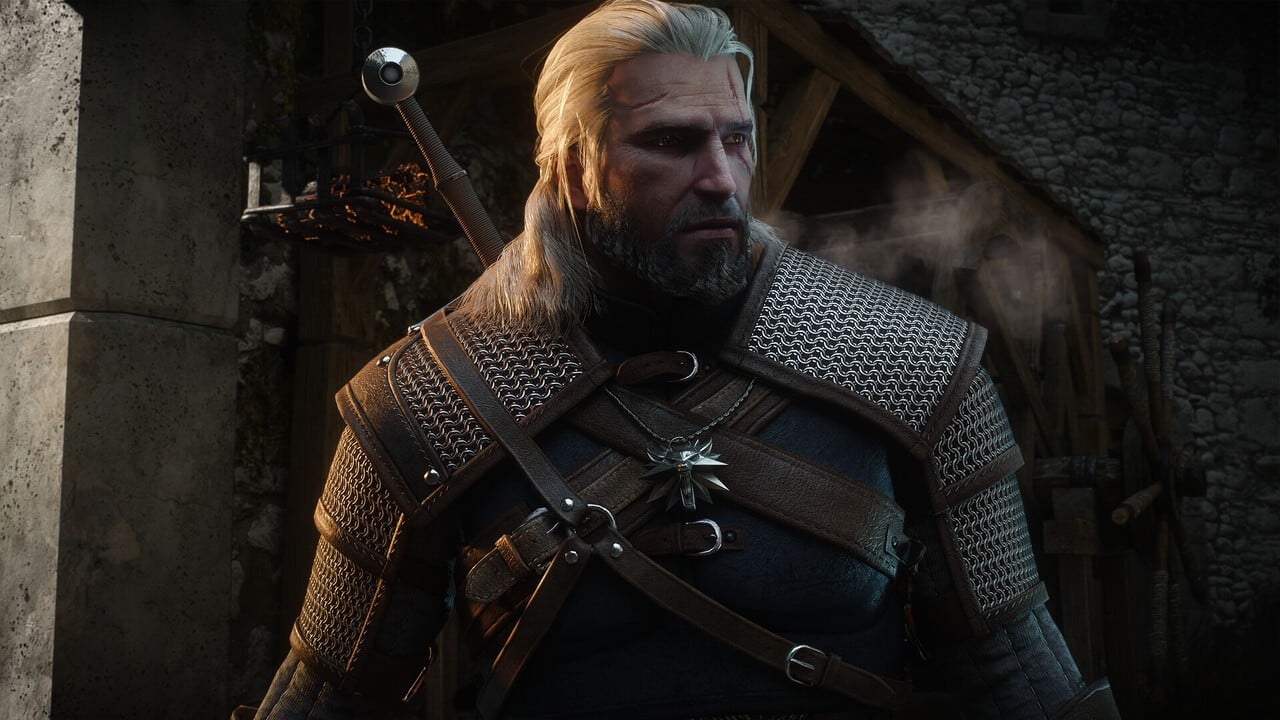
The recently released next-gen update for The Witcher 3: Wild Hunt is far more than a simple resolution bump. It introduces a comprehensive suite of enhancements designed to bring the eight-year-old title up to contemporary visual and performance standards. Among the most prominent additions are ray tracing support for realistic lighting and reflections, significantly improving the atmospheric quality of environments. Players can also choose between performance and quality modes, offering either higher frame rates or enhanced visual fidelity, including the implementation of AMD FidelityFX Super Resolution (FSR) and NVIDIA DLSS technologies on compatible hardware for improved upscaling.
Beyond the graphical overhaul, the update includes faster loading times across all platforms, a significant quality-of-life improvement for an open-world game with frequent fast travel and scene transitions. A new camera option, placing Geralt closer to the player, offers a more immersive third-person perspective, while various community-made mods have been integrated directly into the game, enhancing aspects like vegetation density and texture detail. Furthermore, the update added new content inspired by The Witcher Netflix series, including alternative outfits for Dandelion and Nilfgaardian armor, and a new quest that ties into the show’s lore, offering fresh incentives for both returning veterans and new players. These additions collectively underscore CDPR’s commitment to not just updating, but enriching the Witcher 3 experience.
Addressing the ‘Five Key Fixes’ and Broader Implications for CDPR
While the next-gen update has been largely well-received, the immediate confirmation of upcoming fixes suggests that certain technical aspects may not have met CDPR’s or players’ stringent expectations at launch. Though the specific "five key fixes" remain undisclosed, common issues that arise in such extensive updates often include:
- Performance Optimization: Ensuring stable frame rates, especially in demanding areas or when ray tracing is enabled, across all target hardware configurations.
- Graphical Glitches: Addressing visual anomalies, texture pop-in, or rendering errors that may have emerged with the new graphical pipeline.
- Ray Tracing Stability: Fine-tuning the implementation of ray tracing to prevent crashes, visual artifacts, or disproportionate performance drops.
- Quest-Related Bugs: Resolving any unforeseen issues or regressions in quests or gameplay mechanics that might have been introduced by the updated codebase.
- User Interface/Quality of Life: Refining aspects of the UI or general gameplay flow that might benefit from further iteration based on initial player feedback.
CD Projekt Red’s proactive stance on addressing these issues is particularly noteworthy given the studio’s recent history. The tumultuous launch of Cyberpunk 2077 in late 2020, plagued by significant technical issues, especially on last-generation consoles, led to a period of intense scrutiny and damage to the studio’s reputation. Since then, CDPR has invested heavily in rebuilding player trust through consistent communication, extensive patching, and delivering on promises for Cyberpunk 2077‘s redemption, culminating in its well-received Phantom Liberty expansion. The swift acknowledgment of further needed fixes for The Witcher 3 Remastered demonstrates a learned lesson and a renewed commitment to delivering polished products and robust post-launch support. This approach is crucial for maintaining player loyalty and reinforcing CDPR’s image as a developer that listens to its community and strives for excellence.
Critical Acclaim and Enduring Appeal
Despite the acknowledgment of areas requiring further refinement, The Witcher 3: Wild Hunt Remastered has largely been met with enthusiastic critical reception. According to Metacritic, a prominent aggregator of video game reviews, the updated version currently boasts an impressive average rating of 93. This score not only solidifies its position as one of the highest-rated titles of the current year (referencing the year of its remaster’s release) but also reaffirms the enduring quality and timeless appeal of the original game. The update has successfully breathed new life into a beloved classic, making it accessible and visually stunning for a new generation of players while offering compelling reasons for veterans to revisit Geralt’s epic journey.
Reviewers have consistently praised the visual overhaul, noting how the enhanced graphics allow the intricate details of the Northern Kingdoms to shine even brighter. The performance improvements and quality-of-life adjustments have also been highlighted as significant enhancements, making the gameplay experience smoother and more immersive. This high critical consensus reflects the successful balance CDPR has struck between preserving the original’s integrity and modernizing its presentation for contemporary hardware. The sustained high ratings indicate that the core gameplay, narrative, and world-building of The Witcher 3 remain as compelling as ever, now simply presented in their most technically advanced form to date.
Looking Ahead: The Future of The Witcher 3 and CDPR’s Vision
The confirmation of an upcoming patch for The Witcher 3 Remastered signifies that CD Projekt Red views this next-gen update not as a final product, but as an ongoing commitment. The lack of a specific timeline for this next wave of fixes, while potentially leading to impatience among some players, also suggests that the development team is taking the necessary time to ensure these improvements are implemented thoroughly and effectively. This measured approach aligns with CDPR’s renewed focus on quality and stability, aiming to avoid rushed releases that could compromise player experience.
The long-term implications of this continued support are multifaceted. For players, it guarantees an increasingly polished and optimized experience, ensuring that The Witcher 3 remains a benchmark for open-world RPGs for years to come. For CD Projekt Red, it reinforces their reputation for commitment to their titles and their community, a critical asset as they embark on future projects, including new entries in The Witcher saga and further development of the Cyberpunk 2077 universe. The success of The Witcher 3 Remastered, bolstered by consistent updates, serves as a testament to the enduring power of great storytelling and world-building, and the importance of developer dedication in maximizing a game’s potential across evolving technological landscapes. As the gaming community eagerly awaits further announcements regarding the next patch, the journey of Geralt of Rivia continues to evolve, promising an even more refined adventure for all who dare to venture into the Wild Hunt.