


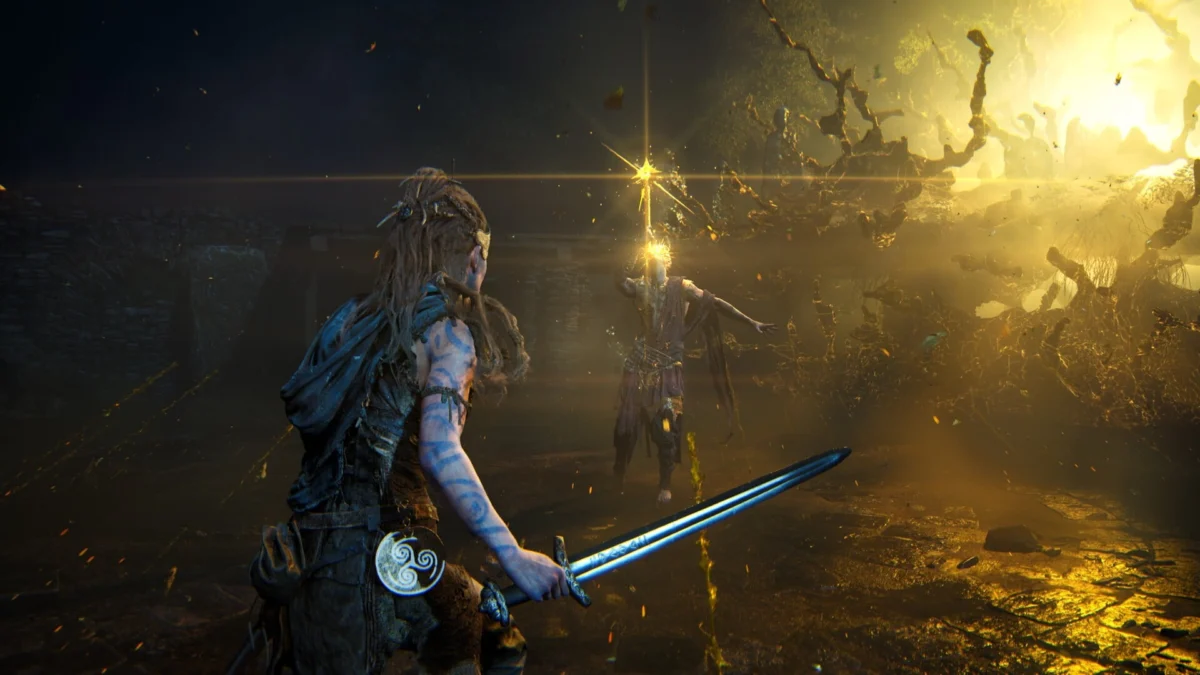
The award-winning British video game developer Ninja Theory, renowned for its critically acclaimed Hellblade series, has commenced layoffs as a direct consequence of Xbox’s earlier announcement regarding a proposed studio closure. This development follows the collapse of two separate deals aimed at selling the Cambridge-based studio, casting a long shadow over its future and the ongoing development of its unannounced projects, including "Senua," which was previously slated for a 2027 release. The workforce reduction has seen numerous talented individuals depart or face the risk of departure, marking a somber period for a studio celebrated for its innovative storytelling and technical prowess.
The Genesis of Uncertainty: Xbox’s September Warning
The current predicament for Ninja Theory traces back to late September when Xbox, a division of Microsoft Gaming, issued a stark warning about the potential closure of the studio. This announcement came after Microsoft’s attempts to divest Ninja Theory through two distinct acquisition agreements ultimately failed to materialize. The official statement at the time indicated that Microsoft would "begin consultation with employees on a proposed closure while continuing to explore other paths forward." This phrase initiated a period of intense uncertainty and anxiety for the studio’s staff, a common precursor to significant organizational restructuring or closure in the corporate world, particularly within the often-volatile video game industry.
Microsoft had acquired Ninja Theory in 2018 as part of a broader strategy to bolster its first-party development capabilities and expand content for its burgeoning Xbox Game Pass subscription service. The acquisition was seen as a significant coup, bringing a studio known for its artistic ambition and technical innovation under the Xbox Game Studios umbrella. Ninja Theory had a history of developing narrative-driven action games with strong critical reception, including Heavenly Sword, Enslaved: Odyssey to the West, and DmC: Devil May Cry, before achieving widespread acclaim with Hellblade: Senua’s Sacrifice. The sequel, Senua’s Saga: Hellblade II, released in May of this year, continued the studio’s tradition of exploring complex themes, particularly mental health, through a unique artistic lens.
The Consultation Process and Its Immediate Aftermath
The "consultation" period, mandated by employment law in many jurisdictions, allows for dialogue between employers and employees (or their representatives) regarding proposed changes, such as redundancies or closures. While intended to explore alternatives and mitigate impact, it frequently culminates in layoffs when no viable alternative paths are found or agreed upon. In Ninja Theory’s case, this process has regrettably led to recent staff departures, as reported by industry outlets like Video Games Chronicle (VGC) and individual employees on social media platforms.
Among the confirmed or "at risk" departures are several key technical and artistic personnel, whose contributions are vital to game development. VGC, citing direct announcements from affected staff and internal communications, listed individuals such as Alessio Mellina (technical sound designer), Katrin Mair (gameplay programmer), Xoe Subari (PCap tech staff), Loong-Wei Ding (technical director), Matteo Tummino (sound designer), Matt Le-Fevre (senior technical artist), Pietro Berto (character artist), Justin Pedersen (technical artist), and Daniele Galante (principal sound designer). The loss of such experienced and specialized talent underscores the severity of the situation and the depth of the cuts being made.
Voices from Within: A Tribute to Care and Craftsmanship
The announcements from departing employees offer poignant insights into the studio’s culture and the emotional toll of the layoffs. Katrin Mair, a Gameplay Programmer, shared her sentiments on social media, reflecting on her time at Ninja Theory: "What I’ll remember most is how much people cared. About the work, about the details, and about each other. I feel very lucky that this was the place where I got to start my career and grow into the programmer I am today. It’s incredibly sad knowing that we won’t get to finish what we were working on. So much care, talent and effort went into it, and I really wish we’d had the chance to see what it could have become." Her words highlight not only the personal growth fostered within the studio but also the collective passion and dedication poured into unreleased projects, now left in limbo.
Similarly, Xoe Suvari, an Expert Performance Capture Tech Ninja, spoke to the unique spirit of Ninja Theory: "It’s easy to say that there was something special about Ninja, but it’s hard to put what it was into words. For me, the best of it all has been the people here, who have the kind of talent that is worked for every day in pursuit of making something more. Our PCap team poured themselves into it too. Hundreds of shoot days. Hours and hours of data. Sweat and bruises from set builds. New pipelines and the never ending battle of naming conventions. I saw my team grow at work and as people, and together we built a Performance Capture stage that was truly top of its class." Suvari’s statement paints a vivid picture of the intense collaborative effort and technical innovation that defined their work, particularly in the realm of performance capture, an area where Ninja Theory consistently pushed boundaries, notably in the Hellblade series. These testimonials collectively underscore the profound sense of loss, not just of employment, but of shared creative endeavor and professional community.
Ninja Theory’s Legacy and Microsoft’s Shifting Strategic Sands
Ninja Theory’s journey has been one marked by resilience and creative ambition. Founded in 2000 as Just Add Monsters, the studio was rebranded to Ninja Theory in 2004. They carved a niche for themselves by focusing on character-driven action games with strong narratives and unique artistic directions. Hellblade: Senua’s Sacrifice, released in 2017, was a particularly significant title. Developed as an "independent AAA" game, it demonstrated that a mid-sized studio could produce a high-quality, artistically ambitious title that resonated deeply with players, particularly through its groundbreaking portrayal of psychosis and mental health. Its success was a key factor in its acquisition by Microsoft in 2018, positioning it as a jewel in the crown of Xbox Game Studios.
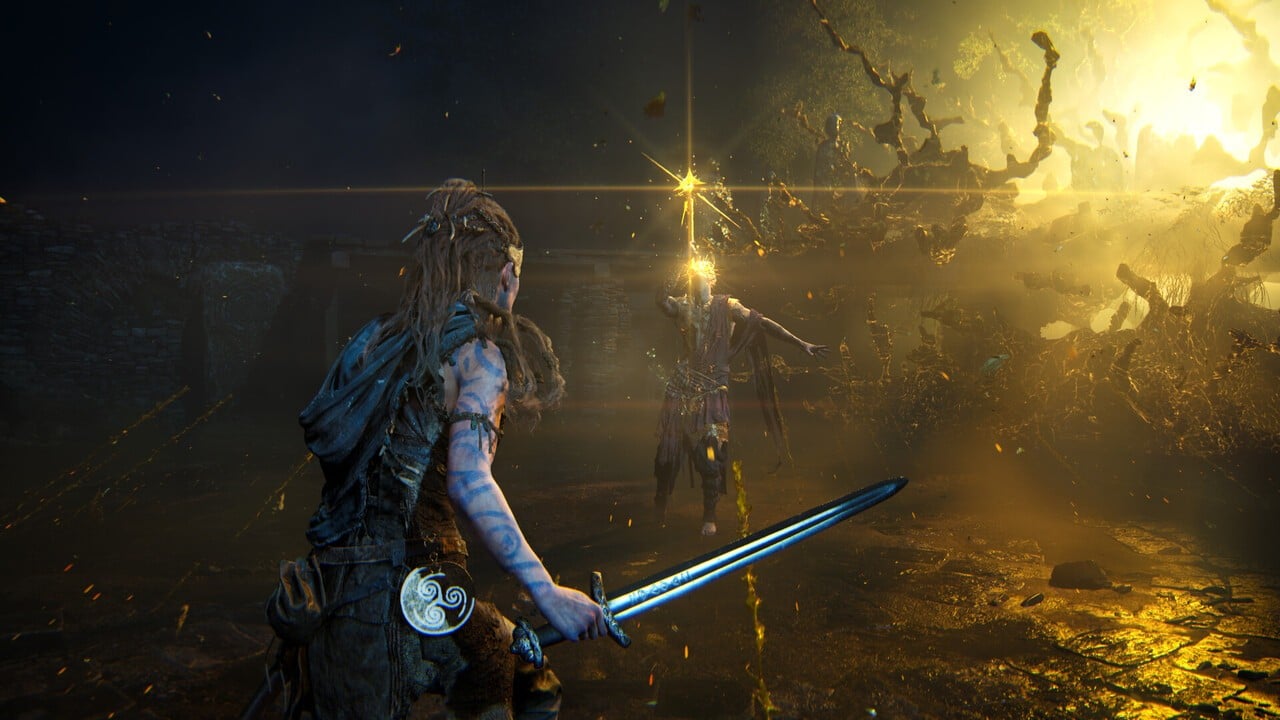
The decision to potentially close or sell Ninja Theory, coming just six years after its acquisition and shortly after the release of Senua’s Saga: Hellblade II, raises questions about Microsoft’s long-term strategy for its first-party studios. While Hellblade II garnered critical praise for its visuals, sound design, and narrative ambition, some critics noted its relatively short length and linear gameplay, which may have impacted its commercial performance relative to expectations for a flagship Xbox title. Microsoft’s broader gaming strategy has seen significant shifts, including the massive acquisition of Activision Blizzard, which has itself been followed by widespread layoffs across its various divisions. This suggests a period of internal consolidation and re-evaluation of portfolio effectiveness.
The Unfinished Future: "Senua" and Beyond
Among the projects now facing an uncertain future is "Senua," a game announced in June with an ambitious 2027 release window. While details about this title were scarce, its mere announcement indicated Ninja Theory’s continued commitment to expanding the Hellblade universe or exploring new narrative avenues within a similar thematic framework. The current layoffs and the underlying threat of closure make the cancellation of "Senua" an increasingly likely outcome. This would represent a significant loss, not only for the studio but also for players eager to experience more of Ninja Theory’s distinctive storytelling and immersive worlds. The investment in development, artistic vision, and technological innovation poured into such a project now faces the risk of being entirely written off.
The implications extend beyond just "Senua." Any other nascent projects or prototypes within Ninja Theory would also be jeopardized. The closure of a studio like Ninja Theory, known for its creative integrity and willingness to tackle challenging themes, would leave a void in the diverse landscape of video game development, particularly within Microsoft’s first-party lineup which has often sought to champion unique voices.
A Broader Industry Trend: Layoffs Across the Gaming Sector
The situation at Ninja Theory is not an isolated incident but rather a stark illustration of a troubling broader trend sweeping across the video game industry. The past year has witnessed an unprecedented wave of layoffs, impacting thousands of developers globally. Major publishers and developers, including Microsoft itself (beyond Ninja Theory), Sony, Epic Games, Unity, Embracer Group, and countless others, have announced significant job cuts. Factors contributing to this industry-wide downturn include:
- Post-Pandemic Correction: An unsustainable boom during the COVID-19 pandemic led to over-hiring, which is now being corrected.
- Rising Development Costs: The cost of developing AAA games has escalated dramatically, making profitability more challenging.
- Market Saturation and Competition: An increasingly crowded market for games and subscription services intensifies competition.
- Interest Rate Hikes and Economic Uncertainty: Broader macroeconomic pressures are leading companies to cut costs and consolidate.
- Merger and Acquisition Fallout: Large acquisitions often lead to redundancies as parent companies streamline operations and eliminate duplicate roles.
Microsoft, in particular, has seen multiple rounds of layoffs across its gaming divisions following the Activision Blizzard acquisition, affecting thousands of employees. The situation at Ninja Theory, while specific in its context of failed sale attempts, fits into this larger narrative of consolidation and belt-tightening within one of the world’s largest technology companies.
Human Impact and Industry Response
At the core of these corporate decisions and industry trends are the human lives affected. The loss of a job is a deeply personal and often traumatic experience, impacting individuals’ financial stability, career trajectory, and mental well-being. The gaming industry, despite its creative and often collaborative nature, has a history of precarity, with cycles of boom and bust, and intense pressure on developers. The current wave of layoffs has prompted widespread concern and empathy from the gaming community, fellow developers, and industry analysts. Calls for better worker protections, unionization, and more stable employment practices have grown louder.
For those impacted at Ninja Theory, the immediate future involves navigating a challenging job market, albeit one where their skills are still highly sought after. The hope within the industry is that these talented individuals will quickly land on their feet, finding new opportunities to continue their contributions to game development. However, each layoff event diminishes the collective experience and institutional knowledge within specific studios, potentially affecting future innovation and creative output.
Looking Ahead: The Lingering Uncertainty
While the original report mentions a lingering "chance that Ninja Theory could survive in some form," the current spate of layoffs and the explicit threat of closure paint a grim picture. The departure of key personnel weakens the studio’s capacity to deliver on its projects and its overall value as an independent entity. The future of Ninja Theory remains highly uncertain. Whether Microsoft will ultimately absorb the remaining talent into other Xbox Game Studios, attempt another sale, or proceed with a full closure is yet to be definitively announced. Regardless of the final outcome, the current events represent a significant setback for a studio that has consistently pushed artistic boundaries and enriched the gaming landscape with its distinctive creations. The industry watches with bated breath, hoping for a resolution that minimizes further loss and preserves the legacy of a truly unique developer.