


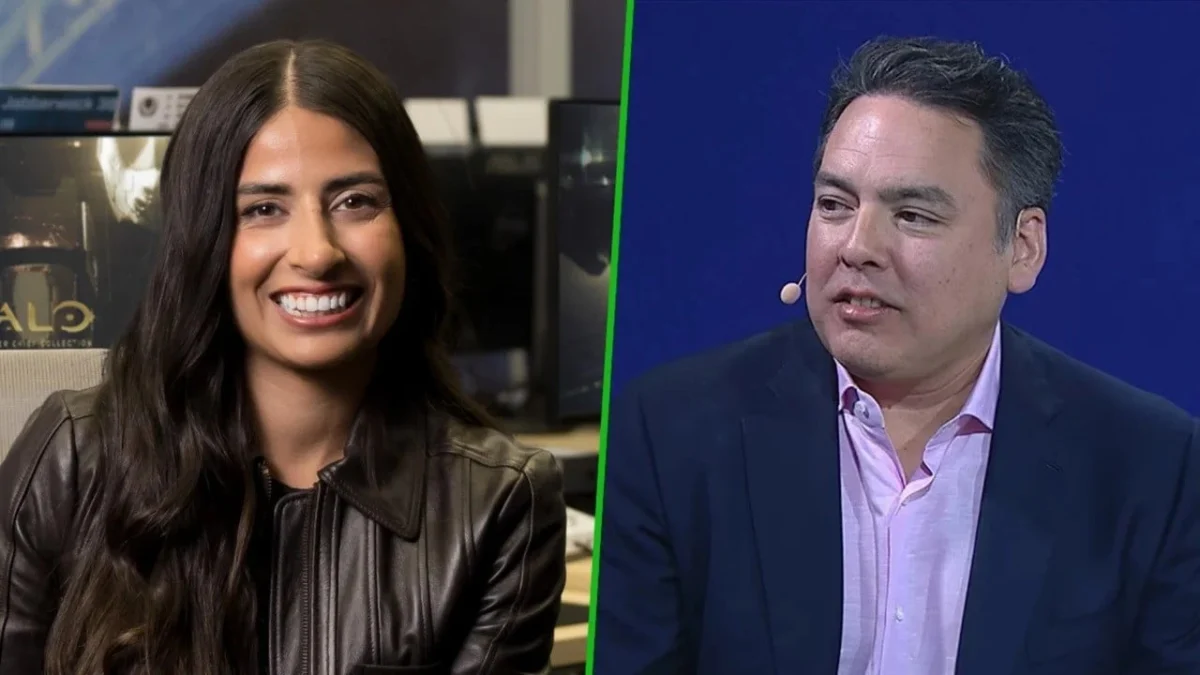
Shawn Layden, the former chairman of PlayStation Worldwide Studios, has offered pointed strategic advice to Microsoft’s Xbox division, urging the gaming giant to definitively choose between establishing itself as a dedicated platform competitor to PlayStation or fully embracing its role as the world’s largest third-party game publisher. Layden’s counsel, delivered during a recent appearance on "The Expansion Pass" podcast, comes at a critical juncture for Xbox, which has been signaling a renewed focus on its console hardware under the leadership of its new boss, Asha Sharma.
The Core of Layden’s "Pick a Lane" Argument
Layden’s primary assertion is that Xbox cannot successfully pursue both a platform-centric strategy and a multi-platform publishing strategy simultaneously. He articulated two distinct paths, each with its own set of requirements and implications.
The first path, as outlined by Layden, involves Xbox re-establishing itself as a direct platform competitor to Sony’s PlayStation. This strategy, according to Layden, necessitates a strong commitment to platform exclusivity, where first-party titles and strategically secured third-party games are primarily or exclusively available on Xbox consoles. Such an approach aims to create a compelling ecosystem that incentivizes players to invest in Xbox hardware over competing platforms. Layden acknowledged that Xbox has "not been competitive with PlayStation for years" in terms of console sales dominance, but stressed that "that’s not out of the window – you can still make another run at it." He emphasized that a platform’s meaning and value are intrinsically tied to its unique content offerings.
The second path Layden proposed casts Xbox in the role of the preeminent global game publisher. Following its monumental acquisitions of ZeniMax Media (Bethesda) and Activision Blizzard, Microsoft now controls an unparalleled portfolio of intellectual properties and development studios. In this scenario, Xbox would operate primarily as a software company, releasing its vast array of games across all major gaming platforms, including PlayStation, Nintendo, PC, and potentially cloud services, without prioritizing its own hardware. Layden drew a historical parallel to Sega’s decision to exit the console hardware business after the Dreamcast and transform into a successful third-party publisher for platforms like the PlayStation 2. "This is your Dreamcast moment," Layden stated, suggesting that such a pivot, though significant, is not without precedent.
Layden firmly believes that attempting to straddle both strategies is a recipe for diminished success. He argued, "You can’t be successful at both," elaborating that "a platform needs exclusives or else the platform has no meaning," while "being the biggest publisher in the world… requires you to be on every platform, because that’s how the business model works." He also raised the complex issue of subscription services like Xbox Game Pass, questioning how a company can expect consumers to purchase content outright when it’s available via a subscription, and how to "square that circle and try to make the math work."
Xbox’s Recent Strategic Evolution Under Asha Sharma
Layden’s advice arrives amidst what appears to be a notable shift in Xbox’s strategic direction, particularly since Asha Sharma assumed leadership of the Xbox division. For several years prior, Xbox’s messaging and actions often seemed to prioritize services and multi-platform availability, with a perception that hardware took a secondary role. However, under Sharma’s guidance, there has been a discernible pivot towards emphasizing the Xbox console platform.
Sharma’s tenure has been characterized by a renewed focus on hardware and exclusive content designed to drive console sales and ecosystem engagement. This shift was starkly evident during recent major industry events, where Xbox unveiled significant console-exclusive titles. Among these were Gears of War: E-Day, a highly anticipated prequel to the beloved franchise, and Clockwork Revolution, a new steampunk RPG from inXile Entertainment. Both titles were explicitly presented as Xbox console exclusives, sending a clear message about the company’s commitment to its proprietary platform.
Further underscoring this commitment is the ongoing development of "Project Helix," the codename for Xbox’s next-generation console hardware. The public acknowledgment of new console development signals a long-term investment in the platform business, directly countering any lingering speculation that Microsoft might eventually abandon its hardware endeavors. Sharma herself has issued confident statements affirming that "Xbox is not for sale" by Microsoft, directly addressing rumors and reinforcing the brand’s future as a core component of Microsoft’s gaming strategy.
Chronology of Xbox’s Shifting Strategies
To understand the context of Layden’s advice, it’s crucial to look at Xbox’s strategic trajectory over the past decade:
- Early 2010s (Xbox 360 Era): Xbox enjoyed significant success, competing fiercely with PlayStation. The focus was clearly on console hardware, exclusive games (e.g., Halo, Gears of War, Forza), and Xbox Live services.
- 2013 (Xbox One Launch): The launch of the Xbox One was marred by a confusing initial message that emphasized entertainment features, TV integration, and restrictive DRM policies over core gaming. This allowed PlayStation 4 to gain a significant early lead, establishing a narrative of Xbox playing catch-up.
- Mid-2010s (Phil Spencer Era Begins): Under Phil Spencer, Xbox began a long process of re-centering gaming, removing DRM restrictions, and introducing consumer-friendly initiatives. This period saw the rise of Xbox Game Pass (launched 2017), which became a cornerstone of Xbox’s service-oriented strategy, offering a Netflix-like subscription for games.
- Late 2010s – Early 2020s (Service & Acquisition Focus): Xbox’s strategy leaned heavily into Game Pass, PC gaming integration, and cloud gaming (Xbox Cloud Gaming). The messaging often highlighted "playing anywhere" and "choice," sometimes leading to questions about the necessity of owning an Xbox console. This era was also defined by massive acquisitions: ZeniMax Media (2021) and Activision Blizzard (2023), dramatically expanding Xbox’s first-party publishing capabilities.
- Early 2024 (Multi-platform Rumors & Confirmation): Following a period of slow first-party releases and perceived underperformance of some major titles on Game Pass, rumors intensified about Xbox bringing more first-party games to competing platforms. Microsoft eventually confirmed that a select few "evergreen" titles would launch on PlayStation and Nintendo, sparking widespread debate about the future of Xbox exclusivity.
- Mid-2024 (Asha Sharma’s Leadership & Platform Re-emphasis): With Asha Sharma at the helm, Xbox has begun to recalibrate, strongly reaffirming its commitment to its console hardware and showcasing new console exclusives. This recent shift appears to be a direct response to both market dynamics and internal strategic review, aiming to solidify Xbox’s position as a distinct platform.
The Xbox Ecosystem: Hardware, Services, and Content Conundrum
Xbox’s current ecosystem is a complex tapestry woven from its hardware, its flagship subscription service Game Pass, and its expansive content portfolio. This complexity is precisely what Layden highlights as a potential strategic quagmire.
Xbox Game Pass: Since its inception, Xbox Game Pass has been a transformative force in the industry, accumulating tens of millions of subscribers. It offers immense value to consumers, providing access to a rotating library of games, including all first-party Xbox titles on day one of their release. This model, while hugely popular, creates a unique challenge for the "platform vs. publisher" debate. If all major Xbox-owned titles are available on Game Pass, which is also accessible on PC and mobile via cloud streaming, does it dilute the incentive to purchase an Xbox console? Furthermore, Layden’s point about content sales becomes pertinent: why buy a game for $70 if it’s included in a monthly subscription? This model necessitates a different approach to revenue generation beyond traditional game sales, often relying on subscriber growth and microtransactions within Game Pass titles.
Acquisitions and Publishing Potential: The acquisitions of Bethesda ($7.5 billion) and Activision Blizzard ($69 billion) have reshaped the gaming landscape, giving Microsoft control over iconic franchises like The Elder Scrolls, Fallout, Doom, Call of Duty, Warcraft, Diablo, and Candy Crush. This immense publishing power presents a lucrative opportunity to release these games across all platforms, potentially generating colossal revenue far beyond what could be achieved through Xbox exclusivity alone. However, if these blockbusters are available everywhere, what makes the Xbox platform uniquely appealing? This is the core tension Layden identifies.
First-Party Exclusives: Historically, strong first-party exclusives have been the primary drivers of console sales. PlayStation has consistently leveraged titles like God of War, Spider-Man, and The Last of Us to define its brand and attract consumers. Xbox, while having its own flagship franchises, has sometimes struggled to deliver a consistent cadence of critically acclaimed, system-selling exclusives, especially in the early Xbox One era. The recent announcements of Gears of War: E-Day and Clockwork Revolution as console exclusives signify a renewed effort to address this, attempting to build a library of titles that can only be experienced fully (or at all) on Xbox hardware.
Historical Parallels and Industry Context
Layden’s invocation of Sega’s "Dreamcast moment" is a powerful historical analogy. Sega, once a fierce competitor to Nintendo, made several strategic missteps that culminated in the commercial failure of its innovative Dreamcast console in the early 2000s. Facing immense financial pressure, Sega made the momentous decision in 2001 to cease manufacturing hardware and transition into a third-party software developer and publisher. This pivot, initially met with skepticism, proved to be a shrewd move, allowing Sega to leverage its beloved franchises like Sonic the Hedgehog and Yakuza across all competing platforms, ensuring its survival and continued relevance in the gaming industry.
While the financial stakes and market position of Microsoft are vastly different from Sega’s at that time, the strategic dilemma Layden poses is similar: does the value of the platform outweigh the potential revenue from multi-platform publishing?
In contrast, Sony’s PlayStation has largely maintained a consistent "platform-first" strategy, heavily investing in first-party studios and exclusive titles to drive console sales. This approach has yielded significant success, making PlayStation the market leader for much of the past two decades. Nintendo, on the other hand, occupies a unique niche with its distinctive hardware and universally beloved first-party franchises, operating in a less direct competitive sphere.
Analysis of Implications and Potential Paths for Xbox
The debate ignited by Layden’s remarks highlights the intricate balancing act Xbox must perform. While Layden suggests a binary choice, the reality for a behemoth like Microsoft might offer more nuanced possibilities.
The Hybrid Approach: The original article suggests there might be "a lot more room for maneuver here than in most situations." This perspective posits that Xbox could potentially be both a strong platform and a major publisher. This would require a sophisticated strategy where certain flagship titles or specific versions are exclusive to Xbox, driving hardware sales and Game Pass subscriptions, while other titles from its vast portfolio, particularly those acquired through Activision Blizzard, are released widely across all platforms to maximize reach and revenue. The challenge lies in clearly defining which titles fall into which category and communicating that strategy effectively to consumers. If Call of Duty continues to be multi-platform, for example, it still generates massive revenue for Microsoft, regardless of Xbox console sales. However, if a future Elder Scrolls or Gears of War game were to also launch on PlayStation, the argument for owning an Xbox console would diminish significantly.
Balancing Game Pass and Exclusivity: The Game Pass model inherently complicates traditional exclusivity. If a game is "exclusive" to Xbox, but available on Game Pass for console, PC, and cloud, its exclusivity is primarily to the ecosystem rather than just the hardware. This can still drive Game Pass subscriptions, but the direct link to console sales becomes less absolute. Xbox needs to ensure that the value proposition of owning an Xbox console – perhaps through performance, unique features, or a perceived "best experience" – remains compelling even with Game Pass’s multi-device accessibility.
Third-Party Relations: A clear strategic direction is also crucial for attracting and retaining third-party developer support. If Xbox’s platform commitment is perceived as wavering, it might become harder to incentivize third-party developers to create exclusive content or optimize heavily for Xbox hardware. Conversely, if Xbox solidifies its platform identity, it could offer more attractive deals for exclusive or timed-exclusive content, much like PlayStation has successfully done.
"Project Helix" and Future Hardware: The commitment to new console hardware with "Project Helix" is a strong indicator that Microsoft is indeed leaning towards maintaining a robust platform business. This future console will need compelling exclusive software to justify its existence and drive adoption. The success of this next-generation hardware will largely depend on Microsoft’s ability to deliver a consistent stream of high-quality, exclusive titles that are either unavailable elsewhere or offer a distinctly superior experience on Xbox.
Broader Impact and Implications
Shawn Layden’s advice resonates deeply within the gaming industry, touching upon fundamental questions about business models, platform identity, and competition. For Sony’s PlayStation, Xbox’s strategic ambiguity has often been seen as both an opportunity and a threat. An unclear Xbox strategy might allow PlayStation to solidify its leadership with its consistent platform-first approach. Conversely, a fully multi-platform Xbox could introduce an even larger competitor in the publishing space, potentially altering industry dynamics for all developers and publishers.
Industry analysts have long debated the sustainability of Microsoft’s hybrid approach. Some argue that Microsoft’s vast financial resources allow it to experiment and pursue multiple strategies simultaneously, absorbing potential losses in one area for gains in another. Others contend that such a lack of clear focus risks diluting the Xbox brand and failing to achieve market dominance in any single category. The coming years will be crucial in determining whether Xbox can defy Layden’s binary choice and forge a unique, successful path that integrates both platform leadership and unparalleled publishing power.
Ultimately, Layden’s call to "pick a lane" serves as a critical reflection point for Xbox. As the company continues its strategic evolution under Asha Sharma, the decisions made regarding exclusivity, hardware commitment, and the role of its massive publishing arm will define its trajectory for the next generation of gaming. The stakes are immense, not just for Xbox, but for the entire video game industry.