


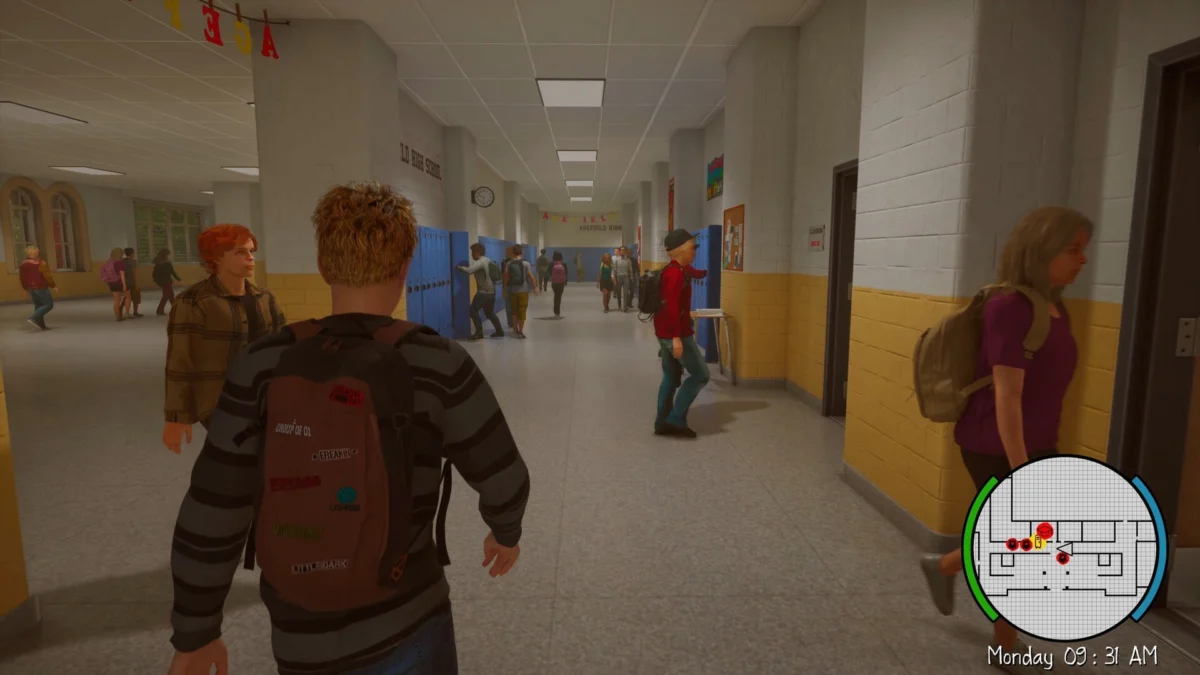
Agefield High Rock The School has officially established its launch timeline, with a PC release scheduled for the summer of 2026 followed by Xbox Series X|S and PlayStation 5 versions later that year. The announcement comes as the title experiences a significant surge in public interest, fueled by a series of gameplay reveals that have drawn direct comparisons to Rockstar Games’ 2006 cult classic, Bully. Developed by an independent studio that originated as a solo project in 2023, the game has captured the attention of a gaming community that has long petitioned for a sequel to the scholarship-themed open-world genre.
The momentum behind Agefield High: Rock The School reached a new peak over the most recent weekend following the release of a gameplay trailer on IGN’s digital platforms. Within a 72-hour window, the footage garnered hundreds of thousands of views, signaling a high level of consumer engagement. This digital traction was mirrored on social media platforms such as X (formerly Twitter), where promotional clips and community discussions regarding the game’s mechanics and setting surpassed 200,000 views in a similar timeframe. The data suggests a substantial market vacuum for school-based action-adventure titles, a niche that has remained largely underserved since the mid-2000s.
Development Background and Chronology
The trajectory of Agefield High: Rock The School is indicative of the modern indie development cycle, where viral visibility often precedes a full production scale-up. The project began in early 2023 as a personal endeavor by a lone developer aiming to recreate the atmosphere of early 2000s high school life. By late 2024, early development clips began to circulate on social media, drawing initial comparisons to the "Scholarship Edition" of Bully due to its campus-centric gameplay and social hierarchy mechanics.
Throughout 2025, the development expanded, moving from conceptual prototypes to a more structured vertical slice of gameplay. The timeline of the project highlights several key milestones:
- Q1 2023: Initial concept and engine selection, focusing on a suburban town setting named Agefield.
- Q4 2024: First viral "proof of concept" video circulates, attracting the attention of major gaming outlets.
- Q2 2025: Formal partnership or distribution discussions begin as the project scales beyond a single developer.
- Late 2025: Release of the comprehensive gameplay trailer via IGN, confirming the 2026 release window.
- Summer 2026 (Projected): Global launch on PC via digital storefronts.
- Q4 2026 (Projected): Console porting completed for Xbox Series X|S and PlayStation 5.
Gameplay Mechanics and Narrative Inspiration
Set in the early 2000s, Agefield High: Rock The School leverages nostalgia for a specific era of youth culture. The narrative follows a student navigating the final months of high school before graduation. According to the developer’s mission statement, the game is heavily inspired by the "raunchy teen comedies" of the late 90s and early 2000s, citing themes of rebellion, friendship, and adolescent romance.
The gameplay loop appears to involve a mixture of social simulation and mission-based progression. Players interact with various school cliques, participate in extracurricular activities, and engage in "rebellious" acts that challenge the school’s authority figures. While the comparisons to Bully are prevalent, Agefield High places a heavier emphasis on the specific aesthetic of the turn-of-the-millennium, including period-accurate fashion, technology, and cultural references.
Technical Analysis and Industry Comparisons
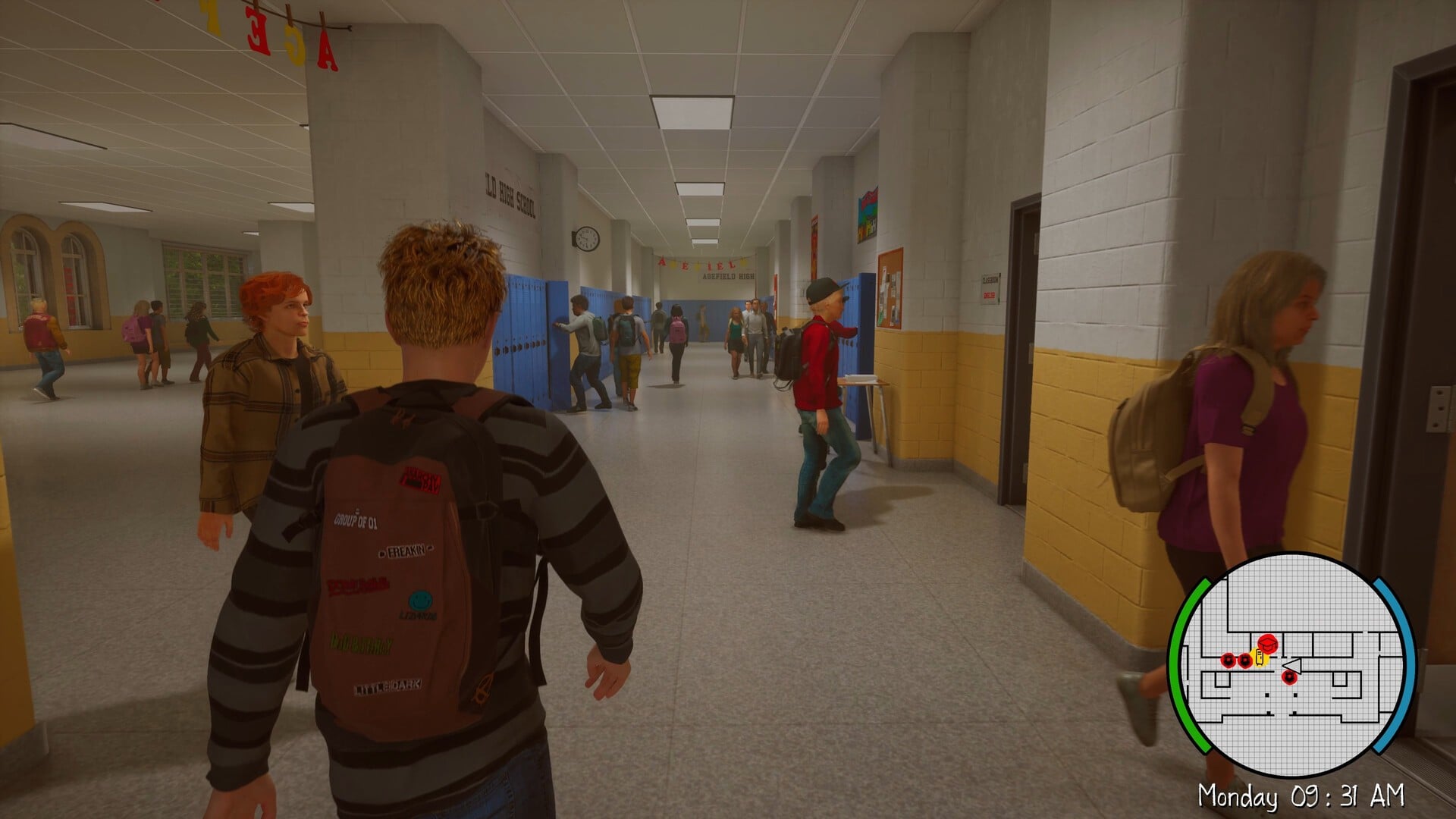
Despite the overwhelming enthusiasm from the gaming public, technical analysts have pointed to the inherent challenges facing a small-scale production attempting to emulate the polish of a Rockstar Games title. Early gameplay footage has revealed discrepancies in animation quality, particularly regarding facial rigging and lip-syncing during cinematic sequences. These "jarring" visual elements are often the hallmark of indie titles working within constrained budgets and limited motion-capture resources.
The industry has seen similar situations in the past, most notably with the title Samson, which also garnered significant pre-release hype on social media only to face criticism upon its PC debut for technical instability and unrefined mechanics. Observers note that when a game goes viral based on its proximity to a high-budget franchise like Bully, consumer expectations can often exceed the capabilities of an indie studio.
However, the "lower-budget" aesthetic does not necessarily preclude commercial success. The success of titles like Untitled Goose Game or Stardew Valley demonstrates that unique gameplay loops and strong thematic resonance can outweigh the need for "Triple-A" graphical fidelity. The critical factor for Agefield High will be whether the core gameplay mechanics—such as the AI of the students and the interactivity of the town—are robust enough to sustain interest over a full campaign.
The "Bully" Vacuum and Market Demand
The viral nature of Agefield High: Rock The School serves as a significant data point for market analysts regarding the current state of the action-adventure genre. Rockstar Games’ Bully (known as Canis Canem Edit in some regions) remains a singular entity in gaming history. Despite its critical and commercial success, and years of rumors regarding a "Bully 2," Rockstar has focused its resources on the Grand Theft Auto and Red Dead Redemption franchises.
This has left a demographic of players seeking "low-stakes" open-world environments—settings where the conflict is grounded in social dynamics rather than high-level criminal enterprise. Other developers have attempted to touch upon these themes, such as Sega’s Lost Judgment with its "School Stories" expansion, but few have dedicated an entire game to the high school experience. The intense interest in Agefield High suggests that the demand for this specific sub-genre is not only persistent but growing as the original audience for Bully reaches adulthood and seeks nostalgic or spiritual successors.
Statements and Community Reaction
While the developer has remained relatively quiet regarding specific plot points, they have acknowledged the pressure that comes with viral fame. In various community forums, the development team has expressed a commitment to using the remaining time before the 2026 launch to refine the technical aspects of the game.
Community reactions remain divided between optimism and caution. On one hand, many users on YouTube and X express a "day one purchase" intent, citing the lack of alternatives in the genre. On the other hand, more seasoned observers warn against the "hype train" phenomenon.
"The demand for a Bully-style game is so high that people are willing to overlook a lot of indie jank," noted one prominent gaming commentator in a reaction video. "But the developers need to be careful. If the lip-syncing is distracting in a trailer, it could be immersion-breaking in a 20-hour RPG. They have until 2026 to get it right."
Broader Impact and Implications for the Indie Sector
The story of Agefield High: Rock The School highlights the power of modern discovery algorithms. For an indie game to rack up hundreds of thousands of views on an IGN trailer is a feat usually reserved for mid-to-high-tier publishers. This suggests that thematic "hooks"—in this case, the promise of a modern Bully—are currently more effective at driving engagement than raw graphical power.
Furthermore, the decision to delay the console versions until late 2026, months after the PC launch, reflects a strategic approach to resource management. By prioritizing the PC version, the developer can utilize the initial player feedback to patch bugs and refine balance before committing to the more rigorous certification processes required by Sony and Microsoft.
As the industry moves toward the 2026 release window, Agefield High will serve as a case study in whether viral momentum can be successfully converted into a polished, high-quality product. If successful, it may encourage other indie developers to explore niche genres that have been abandoned by major corporations. If it fails to meet the high expectations set by its own viral marketing, it may serve as another cautionary tale about the dangers of the "hype cycle" in the social media era.
For now, the gaming world remains attentive. The town of Agefield, with its early 2000s rebellion and high school drama, represents more than just an indie project; it represents the collective desire of a fanbase that has been waiting twenty years to go back to school. Whether Agefield High: Rock The School can graduate with honors or fails to pass the test will be one of the key narratives to watch as 2026 approaches.