


The "Xbox Reset" refers to a sweeping restructuring initiative undertaken by Microsoft in its gaming division in early 2026. This period of significant change included the elimination of approximately 3,200 positions across various teams, impacting studios and publishing groups, and representing a substantial percentage of the overall gaming workforce. Additionally, four development studios were either closed or divested, signaling a clear strategic shift towards consolidation and a refocused approach to content creation. This move sent ripples through the gaming industry, raising questions about the future direction of Xbox and the broader implications for game development. Industry analysts widely interpreted these actions as a response to evolving market dynamics, increased operational costs, and the imperative to streamline operations following Microsoft’s colossal acquisition of Activision Blizzard King (ABK), which was finalized in October 2023 for a staggering $69 billion. The integration of such a massive entity naturally led to redundancies and a re-evaluation of the entire gaming portfolio, yet the scale of the layoffs underscored a deeper challenge in translating a growing player ecosystem into sustainable financial growth.
The "Four C’s": A New Strategic Compass
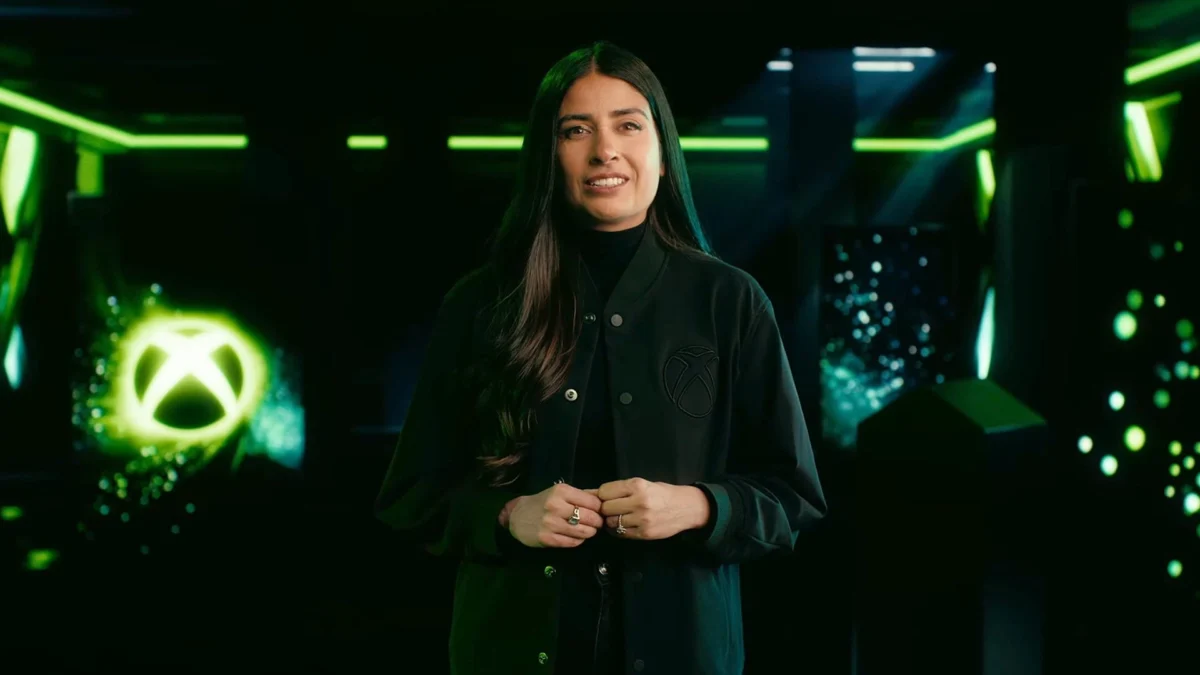
Asha Sharma’s strategy hinges on four interconnected pillars: Core, Content, Creation, and Connection. These principles are intended to guide product development, market expansion, and community engagement, serving as a foundational framework for Xbox’s revitalization. Sharma underscored the urgency of this new direction in a post on X (formerly Twitter), acknowledging that while "In FY26, over 200 million new players came to XBOX and our games, but our business did not grow with our audience." This stark discrepancy—a massive influx of users failing to translate into revenue—highlights the critical need for a refined monetization and engagement strategy. The company’s financial reports for FY26 confirmed this challenge, revealing a $1.7 billion revenue drop, marking the first decline for Xbox since the completion of the Activision Blizzard acquisition. This downturn underscored the immense pressure on the new leadership to "close that gap" and establish a clear path to profitability.
1. Core: Reaffirming Identity and Flagship Experiences
The first pillar, "Core," emphasizes a renewed focus on the fundamental experiences that define Xbox. This means doubling down on its most iconic and beloved intellectual properties (IPs). Titles like Halo, Gears of War, and Fable, which have historically been synonymous with the Xbox brand, are central to this strategy. Furthermore, the immense success of recently acquired IPs such as Fallout (particularly following the critical and commercial triumph of its television adaptation) and Minecraft will be leveraged. The strategy aims to ensure that these flagship franchises not only receive sustained investment but also deliver high-quality, genre-defining experiences that resonate deeply with both existing fans and new players. The objective is to solidify Xbox’s unique identity in a crowded market, providing compelling reasons for consumers to invest in its ecosystem. This involves a commitment to robust single-player campaigns, innovative multiplayer experiences, and a consistent release schedule of high-caliber first-party titles that showcase the capabilities of Xbox platforms and Game Pass.
2. Content: Expanding Beyond Traditional Gaming
The "Content" pillar extends Xbox’s reach far beyond console and PC gaming. Sharma’s vision includes a significant push to expand Xbox’s biggest franchises across various entertainment mediums. This involves strategic investments in film, television, and consumer products, mirroring the successful cross-media strategies employed by other major entertainment conglomerates. The recent global success of the Fallout television series on Amazon Prime Video, for instance, serves as a potent example of how expertly adapted gaming content can not only generate substantial new revenue streams but also reignite interest in the core game franchise. Similarly, the Halo television series, while receiving mixed critical reception, demonstrated the potential for Xbox IP to capture broader audiences. This strategy also encompasses sponsorship deals, live experiences, and the forging of new global partnerships, with a particular emphasis on tapping into burgeoning markets such as China. The goal is to transform Xbox’s valuable IPs into pervasive cultural phenomena, creating multiple touchpoints for engagement and monetization beyond the traditional game purchase or subscription.

3. Creation: Empowering User-Generated Content and Platforms
The "Creation" pillar represents a forward-looking strategy to embrace the burgeoning creator economy within gaming. Central to this vision is transforming Minecraft into what Sharma describes as "the world’s creator platform." This ambitious goal suggests a pivot towards a model akin to platforms like Roblox or Fortnite, where user-generated content (UGC) is not just a feature but the core driver of engagement and variety. By empowering players to create and share an endless array of experiences within the Minecraft universe, Xbox aims to foster a self-sustaining ecosystem that continuously generates fresh content, extends player longevity, and opens up new avenues for monetization, potentially through in-game marketplaces for created content. This strategic expansion also extends to mobile gaming, with Mojang (the developer of Minecraft) already collaborating with King, the renowned mobile game developer behind Candy Crush, on a new Minecraft spin-off designed specifically for mobile platforms. This dual approach leverages an established, highly popular IP while tapping into the massive and rapidly growing mobile gaming market, which represents a significant opportunity for audience expansion and revenue generation, especially in regions where console penetration is lower.
4. Connection: Fostering Community and Global Reach
The final pillar, "Connection," underscores the importance of community building and global outreach. This involves enhancing social features within the Xbox ecosystem, making it easier for players to connect, collaborate, and compete. It also speaks to the broader effort of expanding Xbox’s presence and relevance in diverse global markets. By fostering a strong sense of community and facilitating seamless interactions among players, Xbox aims to increase engagement, reduce churn, and cultivate brand loyalty. Global partnerships, including strategic alliances in critical markets like China, are integral to this pillar, enabling Xbox to tailor experiences and services to local preferences and regulatory environments. This connection extends beyond digital platforms to live events and cultural activations, ensuring that Xbox remains a vibrant and interactive brand for its global audience.
Financial Imperatives and a Three-Stage Roadmap
Sharma’s memo outlines a clear, phased approach to achieving these ambitious goals, with specific financial milestones. The journey back to sustained growth is divided into three distinct stages:
- Stage 1: Return to Growth (End of FY27): The immediate objective is to halt the revenue decline and achieve a return to overall business growth by the end of the 2027 fiscal year. This stage will likely focus on optimizing existing revenue streams, launching key titles, and stemming any further financial losses.
- Stage 2: Meaningful Player Value and Revenue Acceleration (FY28 and FY29): During this period, the "Four C’s" and the associated strategic roadmap are expected to translate into tangible business results, producing "meaningful player value and revenue acceleration." This indicates a shift from merely stabilizing the business to actively driving significant increases in both player engagement and financial returns from the new initiatives.
- Stage 3: Scaling and Long-Term Goals (FY30): By fiscal year 2030, Xbox aims to be "halfway to our long-term daily-player goal with sustained double-digit growth in players and engagement and industry leading margins." This final stage signifies a mature and highly successful phase of the strategy, where proven models are scaled globally, and Xbox establishes itself as a leader in both player acquisition and profitability within the gaming industry. This long-term vision positions Xbox for sustained expansion and market dominance.
Broader Context and Industry Implications
The strategic pivot comes at a critical juncture for the gaming industry. The post-pandemic boom has tapered off, leading to a period of consolidation, layoffs, and a re-evaluation of business models across the sector. Major players like Sony, Epic Games, and Unity have also undergone significant restructuring, reflecting a broader trend of recalibrating expectations and streamlining operations. Microsoft’s gaming division, under Phil Spencer (CEO of Microsoft Gaming) and now with Asha Sharma driving the Xbox brand, is navigating intense competition from Sony’s PlayStation, Nintendo’s Switch, and the ever-expanding PC and mobile gaming markets. The success of Game Pass, while bolstering player numbers, has also presented challenges in converting engagement into equivalent revenue growth, especially when compared to traditional full-price game sales.

Analysts suggest that Sharma’s emphasis on core IPs and cross-media expansion is a prudent move. Leveraging established franchises like Halo and Gears minimizes risk compared to investing heavily in unproven new IPs, especially in a tightening economic climate. The Fallout TV series’ success has underscored the immense value of transmedia storytelling in broadening an IP’s appeal and attracting new players to the games. Furthermore, the focus on Minecraft as a creator platform is strategically sound, tapping into the lucrative user-generated content market that has propelled platforms like Roblox to multi-billion-dollar valuations. This shift could provide Xbox with a sustainable, community-driven content pipeline that reduces reliance on traditional, costly game development cycles.
The push into global partnerships, particularly in China, is also a critical element. The Chinese market represents the largest gaming market in the world by revenue, and securing a stronger foothold there is essential for any company aiming for "sustained double-digit growth." Navigating the complexities of this market, however, will require careful strategic execution and cultural sensitivity.
Challenges and Outlook
While Sharma’s vision is comprehensive and strategically aligned with emerging industry trends, the path ahead is fraught with challenges. The gaming community, while eager for compelling new experiences, remains cautiously optimistic after the recent layoffs and studio closures. Delivering on the promise of high-quality "Core" content consistently will be paramount to rebuilding trust and excitement. Furthermore, successfully transforming Minecraft into a true creator platform, complete with robust tools, fair monetization for creators, and effective moderation, is a monumental undertaking. The competition in the creator space is fierce, and Roblox and Fortnite have years of head start.
The ambitious financial targets—returning to growth by FY27 and achieving double-digit growth by FY30—will require flawless execution across all "Four C’s." Investors will be closely watching Xbox’s quarterly reports for signs of progress, and any missteps could further impact market confidence. The success of this strategy will ultimately determine not only the future trajectory of the Xbox brand but also Microsoft’s broader ambitions in the entertainment and technology sectors. Asha Sharma’s "Four C’s" represent a bold and necessary strategic reorientation, aiming to transform Xbox from a platform primarily known for hardware and first-party games into a dynamic, multi-faceted entertainment ecosystem driven by core experiences, diverse content, player creativity, and global connection.
[source theverge.com]