



Cologne, Germany – Amidst the bustling announcements and high-profile reveals at Gamescom, a significant update regarding the highly anticipated survival horror title, State of Decay 3, quietly emerged, establishing a release window of 2027. This development comes alongside the confirmation of planned closed beta tests scheduled before the conclusion of 2026, marking a pivotal moment for fans of the franchise. However, this news is tempered by the revelation that Undead Labs, the studio behind the State of Decay series, is in the process of being sold off by Microsoft, signaling a notable shift in Xbox’s first-party studio strategy. Despite the impending change in ownership, State of Decay 3 is slated for a multi-platform launch across Xbox Series X, Xbox Series S, PC, and PlayStation 5, and will maintain its commitment as an Xbox Game Pass and Xbox Play Anywhere title.
The Gamescom Unveiling and Initial Details
Gamescom, one of the world’s largest gaming trade fairs, held annually in Cologne, Germany, served as the backdrop for this critical update. While the event is often dominated by headline-grabbing trailers and major new game announcements, the information concerning State of Decay 3 was disseminated with a more understated approach, primarily through developer communications and official Xbox channels. This quiet reveal, despite its significant implications for a major Xbox-affiliated title, reflects the nature of ongoing development and strategic corporate adjustments.
The 2027 release target positions State of Decay 3 as a title for the latter half of the current console generation, suggesting a lengthy and ambitious development cycle. This extended timeline aligns with contemporary trends in AAA game development, where increased graphical fidelity, expansive open worlds, and complex systemic gameplay often necessitate longer production periods. The announcement of a closed beta before the end of 2026 indicates that Undead Labs anticipates having a substantial, playable version of the game ready for community feedback within the next two years, a crucial step in modern game development for fine-tuning mechanics and identifying potential issues. Sign-ups for these beta opportunities are available on the official State of Decay website, inviting both veteran players and newcomers to participate in the game’s evolution.
A Look Back: The State of Decay Franchise Legacy
The State of Decay franchise has carved out a unique niche in the crowded survival horror genre since its inception. The original State of Decay, released in 2013, garnered critical acclaim for its innovative blend of open-world zombie survival, base building, resource management, and permadeath mechanics for its cast of AI-controlled survivors. Developed by the then-independent Undead Labs, the game quickly developed a cult following, praised for its emphasis on strategic decision-making and the visceral consequences of player choices in a post-apocalyptic world. Its success prompted a remastered version, State of Decay: Year-One Survival Edition, in 2015, further solidifying its status.
State of Decay 2, launched in 2018, expanded upon its predecessor’s foundations, introducing cooperative multiplayer, a larger world, and more refined base management systems. While it received a mixed critical reception at launch, primarily due to technical issues and repetitive mission structures, it saw significant post-launch support and improvements, eventually attracting a player base exceeding 10 million across Xbox and PC platforms. The game’s inclusion in Xbox Game Pass from day one significantly contributed to its broad adoption, showcasing the platform’s ability to drive engagement for new releases. The franchise’s enduring appeal lies in its commitment to realistic survival scenarios, the emotional connection players form with their communities, and the ever-present threat of resource scarcity and the undead. State of Decay 3 is expected to build on these core tenets, aiming for an even more ambitious and immersive experience.
Undead Labs: From Independence to Microsoft’s Portfolio and Beyond
Undead Labs, founded in 2009 by industry veteran Jeff Strain, quickly established itself as a studio dedicated to the zombie survival genre. Its early success with the first State of Decay title caught the attention of Microsoft, leading to a publishing partnership for State of Decay 2. In 2018, Microsoft officially acquired Undead Labs, integrating it into Xbox Game Studios as a first-party developer. This acquisition was part of a broader strategy by Microsoft to bolster its exclusive content offerings and expand the Xbox ecosystem, particularly in anticipation of the next generation of consoles. At the time, the acquisition was seen as a positive development, promising Undead Labs greater resources and stability to pursue their ambitious vision for the State of Decay series.
Under Microsoft’s ownership, Undead Labs reportedly grew significantly, with increased investment in talent and technology. The development of State of Decay 3 commenced during this period, with the studio aiming to leverage the power of the Xbox Series X|S consoles to deliver a technically superior and more expansive experience. Initial concept trailers and developer interviews hinted at a significant leap forward in graphical fidelity, world scale, and gameplay mechanics, including potentially advanced AI for both allies and enemies.
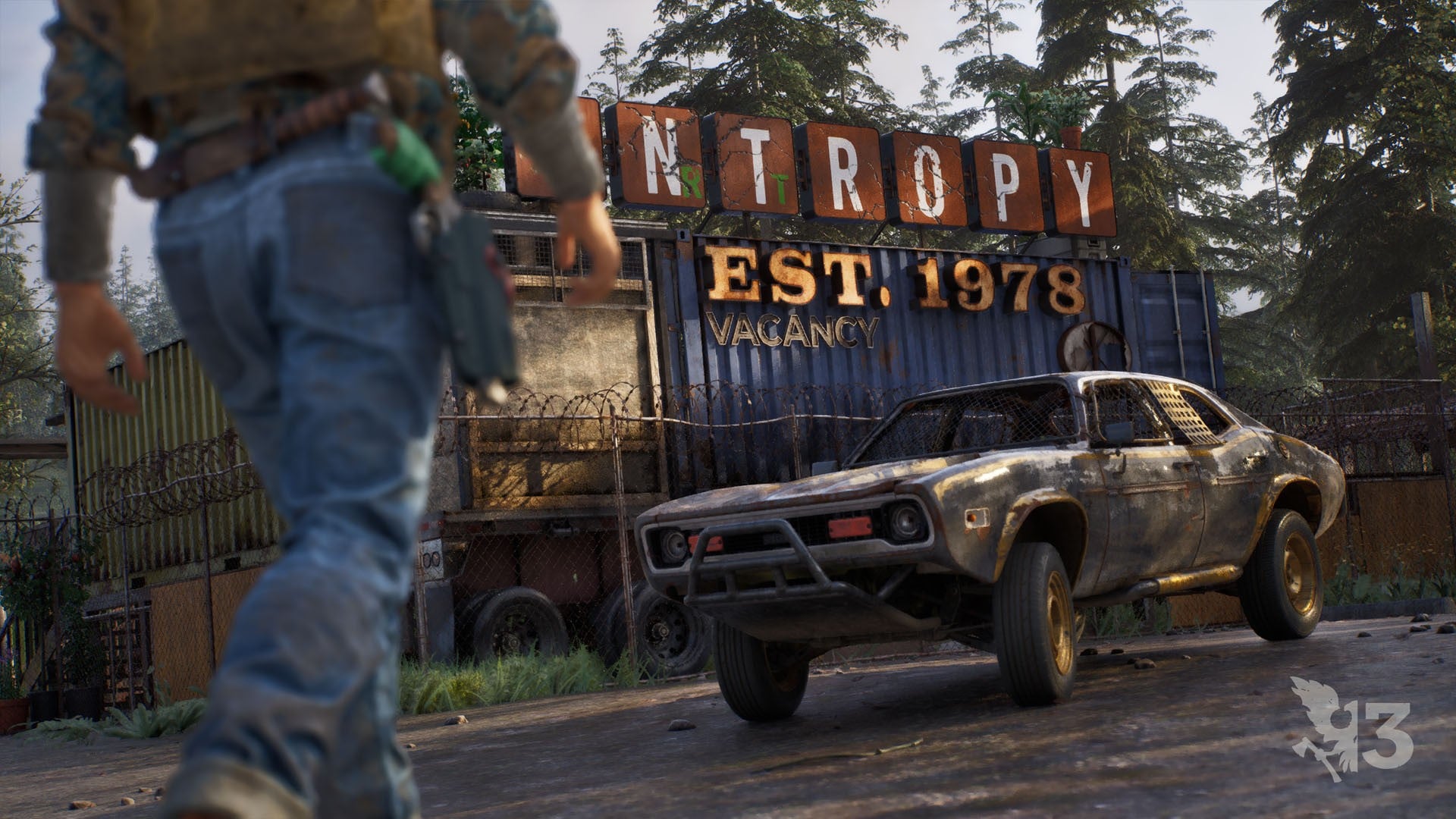
However, the recent announcement of Undead Labs being sold off by Microsoft marks a significant departure from this strategic direction. This divestment follows Microsoft’s broader corporate restructuring, which included the announcement in July of substantial job cuts—reportedly 3,200 positions—across its gaming divisions and the departure of four first-party studios from its portfolio. While the specific reasons for Undead Labs’ sale have not been fully disclosed, such decisions often stem from a combination of factors, including portfolio optimization, alignment with core strategic priorities, and the financial performance or projected future contributions of individual studios. Industry analysts suggest that Microsoft might be refocusing its first-party efforts on studios with broader appeal or those developing titles with a more direct synergy with its cloud gaming initiatives.
Development Milestones: Alpha Tests and the Road to Beta
Undead Labs has been actively engaging its community through various development milestones. Over the past few months, the studio has been conducting internal and limited external Alpha playtests, gathering early feedback on core gameplay loops, systems, and overall player experience. These Alpha tests are crucial for identifying foundational issues and iterating on mechanics before the game enters a more public testing phase.
The transition to a Closed Beta before the end of 2026 represents a significant step forward. Creative Director Kevin Patzelt elaborated on the studio’s rationale for this expanded testing phase: "We’re going to be expanding our alpha and then closed beta to more players over time, this is our largest map ever and with untethered multiplayer, we really need to take the opportunities to stress-test and fine-tune. If you don’t get access right away, rest assured there will be more opportunities throughout the year for players familiar and brand new to the series." This statement underscores the ambitious scope of State of Decay 3, particularly its commitment to an expansive open world and a robust, untethered multiplayer experience. The emphasis on "stress-testing and fine-tuning" highlights the technical complexities involved in delivering a seamless experience for a game of this scale, especially one featuring dynamic zombie populations and player-driven narratives.
The iterative nature of modern game development, heavily reliant on player feedback, is evident here. By inviting a larger pool of players into the beta, Undead Labs aims to gather diverse perspectives and identify issues that might not surface in smaller, internal tests. This approach is designed to ensure that the final product is polished, engaging, and reflective of community expectations, ultimately leading to a more successful launch in 2027.
Creative Vision and Technical Ambition
State of Decay 3 is poised to push the boundaries of the franchise, both creatively and technically. While specific gameplay details remain under wraps, developer insights suggest a focus on enhancing immersion, expanding narrative possibilities, and refining core survival mechanics. The mention of "our largest map ever" by Kevin Patzelt points to an ambition for unparalleled scale, potentially offering diverse biomes, more intricate settlements, and a greater sense of discovery within its post-apocalyptic setting.
The "untethered multiplayer" feature is another key innovation. Previous State of Decay titles featured co-op, but often with limitations on player proximity or progression syncing. An untethered system implies a more seamless and flexible multiplayer experience, allowing players greater freedom to explore, scavenge, and build together without artificial constraints. This could significantly enhance the game’s replayability and foster a stronger sense of community among players.
Technologically, State of Decay 3 is expected to leverage the full capabilities of the Xbox Series X|S and modern PC hardware. This includes advanced graphics rendering, realistic environmental destruction, dynamic weather systems, and sophisticated AI for both human survivors and the undead hordes. The studio is likely aiming for a higher level of graphical fidelity and environmental detail than seen in previous installments, creating a more believable and terrifying world. The use of advanced game engines and development tools will be critical in realizing this vision, ensuring that the ambitious scope translates into a stable and visually stunning experience.
Cross-Platform Strategy and Enduring Game Pass Commitment
Perhaps one of the most intriguing aspects of the State of Decay 3 announcement is its confirmed multi-platform release. Despite Undead Labs’ impending separation from Microsoft’s first-party studio lineup, the game will still launch on Xbox Series X|S, PC, and notably, PlayStation 5. This cross-platform strategy is significant, especially considering the title’s origins within the Xbox ecosystem. It suggests a shift in how Microsoft views certain intellectual properties, potentially indicating a move towards broader accessibility for games developed under its umbrella, even if the developing studio transitions to independent ownership.

The commitment to Xbox Game Pass and Xbox Play Anywhere further solidifies State of Decay 3‘s ties to Microsoft’s platforms. Xbox Game Pass subscribers will have access to the game on day one, a crucial selling point for the service. Xbox Play Anywhere functionality means that players who purchase the game digitally can play it across both Xbox consoles and PC with a single purchase, carrying over saves and achievements. This ensures that a large existing player base within the Xbox ecosystem will still be able to engage with the title immediately upon release, irrespective of the studio’s ownership status.
This strategic decision to maintain Game Pass inclusion and expand to PlayStation 5 could be interpreted in several ways. It might be a condition of the studio’s sale, ensuring continued value for Microsoft’s platforms while maximizing revenue potential across a wider market. Alternatively, it could reflect a growing industry trend towards multi-platform releases, even for games with historical ties to a single console family, acknowledging the benefits of reaching the largest possible audience in a highly competitive market. For players, this means broader access and more options for experiencing the next chapter of State of Decay.
Industry Implications and Future Outlook
The developments surrounding State of Decay 3 and Undead Labs carry broader implications for the video game industry. Microsoft’s decision to divest studios, following a period of aggressive acquisitions, suggests a recalibration of its content strategy. This could signal a more selective approach to first-party development, focusing resources on studios deemed central to the Xbox brand’s future or those with proven track records of generating widespread appeal and subscriber growth for Game Pass.
For Undead Labs, the transition to a new, as-yet-unannounced owner will present both challenges and opportunities. While the stability and resources of a corporate giant like Microsoft will be missed, a new independent or mid-sized publisher could offer greater creative autonomy and a more focused partnership. The success of State of Decay 3 will be critical in establishing the studio’s trajectory under new leadership, proving its ability to deliver a high-quality product that resonates with players on multiple platforms.
The 2027 release window, while seemingly distant, offers Undead Labs ample time to polish the game and incorporate feedback from the upcoming beta tests. In an industry increasingly plagued by rushed releases and unmet expectations, a longer development cycle can often lead to a more refined and critically acclaimed product. The success of State of Decay 3 will not only be a testament to Undead Labs’ resilience and vision but also a case study in how studios navigate corporate divestments while maintaining their creative output and market commitments.
In conclusion, State of Decay 3‘s 2027 release and imminent beta program represent exciting prospects for fans, promising an ambitious evolution of the beloved survival series. However, the backdrop of Undead Labs’ impending sale by Xbox adds a layer of complexity and intrigue, underscoring the dynamic nature of the modern gaming landscape. Despite these corporate shifts, the commitment to a multi-platform launch and continued Game Pass support ensures that the next chapter of State of Decay will reach a wide audience, eager to face the challenges of its largest and most untethered zombie apocalypse yet.