


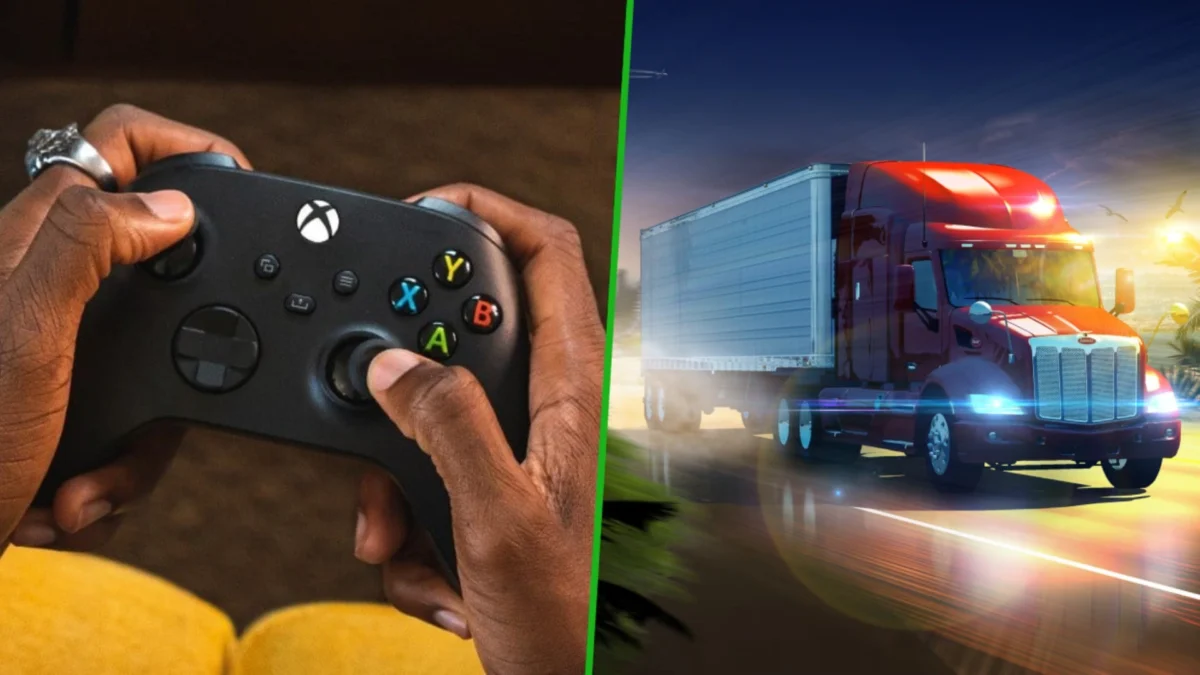
SCS Software, the Czech-based developer renowned for its long-running and highly detailed simulation titles, has provided a significant update regarding the highly anticipated console versions of American Truck Simulator (ATS) and Euro Truck Simulator 2 (ETS2). Following an initial announcement in August 2025 that the titles would eventually make their way to Xbox and PlayStation platforms, the studio has released a detailed technical update titled "Road to Consoles Dev Talk." The video serves as a transparent look into the formidable engineering hurdles the studio faces as it attempts to bring a legacy PC engine to modern console hardware. While the news confirms that development is ongoing, the complexity of the task suggests that a release within the 2026 calendar year is increasingly unlikely, as the studio prioritizes a fundamental "untangling" of nearly three decades of accumulated code.
The Architectural Challenge of Technical Debt
The primary obstacle cited by SCS Software is the sheer age and evolution of the underlying game engine. The Prism3D engine, which powers both ATS and ETS2, has been in continuous development and iteration for approximately 30 years. Throughout its lifespan, the engine was optimized for a specific era of PC architecture—one that favored single-core processor performance over the highly parallelized, multi-core environments that define modern consoles like the Xbox Series X|S and PlayStation 5.
In the "Road to Consoles Dev Talk," lead developers explained that the process of porting the games is not a simple matter of adjusting graphics settings or remapping controls. Instead, it requires a "superhuman task" of rewriting massive portions of the codebase to resolve what is known in the industry as "technical debt." This debt refers to the cumulative effect of "tiny little shortcuts" and older coding standards that were acceptable in the early 2000s or 2010s but now act as bottlenecks for modern hardware optimization.
The studio revealed that the codebase was originally designed without the foresight of running across multiple processors simultaneously. To achieve the performance levels required for a stable console experience—especially given the CPU-heavy nature of simulation games involving complex physics and artificial intelligence—SCS Software determined that they could not simply "patch" the existing structure. They were faced with a binary choice: rewrite the entire engine from scratch or implement a series of massive, incremental changes to modernize the foundation. They have opted for the latter, a process that is as time-consuming as it is delicate.
A Chronology of the Truck Simulator Franchise
To understand the magnitude of this undertaking, one must look at the timeline of SCS Software’s development history. Euro Truck Simulator 2 was originally released on PC in October 2012, while American Truck Simulator followed in February 2016. However, the roots of these games stretch back much further, utilizing iterations of the engine seen in earlier titles like 18 Wheels of Steel (2002) and the original Euro Truck Simulator (2008).
Over the last decade, both ATS and ETS2 have transitioned from niche simulation products to industry-leading "platform" games. SCS Software has maintained a consistent release schedule of Map Expansions (DLCs), truck licensed content, and graphical updates. In 2019, the studio successfully transitioned the games from DirectX 9 to DirectX 11, a move that was considered a major technical milestone at the time. However, even that transition did not fully address the underlying multi-threading issues that current console hardware demands.
The August 2025 announcement of the console ports was met with immense enthusiasm from the gaming community, as it represented the first official confirmation that these PC staples would finally bridge the gap to the living room. However, the silence following that announcement led to speculation, which the latest developer update has now clarified as a period of intense, behind-the-scenes structural engineering.
Supporting Data: The Complexity of the Simulation
The difficulty of porting ATS and ETS2 is compounded by the sheer scale of the content involved. Unlike a standard racing game with a fixed set of tracks, these simulators feature sprawling, interconnected maps that span thousands of real-world miles.
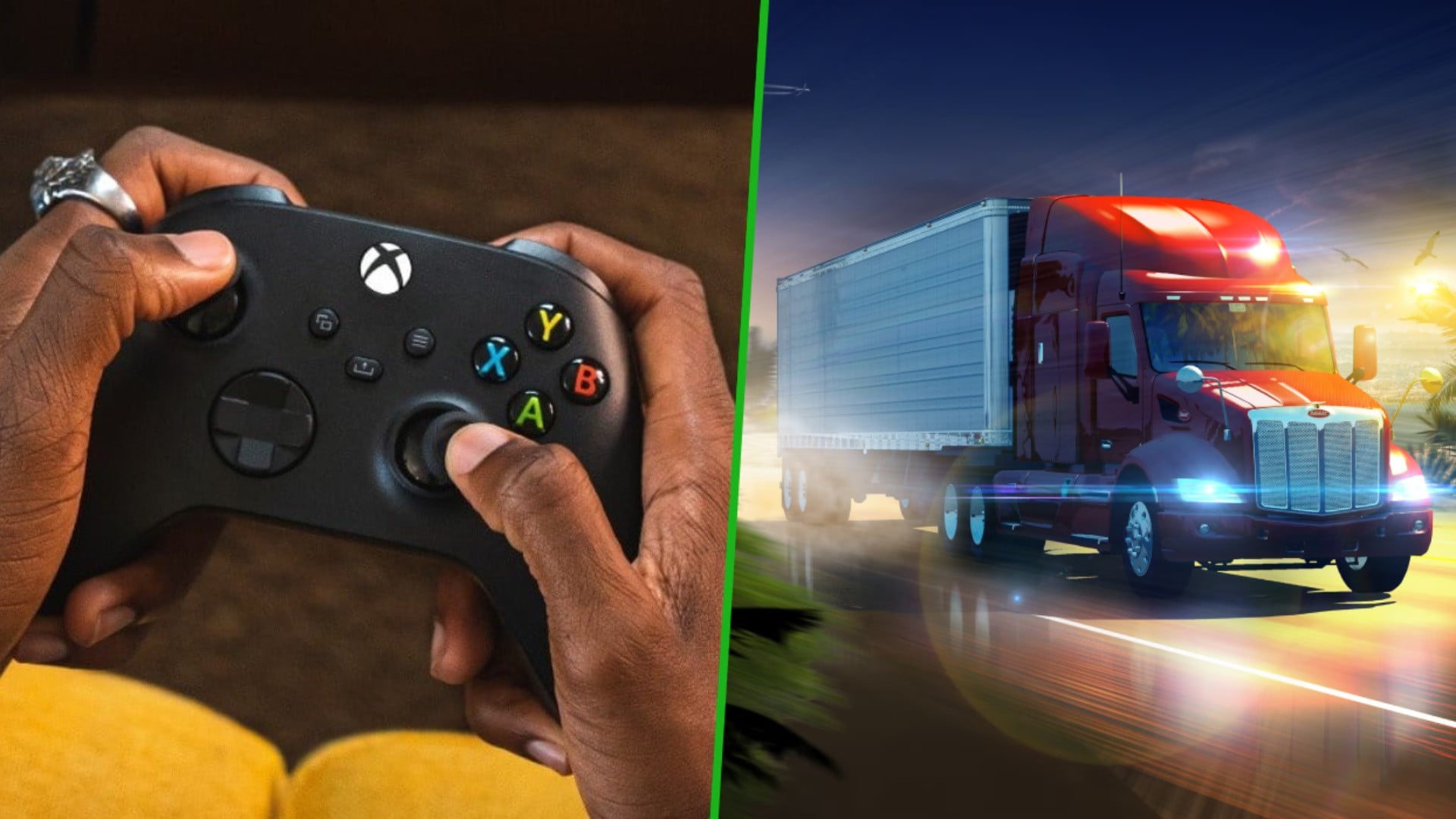
- Euro Truck Simulator 2 Content: As of late 2025, ETS2 covers nearly the entirety of Europe, featuring over 15 major DLC expansions ranging from "Going East!" to the most recent Mediterranean and Nordic expansions. The game includes thousands of unique assets, complex AI traffic patterns, and a dynamic weather system.
- American Truck Simulator Content: ATS has systematically added nearly 20 U.S. states, each with distinct geographical features, flora, and urban layouts.
- Physics and Systems: The games simulate intricate truck mechanics, including air brake pressure, retarder systems, differential locks, and complex trailer physics. Managing these calculations while maintaining a steady frame rate on a console’s shared memory architecture is a significant hurdle.
Furthermore, the games have a massive active player base. On Steam, ETS2 consistently maintains a spot in the top 100 most-played games, often seeing peak concurrent player counts exceeding 60,000 to 80,000. Maintaining parity between the PC and console versions—ensuring that console players receive the same updates and features—is a core requirement for SCS Software, adding another layer of difficulty to the development cycle.
Official Responses and Studio Philosophy
SCS Software has historically been known for a "when it’s ready" approach to development, a philosophy that was reiterated during the "Road to Consoles" update. The studio’s management emphasized that they are unwilling to commit to a concrete release date too early, citing a desire to avoid the industry trend of announcing dates and subsequently issuing public apologies for delays.
"My message to the people would be to just, you know, give us the time we’re going to need," a representative stated in the video. "Have patience with us because as always, we will not want to release anything unless we feel we have a good project to release."
This transparency is intended to manage expectations. By admitting that they are effectively "untangling" 30 years of code, the studio is signaling to the audience that this is a long-term project. The studio also noted their history of "keeping things under the lid" until very close to launch, suggesting that once a release date is finally announced, it will be because the product is in its final stages of certification.
Broader Impact and Industry Implications
The struggle faced by SCS Software highlights a broader trend in the gaming industry: the difficulty of modernizing "legacy" live-service titles. As hardware moves toward specialized SSDs and high-core-count CPUs, games built on older foundations must undergo significant surgery to remain viable.
For the console market, the arrival of ATS and ETS2 would fill a significant void in the simulation genre. While consoles have titles like SnowRunner, Farming Simulator, and Construction Simulator, the specific "long-haul" logistics niche occupied by SCS Software remains largely vacant on Xbox and PlayStation. The successful porting of these games would likely result in a substantial new revenue stream for the studio and a broader reach for their licensed partners, which include major truck manufacturers like Kenworth, Peterbilt, Volvo, and Scania.
Moreover, the work being done for the console versions will directly benefit the PC community. The "rewriting" of the engine to support multi-core processing will eventually be integrated back into the PC builds of ATS and ETS2. This will likely result in significant performance gains for PC players, particularly those with high-end CPUs who have previously been limited by the engine’s single-threaded nature. It also paves the way for future graphical enhancements, such as more advanced lighting, ray tracing, and improved VR support.
Future Outlook
While the lack of a 2026 release window may be disappointing to some fans, the technical transparency provided by SCS Software suggests a commitment to quality over speed. The studio is not merely porting a game; they are rebuilding a legacy. For a franchise that has survived and thrived for over a decade on PC, the transition to consoles represents the next major chapter in its history.
As of now, the studio continues to work on its "incremental changes" strategy. Players can expect continued updates for the PC versions, which will serve as a bellwether for the progress being made on the engine overhaul. When the "Road to Consoles" finally nears its end, the result is expected to be a robust, future-proofed version of the world’s most popular trucking simulators, capable of running on hardware for years to come. For the time being, the message from Prague remains clear: the trucks are coming to consoles, but they will not be hitting the road until the engine is fully optimized for the journey ahead.