


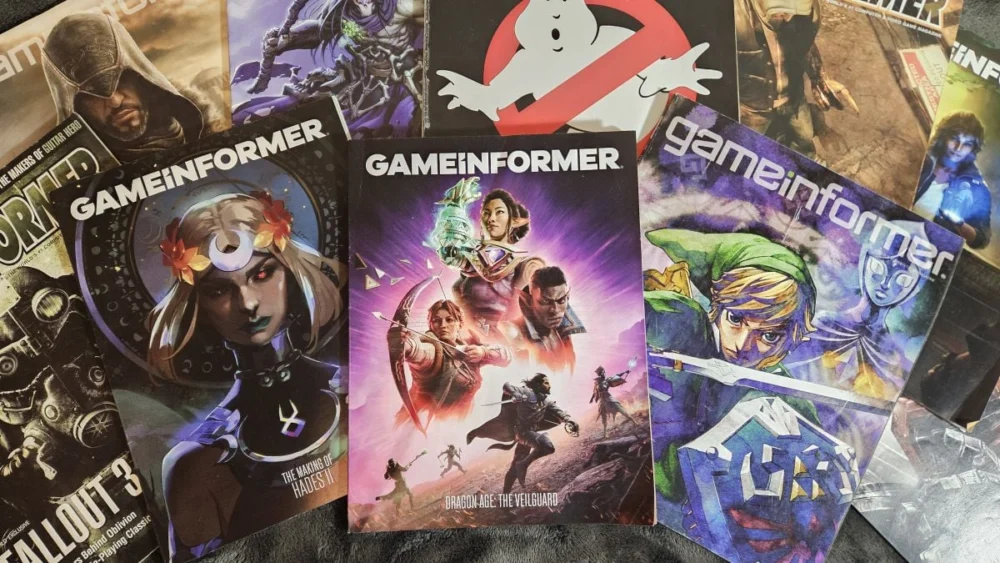
The landscape of video game media has been irrevocably altered today with the abrupt closure of Game Informer, a publication that has served as a cornerstone of the industry for over thirty-three years. The announcement, delivered to staff this morning by parent company GameStop corporate, marks the end of an era for both its esteemed print magazine and its extensive online presence. All editorial staff have been laid off as the company shutters the publication. Kyle Hilliard, former content director for the magazine, confirmed that the upcoming issue was approximately 70% complete and was slated to feature a significant cover story.
The official confirmation of Game Informer’s closure was disseminated through the publication’s social media channels, where a statement read, "While our presses may stop, the passion for gaming that we’ve cultivated together will continue to live on." This statement was echoed by numerous writers and contributors who have begun sharing the news of their departure and the magazine’s demise on their personal social platforms, signaling a widespread and immediate impact on the individuals who dedicated their careers to the publication.
A Legacy Forged in Print and Pixels
Game Informer’s origins trace back to 1991, when it was launched as a modest in-house newsletter by FuncoLand, a video game retailer that has since ceased to exist. The publication’s trajectory shifted dramatically in 2000 when GameStop acquired FuncoLand, thereby inheriting Game Informer. Under GameStop’s ownership, the magazine evolved from a simple newsletter into a significant component of the company’s customer loyalty program, offering subscribers exclusive benefits and early access to content. This strategic integration allowed Game Informer to reach a vast audience, solidifying its position within the gaming community.
Over the subsequent decades, Game Informer established itself not merely as a magazine but as a comprehensive media entity. It transitioned and adapted to the evolving digital landscape, developing a robust online platform that complemented its print counterpart. The publication became renowned for its in-depth previews, comprehensive reviews, insightful features, and often visually striking cover art, which frequently became collector’s items among its dedicated readership.
Navigating Industry Shifts and Corporate Restructuring
Game Informer’s journey was not without its challenges. The publication had to navigate the seismic shifts within the media industry, including the broader decline in print journalism and the imperative to establish a strong digital presence. Furthermore, Game Informer faced repeated instances of corporate restructuring and staff reductions under GameStop’s ownership. These cuts often occurred against the backdrop of GameStop’s broader corporate strategies, which included ambitious ventures into emerging technologies such as NFTs and blockchain, as the company attempted to leverage its unique "meme-stock" status and adapt to the volatile retail environment.
Despite these internal pressures and the broader industry headwinds, Game Informer demonstrated remarkable resilience. The magazine consistently produced high-quality content, earning accolades and maintaining a significant readership. In 2010, Game Informer achieved a remarkable milestone, ranking as the fifth-largest magazine in the United States, surpassing established publications like Time and Sports Illustrated. This achievement underscored the publication’s substantial reach and influence within the American media landscape. More recently, the editorial team made a concerted effort to reinvigorate its print offerings by re-launching a subscription service, signaling a commitment to the physical medium even as digital consumption continued to dominate.
An Unparalleled Influence on Gaming Culture
For many within the gaming community, and particularly for those who aspired to work in games media, Game Informer represented an unparalleled institution. Its pages offered a gateway into the world of video games, providing not just news and reviews, but also a deeper understanding of the industry’s creators and culture. The magazine’s content often extended beyond simple reporting, featuring opinion pieces, in-depth interviews with developers, and expansive features that explored the nuances of game design and player experiences. A particularly cherished section for many readers, and for former writers, was the "Letters from Readers" segment, which fostered a direct connection between the publication and its audience.
The impact of Game Informer’s early issues on aspiring journalists and creators cannot be overstated. Pulling out old issues, as some former writers have done in the wake of the announcement, often serves as a potent reminder of the profound influence these magazines had on shaping perspectives and fostering a lifelong passion for the medium. The iconic cover art, a hallmark of Game Informer, frequently featured breathtaking and memorable artwork that not only captured the essence of upcoming titles but also served as a visual testament to the creative energy within the gaming industry.
The Broader Implications of a Digital Age
The closure of Game Informer arrives at a time when the video game industry is experiencing significant turmoil, marked by widespread layoffs and the consolidation of media outlets. Reports from earlier this year indicated that thousands of jobs were lost in the video game sector throughout 2023. In this context, the disappearance of a long-standing and influential publication like Game Informer is a stark reminder of the precarious nature of the industry’s media ecosystem.
As more established institutions are either dissolved or significantly scaled back, the future of comprehensive and in-depth games journalism becomes increasingly uncertain. The loss of Game Informer means the disappearance of a significant platform for independent voices and critical analysis, potentially leading to a more homogenized media landscape. The individuals who comprised the Game Informer team, now facing an uncertain professional future, represent a significant loss of talent and institutional knowledge. Their collective experience and dedication have been instrumental in shaping the discourse surrounding video games for decades. The implications of this closure extend beyond the immediate staff, impacting the broader gaming community that relied on Game Informer for its consistent, insightful, and often passionate coverage. The void left by its absence will undoubtedly be felt for years to come, prompting reflection on the evolving nature of media consumption and the enduring value of dedicated, long-form journalism in an increasingly fragmented digital world.