


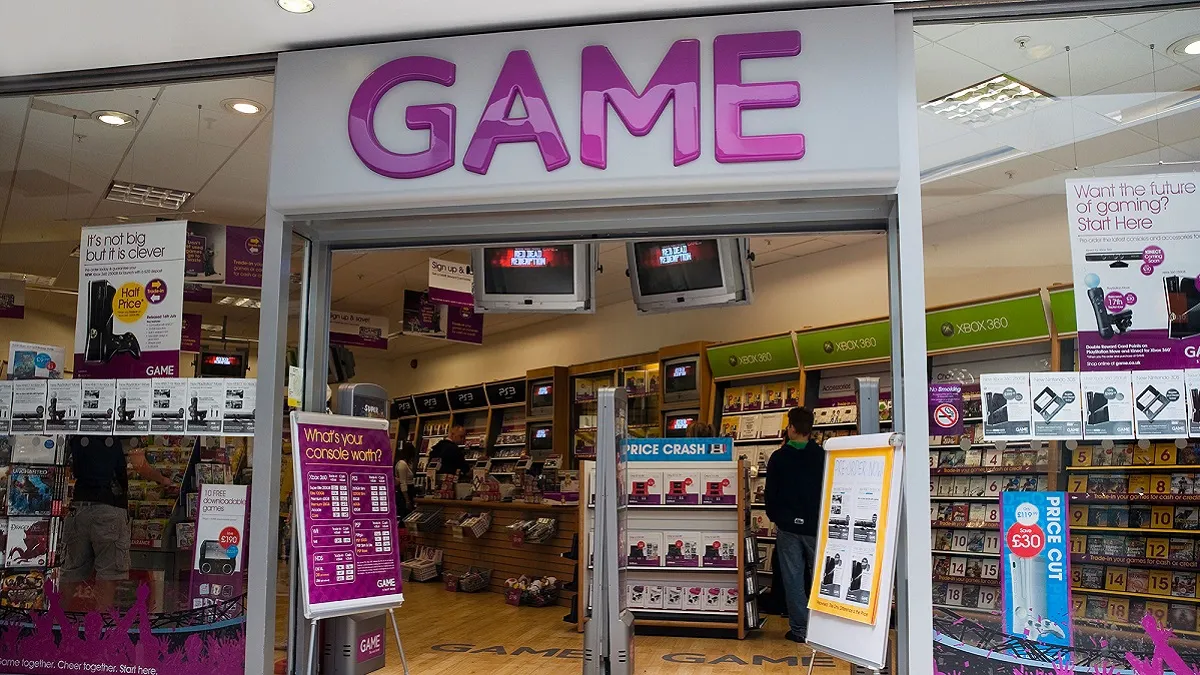
The video game retail landscape in the United Kingdom is facing significant upheaval as reports indicate that GAME, a long-standing high-street presence, is preparing staff for potential redundancies and a widespread transition to zero-hours contracts. This development, detailed by anonymous staff members speaking to Eurogamer, casts a shadow over the future of physical game retail and highlights the ongoing challenges within the broader video game industry, which has seen a worrying trend of studio closures and layoffs over the past year. While official confirmation from GAME or its parent company, Frasers Group, remains pending at the time of this report, the internal communications suggest a substantial restructuring is underway, with non-managerial staff being informed of their employment status via phone or email. The move to zero-hours contracts for the majority of the workforce signifies a fundamental shift in employment security, offering no guaranteed weekly or monthly hours and potentially impacting the livelihoods of hundreds of individuals.
The Waning Era of Physical Game Retail
For decades, GAME served as a primary destination for UK gamers seeking the latest releases, pre-order bonuses, and a tangible connection to their hobby. Established in 1992, the company grew to operate over 250 outlets across the country, becoming a ubiquitous feature of high streets and shopping centres. Its longevity was a testament to the enduring appeal of physical media and the social aspect of visiting a dedicated game store. However, the inexorable march of digital distribution has fundamentally altered the industry’s consumption model. Increasingly, gamers opt for digital downloads, bypassing the need for physical discs and the associated retail experience. This shift has placed immense pressure on traditional brick-and-mortar retailers like GAME, forcing them to adapt or face obsolescence.
The acquisition of GAME by Frasers Group in 2019, a retail conglomerate known for brands like Sports Direct and House of Fraser, signalled an attempt to integrate the struggling game retailer into a larger, diversified business. Yet, even under new ownership, the challenges persisted. The recent announcement that GAME would be ceasing its popular trade-in service earlier this year further underscored the financial pressures and strategic re-evaluations occurring within the company. This service, a cornerstone of GAME’s offering for many years, allowed customers to exchange old games for credit towards new purchases, effectively recycling the market and providing a consistent revenue stream. Its discontinuation is a stark indicator of the company’s efforts to streamline operations and cut costs in the face of declining sales of physical games.
A Timeline of Industry Challenges and GAME’s Response
The current situation at GAME is not an isolated incident but rather a symptom of broader trends impacting the video game industry globally. The past 18-24 months have been particularly turbulent, marked by a significant number of high-profile studio closures and substantial workforce reductions across major publishers and developers.
- Late 2022 – Early 2023: A wave of layoffs began to sweep through the tech and gaming sectors, with companies citing economic uncertainty, over-hiring during the pandemic, and a slowdown in consumer spending on non-essential goods.
- Throughout 2023: This trend intensified, with numerous studios, including those within larger publishers, announcing significant downsizing. The "Great Games Industry Layoffs" became a widely discussed phenomenon.
- Late 2023 – Early 2024: The retail sector, including video game specialists, continued to feel the pinch. Companies with significant physical retail footprints found themselves particularly vulnerable.
- Early 2024: Reports emerged of GAME ceasing its trade-in service, a move interpreted by many as a precursor to more significant operational changes.
- April 2024: Anonymous GAME staff members reportedly informed Eurogamer of impending redundancies and a mass transition to zero-hours contracts, indicating a critical juncture for the company.
The shift to zero-hours contracts, while a common practice in certain sectors of the retail and hospitality industries, represents a significant departure from traditional employment models within retail. For employees, it removes the guarantee of a stable income and predictable working hours, making personal financial planning and long-term commitments considerably more challenging. This move can be interpreted as a cost-saving measure for the employer, allowing for greater flexibility in staffing levels based on fluctuating demand, but it comes at the expense of employee security.
Supporting Data and Industry Context
The struggles of physical game retailers like GAME are directly correlated with the accelerating shift towards digital game sales. According to industry analysis firms, digital sales now constitute the vast majority of revenue in many major gaming markets. For instance, data from Circana (formerly NPD Group) has consistently shown digital sales outpacing physical sales for several years in North America, and similar trends are observed globally. In the UK, while specific figures fluctuate, the dominance of digital platforms like Steam, PlayStation Store, Xbox Games Store, and Nintendo eShop is undeniable.
This digital transition has several implications for physical retailers:
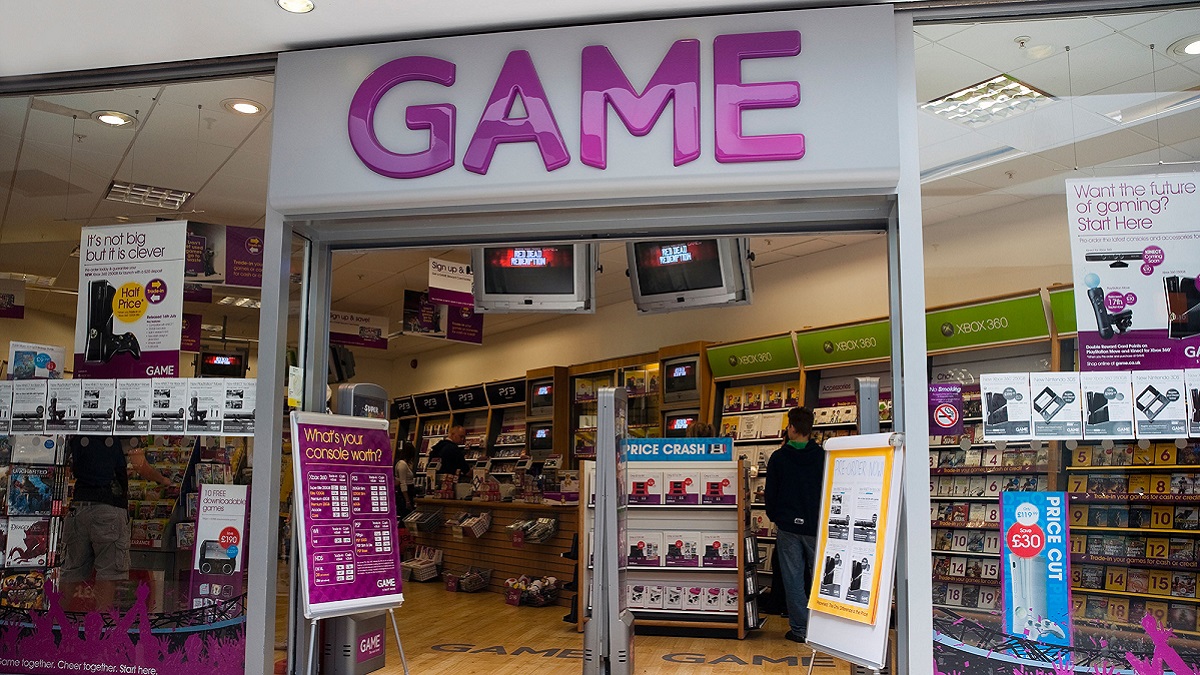
- Reduced Foot Traffic: Fewer consumers visit physical stores for game purchases.
- Lower Inventory Costs: Digital distribution eliminates the need for physical stock, warehousing, and distribution logistics for publishers and, by extension, reduces the core product offering for retailers.
- Margin Compression: While physical games have their own margins, the perceived value and convenience of digital downloads, often accompanied by frequent sales and discounts, can create price pressure.
- Competition from Online Retailers: Even for physical copies, online giants like Amazon often offer competitive pricing and faster delivery, further eroding the market share of specialist brick-and-mortar stores.
The financial health of the video game industry, while generally robust in terms of overall consumer spending, is often concentrated within the largest publishers and developers who have successfully navigated the digital transition and invested heavily in live-service games and digital infrastructure. Companies reliant on physical retail, or those that have been slow to adapt their business models, face a much steeper uphill battle.
Potential Implications and Broader Impact
The reported redundancies at GAME have far-reaching implications, both for the affected employees and for the broader UK retail sector.
For Employees: The most immediate impact will be on the livelihoods of the staff. The transition to zero-hours contracts means a significant reduction in job security and predictability. For individuals who have built careers at GAME, this represents a fundamental change in their working conditions, potentially forcing them to seek employment elsewhere or to juggle multiple part-time roles to maintain a stable income. The uncertainty surrounding the exact number of potential layoffs means many will be anxiously awaiting official communication.
For the Retail Sector: GAME’s situation serves as another stark reminder of the challenges facing traditional retail in the digital age. The high street has been undergoing a profound transformation, with many established brands struggling to remain relevant. The potential decline or restructuring of a brand as well-established as GAME could lead to further vacancies in retail spaces, impacting local economies and high street vitality. It also highlights the ongoing need for retailers to innovate and diversify their offerings to attract and retain customers in a rapidly evolving market.
For the Gaming Community: While many gamers have embraced digital, a significant portion still values the tangible experience of owning physical games, the ability to trade them in, and the community fostered within physical stores. The potential reduction in GAME stores could diminish these opportunities for a segment of the gaming population, particularly those who may not have reliable internet access or prefer the tactile aspect of gaming.
For Frasers Group: The parent company faces the delicate task of managing this transition. While cost-cutting and operational efficiency are likely drivers, the reputational impact of significant layoffs and a shift to precarious employment contracts will be closely watched. The long-term strategy for GAME under Frasers Group will be crucial in determining its ultimate fate.
Official Responses and Future Outlook
At the time of reporting, there has been no official statement from GAME or Frasers Group addressing the anonymous claims of impending redundancies and the shift to zero-hours contracts. Eurogamer has reportedly reached out to GAME for comment, and any response will be critical in clarifying the company’s position and the scale of the proposed changes.
The future of GAME, and indeed physical game retail in the UK, remains uncertain. The company’s ability to adapt to the dominant digital market, potentially by focusing on niche products, exclusive merchandise, or enhanced in-store experiences, will be key to its survival. However, the current reports suggest a more immediate and challenging phase of cost reduction and workforce restructuring. The coming weeks and months will likely reveal the full extent of these changes and their lasting impact on the UK’s video game retail landscape. The situation at GAME underscores the ongoing disruption within the global video game industry, a sector that, despite its immense popularity and growth, continues to grapple with the seismic shifts brought about by technological advancement and evolving consumer behaviour.