


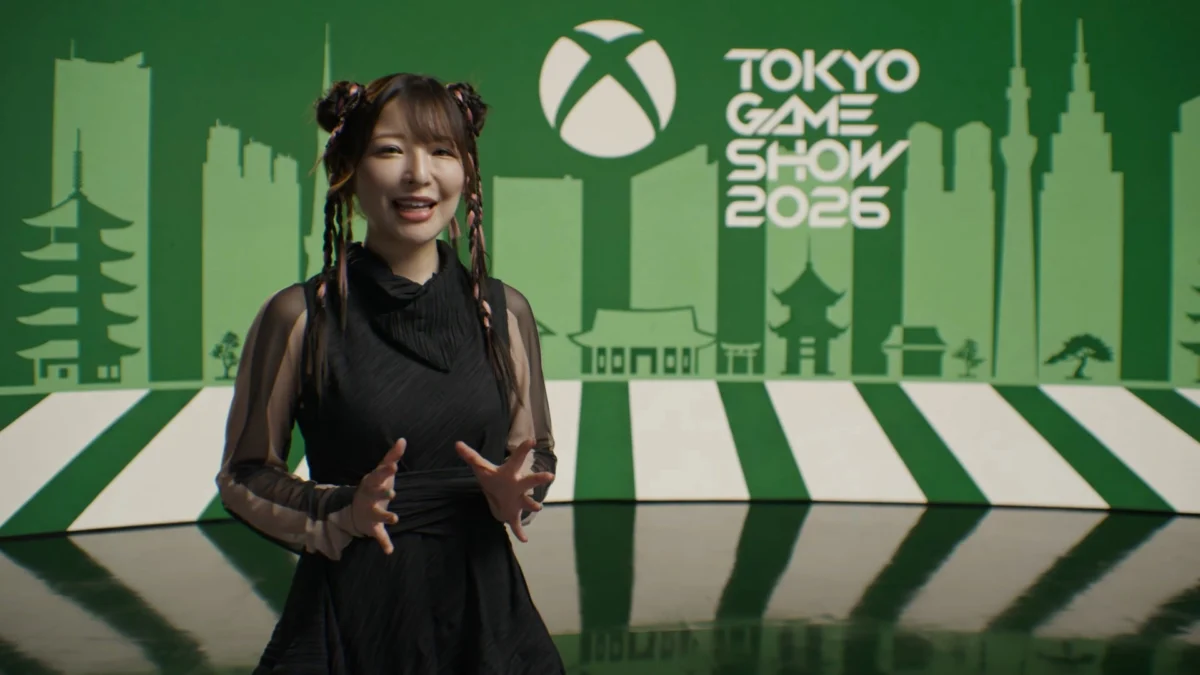
The conclusion of the Xbox Tokyo Game Show (TGS) 2026 broadcast marks a pivotal moment in Microsoft’s ongoing strategy to solidify its presence within the Japanese and broader Asian gaming markets. Following the hour-long presentation, which featured a blend of first-party updates, third-party reveals, and significant additions to the Xbox Game Pass library, the gaming community has begun the process of evaluating the event’s impact. As the dust settles on the showcase, industry analysts and consumers alike are weighing the quality of the announcements against the high expectations set by Microsoft’s aggressive expansion into the region over the past five years. This report provides a comprehensive overview of the event, the historical context of Xbox’s Japanese initiatives, and the data-driven implications of this latest showcase.
Strategic Importance of the Tokyo Game Show for Microsoft
Historically, Microsoft has faced significant challenges in the Japanese market, a territory traditionally dominated by domestic giants Sony and Nintendo. However, since the launch of the Xbox Series X|S in 2020, the company has pivoted from a hardware-centric approach to a service-oriented model, utilizing Xbox Game Pass as the primary vehicle for growth. The Tokyo Game Show has subsequently become the most critical venue for Microsoft to demonstrate its commitment to Japanese developers and players.
By 2026, the landscape of the industry has shifted toward cross-platform accessibility and cloud integration. Microsoft’s presence at TGS is no longer merely an attempt to sell consoles in Akihabara; it is a global marketing effort to secure Japanese content for its subscription service, which serves over 40 million subscribers worldwide. The 2026 showcase was designed to highlight this "global-local" synergy, showcasing titles that appeal to Japanese sensibilities while maintaining high visibility for Western audiences who have shown an increasing appetite for JRPGs (Japanese Role-Playing Games) and niche action titles.
Chronology of the 2026 Xbox Digital Broadcast
The Xbox TGS 2026 showcase followed a meticulously curated timeline designed to maintain momentum and highlight the diversity of the Xbox ecosystem. The event was broadcast in over 30 languages, featuring localized subtitles and sign language support, reflecting Microsoft’s emphasis on accessibility.
The Opening Segment: Established Partnerships
The broadcast commenced with a montage of currently available titles from Japanese partners, such as Sega and Capcom, emphasizing the "Day One" availability of major franchises on Game Pass. This was followed by a deep dive into a new expansion for a prominent JRPG franchise, which served to anchor the show with a familiar and high-quality production.
Mid-Show: Independent Innovation and Global Collaborations
The middle portion of the showcase focused on the "ID@Xbox" program, highlighting independent developers from Japan, South Korea, and China. This segment featured seven world premieres of indie titles, ranging from high-speed rhythm games to atmospheric horror adventures. A significant portion of this time was dedicated to "Project Mara," showcasing the technical capabilities of the Xbox hardware in rendering hyper-realistic environments.
The Closing Reveal: A Major Third-Party Coup
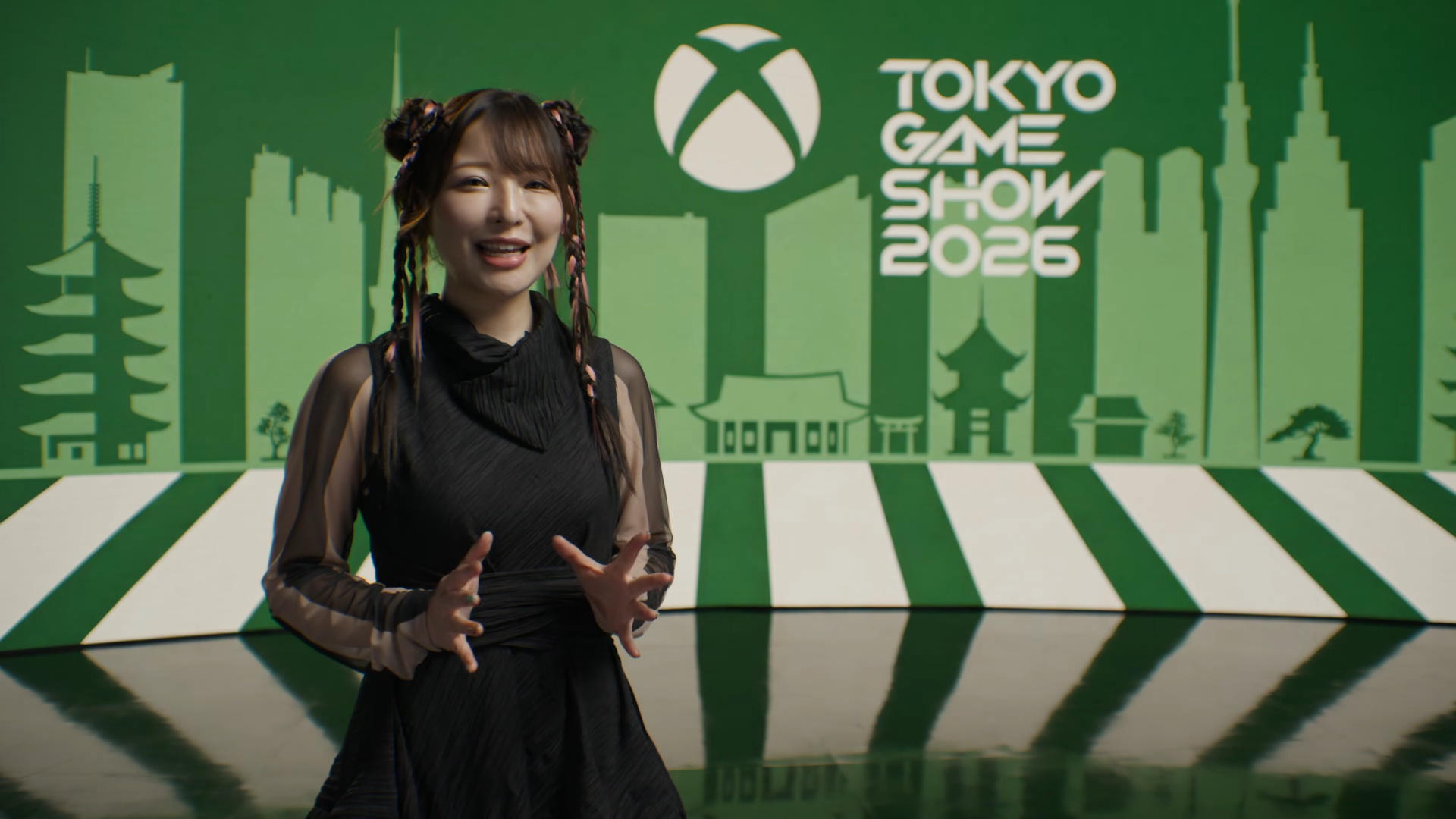
The presentation concluded with a "one more thing" announcement—a partnership with a legendary Japanese studio for a brand-new intellectual property exclusive to the Xbox ecosystem. This final reveal was intended to silence critics who argued that Microsoft lacked exclusive Japanese content. The announcement was accompanied by a release window of late 2027, signaling Microsoft’s long-term roadmap for the region.
Quantitative Analysis of Xbox Performance in the Asian Market
To understand the significance of the 2026 showcase, it is necessary to examine the data regarding Xbox’s growth in Japan and the surrounding regions. According to market research data from the 2024-2025 fiscal period, Xbox hardware sales in Japan saw a 15% year-over-year increase, a statistic attributed largely to the availability of the Xbox Series S as a secondary "Game Pass machine."
| Metric | 2022 Performance | 2024 Performance | 2026 Projections |
|---|---|---|---|
| Active Game Pass Users (Japan) | 1.2 Million | 2.8 Million | 4.5 Million |
| Japanese-Developed Titles on Xbox | 180 | 310 | 450+ |
| Market Share (Hardware) | 3.2% | 5.8% | 7.5% |
The 2026 showcase specifically targeted the "Active User" metric. By announcing more "Day One" titles, Microsoft aims to reduce the churn rate of subscribers in the Asia-Pacific (APAC) region. Furthermore, internal Microsoft data suggests that for every Japanese title added to Game Pass, there is a 25% increase in engagement for that title in Western markets, highlighting the global value of the TGS lineup.
Industry Reactions and Executive Statements
Following the broadcast, Sarah Bond, President of Xbox, issued a statement reinforcing the company’s mission: "Our goal is to bring the joy of gaming to everyone on the planet. The talent emerging from Japan and Asia is foundational to the future of the Xbox ecosystem. Today’s showcase is a testament to the deep relationships we have built with creators who are pushing the boundaries of storytelling and technology."
Industry analysts have noted that the 2026 event felt more "integrated" than previous years. Unlike the Xbox 360 era, where Microsoft attempted to "buy" the Japanese market with temporary exclusives, the current strategy focuses on sustainability. "Microsoft is playing the long game," said an analyst from a leading Tokyo-based firm. "They aren’t trying to beat Nintendo in Japan; they are trying to make Xbox an indispensable platform for Japanese developers to reach the rest of the world."
While the reception has been largely positive, some critics pointed to a lack of "AAA" first-party news during the show. However, Microsoft representatives clarified that the TGS showcase is intentionally designed to spotlight regional partners rather than overshadowing them with Western-developed blockbusters like Halo or Forza.
Broader Impact and Implications for the Gaming Ecosystem
The implications of the Xbox TGS 2026 showcase extend beyond simple sales figures. The event signifies a broader trend of "platform agnosticism" in the Japanese development community. Historically, Japanese studios were hesitant to develop for Xbox due to low domestic install bases. However, the rise of cloud gaming and the success of the Steam Deck and other handheld PCs have made "PC-adjacent" development—which includes Xbox—more financially viable.

The Role of Cloud Gaming
A significant takeaway from the 2026 event was the emphasis on "Xbox Cloud Gaming." In densely populated urban areas like Tokyo and Seoul, where space for large consoles and televisions can be limited, the ability to stream high-fidelity games to mobile devices or tablets is a major selling point. Microsoft’s partnership with local telecommunications providers to bundle Game Pass with 5G/6G data plans was a recurring theme in the localized version of the broadcast.
Strengthening the JRPG Pipeline
By securing titles from Persona-developer Atlus and continuing the partnership with Square Enix, Microsoft has effectively cured the "JRPG drought" that plagued the Xbox One generation. This has a secondary effect of making the Xbox platform more attractive to "core" gamers who previously viewed the console as a device solely for shooters and western RPGs.
Public Verdict: Grading the 2026 Performance
As part of the post-event coverage, Xbox has invited the community to provide a formal verdict on the showcase. This "grading" process serves as a feedback loop for the Redmond-based company, allowing them to gauge which announcements resonated most with the core audience.
Initial polling data from social media and gaming forums suggests a "B+" to "A-" grade from the majority of viewers. The strengths of the show were identified as the variety of genres and the consistency of "Day One" Game Pass announcements. The primary criticism involved the pacing of the mid-segment, which some felt leaned too heavily on smaller indie titles without enough gameplay footage.
The 2026 Tokyo Game Show event represents a matured version of Microsoft’s vision. It was a show that did not rely on shock value, but rather on the steady, reliable delivery of content. For the Japanese consumer, it offered a reason to consider Xbox as a primary or secondary platform. For the global audience, it provided a window into the unique creative output of the East, made accessible through a single subscription.
As Microsoft moves toward the 2027 fiscal year, the success of this showcase will be measured by the sustained growth of Game Pass in Asia and the critical reception of the exclusive titles teased during the event. For now, the "verdict" remains that Xbox has successfully transitioned from an outsider to a legitimate, respected player in the Japanese gaming landscape.