


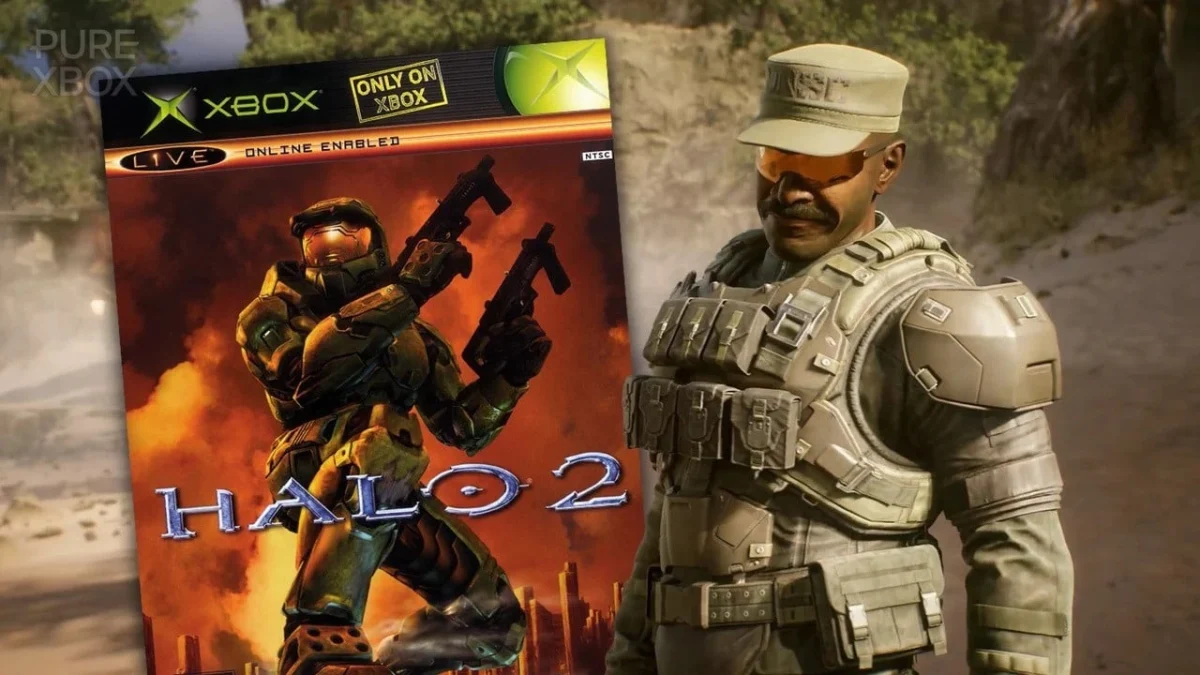
The landscape of the Halo franchise has undergone a seismic shift following Microsoft’s announcement that Activision, a subsidiary of Microsoft Gaming, will spearhead the development of the next mainline entry in the series. This transition marks the most significant organizational change for the intellectual property since Bungie’s departure in 2007. Under the new arrangement, Halo Studios—the entity formerly known as 343 Industries—will be reduced to a "small team" tasked with supporting existing titles and maintaining the current live-service infrastructure. This restructuring has introduced profound uncertainty regarding the future of rumored projects, most notably the anticipated remakes of Halo 2 and Halo 3, which were reportedly in development following the release of Halo: Campaign Evolved.
The Restructuring of Halo Studios and the Activision Takeover
The decision to transfer the stewardship of Halo to Activision comes after years of internal volatility at Halo Studios. Despite the critical success of recent endeavors, the studio has faced challenges in maintaining the commercial momentum required of a flagship platform-exclusive. The move to Activision is viewed by industry analysts as a strategic consolidation of Microsoft’s internal resources. By leveraging Activision’s massive development pipeline—responsible for the consistently high-performing Call of Duty franchise—Microsoft aims to stabilize the production cycle of Halo titles.
However, this corporate realignment has immediate consequences for the workforce. The downsizing of Halo Studios has resulted in significant layoffs, affecting developers who were instrumental in the creation of Halo Infinite and the recent Halo: Campaign Evolved. From a project management perspective, the shift suggests a pivot away from the specialized, legacy-focused approach of 343 Industries toward the high-output, blockbuster-centric model utilized by Activision’s various studios, such as Infinity Ward, Treyarch, and Sledgehammer Games.
The Commercial Performance of Halo: Campaign Evolved
The catalyst for this radical change appears to be the commercial performance of Halo: Campaign Evolved. Released to near-universal critical acclaim, including perfect scores from several major outlets, the title was designed as a modern reimagining of the 2001 classic. Built on a new engine to showcase the capabilities of the Xbox Series X|S, it was intended to serve as both a nostalgia-driven product and a technical benchmark.
Despite its high quality, early sales data suggests the game failed to meet Microsoft’s internal projections. Analysts point to several factors for this discrepancy. First, the Halo brand has seen numerous re-releases over the last two decades, including the Halo: Combat Evolved Anniversary edition in 2011 and the comprehensive Master Chief Collection in 2014. The saturation of the "Halo 1" experience may have dampened consumer appetite for a full-priced remake, regardless of technical improvements. Furthermore, the absence of a robust, standalone multiplayer component at launch—a staple of the Halo identity—is believed to have limited its long-term engagement metrics.
The Teased Halo 2 Remake: A Project in Limbo
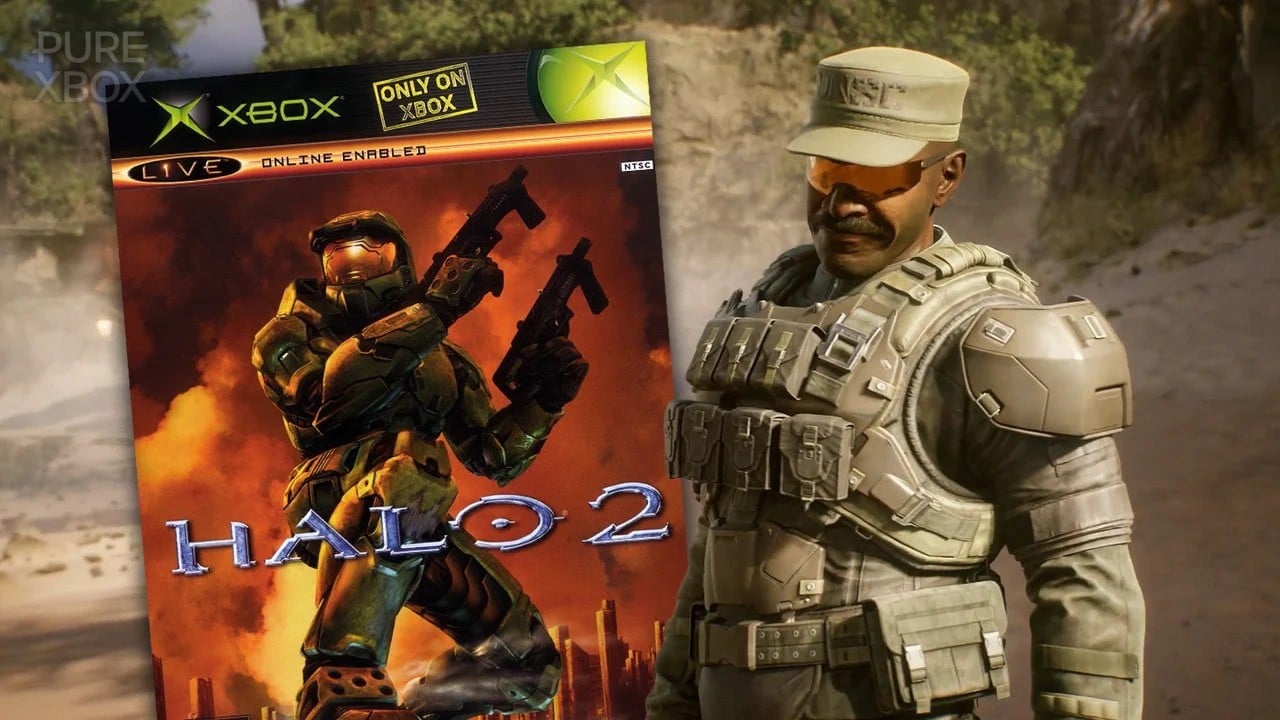
The most direct victim of this strategic pivot is the potential remake of Halo 2. Speculation regarding a modern version of the 2004 sequel was fueled by an intentional "legendary ending" teaser within Halo: Campaign Evolved. In a secret cutscene, the character Sergeant Johnson famously tells the player, "I’ll see you in the sequel," a line that served as a meta-commentary on the development of a follow-up remake.
A Halo 2 remake held significant promise for both fans and shareholders. Unlike the original Halo, Halo 2 introduced the foundational elements of modern console multiplayer and featured a dual-protagonist narrative that remains a high point for the series’ storytelling. Proponents of the project argued that a remake could have corrected the original game’s infamously rushed development cycle and provided a definitive version of its competitive multiplayer maps. With Activision now at the helm, the status of this project is unclear. If Activision’s mandate is to produce a "next mainline title," resources may be diverted entirely toward a new narrative chapter (Halo 7) rather than revisiting the past.
Chronology of the Halo Franchise Transitions
To understand the gravity of the current situation, it is necessary to examine the timeline of the franchise’s management:
- 2001–2007: The Bungie Era. Bungie develops the original trilogy, establishing Halo as the premier shooter on consoles.
- 2007–2011: The Transition. Microsoft forms 343 Industries to manage the IP after Bungie goes independent. Bungie releases Halo 3: ODST and Halo: Reach before exiting.
- 2012–2021: The 343 Industries Era. The studio releases Halo 4, Halo 5: Guardians, and Halo Infinite. While commercially successful, these titles faced mixed receptions regarding narrative direction and live-service models.
- 2024: The Remake Initiative. Halo Studios releases Halo: Campaign Evolved to critical acclaim but underwhelming sales, signaling a potential lack of interest in high-budget remakes.
- 2026: The Activision Era Begins. Microsoft officially announces Activision as the lead developer for future Halo titles, with Halo Studios moving to a support role.
Comparative Data: Remakes vs. New Entries
The gaming industry has seen a surge in high-budget remakes, such as Resident Evil 4, Dead Space, and Final Fantasy VII Rebirth. These titles often succeed by fundamentally altering gameplay mechanics while retaining the original plot. However, the data for Halo: Campaign Evolved suggests that the "remake" strategy may have diminishing returns for first-person shooters that have already been extensively preserved through backward compatibility and previous remasters.
According to market research from Circana (formerly NPD Group), the shooter genre is increasingly driven by "live-service" ecosystems and brand-new experiences rather than nostalgic retreads. While Halo 2 remains a beloved entry, the cost of developing a modern remake—potentially exceeding $100 million in the current market—may not align with the revenue expectations of a company that now owns the Call of Duty intellectual property.
Strategic Implications of Activision’s Involvement
Activision’s takeover of Halo development represents a broader trend of consolidation within Microsoft Gaming. Since the $68.7 billion acquisition of Activision Blizzard, Microsoft has been looking for ways to maximize the efficiency of its internal studios. Activision possesses the largest specialized workforce for first-person shooters in the world. By putting Activision in charge of Halo, Microsoft is essentially applying the "Call of Duty" production philosophy to its most famous mascot.
This shift likely means:
- Engine Standardization: Future Halo titles will likely move away from proprietary engines like Slipspace or the Blam! engine derivatives, potentially adopting Unreal Engine 5 or Activision’s internal toolsets.
- Increased Cadence: Activision is known for maintaining strict release schedules. This could end the long gaps between Halo entries (such as the six-year wait between Halo 5 and Halo Infinite).
- Focus on Multiplayer Revenue: Given Activision’s history with Warzone, the next Halo title will likely prioritize a robust, monetizable multiplayer experience from day one, potentially overshadowing single-player campaign development.
Official Responses and Industry Sentiment
While Microsoft has not released a detailed roadmap for the "Activision-led Halo," Xbox head Phil Spencer has previously emphasized the need for "consistency" within the franchise. In a brief statement following the announcement, Microsoft Gaming noted that "bringing the expertise of Activision to the Halo universe will allow us to explore new frontiers for the Master Chief while ensuring the series remains at the forefront of the genre."
Industry reactions have been polarized. Some developers have expressed dismay at the sidelining of Halo Studios, viewing it as the end of an era for a team that deeply understood the specific "Golden Triangle" of Halo gameplay (weapons, grenades, melee). Conversely, financial analysts have reacted positively to the news, seeing it as a necessary move to revitalize a brand that has struggled to maintain its cultural dominance in the face of competition from Apex Legends, Fortnite, and Activision’s own Call of Duty.
The Path Forward: Will the Remake Ever Happen?
The question remains: is the Halo 2 remake dead? While the immediate focus has shifted to a mainline sequel under Activision, the possibility of a remake is not entirely off the table. Activision has successfully managed remakes in the past, such as the Crash Bandicoot N. Sane Trilogy and Spyro Reignited Trilogy. If the next mainline Halo title is a success, Activision could potentially outsource a Halo 2 remake to one of its smaller support studios or even utilize the downsized Halo Studios team for that specific purpose.
However, for the time being, the "Sergeant Johnson" tease in Halo: Campaign Evolved stands as a poignant reminder of a project that may have been outpaced by corporate restructuring. As the franchise enters this new chapter, the priority for Microsoft appears to be the future of the brand rather than its past. The transition to Activision signifies a desire for a "fresh start" for the Master Chief, one that prioritizes market growth and modern engagement over the preservation of 20-year-old gameplay loops.
The move marks the end of 343 Industries’ decade-plus tenure as the primary architect of the Halo universe. Whether Activision can recapture the "magic" of the original trilogy while modernizing it for a new generation remains to be seen, but for now, the halls of High Charity and the beaches of Delta Halo will have to wait for their next-generation debut.