


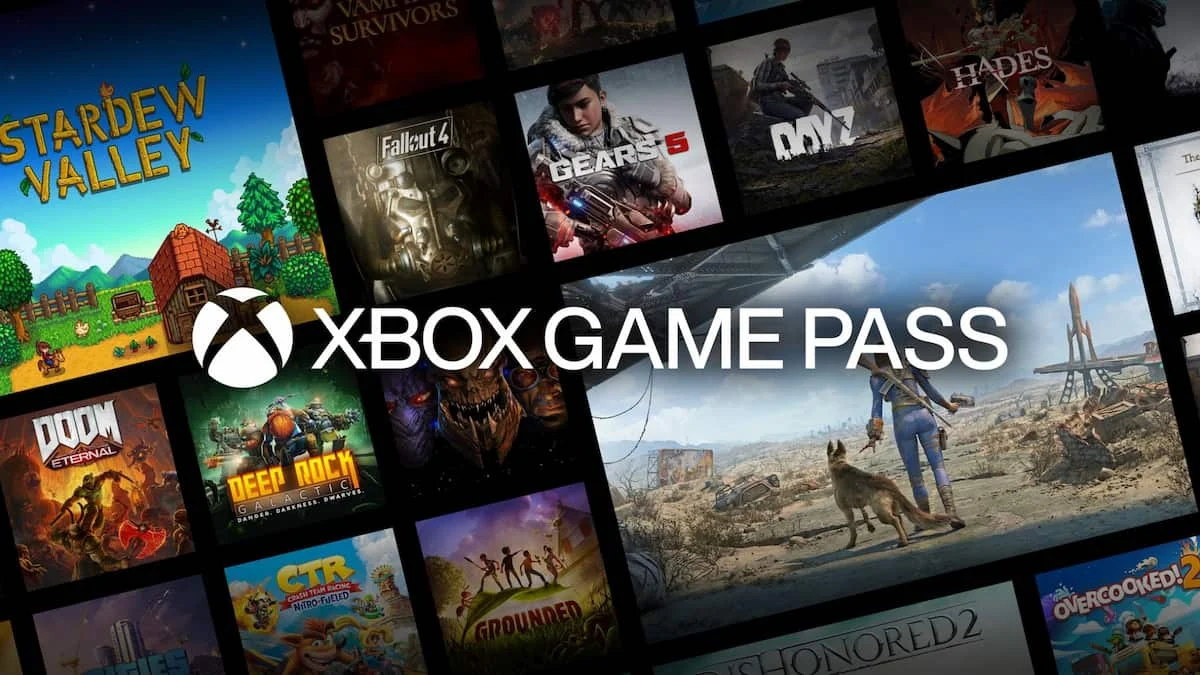
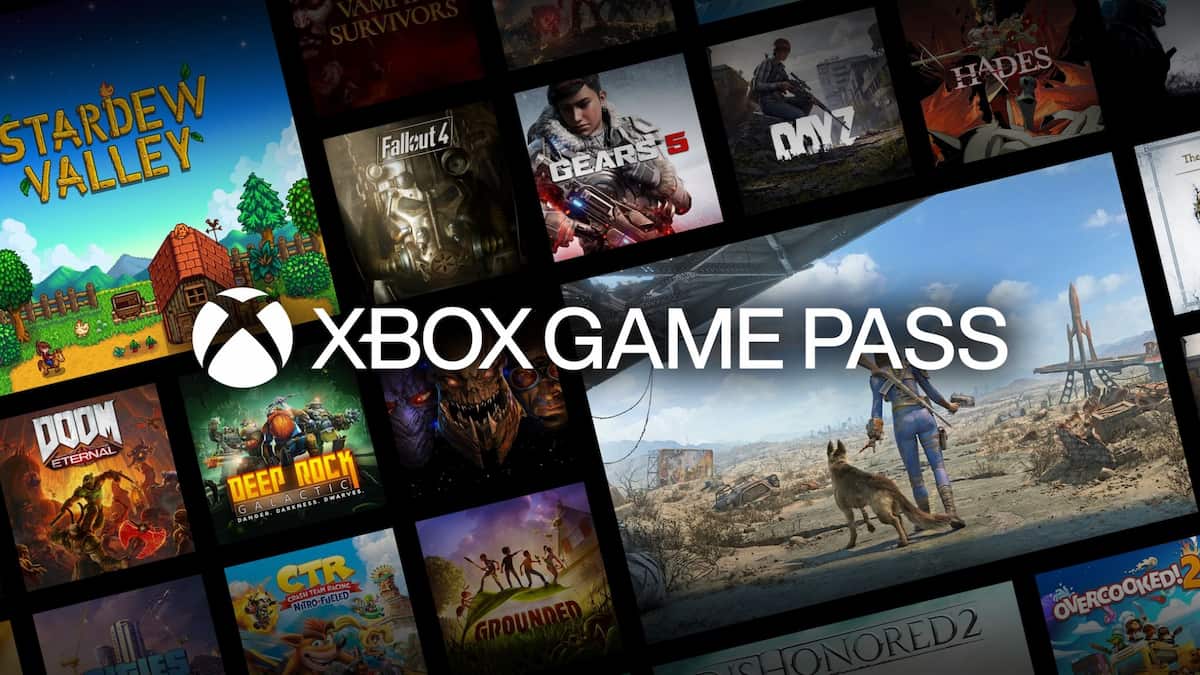
The landscape of video game accessibility and monetization has been irrevocably altered by the advent of subscription services like Xbox Game Pass. While lauded by many consumers for its unparalleled value proposition – offering access to hundreds of titles, including AAA blockbusters and viral hits, for a modest monthly fee, often under $15 USD in many regions – this model has also introduced significant challenges for game developers and publishers. A growing concern within the industry, now brought to light by prominent journalist Jason Schreier, is that this very accessibility is paradoxically harming the perceived value of individual games and obscuring metrics of commercial success, leading to internal friction within Xbox itself.
Schreier, citing anonymous sources within Xbox’s studio leadership, has reported that a significant number of executives at these studios harbor a deep-seated animosity towards Game Pass. Their core grievance stems from the perception that the service devalues their products, transforming high-priced releases into perceived "freebies" for subscribers. This internal discontent, according to Schreier, is prompting serious consideration within Microsoft to alter the strategy for Game Pass, potentially by phasing out the day-one release of major titles.
The Erosion of Perceived Value: A Case Study
The core of the issue lies in the fundamental economic model of Game Pass. For a recurring subscription fee, players gain access to a vast library, a proposition that has proven immensely popular globally. However, this accessibility directly impacts the revenue streams that traditional game sales generate. When a highly anticipated $60 or $70 title is immediately available on Game Pass at launch, the incentive for players to purchase it outright diminishes significantly.
A compelling example cited in discussions surrounding this phenomenon is The Outer Worlds 2. Despite being a critically well-received title, its engagement on platforms like Steam was reportedly lackluster. The prevailing sentiment among players, as suggested by available data and anecdotal evidence, was to defer purchasing the game, opting instead to play it via Game Pass, where it was available on day one. This pattern, repeated across numerous titles, creates a scenario where commercial success, measured by unit sales, becomes an increasingly unreliable indicator for game developers and publishers. The financial performance of a game becomes conflated with its subscription service inclusion, making it difficult to ascertain a title’s independent market viability and appeal.
Similarly, games like South of Midnight, a title that may not have garnered universal critical acclaim but resonated deeply with its target audience, face similar challenges. As reported by Schreier, a $40 game, when offered as part of a subscription service costing a fraction of that monthly, presents a stark financial choice for consumers. The "Game Pass shortcut" becomes an overwhelmingly attractive option, effectively bypassing the direct purchase. This, in turn, leads to a situation where a game’s true market penetration and player investment are difficult to gauge, as a significant portion of its player base accessed it through a bundled service rather than direct acquisition.
Internal Dissent Within Xbox
The friction surrounding Game Pass is not merely an external observation; it appears to be a significant internal concern for Xbox. Schreier’s reports suggest that a palpable frustration exists among studio executives, who believe the service has fundamentally undermined the perceived value of their creations. This sentiment extends beyond individual titles, with some executives reportedly viewing Game Pass as a detriment to the broader games industry, contributing to a general devaluation of games as a product.
"There are a lot of people out there in studio leadership within Xbox who absolutely detest Game Pass and think it has destroyed the value of their games," Schreier stated, as quoted in industry reports. He further elaborated on this viewpoint, noting that these leaders believe the service has "taken away from the value of all games in general just as a service" and has been "a detriment to the games industry and those people’s views because of how it devalues games."
This internal dissent has reportedly led to discussions and potential strategic shifts. While the outright cancellation of Game Pass is deemed highly unlikely due to its massive subscriber base and strategic importance for Microsoft’s ecosystem, the removal of day-one titles from the service is being seriously considered. The rationale, as explained by Schreier, is that the current model of launching major titles on Game Pass from day one "makes no sense anymore" from a revenue generation and sales metric perspective.
Historical Context and Industry Trends
The debate around subscription services and their impact on game sales is not new. The rise of services like Netflix for television and film has often been cited as a parallel, demonstrating the potential for bundling to disrupt traditional consumption models. In gaming, however, the stakes are arguably higher due to the significant development costs associated with AAA titles.
Early adopters of subscription models in gaming, such as EA Play, laid some of the groundwork for Game Pass. However, Xbox Game Pass has elevated the concept to an unprecedented scale, integrating first-party titles at launch and forging significant partnerships with third-party publishers. This aggressive expansion has cemented its position as a dominant force in the market.
Previous analyses and reports have also highlighted the toll Game Pass can take on games released on other platforms. When a title is available day-one on Game Pass, its release on competing storefronts can be significantly hampered. Players who are already subscribed to Game Pass may see little reason to purchase the game elsewhere, leading to a situation where a game effectively "competes with itself," with the subscription service acting as a formidable rival to direct sales.
The Counterargument: Player Perception and Value Proposition
While the concerns of studio leadership are valid, it is also important to consider the player’s perspective. The immense value offered by Game Pass is undeniable for many consumers. The ability to access a vast library of games, including those that might otherwise be financially out of reach, has democratized gaming for a significant portion of the global population.
Furthermore, it can be argued that the perceived value of a game is not solely determined by its price tag. If players do not believe a particular Xbox first-party game is worth the premium price of $60 or $70, they are less likely to purchase it regardless of its availability on Game Pass. Conversely, when players genuinely believe a game offers exceptional value, as evidenced by the strong performance of some day-one titles outside of Game Pass, they are more inclined to spend extra cash. This suggests that player trust and the perceived quality of the product play a crucial role in purchasing decisions.
Implications for the Future of Gaming
The reported internal conflict at Xbox regarding Game Pass has significant implications for the future of game development and distribution. A potential shift away from day-one releases on the service could:
Impact on Game Discovery and Marketing
- Reduced Visibility for Some Titles: If major releases are no longer immediately available on Game Pass, discovery for those titles might become more challenging for subscribers who rely on the service for their gaming needs. This could lead to a greater reliance on traditional marketing channels and potentially lower initial engagement for games not heavily promoted.
- Shift in Marketing Strategies: Developers might need to re-evaluate their marketing strategies, potentially focusing more on standalone value propositions and less on the "included with Game Pass" angle for initial launch periods.
Financial Models and Developer Compensation
- Potential for Increased Direct Sales: A reduction in day-one Game Pass releases could lead to a resurgence in direct game sales, potentially benefiting developers and publishers who rely on unit sales for revenue.
- Re-evaluation of Game Pass Deals: Microsoft may need to renegotiate the terms of its Game Pass deals with third-party publishers if the day-one inclusion strategy is altered. The current model often involves upfront payments or revenue-sharing agreements that are influenced by the day-one access.
Player Expectations and Subscription Fatigue
- Managing Subscriber Expectations: Players who have come to expect a steady stream of new AAA titles on Game Pass at launch may experience disappointment if this practice is curtailed. This could lead to questions about the evolving value proposition of the subscription.
- Diversification of Subscription Offerings: The industry may see a greater diversification of subscription models, with services potentially offering different tiers or focusing on specific genres or older titles to maintain appeal.
Conclusion: A Balancing Act
The ongoing discourse surrounding Xbox Game Pass highlights a critical tension between accessibility, value, and financial sustainability in the modern gaming industry. While Game Pass has undeniably revolutionized how many players engage with games, its success has brought to light complex challenges that require careful consideration from platform holders and developers alike. The reported internal dissent within Xbox underscores the need for a balanced approach that can satisfy consumer demand for affordability while ensuring the long-term health and profitability of game development.
The potential shift away from day-one releases on Game Pass, if realized, would represent a significant recalibration of Microsoft’s strategy. It would signal a recognition of the economic realities faced by game creators and an attempt to find a more sustainable equilibrium in the evolving digital marketplace. The industry will be watching closely to see how Xbox navigates this complex landscape, as the decisions made today will undoubtedly shape the future of gaming for years to come.