


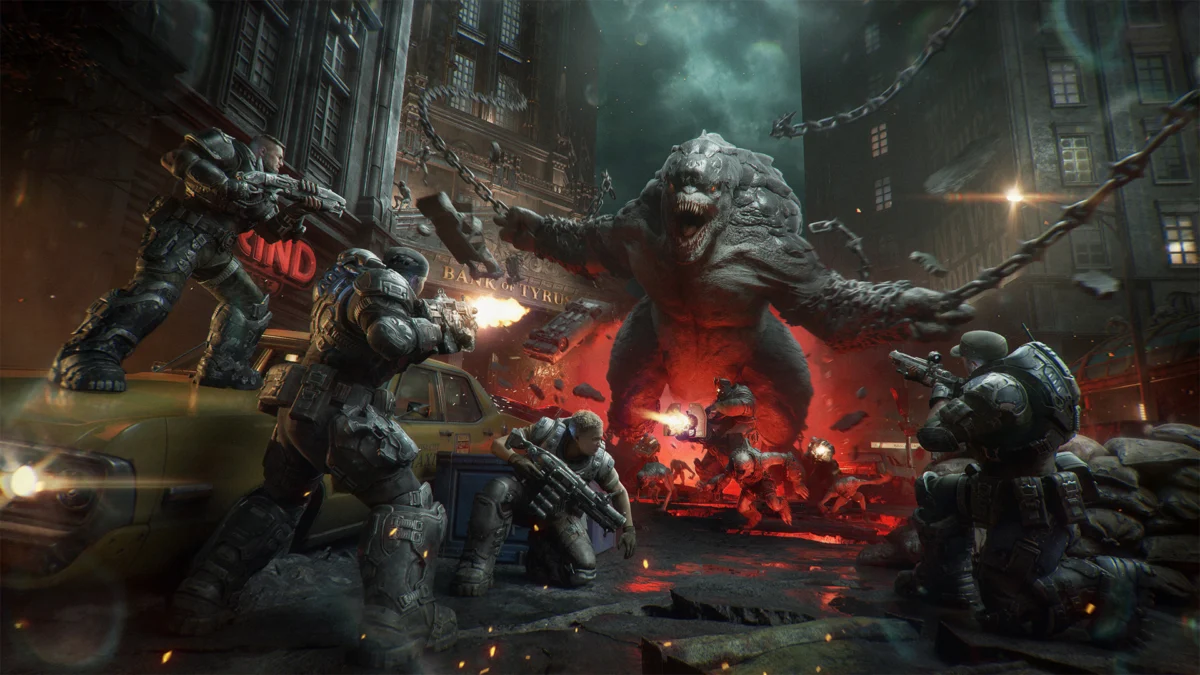
The highly anticipated return to the origins of the iconic Gears of War saga, Gears of War: E-Day, is poised to redefine the franchise’s beloved cooperative and competitive experiences. Developers have unveiled a significantly evolved iteration of the series’ signature wave-based survival mode, now christened "Horde Siege," alongside a robust competitive multiplayer suite that prioritizes player progression and accessibility. This multifaceted approach signals a commitment to delivering a comprehensive and engaging experience for both long-time fans and newcomers to the Gears universe.
Horde Siege: A Strategic Evolution of Cooperative Warfare
Horde Siege represents a significant departure from the traditional Horde mode, injecting a deeper layer of strategic planning and emergent gameplay. Instead of the familiar static defense of a single stronghold, this new mode plunges up to twelve players, divided into three distinct squads of four, into larger, more dynamic maps. Each squad operates with its own unique mission objectives, creating a complex web of interwoven tasks that demand constant communication and adaptation.
According to official statements from Microsoft, the core premise of Horde Siege involves "three squads of four deploying into an area, each with their own mission, joining a battle in progress, crisscrossing with other squads and tackling emergent challenges before facing an intense final fight and extraction." This narrative framing underscores a shift from pure survival to a more objective-driven, persistent conflict. The addition of larger maps further enhances the strategic possibilities, allowing for more flanking maneuvers, varied defensive positions, and the exploitation of environmental advantages.
The "emergent challenges" alluded to by developers suggest a reactive environment where the Locust horde’s tactics and assault patterns may shift based on player actions and the unfolding narrative of the mission. This promises a less predictable and more replayable experience, as no two sieges are likely to unfold in precisely the same manner. The ultimate goal remains rooted in the fundamental Gears of War ethos: "survive the Locust, support your squad, and use every bit of firepower you can to come out on top."
Class-Based Gameplay and Deep Customization
A pivotal addition to Horde Siege is the introduction of selectable player classes, each bringing a unique tactical role and skillset to the battlefield. The revealed classes include Assault, Breacher, Marksman, and Medic.
- Assault: Likely focused on direct combat, high damage output, and frontline engagement.
- Breacher: Potentially specializing in demolitions, breaching enemy defenses, or crowd control through explosives.
- Marksman: Expected to excel at long-range precision attacks, providing vital overwatch and eliminating high-priority targets.
- Medic: Crucial for team survivability, this class will likely feature healing abilities, revival mechanics, and support buffs.
The inclusion of these distinct classes fundamentally alters team composition considerations. Players will need to strategize not only about their individual loadouts but also about the synergistic potential of their chosen roles to overcome the escalating threats posed by the Locust. This move towards class-based gameplay echoes trends seen in other popular cooperative titles, enhancing tactical depth and encouraging specialized player roles.
Beyond class abilities, Horde Siege will feature an extensive weapon modification and customization system. This allows players to tailor their arsenal to suit their playstyle and the specific demands of each mission. In-game modifiers will further contribute to the dynamic nature of the mode, potentially introducing environmental hazards, altered enemy behaviors, or unique gameplay mechanics that players must adapt to on the fly. The combination of these elements—larger maps, emergent challenges, class-based roles, and deep customization—positions Horde Siege as a potentially standalone, deeply engaging experience within Gears of War: E-Day.
A Robust Competitive Multiplayer Suite
Complementing the evolved cooperative offering, Gears of War: E-Day will also feature a comprehensive competitive multiplayer component. This includes four distinct game modes across six meticulously designed maps. The return of ranked play signifies a commitment to providing a competitive environment for players seeking to test their skills against others.
A particularly noteworthy aspect of the multiplayer reveal is the developer’s stated commitment to player-driven progression. The development team has explicitly stated that "nearly every single item in Gears of War: E-Day can be earned by simply playing the game." This declaration is a direct repudiation of common monetization practices such as battle passes and "tours of duty."
"That means no battle pass, no tour of duty, no gimmicks, no bullshit," the developers emphasized. "Whether it’s a Legendary character skin, an Epic weapon skin set or a Rare pose, almost all of it can be earned through gameplay." This philosophy aims to foster a more rewarding and less intrusive player experience, where cosmetic items and other unlockables are tied directly to time invested and skill demonstrated within the game, rather than requiring additional financial outlay or adherence to time-limited progression systems. This approach is likely to resonate strongly with a segment of the player base that has expressed fatigue with the prevalence of microtransactions and battle pass systems in modern gaming.
Background and Context: The Legacy of Gears of War
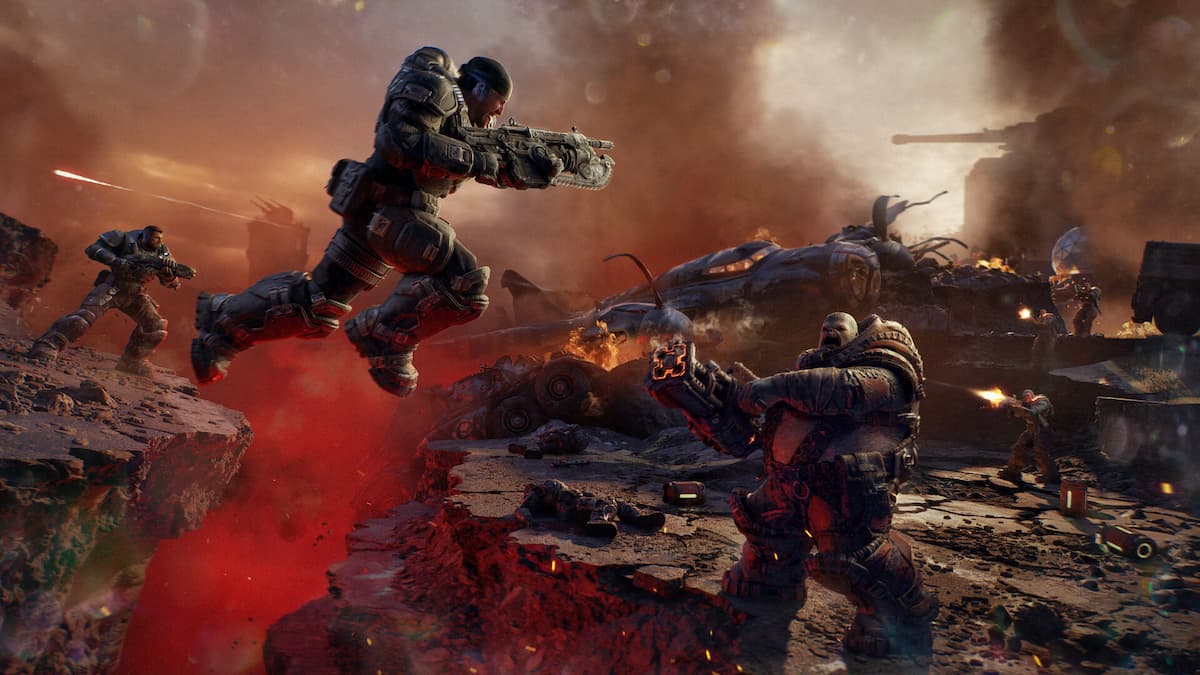
The Gears of War franchise, first launched in 2006 by Epic Games, quickly established itself as a cornerstone of the third-person shooter genre. Its innovative cover-based combat system, brutal weaponry, and compelling narrative set a high bar for subsequent titles. The original trilogy, particularly Gears of War 3 (2011), is often lauded for its refined gameplay mechanics and its deeply satisfying Horde mode, which allowed players to band together against increasingly difficult waves of Locust enemies.
The introduction of Horde mode in Gears of War 2 was a groundbreaking addition, offering a cooperative survival experience that became a fan favorite. Players would defend a fortified position, earning resources to build defenses, purchase weapons, and upgrade their gear between waves. The mode evolved significantly with each iteration, introducing new enemy types, environmental challenges, and strategic elements. Gears of War 3 refined this formula with features like the Fabricator, which allowed for more dynamic base building and defense strategies.
Gears of War: E-Day serves as a prequel, returning players to the grim early days of the Locust War. This setting offers a unique opportunity to explore the genesis of the conflict and witness iconic characters, such as Marcus Fenix and Anya Stroud, in their formative years. The decision to revisit this pivotal period in the Gears lore suggests a desire to reconnect with the franchise’s roots and provide a fresh narrative perspective. The focus on "E-Day" itself—Emergence Day, the catastrophic event that marked the beginning of the Locust’s invasion of Sera—promises a raw and visceral portrayal of humanity’s desperate struggle for survival.
The development of Gears of War: E-Day is being handled by The Coalition, the studio that took over the franchise after Microsoft acquired it from Epic Games. The Coalition has a proven track record with the series, having developed Gears of War 4 and Gears 5, both of which introduced new gameplay mechanics and expanded the lore of Sera. Their experience with the franchise’s core gameplay loops, combined with a stated intent to innovate, suggests that Horde Siege and the new multiplayer suite are not merely retreads but genuine evolutions.
Timeline and Key Announcements
The reveal of Gears of War: E-Day and its new modes marks a significant moment in the franchise’s recent history. While specific dates for all feature reveals are not readily available, the comprehensive overview presented indicates a substantial development effort.
- Pre-Announcement Buzz: For months leading up to official reveals, speculation about a new Gears of War title, particularly one focusing on the E-Day narrative, had been circulating among fans and industry insiders.
- Official Announcement: Gears of War: E-Day was officially unveiled on July 23, 2024, during the Xbox Games Showcase. This announcement confirmed the prequel setting and showcased initial gameplay footage, igniting significant excitement within the community.
- Deep Dives into Gameplay: Following the initial announcement, developers have begun to release more detailed information and gameplay previews, focusing on specific modes and features. The revelations regarding Horde Siege and the player-centric multiplayer system represent a significant portion of this subsequent information rollout.
- Release Window: Gears of War: E-Day is slated for release on October 6, 2024, for PC and Xbox Series X|S. This date provides a clear target for the completion of development and the launch of these new gameplay experiences.
The structured release of information allows players to build anticipation and understand the scope of the new content. The emphasis on Horde Siege and the player-friendly multiplayer system suggests these are key pillars of the Gears of War: E-Day experience, designed to appeal to a broad spectrum of the gaming audience.
Analysis of Implications and Broader Impact
The strategic decisions made by The Coalition for Gears of War: E-Day have several significant implications for the franchise and the wider gaming landscape.
Firstly, the evolution of Horde mode into Horde Siege demonstrates a commitment to innovation within a beloved format. By introducing more complex objectives, larger environments, and class-based gameplay, developers are aiming to elevate the cooperative experience beyond simple wave survival. This could set a new standard for cooperative modes in future shooters, encouraging other developers to explore more dynamic and objective-driven PvE content. The potential for emergent gameplay scenarios means that Horde Siege could foster a dedicated community of players who continually discover new strategies and challenges, much like the longevity seen in titles like Left 4 Dead or Deep Rock Galactic.
Secondly, the explicit rejection of traditional battle pass systems in favor of earned unlocks for the competitive multiplayer is a bold move that could influence industry trends. In an era where microtransactions and season-based progression are ubiquitous, this player-first approach signals a potential shift in developer philosophy. If successful, it could encourage other publishers to reconsider their monetization strategies, prioritizing player satisfaction and rewarding engagement over more aggressive commercial models. This could lead to a more positive player sentiment and a stronger sense of loyalty towards the Gears of War brand.
The prequel setting of E-Day also offers a unique narrative opportunity. By exploring the origins of the Locust War, developers can tap into the foundational lore of the Gears of War universe, potentially appealing to both nostalgic fans and new players curious about the series’ dramatic beginnings. The grim, desperate tone of Emergence Day provides fertile ground for a compelling story that can explore themes of survival, sacrifice, and the resilience of the human spirit in the face of overwhelming odds.
The integration of these evolved modes alongside a traditional campaign ensures that Gears of War: E-Day aims to be a comprehensive package. This approach acknowledges the diverse preferences of the gaming audience, offering something substantial for players who enjoy cooperative challenges, competitive action, and narrative-driven single-player experiences. The success of these elements will ultimately determine Gears of War: E-Day‘s place in the franchise’s storied history and its impact on the broader gaming industry. The early indications suggest a game that is not only a return to form but also a forward-thinking evolution of the series.