


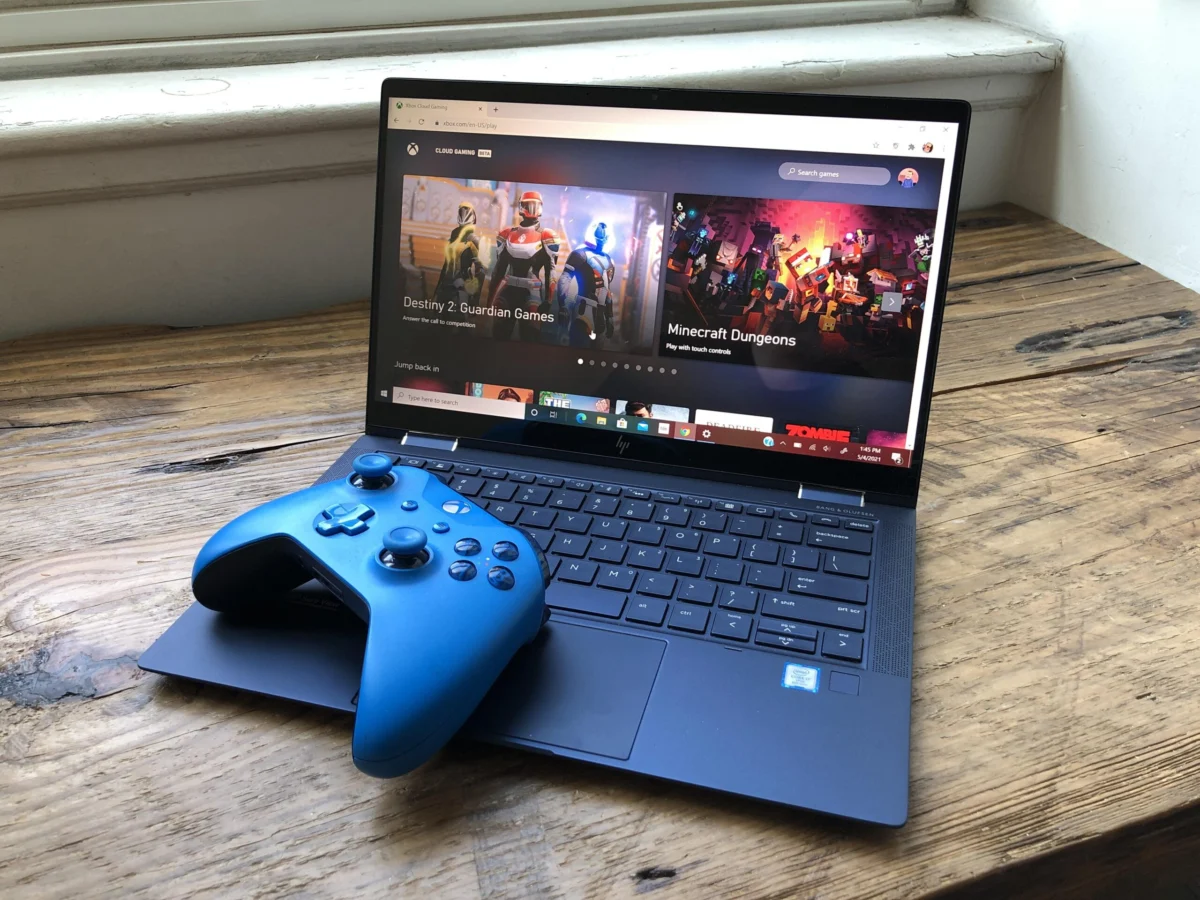
Earlier this year, subtle hints embedded within the Xbox ecosystem signaled a pivotal shift in the platform’s monetization strategy, culminating in the recent rollout of an ad-supported streaming tier. This innovative option, now accessible to a select group of Xbox Insiders for rigorous testing, represents a significant exploration into making cloud gaming more broadly available, potentially reshaping how players access titles without an upfront purchase. The initiative is entirely optional, inviting interested users to experience firsthand the mechanics of a free, advertisement-backed cloud gaming experience, marking a crucial experiment in Microsoft’s evolving strategy for its gaming division.
The Genesis of Ad-Supported Cloud Gaming
The official commencement of testing for this ad-supported streaming model began on Thursday, as detailed in a recent announcement on Xbox Wire. This initial phase is a controlled, limited test, specifically designed to allow participating Xbox Insiders to stream a selection of games they already own. The core mechanism involves players viewing a series of advertisements before their chosen game session begins, thereby negating any additional cost for the streaming service itself. This approach, as articulated by the company in its official post, "creates another way for players to get into games without an upfront streaming purchase and expands audiences through new ways to play."
This move builds upon Xbox’s existing cloud gaming infrastructure, which has primarily been a premium feature bundled with Xbox Game Pass Ultimate subscriptions. Currently, Xbox Game Pass subscribers can access a vast library of games via streaming on a multitude of devices, including Xbox consoles, laptops, desktops, smart TVs, tablets, phones, and portable gaming devices, all without ad interruptions. The introduction of an ad-supported tier signals a strategic pivot, aiming to tap into a broader demographic that might be hesitant to commit to a monthly subscription but is willing to engage with advertisements in exchange for free access. This parallel offering allows Microsoft to diversify its revenue streams while potentially expanding the total addressable market for its cloud gaming services.
Understanding the Insider Test Mechanics
For Xbox Insiders choosing to participate in this test, the process is straightforward: players select a game from a curated list of titles they own, and a specified number of advertisements will play before the game launches. Following the ad sequence, players are granted access to their chosen game for an hour-long session. While this one-hour limit and the pre-roll ad format are the current parameters for the test, Microsoft has indicated that these specifics are subject to change based on feedback and data gathered during this experimental phase. The company remains open to iterating on the model, suggesting that future iterations might explore different ad placements, session lengths, or even alternative monetization methods within the ad-supported framework.
The "select games they own" aspect is crucial. It suggests that this initial ad-supported tier is not a gateway to a full Game Pass library, but rather a utility for existing game owners to access their titles via the cloud without the need for a console or a Game Pass subscription. This could be particularly appealing for players who own a significant digital library but lack a current-generation console, or those who wish to play on the go without carrying their device. Even existing Game Pass subscribers, who inherently receive an ad-free cloud streaming experience, have the option to opt-in to this test. This allows them to provide valuable feedback on the new ad-supported model, contributing to its refinement and helping Microsoft understand user perceptions from various segments of its player base.
The Strategic Rationale: Diversification and Audience Expansion
Microsoft’s decision to explore an ad-supported cloud gaming model comes at a time when the entire gaming industry is grappling with evolving monetization strategies and the quest for sustainable growth. The "expands audiences through new ways to play" statement encapsulates a significant strategic imperative. By removing the upfront cost barrier of a console purchase or a recurring subscription fee, Xbox aims to attract a segment of casual gamers or those in emerging markets who may have previously been excluded from the console ecosystem. This mirrors the successful free-to-play model prevalent in mobile gaming and, increasingly, in PC gaming, where advertising and in-game purchases drive revenue.
This initiative also serves as a critical diversification of Microsoft’s gaming revenue streams. While Game Pass subscriptions have been a cornerstone of Xbox’s strategy over the past few years, the growth rate for subscription services across various entertainment sectors has begun to plateau. Introducing an ad-supported tier allows Microsoft to tap into the lucrative digital advertising market, leveraging its extensive user base and engagement data. This move could also act as a funnel, introducing new players to the Xbox ecosystem, some of whom might eventually convert to Game Pass subscribers once they experience the benefits of cloud gaming. From a broader business perspective, it aligns Xbox more closely with Microsoft’s larger advertising technology endeavors, potentially leveraging existing infrastructure and expertise.
A Turbulent 15 Months: Xbox Navigates Unprecedented Challenges
The introduction of this ad-supported tier is not an isolated event but rather unfolds against a backdrop of significant economic pressures and strategic realignments that have characterized the past 15 months for Microsoft and the Xbox platform. This period has been marked by a series of challenges that have tested the resilience of the company’s gaming division and generated considerable concern among gamers and industry observers alike.

The Impact of Tariffs and Price Hikes:
The tumultuous period began in April 2025 when President Donald Trump announced sweeping tariffs that specifically impacted gaming hardware. These tariffs, largely aimed at goods manufactured in China, significantly increased the cost of importing components and finished products, directly affecting console production. Just a month later, in May 2025, Microsoft was compelled to announce its first price increase for its Xbox Series consoles, a direct consequence of these new economic realities. The situation only worsened, leading to a second console price hike, and a third is slated for August 1. This latest increase is attributed to an ongoing global memory shortage, often referred to within the tech industry as "RAMageddon." This shortage has driven up the cost of essential components like DRAM and NAND flash memory, which are critical for console manufacturing, further squeezing profit margins and necessitating higher retail prices. These successive price adjustments have put Xbox at a competitive disadvantage in some markets and have certainly contributed to gamer apprehension.
Fluctuations in Game Pass Pricing:
Beyond hardware, the subscription service that has been central to Xbox’s strategy, Xbox Game Pass, also saw significant adjustments. Last October, Microsoft increased the subscription prices for Game Pass across various tiers. While such adjustments are common in the subscription economy, they often test consumer loyalty. In a notable reversal, however, Microsoft reduced Game Pass prices this past April. This recalibration likely reflects a complex interplay of factors, including competitive pricing strategies from rivals, market feedback on price elasticity, and a strategic effort to maintain subscriber growth amidst broader economic uncertainties. It suggests Microsoft is actively seeking the optimal balance between profitability and accessibility for its flagship service.
Leadership Transition and Restructuring:
The internal landscape of Xbox also underwent a significant change with the departure of longtime head Phil Spencer, a figure widely credited with spearheading the Game Pass initiative and a renewed focus on first-party content. Spencer was replaced by Asha Sharma, whose leadership marks a new chapter for the brand. This leadership transition often signals a period of strategic re-evaluation and potential shifts in direction.
Adding to the internal flux, earlier this month, Microsoft implemented widespread layoffs, impacting thousands of workers across various divisions, including its gaming arm. These layoffs are part of a broader trend within the tech industry, driven by economic downturns, post-pandemic recalibrations, and a push for greater operational efficiency. Simultaneously, Microsoft announced its intention to sell four of its esteemed game development studios: Double Fine Productions, known for unique narrative-driven games like Psychonauts; Ninja Theory, celebrated for titles such as Hellblade: Senua’s Sacrifice; Undead Labs, developers of the State of Decay series; and Compulsion Games, creator of We Happy Few. The divestment of these studios, all acquired under Phil Spencer’s tenure to bolster Xbox’s first-party content, is a profound move. It raises questions about Xbox’s long-term commitment to a diverse portfolio of internally developed games and could signal a consolidation of resources around larger, more established franchises or a focus on studios deemed more strategically aligned with future plans.
Broader Implications and Industry Repercussions
These cumulative challenges and strategic shifts have understandably fueled concerns among the gaming community regarding the long-term trajectory and stability of the Xbox platform. The series of price hikes, subscription adjustments, leadership changes, layoffs, and the divestment of creative studios paint a picture of a company navigating a highly complex and often turbulent market. The introduction of an ad-supported cloud gaming tier, in this context, can be seen as a proactive measure to adapt to these pressures, diversify revenue, and secure new avenues for growth.
From an industry perspective, this move by Xbox could have significant ripple effects. Should the ad-supported model prove successful, it could prompt competitors like Sony or even independent cloud gaming services to explore similar free-to-play, ad-monetized options. It also underscores a broader trend in entertainment toward hybrid monetization models, where premium subscriptions coexist with free, ad-supported tiers to maximize audience reach and revenue. For game developers, particularly those operating outside of Microsoft’s first-party ecosystem, an ad-supported cloud platform could represent a new distribution channel, potentially exposing their titles to a wider audience, albeit with the caveats of ad integration and session limits.
The sustainability of cloud gaming itself is still a topic of intense debate within the industry. While services like Google Stadia have failed, others like Nvidia GeForce Now continue to carve out niches. Microsoft’s deep pockets and extensive cloud infrastructure (Azure) give it a unique advantage. However, the operational costs of streaming high-fidelity games are substantial. An ad-supported model offers a potential solution to offset these costs, making the service financially viable for a larger, less affluent user base.
The Road Ahead: Project Helix and Xbox’s Future Vision
Despite the recent turbulence, Microsoft has reaffirmed its commitment to the future of the Xbox platform. Back in March, the company officially announced its plans to release its next-generation console, internally codenamed "Project Helix," sometime in 2027. This commitment to hardware development, even as the company expands its cloud and service offerings, indicates a multifaceted strategy. It suggests that Microsoft envisions a future where traditional console gaming, premium subscription services, and free, ad-supported cloud access all coexist, forming a comprehensive ecosystem designed to cater to a diverse global audience with varying preferences and financial capacities.
The ad-supported cloud gaming tier is a critical experiment in this evolving vision. Its success or failure will provide invaluable insights into consumer tolerance for ads in gaming, the viability of alternative monetization models for cloud services, and the potential for expanding the gaming market beyond traditional console ownership. As Xbox moves towards its 2027 console launch, the lessons learned from this Insider test will undoubtedly shape how it positions its next hardware offering and integrates it with its ever-expanding suite of services. The ultimate goal remains to solidify Xbox’s position as a leading force in interactive entertainment, adaptable to the dynamic shifts of technology and consumer behavior. The coming months will reveal whether this bold step into ad-supported cloud gaming can indeed pave the way for a more accessible and sustainable future for the platform.