


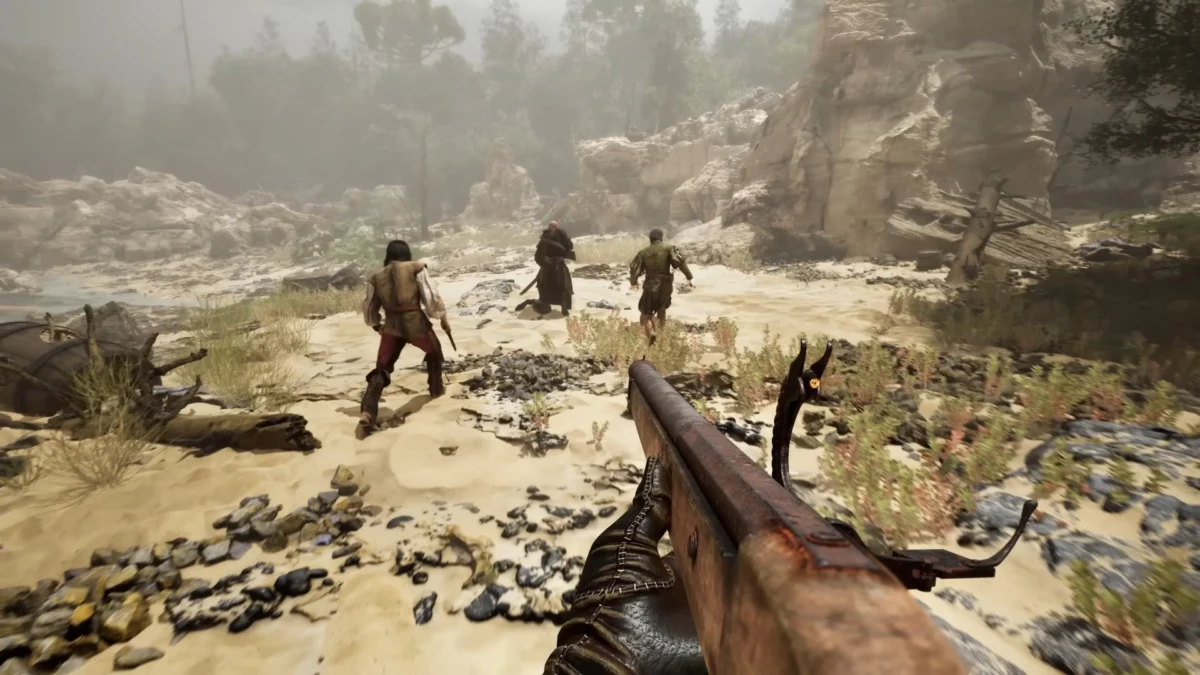
The mid-July release window for the Xbox ecosystem marks a significant period of diversification for the platform, characterized by a blend of high-profile psychological horror, long-awaited virtual reality ports, and a robust expansion of the Xbox Game Pass library. Between July 13 and July 17, Microsoft’s gaming division is set to deploy a multi-tiered content strategy that emphasizes both independent creative ventures and established intellectual properties. This period is anchored by the debut of The Mound: Omen of Cthulhu and the arrival of Moss: The Forgotten Relic, alongside seven strategic additions to the Game Pass subscription service, including the high-intensity titles Denshattack! and Quarantine Zone: The Last Check.
Strategic Overview of the July 13-17 Release Window
The upcoming week serves as a testament to Microsoft’s ongoing commitment to bridging the gap between niche independent development and mainstream accessibility. By curating a selection that spans horror, action-adventure, and tactical simulation, Xbox is positioning itself to capture a wide demographic of players during a typically quiet summer period. The inclusion of seven titles on Game Pass within a five-day span highlights the aggressive content acquisition strategy that has defined the service’s growth throughout 2026. This influx of content is not merely about volume but about filling specific genre gaps within the current library, particularly in the realms of Lovecraftian narrative and immersive puzzle-platforming.
Spotlight on Primary Releases: The Mound and Moss
A central pillar of the July 13-17 lineup is The Mound: Omen of Cthulhu. This title represents a deepening investment in the psychological horror genre, a category that has seen sustained engagement metrics on the Xbox Series X|S hardware. Drawing heavily from the cosmic horror traditions of H.P. Lovecraft, the game focuses on environmental storytelling and atmospheric tension. Industry analysts suggest that The Mound is part of a broader trend where developers utilize the high-fidelity processing power of current-generation consoles to render complex, shadow-heavy environments that were previously difficult to achieve without significant performance compromises.
Simultaneously, the arrival of Moss: The Forgotten Relic marks a pivotal moment for the Moss franchise. Originally celebrated as a premier experience in the virtual reality space, the transition of this "beloved VR game" to the standard Xbox console environment in 2026 signifies a strategic move by the developers, Polyarc, to reach a broader audience. The "Xbox treatment" involves significant re-tooling of the game’s control schemes, moving from motion-based interactions to traditional controller inputs while maintaining the tactile intimacy that made the original title a critical success. This porting process is viewed as a bellwether for how high-quality VR experiences can be successfully adapted for traditional 2D displays without losing their mechanical soul.
Chronology of Releases and Game Pass Integration
The rollout of titles across the five-day period follows a structured schedule designed to maintain user engagement throughout the week.
July 13: The Indie Influx
The week begins with a focus on smaller, high-concept independent titles. These releases are intended to cater to "completionist" gamers and those seeking experimental gameplay loops. The initial wave sets the stage for the heavier hitters arriving later in the week, ensuring that the Xbox Store’s "New Releases" section remains dynamic.
July 14-15: Game Pass Expansion and Core Debuts
Mid-week serves as the primary deployment phase for Xbox Game Pass. The addition of Denshattack! provides a fast-paced, arcade-style experience that complements the more methodical Quarantine Zone: The Last Check. Quarantine Zone, in particular, is expected to draw significant day-one numbers due to its cooperative survival mechanics, which have historically performed well on the service. This period also sees the official launch of The Mound: Omen of Cthulhu, positioning it as the week’s marquee horror offering.
July 16-17: The Arrival of Moss and Weekend Retention
The latter half of the week is anchored by Moss: The Forgotten Relic. By releasing toward the weekend, Microsoft and Polyarc aim to capture the peak playtime of casual and family-oriented gamers. The weekend window is also utilized to push the remaining Game Pass additions, ensuring that subscribers have a fresh library of content to explore during their primary leisure hours.
Detailed Analysis of Game Pass Additions
The seven-game expansion of the Game Pass library this week is a calculated move to bolster the service’s value proposition. Denshattack! is designed for high replayability, utilizing procedurally generated elements to keep the gameplay experience fresh for subscription-based players who may only engage with the title in short bursts. On the other end of the spectrum, Quarantine Zone: The Last Check offers a deep, narrative-driven survival experience that encourages long-term retention—a key metric for the health of any subscription model.
The inclusion of these titles on "Day One" continues to be the primary driver for Game Pass growth. Data from the previous fiscal quarter indicates that titles launching directly into the service see an average of 3.5 times the player base in their first week compared to traditional retail launches on the platform. For independent developers, this provides an immediate infusion of players and social media visibility that would otherwise require an extensive marketing budget.
Supporting Data and Market Context
The gaming industry in 2026 has seen a marked shift toward subscription-heavy consumption. According to recent market reports, Xbox Game Pass has maintained a steady growth trajectory, with a significant portion of its user base now accessing the service through cloud gaming and PC integration. The July 13-17 lineup reflects this cross-platform reality, with titles like Quarantine Zone: The Last Check being optimized for both high-end console play and mobile streaming.
Furthermore, the horror genre—represented this week by The Mound—remains one of the most consistent performers in terms of digital sales and streaming visibility. Internal Xbox data suggests that horror games have a "long tail" of engagement, often seeing spikes in activity months after release during seasonal events. By launching The Mound in July, the platform is building a library foundation that will likely see renewed interest during the autumn months.
Official Responses and Developer Perspectives
While official statements from Microsoft executive leadership often focus on the broader "ecosystem" health, individual developers have expressed optimism regarding this specific release window. A spokesperson for the team behind Moss: The Forgotten Relic noted that bringing the game to Xbox was a response to "years of community requests," emphasizing that the 2026 version is the "definitive way to experience the story of Quill for those without VR hardware."
Similarly, the developers of The Mound: Omen of Cthulhu have highlighted the technical advantages of the Xbox architecture, stating that the console’s Velocity Architecture allowed for seamless transitions between the game’s reality-bending environments. These technical endorsements serve to validate Microsoft’s hardware choices and reassure the consumer base of the quality of upcoming software.
Broader Impact and Industry Implications
The releases scheduled for July 13-17 carry implications that extend beyond a single week of gaming. The successful porting of Moss: The Forgotten Relic could signal a new era of "de-VR-ing" high-quality titles, potentially unlocking a massive library of exclusive content for traditional console players. This trend would allow developers to recoup high VR development costs by tapping into the much larger traditional console market.
Moreover, the sheer volume of Game Pass additions continues to put pressure on competitors to match the perceived value of the subscription. As Microsoft continues to integrate diverse genres—from the niche cosmic horror of The Mound to the accessible platforming of Moss—the platform solidifies its reputation as a "catch-all" destination for interactive entertainment. This strategy is particularly effective in 2026, as consumer spending habits have shifted toward predictable monthly costs rather than sporadic, high-cost individual purchases.
In conclusion, the week of July 13-17 represents a microcosm of the current Xbox strategy: a heavy reliance on the Game Pass engine, a commitment to bringing diverse and previously restricted experiences (like VR ports) to a wider audience, and a focus on high-fidelity, genre-specific titles that leverage the full power of modern hardware. As players engage with The Mound, Moss, and the various Game Pass additions, the data gathered will undoubtedly inform the next phase of Microsoft’s content acquisition and platform development.