


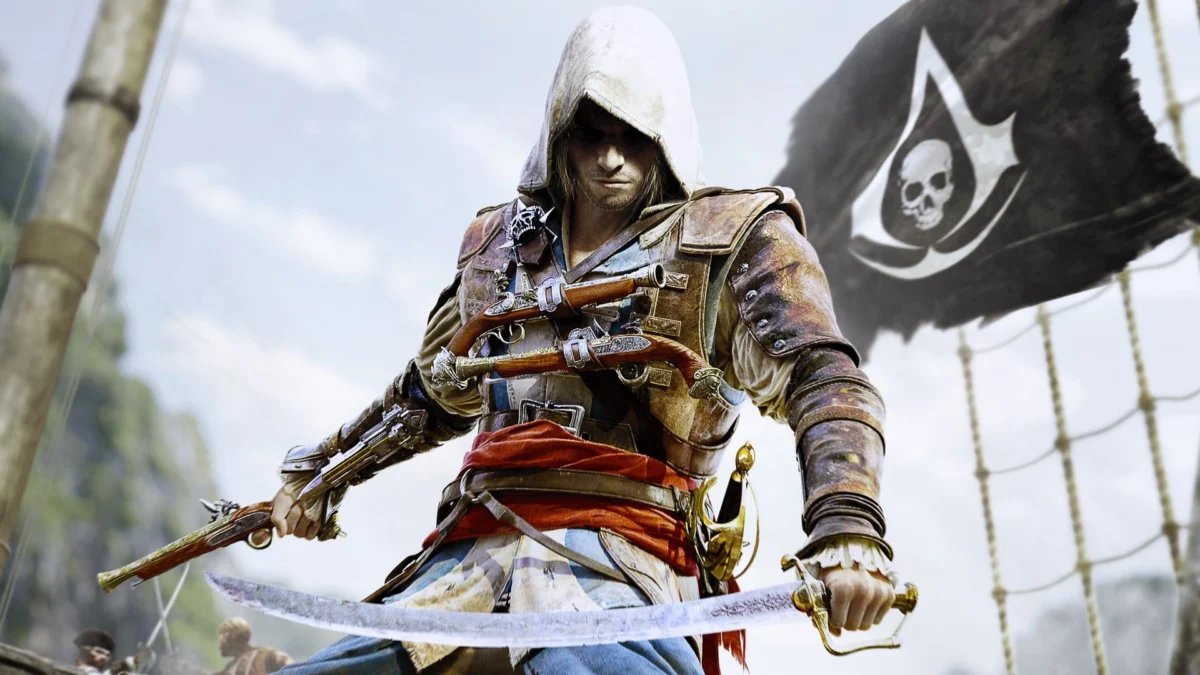
The release of Assassin’s Creed Black Flag Resynced on the Xbox Series X and Xbox Series S marks a significant milestone for Ubisoft’s long-running stealth-action franchise, bringing one of its most critically acclaimed entries into the modern hardware era. Developed as a comprehensive remake of the 2013 original, the title arrives during a busy week for the gaming industry, sharing the spotlight with the debut of DOOM: The Dark Ages Revelations. As the third console generation to host the adventures of Edward Kenway, the launch of Resynced serves as both a technical showcase for current-generation hardware and a strategic move by Ubisoft to capitalize on the enduring popularity of the series’ high-seas exploration and naval combat mechanics.
The original Assassin’s Creed IV: Black Flag was initially released in October 2013, acting as a cross-generational bridge between the Xbox 360 and the Xbox One. At the time, it was praised for successfully pivoting the franchise away from the dense urban environments of its predecessors toward a vast, open-world Caribbean setting. By introducing a seamless blend of land-based assassination missions and ship-to-ship warfare, the game redefined the scope of the series. Now, over a decade later, Assassin’s Creed Black Flag Resynced seeks to modernize that experience, utilizing the proprietary Anvil engine upgrades to provide enhanced textures, ray-traced lighting, and significantly reduced load times made possible by the Xbox Series X|S custom SSD architecture.
A Chronological Overview of the Black Flag Legacy
To understand the impact of the Resynced remake, it is essential to trace the history of the title from its inception to its current iteration. In 2013, Ubisoft Montreal faced the challenge of following the polarizing Assassin’s Creed III. The development team pivoted to the Golden Age of Piracy, focusing on the character of Edward Kenway—a privateer-turned-pirate whose journey into the Assassin Brotherhood provided a more grounded, character-driven narrative than the previous entries.
The original release was a commercial juggernaut, shipping over 15 million units within its first year. Its success led to the development of several spin-offs and influenced the direction of subsequent titles, such as Assassin’s Creed Rogue and eventually the RPG-focused trilogy of Origins, Odyssey, and Valhalla. However, despite the franchise’s evolution into massive role-playing games, a significant portion of the fanbase continued to cite Black Flag as the definitive Assassin’s Creed experience due to its unique balance of traditional stealth and innovative naval traversal.
In the years following 2013, Black Flag saw various ports, including a release on the Nintendo Switch in 2019 as part of The Rebel Collection. However, these versions were primarily high-definition remasters rather than ground-up reconstructions. The announcement of the Resynced project represented Ubisoft’s commitment to providing a definitive version of the game that could stand alongside contemporary AAA releases in terms of visual fidelity and performance stability.

Technical Specifications and Modern Enhancements
The transition to the Xbox Series X and Series S hardware has allowed for a suite of technical improvements that distinguish Resynced from the 2013 original. While the original game struggled to maintain a consistent 30 frames per second (fps) on seventh-generation consoles at 720p resolution, the Resynced version targets a native 4K resolution at 60 fps on the Xbox Series X. The Xbox Series S version offers a reconstructed 1440p output, ensuring that players on both tiers of hardware experience a fluid gameplay loop.
Key technical enhancements in Assassin’s Creed Black Flag Resynced include:
- Global Illumination and Volumetric Lighting: The Caribbean setting benefits from a revamped lighting system that realistically simulates the sun’s interaction with the ocean surface and dense jungle canopies.
- High-Resolution Assets: Every texture, from the wood grain on the Jackdaw’s hull to the fabrics of Edward Kenway’s robes, has been re-authored to take advantage of higher VRAM capacities.
- Seamless Traversal: One of the most significant complaints of the 2013 era was the transition between the ship and land, which often required a brief loading screen or a fade-to-black. The Resynced edition leverages the Velocity Architecture of the Xbox Series consoles to eliminate these interruptions, allowing for truly seamless exploration.
- Spatial Audio: The remake introduces Dolby Atmos support, enhancing the immersion of naval battles where the sound of splintering wood and crashing waves provides critical environmental feedback to the player.
Market Context and Industry Competition
The launch of Assassin’s Creed Black Flag Resynced does not occur in a vacuum. It coincides with the release of DOOM: The Dark Ages Revelations, a major content expansion or standalone entry from id Software and Bethesda. This dual-release week presents a unique dynamic for Xbox players, who are forced to choose between the high-octane, first-person demonic combat of DOOM and the methodical, exploratory nature of Assassin’s Creed.
Industry analysts suggest that Ubisoft’s decision to release a remake of a proven hit is a calculated move to stabilize the franchise’s release calendar. As the development cycles for new, massive titles like the upcoming Assassin’s Creed Codename Red (set in feudal Japan) grow longer, remakes like Resynced provide a reliable revenue stream and keep the brand relevant in the public consciousness. Furthermore, the "Resynced" branding suggests a potential new line of remakes for Ubisoft, possibly hinting at future updates for other fan-favorite titles such as Assassin’s Creed II or the original 2007 game.
Initial Reception and Community Feedback
Preliminary data from player polls indicates a strong resurgence of interest in the title. In a recent survey of over 800 Xbox players, the majority expressed high levels of satisfaction with the Resynced version, citing the technical polish as the primary reason for their return to the game. Interestingly, a separate poll focused on the original 2013 version showed that nearly 700 veteran players still hold the "OG" Black Flag in high regard, suggesting that the remake’s success is built upon a foundation of deep-seated nostalgia and enduring gameplay mechanics.
Social media reactions and community forums have been largely positive, though some discussions have emerged regarding the necessity of remakes in an industry currently saturated with "definitive editions." However, the consensus among critics is that Black Flag’s unique naval mechanics—which have rarely been replicated with the same level of polish in other titles, including Ubisoft’s own Skull and Bones—justify the effort of a modern reconstruction.

Official Statements and Strategic Implications
While Ubisoft has been cautious in its official press releases, developers have hinted that Resynced is more than just a visual upgrade. In a recent developer diary, members of the Ubisoft Singapore and Montreal teams noted that the project allowed them to implement "lost features" that were originally cut from the 2013 version due to the hardware limitations of the Xbox 360 and PlayStation 3. This includes more complex weather patterns and improved AI behavior for enemy fleets, making the Caribbean feel more reactive and dangerous.
From a corporate perspective, the release of Assassin’s Creed Black Flag Resynced serves as a litmus test for the "Resynced" sub-brand. If the title continues to perform well on the Xbox Series X|S, it could signal a shift in Ubisoft’s strategy toward a "tick-tock" release cycle: alternating between massive, new RPG entries and high-quality remakes of legacy titles. This approach mirrors strategies seen by other major publishers, such as Capcom with the Resident Evil series and Konami with the upcoming Silent Hill and Metal Gear Solid remakes.
Broader Impact on the Xbox Ecosystem
For Microsoft, the availability of Assassin’s Creed Black Flag Resynced on the Xbox Series X|S strengthens the platform’s library of "optimized" titles. As Xbox continues to emphasize backward compatibility and the "best place to play" legacy games, having a flagship remake like Black Flag—which originally helped define the early days of the Xbox One—serves as a powerful marketing tool. The game’s inclusion in various digital sales and its potential future arrival on the Game Pass service could further solidify its position as a staple of the Xbox ecosystem.
Furthermore, the technical parity between the Resynced remake and modern titles helps bridge the gap for younger players who may have missed the original release. By bringing the controls and visuals up to 2024 standards, Ubisoft ensures that Edward Kenway’s story remains accessible to a new generation of gamers who are accustomed to the high-fidelity experiences of the current console cycle.
As the weekend progresses and more players dive into the turquoise waters of the West Indies, the verdict on Assassin’s Creed Black Flag Resynced appears to be one of validation. By respecting the core mechanics that made the 2013 original a classic while applying the transformative power of modern Xbox hardware, Ubisoft has successfully revitalized a cornerstone of the Assassin’s Creed franchise. Whether this marks the beginning of a broader trend of "Resynced" classics remains to be seen, but for now, the Golden Age of Piracy has found a new, high-definition lease on life.