


Xbox Game Pass subscribers are bracing for a significant content rotation as five distinct titles are slated to depart the popular subscription service by May 31, 2025. This routine, yet impactful, refresh of the Game Pass library sees four games exiting the console and cloud offerings, with an additional title leaving the PC Game Pass, bringing the total to five across all platforms. While such removals are an inherent aspect of the subscription service model, the impending departure of these particular games, including critically acclaimed and fan-favorite titles, has prompted a renewed focus on the transient nature of digital content and the strategic decisions behind maintaining a dynamic gaming ecosystem. The announced removals underscore the continuous cycle of additions and subtractions that define modern gaming subscriptions, influencing player behavior, publisher strategies, and the overall value proposition of services like Xbox Game Pass.
The official list of games scheduled for departure after May 31, 2025, includes a diverse array of genres, catering to different player preferences. For console and cloud subscribers, the titles making their exit are Remnant 2, Cassette Beasts, Humanity, and Slayers X: Terminal Aftermath: Vengance of the Slayer. PC Game Pass users will also see these four titles leave, in addition to Firework, which is exclusive to the PC platform for this particular departure wave. This curated selection of outgoing games represents a mix of high-profile releases, beloved indies, and unique genre entries that have contributed significantly to the Game Pass catalog during their tenure. The announcement provides players with a limited window to experience these games or complete ongoing playthroughs before they become unavailable as part of the subscription.
In-Depth Look at Key Departures
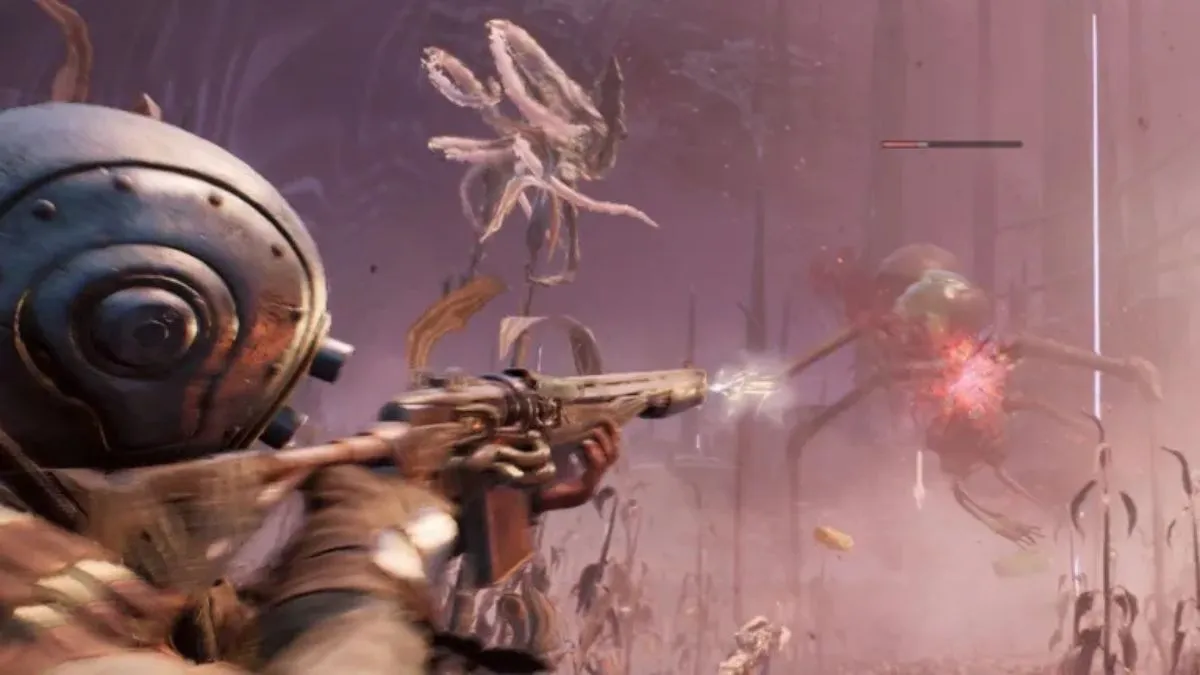
Among the departing titles, Remnant 2 stands out as a particularly notable exit. Developed by Gunfire Games and published by Gearbox Publishing, this action role-playing game launched in July 2023 to critical acclaim. A direct sequel to Remnant: From the Ashes, it expands upon its predecessor’s unique blend of third-person shooting, Souls-like combat mechanics, and procedural generation. Players navigate diverse, often nightmarish, worlds infested with grotesque creatures, battling formidable bosses either solo or in a co-operative squad of up to three. Its intricate class system, deep customization options, and emphasis on replayability through dynamically generated levels and encounters earned it high praise for its challenging gameplay and rich lore. The game’s inclusion on Game Pass significantly boosted its player base, allowing a wider audience to delve into its dark fantasy universe. Its departure means that players who wish to continue their adventures in Remnant 2 after May 31 will need to purchase the full game, potentially at a discounted rate during promotional sales often associated with games leaving subscription services.
Cassette Beasts, an indie darling developed by Bytten Studio and published by Raw Fury, offers a refreshing take on the monster-collecting genre. Released in April 2023, it distinguishes itself with its vibrant pixel-art aesthetic, compelling narrative, and innovative "fusion" mechanic, allowing players to combine any two of their collected monsters to create unique, powerful new forms. Set in the open world of New Wirral, a remote island populated by strange creatures, the game blends exploration, turn-based combat, and a strong sense of community. Unlike its more famous counterparts, Cassette Beasts emphasizes strategic depth and player agency, offering a charming alternative for fans of creature-collection RPGs. Its presence on Game Pass provided an excellent platform for discoverability, introducing many players to its unique charm and engaging gameplay loop. The game’s relatively manageable length also makes it a prime candidate for players looking to complete a full playthrough before its removal.
Humanity, a captivating puzzle-platformer developed by Enhance Games, the studio behind acclaimed titles like Tetris Effect and Rez Infinite, initially launched in May 2023. This title challenges players to guide vast crowds of humans, in the form of glowing blocks, through intricate, often abstract, environments by controlling a Shiba Inu. The game ingeniously combines elements of Lemmings with a distinct artistic style and a meditative quality. Players issue commands to the human procession, directing them to jump, push, or activate switches, all while navigating treacherous obstacles and solving increasingly complex environmental puzzles. Its unique concept and innovative gameplay received widespread critical acclaim, making it a standout entry in the puzzle genre. Humanity‘s departure highlights the diverse range of experiences Game Pass offers, from action-packed shooters to cerebral puzzle games.
For fans of retro-inspired shooters, Slayers X: Terminal Aftermath: Vengance of the Slayer delivers a deliberate homage to the "boomer shooter" era of the 1990s. Developed by Big Z Studios Inc. and published by No More Robots, this first-person shooter revels in its over-the-top violence, satirical humor, and distinct low-fidelity aesthetic, mimicking the style of games from decades past. Players step into the shoes of "G.U.T.Z.," an anti-hero who must battle hordes of "The Psyko Sindikate" with an arsenal of exaggerated weaponry. While its niche appeal might not resonate with all players, it earned a dedicated following for its authentic recreation of an older gaming sensibility and its unapologetic commitment to its unique vision. Its removal will be felt by those who appreciate its specific brand of nostalgic, high-octane action.
Finally, Firework, a horror-puzzle game that was a PC Game Pass exclusive for this departure wave, offers a different kind of challenge. Developed by Shiying Studio and published by Gamera Games, this title immerses players in a dark, atmospheric narrative steeped in Chinese folklore and mystery. Players navigate a haunting environment, solving intricate puzzles and piecing together a chilling story, often relying on observational skills and logical deduction. The game’s strength lies in its oppressive atmosphere, psychological horror elements, and culturally rich storytelling. Its inclusion on PC Game Pass provided an accessible entry point for players interested in unique indie horror experiences that venture beyond conventional jump scares, offering a more cerebral and unsettling journey.
The Dynamics of Subscription Services: Why Games Depart
The periodic removal of games from subscription services like Xbox Game Pass is a fundamental aspect of their operational model, driven by a complex interplay of licensing agreements, financial considerations, and strategic decisions by both platform holders and publishers. Unlike purchasing a game outright, a Game Pass subscription grants access to a curated library for a specified period, contingent on active licensing deals.
Typically, when a game is added to Game Pass, Microsoft enters into a licensing agreement with the developer or publisher. These agreements are often for a fixed term, usually 12, 18, or 24 months, though some titles, particularly first-party Xbox games, may remain indefinitely. As these contracts approach their expiration date, both parties must decide whether to renew the agreement. Renewal depends on several factors:
- Cost of Licensing: Maintaining a game on Game Pass incurs a cost for Microsoft. The value proposition for Microsoft might diminish over time, especially for older titles that have already seen peak engagement.
- Publisher Strategy: Publishers may opt not to renew a Game Pass deal to drive full-price sales of their game. After a period of discoverability on the service, removing a game can encourage players who enjoyed it, or those who didn’t finish it, to purchase it outright. This can be particularly true for games with significant DLC or ongoing multiplayer communities.
- Content Freshness: Microsoft continuously seeks to refresh the Game Pass library with new and exciting titles. Removing older games frees up budget and bandwidth for new additions, ensuring the service remains appealing and competitive. A dynamic library prevents stagnation and encourages subscriber retention through a steady stream of new experiences.
- Performance Metrics: While not always disclosed, Microsoft likely analyzes game engagement metrics (playtime, completion rates, new player acquisition) to inform renewal decisions. Games that no longer attract significant play might be prioritized for removal.
This routine cycle of additions and departures is crucial for the long-term sustainability and attractiveness of Game Pass. It allows Microsoft to manage its content costs effectively while continuously offering a diverse and evolving selection of games. Industry analysts often highlight this model as a delicate balancing act, requiring constant negotiation and strategic foresight to maintain value for both subscribers and content providers.
Game Pass Ecosystem: Additions and Departures in Context

May 2025 has been a bustling month for Xbox Game Pass, marked not only by these impending departures but also by a robust influx of new titles. The announcement of games leaving the service typically occurs in two waves each month, usually around the middle and end of the month, corresponding to the two waves of new game additions. This structured approach provides players with a predictable rhythm for managing their gaming backlog.
For instance, May 2025 also saw the highly anticipated Day One launch of titles like Doom: The Dark Ages, which generated considerable excitement among the Game Pass community. The simultaneous presence of high-profile new releases alongside the departure of older favorites encapsulates the core dynamic of Game Pass. It’s a revolving door, where the excitement of new content is balanced by the necessity of saying goodbye to others. This continuous refresh ensures that the subscription always feels current and offers something new for its diverse subscriber base, ranging from casual players to dedicated enthusiasts.
The strategic timing of departures also plays a role. Announcing removals a few weeks in advance gives players a crucial window to prioritize games they wish to experience. This creates a sense of urgency, often leading to a spike in engagement for the departing titles during their final weeks on the service, effectively maximizing their final impact before removal.
Player and Publisher Perspectives
From a player’s perspective, game departures evoke a mixed bag of emotions. There’s often a degree of "fear of missing out" (FOMO), especially for those who haven’t started or completed a beloved title. This urgency can motivate players to dedicate time to these games, sometimes leading to intense, last-minute gaming sessions. For games like Remnant 2, which can be quite extensive, players might face the decision to either rush through the main story or accept that they will need to purchase the game if they wish to continue their progress at a leisurely pace.
On the other hand, seasoned Game Pass subscribers understand that content rotation is par for the course. They appreciate the opportunity to try a wide variety of games without an upfront purchase, accepting that access is temporary. The departure of games can also lead to discussions within the community about the value of the service, potential replacement titles, and recommendations for games to play before they leave.
For publishers and developers, Game Pass departures can represent a secondary monetization opportunity. After a game has enjoyed a period of exposure and player acquisition on the service, its removal can trigger a new wave of sales. Players who were introduced to the game via Game Pass and enjoyed it are often willing to buy it, especially if there are discounts available post-departure. This model effectively uses Game Pass as a marketing and discoverability platform, converting subscribers into direct customers. It also allows publishers to potentially release DLC or expansions that can be purchased by this newly acquired player base, further extending the game’s lifecycle and revenue stream.
Strategic Implications for Xbox Game Pass
The routine nature of Game Pass departures carries significant strategic implications for Microsoft’s broader gaming ecosystem. The company’s continued investment in Game Pass is a cornerstone of its Xbox strategy, aiming to grow its subscriber base and solidify its position in the competitive gaming market. By carefully curating its library, balancing high-profile day-one releases with a diverse back catalog, and managing content costs through scheduled rotations, Microsoft ensures the service remains attractive and financially viable.
The departures also contribute to the perceived value of Game Pass. While losing titles can be disappointing, the constant influx of new content, including highly anticipated first-party titles and compelling third-party games, reinforces the idea that Game Pass offers continuous value. This dynamic library model contrasts with traditional game ownership, offering flexibility and discovery at a fixed monthly cost. The transparency around departures, with ample warning, also helps manage subscriber expectations and fosters trust.
Moreover, the data gathered from games on Game Pass — including player engagement, genre popularity, and completion rates — provides invaluable insights for Microsoft and its partners. This data can inform future content acquisition strategies, identify emerging trends, and help tailor the service to meet evolving player demands.
Looking Ahead
As May 2025 draws to a close, and these five titles make their exit, the focus will inevitably shift to what June and beyond hold for Xbox Game Pass. Microsoft has consistently delivered a robust pipeline of new games, including Day One launches of major titles, independent gems, and beloved classics. The continuous evolution of the Game Pass library is a testament to its commitment to providing a diverse and compelling gaming experience. Subscribers can anticipate further announcements regarding upcoming additions, showcasing new genres, innovative gameplay, and captivating narratives. The strategic management of content, encompassing both additions and departures, remains central to the sustained growth and appeal of Xbox Game Pass in the ever-evolving landscape of video game subscription services. The departing games leave a legacy of enjoyment and discovery, paving the way for the next wave of titles to capture the imagination of millions of players worldwide.