


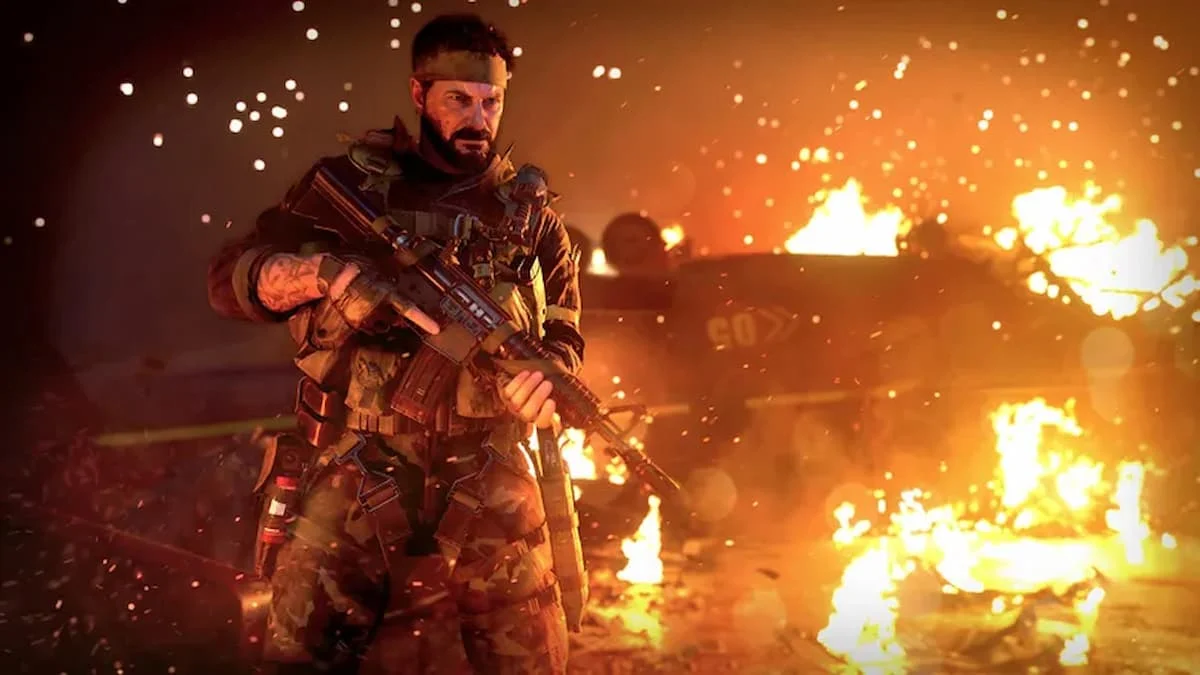
After months of speculation and reported internal deliberations, industry sources indicate that the upcoming installment in the highly popular Call of Duty franchise will indeed be available to Xbox Game Pass subscribers from its launch day. This strategic move, initially met with skepticism regarding its financial viability, marks a significant moment for Microsoft’s gaming division and the broader video game industry, particularly following the colossal acquisition of Activision Blizzard King. The decision underscores Microsoft’s unwavering commitment to its subscription service model and its long-term vision for gaming accessibility.
According to a detailed report published by The Wall Street Journal, Microsoft has finalized plans to integrate the next Call of Duty title, widely rumored to be Black Ops 6, directly into the Game Pass library on the day of its release. This development represents a pivotal shift for a franchise historically reliant on premium, full-price sales to drive substantial revenue for its publisher. The integration into Game Pass means millions of subscribers will gain immediate access to one of the industry’s most anticipated annual releases without an additional upfront purchase beyond their existing subscription fee.
The journey to this decision has been fraught with complex financial and strategic considerations. Reports from earlier in the year suggested significant internal debate within Xbox leadership regarding the placement of a flagship title like Call of Duty on Game Pass at launch. The primary concern revolved around the potential for "revenue cannibalization." Traditionally, Call of Duty games are blockbuster sellers, with recent entries like Modern Warfare 3 retailing for $70 to $100, depending on the edition purchased. Introducing such a high-value title into a subscription service, which costs between $9.99 and $16.99 per month for various tiers, could theoretically undermine direct sales revenue for Activision Blizzard, now a subsidiary of Microsoft.
This tension highlights the fundamental economic challenge of the subscription model versus the traditional one-time purchase model. While Game Pass aims to provide immense value to subscribers and grow the overall ecosystem, it must also justify the significant investment in acquiring and developing AAA titles. To offset potential losses from direct sales, Microsoft reportedly explored various strategies, including a potential price hike for Game Pass subscriptions. While such a price adjustment has been a recurring topic of discussion within the industry, it remains unclear whether Microsoft intends to implement it in conjunction with the Call of Duty launch or at a later date. The balancing act involves maximizing subscriber growth and retention against the immediate revenue generated by individual game sales.
The integration of Call of Duty into Game Pass is not merely a financial decision; it is a profound statement about Microsoft’s long-term strategic direction in the gaming industry. Xbox Game Pass has been the cornerstone of Microsoft’s gaming strategy for several years, positioned as a Netflix-like service for video games. It offers a rotating catalog of hundreds of titles, including all first-party Xbox Studio games available on day one. Bringing Call of Duty into this fold is arguably the most significant demonstration of this strategy to date, surpassing even the day-one releases of other major titles like Starfield and Forza Motorsport.
This move also serves as a critical validation of Microsoft’s controversial and immensely expensive acquisition of Activision Blizzard King, a deal valued at nearly $69 billion and finalized in October 2023 after navigating extensive regulatory scrutiny worldwide. The acquisition was predicated on strengthening Microsoft’s position in the gaming market, particularly against competitors like Sony’s PlayStation, and expanding its content library for Game Pass. While other Activision Blizzard titles like Diablo IV have already made their way to Game Pass post-acquisition, none carry the cultural weight and annual sales expectations of Call of Duty. The successful integration of this franchise is a key performance indicator for the entire acquisition.
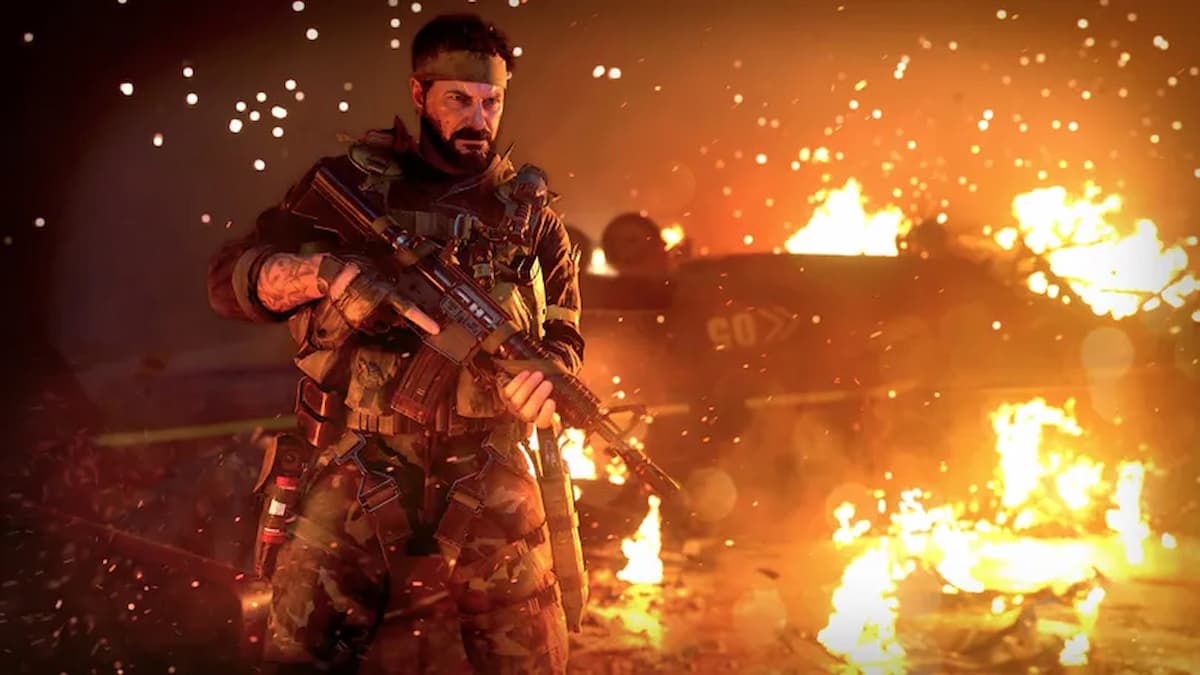
For players, the implications are overwhelmingly positive. Game Pass subscribers, particularly those on the higher-tier Ultimate plan which typically includes day-one releases, will gain access to Black Ops 6 without an additional purchase. This significantly lowers the barrier to entry for many gamers, potentially expanding the Call of Duty player base and fostering greater community engagement. It could also encourage more players to subscribe to Game Pass, further solidifying its market position. However, it’s important to note that for players on PlayStation or PC outside of Game Pass, the new Call of Duty installment is still expected to be sold as a standalone, full-price title, maintaining a traditional revenue stream on those platforms.
The timing of this announcement aligns with the broader promotional cycle for the upcoming game. Rumors suggest that Black Ops 6 is slated for a late October launch, a traditional window for Call of Duty releases. Activision Blizzard is reportedly planning to make the official announcement and provide a deeper dive into the game during the Xbox Games Showcase event scheduled for June 9. This event is widely anticipated to feature a dedicated "Call of Duty Direct" segment immediately following the main showcase, where details about the game, its setting, gameplay mechanics, and crucially, its Game Pass availability, are expected to be fully unveiled.
From a competitive standpoint, this decision intensifies the "console war" between Xbox and PlayStation. While Microsoft has committed to keeping Call of Duty multiplatform, its day-one inclusion on Game Pass provides a distinct advantage to the Xbox ecosystem. PlayStation users, barring any unforeseen changes, will still need to purchase the game at full retail price. This differentiation could sway purchasing decisions for consumers contemplating which console ecosystem to invest in, or encourage existing PlayStation owners to consider an Xbox console or a Game Pass PC subscription.
Analysts have long debated the long-term viability of the subscription model for AAA games. While it offers predictable recurring revenue and fosters customer loyalty, the upfront cost of acquiring or developing these titles is immense. Microsoft’s bet with Call of Duty suggests a strong belief that the increased subscriber numbers, retention rates, and overall ecosystem value generated by such a high-profile day-one release will ultimately outweigh the foregone direct sales revenue. This strategy also aligns with the broader trend in entertainment, where streaming services have become dominant across music, film, and television. Gaming, arguably the most interactive and expensive form of entertainment, is slowly but surely following suit.
The history of Game Pass itself provides context for this bold move. Since its inception in 2017, the service has grown steadily, attracting tens of millions of subscribers globally. Its success has been attributed to its compelling value proposition: a vast library of games, including new first-party titles on launch day, for a relatively low monthly fee. Major titles like Halo Infinite, Forza Horizon 5, and Starfield have all debuted on Game Pass, demonstrating Microsoft’s commitment to this model. However, Call of Duty represents a different echelon of commercial success and cultural penetration, making its Game Pass debut a watershed moment.
Looking ahead, the success of this strategy will be closely monitored. Key metrics will include Game Pass subscriber growth, engagement levels with Black Ops 6 on the platform, and the overall financial performance of Activision Blizzard under Microsoft’s ownership. The potential for a Game Pass price adjustment, while currently speculative, also remains a critical factor in Microsoft’s long-term revenue calculations. Whatever the immediate financial outcomes, this decision firmly establishes Call of Duty as a cornerstone of the Xbox Game Pass offering and solidifies Microsoft’s position as a dominant force in the evolving landscape of subscription-based gaming. The June 9 Xbox Games Showcase is now set to be an even more significant event, providing the official confirmation and further details that will undoubtedly reshape expectations for the future of gaming.