


As May 2025 draws to a close, Xbox Game Pass subscribers are facing the routine yet impactful departure of several notable titles from the service’s extensive library. While the addition of new games is a consistent highlight for the platform, the regular rotation of content also means that cherished experiences will soon become unavailable without a direct purchase. This latest wave, effective May 31, 2025, will see four titles exit the console Game Pass catalog, with a fifth game, Firework, departing exclusively from the PC Game Pass, bringing the total to five for PC subscribers. This cyclical nature is a cornerstone of the subscription model, designed to keep the library fresh and encourage exploration, but it also prompts players to prioritize their gaming schedules to experience these titles before their window of free access closes.
Understanding the Departure Wave: Key Titles Exiting the Service
The upcoming departures represent a diverse collection of genres and experiences, ranging from acclaimed action RPGs to innovative indie puzzles and retro-inspired shooters. For many subscribers, these titles have offered countless hours of entertainment, and their impending exit underscores the dynamic nature of digital content licensing.
Remnant 2: The Co-Op Soulslike Shooter
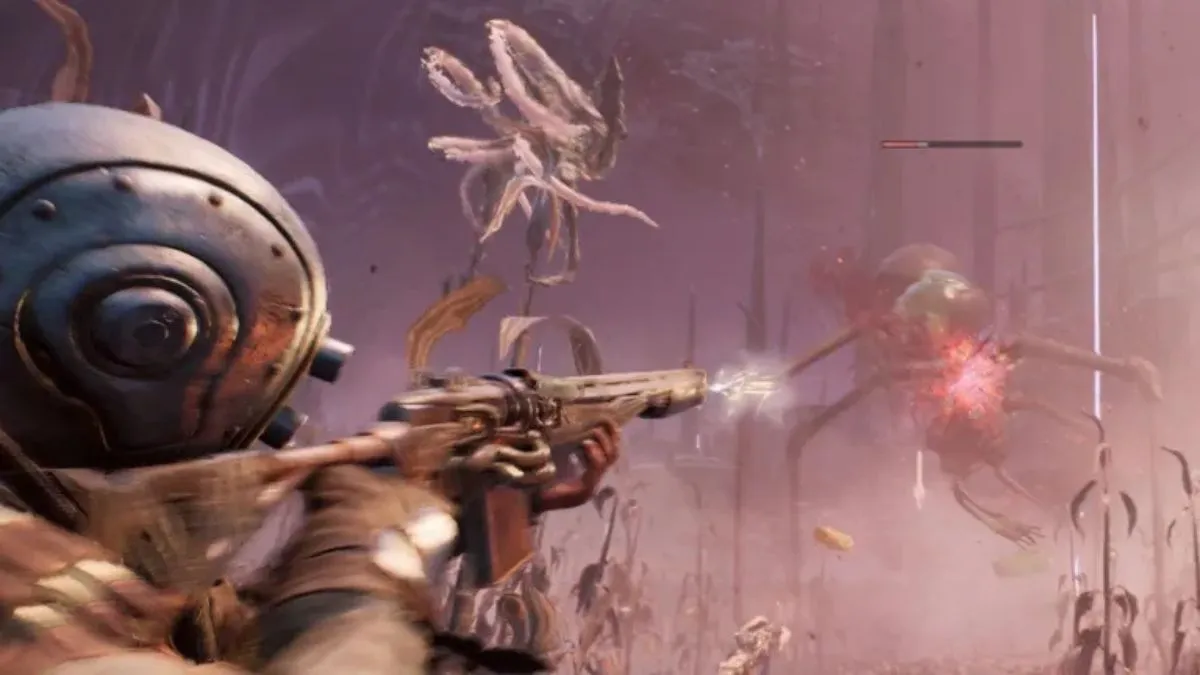
Arguably the most significant departure for many, Remnant 2, developed by Gunfire Games and published by Gearbox Publishing (Arc Games), has captivated players with its unique blend of third-person shooting, Soulslike mechanics, and procedural generation. Launched in July 2023, the game quickly garnered critical acclaim, boasting Metacritic scores typically in the high 70s to low 80s across platforms. Its intricate world design, challenging boss battles, and robust co-operative multiplayer system made it a standout title. Remnant 2 expanded upon its predecessor, Remnant: From the Ashes, by introducing more diverse archetypes, deeper character customization, and an even greater emphasis on replayability through its dynamically generated environments and quests. The game’s narrative, set in a post-apocalyptic world infested by monstrous entities, combined with its distinct art direction, offered a compelling and often punishing experience. Its presence on Game Pass allowed a broad audience to dive into its challenging depths without an upfront purchase, significantly boosting its player base and fostering a vibrant community. The game’s departure will undoubtedly lead to a surge in playtime during the final weeks of May 2025 as players attempt to complete campaigns or explore its various secrets. For those who fall short, the option to purchase the game, often at a discount following its Game Pass stint, will remain.
Cassette Beasts: A Fresh Take on Monster-Catching RPGs
Cassette Beasts, developed by Bytten Studio and published by Raw Fury, has been celebrated as a charming and innovative indie RPG. Launched in April 2023, this title offers a refreshing spin on the monster-catching genre, moving beyond direct comparisons to established franchises like Pokémon or TemTem. Instead of Poké Balls, players capture monsters by recording them onto cassette tapes, allowing them to transform into these creatures in turn-based combat. The game’s unique fusion mechanic, where two monsters can combine to create powerful new forms, adds a strategic layer to battles. Cassette Beasts features a vibrant open world, memorable characters, and a compelling narrative centered around uncovering the mysteries of New Wirral, a land where strange creatures roam. Critics lauded its creative mechanics, appealing pixel-art aesthetic, and a soundtrack that perfectly complements its retro-inspired yet modern gameplay. Its Metacritic score hovers around the mid-80s, reflecting its strong reception within the indie gaming community. The game’s accessible learning curve and engaging progression system make it an ideal candidate for players looking for a complete, satisfying experience within a relatively short timeframe, perfect for a last-minute playthrough before its Game Pass exit.
Humanity: The Puzzle Platformer with a Philosophical Twist
Humanity, developed by Enhance Games and published by Enhance Games and Sony Interactive Entertainment, offers a truly unique and meditative puzzle-platforming experience. Released in May 2023, the game tasks players with guiding hordes of obedient humans (and sometimes dogs) through complex, abstract levels to reach a glowing goal. Its distinct visual style, featuring minimalist environments and a serene aesthetic, belies the intricate brain-teasers within. The core mechanic involves placing commands on the ground—such as turn signals, jump pads, or pushes—to direct the flowing lines of humans. As levels progress, new mechanics and challenges are introduced, demanding creative problem-solving and spatial awareness. Humanity received strong praise from critics, achieving Metacritic scores in the high 80s, for its innovative gameplay, captivating presentation, and surprisingly profound underlying themes about collective action and existence. Its inclusion in Game Pass introduced this critically acclaimed title to a broader audience, many of whom might not typically gravitate towards puzzle games. Its departure means that puzzle aficionados and those seeking a contemplative yet engaging experience have a limited window to immerse themselves in its distinctive world.
Slayers X: Terminal Aftermath: Vengance of the Slayer: A Retro FPS Homage
For fans of classic "boomer shooters" and irreverent humor, Slayers X: Terminal Aftermath: Vengance of the Slayer has been a delightful, if niche, addition to Game Pass. Developed by Pillow Fight and published by Devolver Digital, this game, released in June 2023, is a deliberate throwback to the chaotic, over-the-top first-person shooters of the 1990s. It features a distinct "MS Paint" aesthetic, intentionally crude graphics, and a narrative delivered through the lens of a fictional, angsty teenager named X, who believes he’s created the ultimate video game. The game’s appeal lies in its satirical take on classic FPS tropes, its relentless action, and its surprisingly effective blend of nostalgia and self-aware humor. While its Metacritic score is more modest, typically in the mid-70s, it resonated strongly with a specific audience appreciating its unique style and commitment to its retro premise. Slayers X offered a dose of unadulterated, unpretentious fun, providing a stark contrast to many modern, graphically intensive titles. Its departure leaves a gap for those seeking a quick, explosive trip down memory lane.
Firework (PC Game Pass Only): A Haunting Horror Puzzle Adventure
Exclusively leaving PC Game Pass, Firework, developed by Shiro Games and published by Gamera Games, is a horror puzzle title that immerses players in a chilling narrative steeped in Chinese folklore. Released in July 2021, this game stands out for its atmospheric storytelling, psychological tension, and intricate puzzles. Players assume the role of a police officer investigating a fire at a remote mountainous funeral home, gradually uncovering a dark and supernatural mystery. Firework relies heavily on environmental storytelling, unsettling imagery, and jump scares to create a palpable sense of dread. Its puzzle mechanics are often integrated seamlessly into the narrative, requiring players to pay close attention to details and piece together clues from their surroundings. While not as widely reviewed as some of the other departing titles, Firework has garnered a dedicated following among horror game enthusiasts and those appreciative of its unique cultural backdrop. Its departure from PC Game Pass means that fans of narrative-driven horror and atmospheric puzzle games have a final opportunity to experience its unsettling story.
The Rhythmic Cycle of Xbox Game Pass: A Business Model Overview
The departure of games from Xbox Game Pass is a routine and integral part of its operational model. Since its launch in June 2017, Game Pass has revolutionized how players access and consume games, offering a Netflix-like subscription service for video games. Microsoft’s strategy with Game Pass is multifaceted: it aims to provide immense value to subscribers, drive hardware sales (particularly Xbox consoles), expand the PC gaming ecosystem, and boost engagement across its platforms.

The core principle behind content rotation is simple economics and licensing. Games are added to Game Pass under specific contractual agreements with developers and publishers. These agreements typically have a defined duration, often ranging from 12 to 24 months, though some titles may stay longer, especially first-party Microsoft exclusives. When these contracts expire, Microsoft and the respective publisher or developer must decide whether to renew the agreement, which involves further financial negotiations. Often, publishers opt not to renew, choosing instead to leverage the increased visibility and potential sales boost a Game Pass stint provides, then transition to selling the game directly to players who discovered and enjoyed it on the service. This model allows publishers to gain an upfront payment and a massive audience for their game, potentially converting a portion of those players into direct purchasers, especially for DLC or sequels.
For Microsoft, this rotation ensures the library remains fresh and dynamic. Regularly adding and removing titles creates a sense of urgency for players to try games, while also allowing Microsoft to manage licensing costs and make room for new, highly anticipated additions. This constant flux is part of the service’s appeal, encouraging subscribers to explore diverse titles they might not have otherwise purchased. As of early 2024, Xbox Game Pass boasts over 34 million subscribers, a testament to the success of this dynamic content strategy.
Economic Implications for Developers and Publishers
For developers and publishers, Game Pass presents a unique set of opportunities and challenges. The primary benefit is undeniable: an immediate, massive audience. An indie game that might struggle for visibility on crowded digital storefronts can instantly reach millions of potential players through Game Pass. This exposure can translate into:
- Guaranteed Revenue: Developers receive an upfront payment or a recurring fee based on engagement, providing financial stability and allowing them to fund future projects.
- Increased Brand Awareness: More players mean more discussions, reviews, and general buzz around the game and the development studio.
- Boosted Sales Post-Departure: Anecdotal evidence and some studies suggest that games leaving Game Pass often see a spike in direct sales from players who enjoyed the game on the service and want to own it permanently, especially if they wish to continue playing or purchase DLC.
- DLC and Sequel Sales: A large player base on Game Pass can drive sales of additional content or create a strong foundation for a sequel.
However, there are also considerations. Some smaller developers might worry about the long-term sales impact if their game is "given away" on a subscription. Yet, the consensus among many in the industry is that the benefits of exposure and upfront payment generally outweigh these concerns, particularly for indie and mid-tier titles. The Game Pass model has become a vital component of many studios’ release strategies, providing a reliable revenue stream in an increasingly competitive market. The departure of games like Remnant 2 and Cassette Beasts from the service in May 2025 is a natural conclusion to their contractual terms, likely after a period where both the developers and Microsoft achieved their respective goals.
Subscriber Behavior and the "Play It Before It’s Gone" Phenomenon
The announcement of departing titles inevitably triggers a common subscriber response: the "Fear Of Missing Out" (FOMO). This psychological effect drives many players to prioritize games on the "Leaving Soon" list, often leading to a scramble to complete or at least experience these titles before they become inaccessible without purchase. This behavior is precisely what Microsoft aims to cultivate to maximize engagement with its rotating library.
For subscribers, Game Pass offers an unparalleled value proposition: hundreds of games for a fixed monthly fee. However, this value is inherently tied to the dynamic nature of the library. Players learn to adapt their gaming habits, often sampling a wider variety of games than they would if they were purchasing each title individually. The impending departures force a decision: either commit to playing the game quickly, accept that it will be missed, or consider purchasing it, often at a discount offered to Game Pass subscribers. This strategic decision-making becomes a regular part of the Game Pass experience, shaping individual gaming timelines and preferences.
The Broader Landscape of Gaming Subscriptions
The success of Xbox Game Pass has undeniably influenced the broader gaming industry, prompting competitors to enhance or introduce their own subscription services. PlayStation Plus, for instance, has evolved to include various tiers offering game catalogs, classic titles, and game trials, directly competing with Game Pass’s value proposition. Other platforms like Nintendo Switch Online, EA Play, and Ubisoft+ also offer subscription-based access to their respective libraries or exclusive content.
The trend towards subscription models reflects a wider shift in entertainment consumption, from ownership to access. For gaming, this means a constant battle for compelling content. Microsoft’s strategy of securing "Day One" launches, where new, highly anticipated titles are available on Game Pass from their release date, has been a significant differentiator. The original article’s mention of Doom: The Dark Ages as a "Day One launch" in May 2025 (a future release from the perspective of the original article’s publication year) highlights this ongoing commitment. Such high-profile additions are crucial for attracting and retaining subscribers, balancing the inevitable departures with exciting new content. The competition among these services benefits consumers, driving innovation and increasing the overall value offered to players.
Looking Ahead: The Evolving Strategy of Game Pass
As May 2025 transitions into June, the cycle of content rotation will continue. Subscribers will eagerly anticipate the next wave of announcements detailing new additions to the Game Pass library. Microsoft’s long-term vision for Game Pass extends beyond just consoles and PCs, encompassing cloud gaming, expansion into new geographical markets, and a continued focus on offering a diverse catalog that appeals to all types of players.
The balance between blockbuster first-party titles, major third-party releases, and a vibrant selection of indie games is crucial for maintaining the service’s appeal. The departure of diverse titles like Remnant 2, Cassette Beasts, and Humanity in May 2025 underscores this strategy, making room for new experiences while encouraging players to appreciate the fleeting nature of digital content access. The Game Pass model is a dynamic ecosystem, constantly evolving to meet the demands of a rapidly changing industry and the expectations of its growing subscriber base.
In conclusion, while the departure of popular titles from Xbox Game Pass can be a bittersweet moment for subscribers, it is an essential function of the subscription model designed to maintain content freshness and economic viability. The routine nature of these exits, culminating on May 31, 2025, serves as a reminder of the strategic decisions made by publishers and platforms in the ever-evolving landscape of video game distribution, continually shaping how millions of players discover and engage with their next favorite game.