


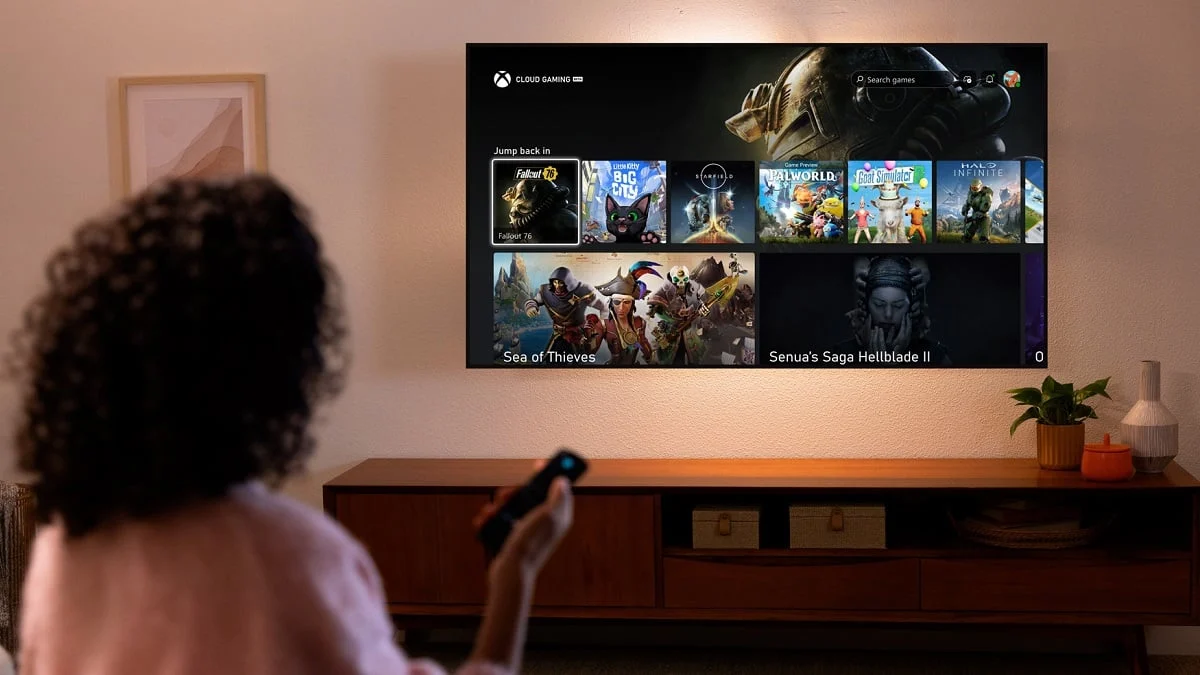
Microsoft has officially announced that its Xbox application will soon become compatible with select Amazon Fire TV devices, enabling subscribers of Xbox Game Pass Ultimate to access a vast library of games via cloud streaming without the need for a dedicated Xbox console. This strategic move, detailed in an Xbox Wire post on June 27, 2024, marks a significant step in Microsoft’s ongoing endeavor to broaden the reach of its gaming ecosystem beyond traditional console hardware, making high-quality gaming more accessible and affordable to a wider global audience. While an exact launch date remains undisclosed, the integration is slated to arrive "soon," allowing users with a Fire TV Stick 4K or Fire TV Stick 4K Max to stream Xbox titles directly to their televisions using a Bluetooth wireless controller, which notably does not need to be an Xbox-branded peripheral.
The Strategic Pivot: Microsoft’s Evolving Gaming Vision
This announcement is not an isolated event but rather a culmination of Microsoft’s evolving strategy in the gaming industry, shifting from a purely console-centric model to a more expansive, hardware-agnostic approach. For years, Xbox’s identity was intrinsically tied to its physical consoles, competing directly with Sony’s PlayStation and Nintendo’s various platforms. However, under the leadership of Xbox head Phil Spencer, the company has increasingly embraced a vision where gaming content is paramount, accessible across multiple devices and platforms, effectively turning Xbox from a console brand into a comprehensive gaming service.
This transformation began in earnest with the introduction of Xbox Game Pass in June 2017. Initially conceived as a Netflix-like subscription service for games, Game Pass has since blossomed into the cornerstone of Microsoft’s gaming strategy. Offering hundreds of titles, including all first-party Xbox releases on day one, it quickly became a compelling value proposition. The subsequent integration of cloud gaming capabilities, initially known as Project xCloud and later rebranded as Xbox Cloud Gaming, into Game Pass Ultimate was a pivotal moment. This allowed subscribers to stream games to mobile devices and web browsers, liberating gaming from the living room and the console itself.
The underlying rationale for this pivot is multifaceted. Despite critical acclaim for its Xbox Series X and S consoles, Microsoft has faced an uphill battle in console sales against the dominant PlayStation 5 and the universally popular Nintendo Switch. Data from various market research firms consistently indicate that Xbox trails its primary competitors in terms of units sold globally, particularly in key international markets like Japan and parts of Europe. This disparity has necessitated a re-evaluation of how Xbox reaches its audience and monetizes its considerable investments in game development and studio acquisitions, such as ZeniMax Media (Bethesda) and Activision Blizzard. By decoupling the gaming experience from dedicated hardware, Microsoft aims to tap into vast untapped markets where consumers might be unwilling or unable to purchase a console but are open to subscription-based cloud gaming.
Further evidence of this strategic shift can be seen in Microsoft’s recent decision to bring several of its first-party exclusive titles, including Sea of Thieves, Hi-Fi Rush, Grounded, and Pentiment, to rival platforms like PlayStation 5 and Nintendo Switch. While controversial among some hardcore Xbox fans, these moves are calculated to maximize revenue from existing intellectual properties and introduce new players to Xbox’s creative output, potentially guiding them towards Game Pass in the future. Rumors even persist regarding the potential arrival of flagship franchises like Halo on PlayStation, underscoring the depth of Microsoft’s commitment to cross-platform presence. The company’s focus is clearly on subscriber growth and ecosystem expansion rather than simply winning the console sales war.
Unpacking the Fire TV Integration: Accessibility and Affordability
The integration of the Xbox app with Amazon Fire TV Sticks represents a significant expansion of Xbox Cloud Gaming’s reach, bringing it to one of the most popular and ubiquitous streaming device platforms worldwide. Amazon’s Fire TV devices have sold tens of millions of units globally, establishing a massive installed base of potential new Game Pass subscribers.
To utilize this new functionality, users will need either a Fire TV Stick 4K, retailing at $49.99, or a Fire TV Stick 4K Max, priced at $59.99. Crucially, any Bluetooth-enabled wireless controller can be paired, eliminating the need for an Xbox-specific gamepad. This includes popular options like the PlayStation 5’s DualSense controller, offering unparalleled flexibility to gamers who may already own controllers from other platforms.
This move dramatically lowers the barrier to entry for accessing high-fidelity gaming. For a casual gamer or someone new to the ecosystem, the cost of a dedicated gaming console can be prohibitive. An Xbox Series S, the more affordable current-generation Xbox console, typically costs $299.99. When combined with a year’s subscription to Game Pass Ultimate, which runs $16.99 per month (totaling $203.88 annually), the total investment approaches $504. In stark contrast, pairing a Fire TV Stick 4K ($49.99) with a year of Game Pass Ultimate brings the total cost to just under $254. This makes accessing the entire Game Pass library cheaper than purchasing the Xbox Series S console on its own, representing a compelling value proposition that democratizes access to hundreds of games.
However, the experience is not without its caveats. As cloud gaming inherently relies on a stable and robust internet connection, performance is entirely dependent on network quality. Fluctuations in bandwidth, high latency, or intermittent disconnections can lead to noticeable input lag, visual artifacting, or outright game interruptions. There is no offline play option for games streamed via the cloud, meaning users in areas with poor internet infrastructure or those who prefer physical media may still find a dedicated console more appealing. Microsoft typically recommends a minimum download speed of 20 Mbps for a reliable cloud gaming experience, with lower latency connections being preferable for fast-paced action titles.
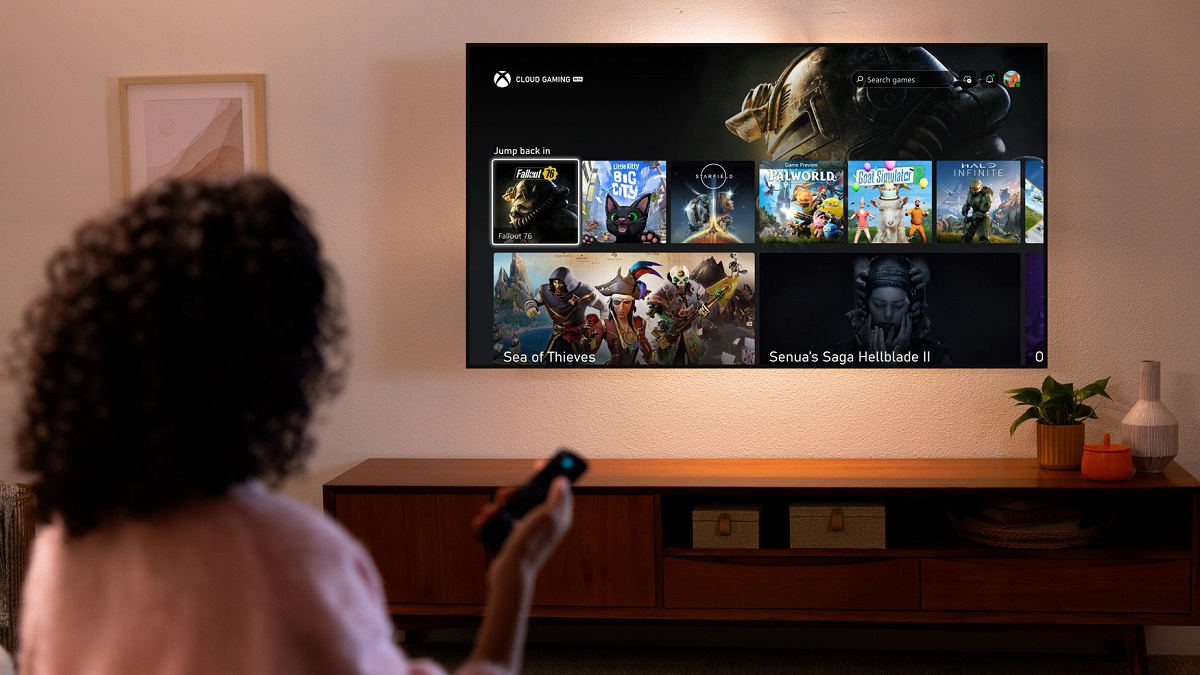
Despite these technical considerations, the sheer convenience and cost-effectiveness of this solution are poised to attract a significant demographic. For households already equipped with compatible televisions and one of the supported Fire TV Sticks, the transition to cloud gaming becomes almost frictionless, requiring only the subscription and a controller. This integration transforms existing entertainment hardware into a potent gaming machine, maximizing the utility of devices already present in millions of homes.
A Decade of Cloud: Xbox’s Journey to Ubiquity
The path to integrating Xbox Cloud Gaming with Fire TV Sticks has been a methodical journey, marked by years of development and strategic partnerships.
- 2017: Xbox Game Pass launches, establishing the subscription service foundation.
- 2019: Project xCloud, Microsoft’s nascent cloud gaming service, begins public trials, showcasing the technology’s potential.
- September 2020: Xbox Cloud Gaming (then xCloud) is officially integrated into Xbox Game Pass Ultimate, making it accessible to all subscribers on Android mobile devices.
- June 2021: Cloud gaming expands to web browsers (Edge, Chrome, Safari) on PCs and iOS devices, significantly broadening its reach beyond Android.
- November 2021: Xbox Cloud Gaming is integrated directly into Xbox consoles, allowing users to stream Game Pass titles without downloading them, saving storage space.
- June 2022: Microsoft announces and launches the Xbox app on Samsung Smart TVs, becoming the first platform to offer direct console-less access to Game Pass without an external streaming device. This partnership laid the groundwork for future integrations.
- June 27, 2024: The announcement of Xbox app compatibility with Amazon Fire TV Sticks further solidifies Microsoft’s commitment to pervasive cloud gaming access.
This timeline illustrates a consistent, long-term vision from Microsoft to make its gaming services ubiquitous. Each step has chipped away at the necessity of dedicated hardware, moving towards a future where the "Xbox" experience is defined by the service, not just the box.
Industry Ramifications: Hardware, Subscriptions, and Competition
The expansion of Xbox Cloud Gaming to Amazon Fire TV Sticks carries significant implications for various sectors of the gaming industry.
- Impact on Xbox Console Sales: While Microsoft insists it is not abandoning hardware, this move will undoubtedly put additional pressure on sales of the Xbox Series S, which has historically served as the more budget-friendly entry point into the Xbox ecosystem. For many casual gamers, the appeal of a $250-ish cloud gaming setup will likely outweigh the nearly $500 cost of a Series S bundle. However, Microsoft’s strategy appears to prioritize Game Pass subscriptions, which generate recurring revenue, over one-time hardware sales. The hope is that this increased accessibility will swell the ranks of Game Pass subscribers, some of whom might eventually upgrade to a dedicated console or other Xbox hardware like the rumored handheld for a premium experience.
- Competition in Cloud Gaming: The cloud gaming market is becoming increasingly competitive. While Google Stadia famously failed, services like Nvidia GeForce NOW (offering access to PC game libraries), Amazon Luna (integrated with Amazon Prime and other subscriptions), and PlayStation Plus Premium’s streaming options continue to vie for market share. Xbox Cloud Gaming’s distinct advantage lies in its direct integration with the Game Pass library, offering a curated selection of first-party and third-party titles, including new releases, without additional purchases. This makes it a formidable contender, especially as it expands to more accessible hardware.
- Microsoft’s Revenue Model Shift: This move aligns perfectly with Microsoft’s broader corporate strategy, which has increasingly emphasized subscription-based services across its portfolio, from Microsoft 365 to Azure cloud computing. Game Pass is a critical component of this strategy, aiming to establish a stable, predictable revenue stream that is less susceptible to the cyclical nature of console hardware generations. Phil Spencer has previously indicated that reaching 100 million Game Pass subscribers is an ambitious but achievable goal, and expanding to platforms like Fire TV is crucial for achieving such scale. As of early 2022, Microsoft reported over 25 million Game Pass subscribers, a number that Spencer confirmed in June 2024 has grown "well beyond" that figure, though specific updated numbers remain elusive.
- Partnerships and Ecosystem Expansion: The partnership with Amazon is strategically significant. Following the Samsung Smart TV integration, this further demonstrates Microsoft’s willingness to collaborate with major hardware manufacturers and platform providers to expand its reach. For Amazon, integrating the Xbox app enhances the value proposition of its Fire TV devices, positioning them as versatile entertainment hubs that now offer access to a premium gaming library, potentially driving Fire TV sales and increasing engagement within its ecosystem.
Official Responses and Market Reception
While Microsoft’s official Xbox Wire post was concise, it reiterated the company’s long-standing commitment to making gaming more accessible. Sarah Bond, President of Xbox, and Phil Spencer, CEO of Microsoft Gaming, have consistently articulated a vision of gaming that is "for everyone," regardless of the device they own. This Fire TV integration is a direct manifestation of that philosophy.
Industry analysts have largely reacted positively, viewing the move as a pragmatic and forward-thinking strategy. "This aggressive push into cloud streaming underscores Microsoft’s long-term vision of a service-led gaming future," noted one analyst in a private briefing. "By removing hardware as a primary barrier, they are opening up Game Pass to a massive, untapped demographic, particularly in markets where console penetration is lower or where consumers prefer more flexible entertainment options." The consensus is that while it may impact console sales marginally, the overall benefit to the Xbox ecosystem through increased Game Pass subscriptions will be substantial.
The Future Landscape: Gaming Beyond the Console
The integration of Xbox Game Pass with Amazon Fire TV Sticks is a clear signal of the evolving landscape of interactive entertainment. While dedicated gaming consoles will likely remain a segment of the market for enthusiasts seeking the highest fidelity and performance, the trend towards cloud-based, subscription-driven gaming on accessible devices is undeniable. This shift promises a future where a high-end gaming experience is no longer confined to expensive, specialized hardware but can be accessed through devices already common in millions of homes.
Microsoft is not entirely abandoning hardware; hints and teases from Phil Spencer himself suggest the potential development of an Xbox handheld device, indicating a diversification of hardware offerings rather than a complete divestment. However, the core strategy is now unequivocally centered on the Game Pass service and its omnipresence. As internet infrastructure continues to improve globally, particularly with the rollout of 5G networks, the technical hurdles of cloud gaming will diminish, further accelerating this paradigm shift. The arrival of Xbox Game Pass on Amazon Fire TV is more than just a new feature; it’s a testament to a future where gaming is truly everywhere.