


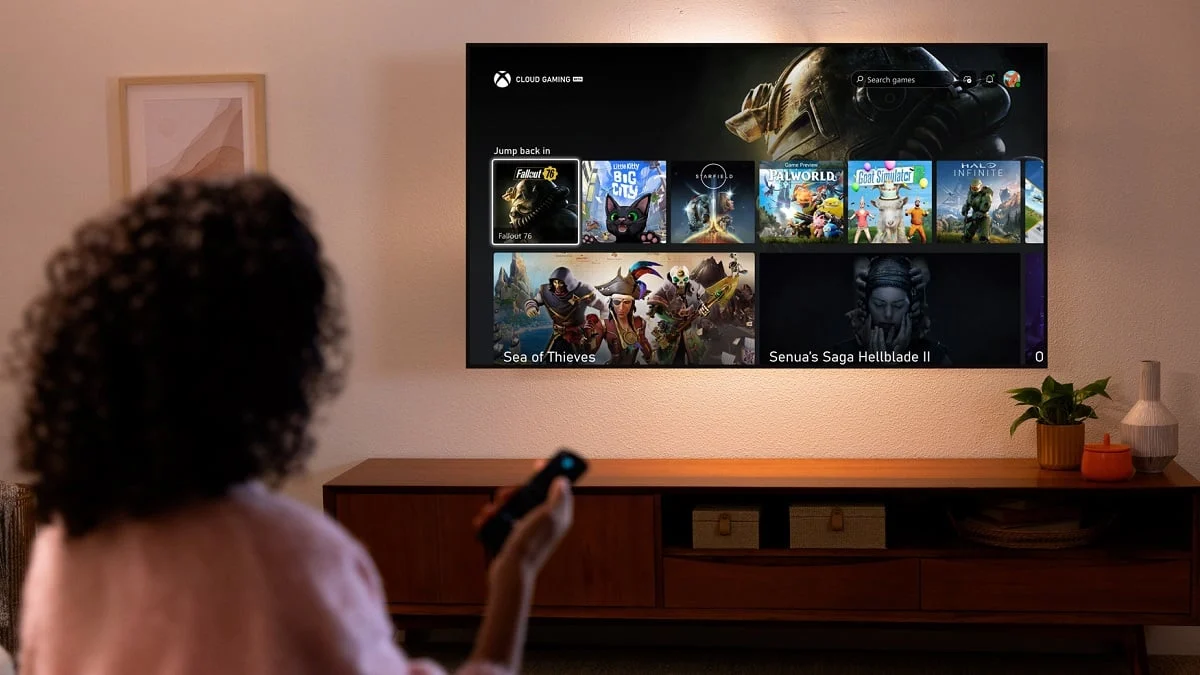
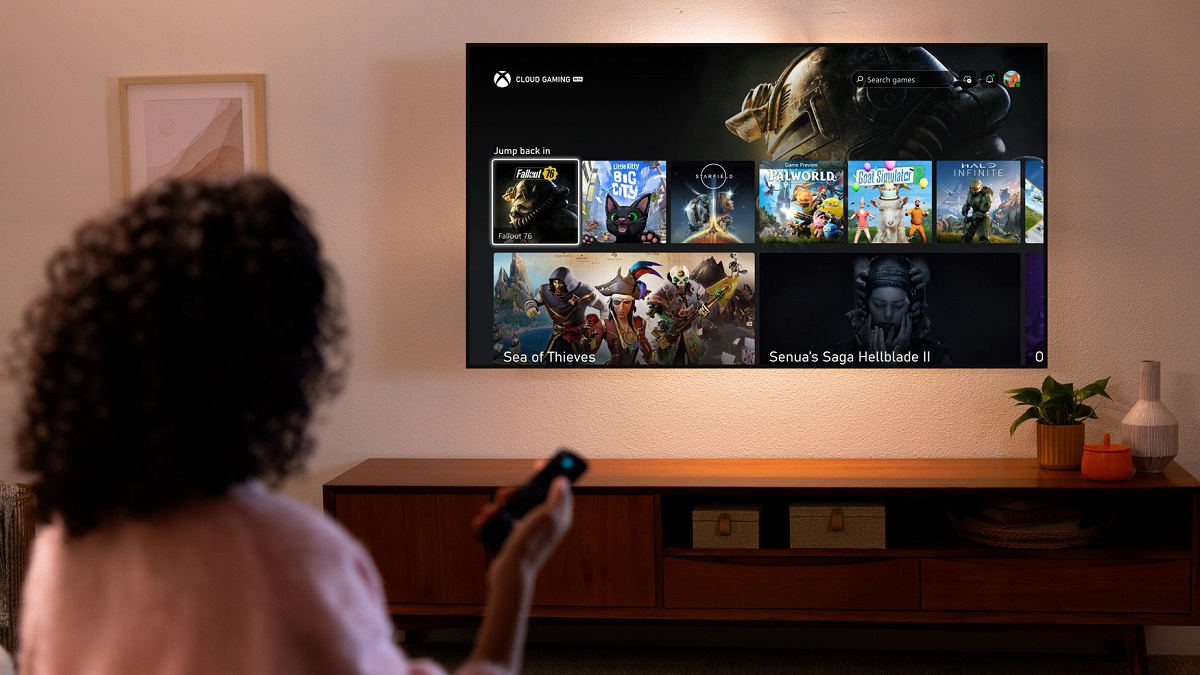
Microsoft has announced a significant expansion of its Xbox Game Pass ecosystem, making its extensive library of titles accessible on Amazon Fire TV Stick devices through cloud streaming. This strategic move, detailed in an Xbox Wire post, eliminates the need for a dedicated Xbox console for a growing segment of gamers, further solidifying Microsoft’s "Xbox Everywhere" philosophy and its commitment to broadening Game Pass subscriptions. While an exact launch date remains undisclosed, the forthcoming compatibility of the Xbox app with select Fire TV devices, specifically the Fire TV Stick 4K and Fire TV Stick 4K Max, represents a pivotal step in democratizing access to gaming.
To leverage this new capability, users will require a Game Pass Ultimate subscription, a compatible Fire TV Stick, and any Bluetooth wireless controller, including non-Xbox branded options like the PlayStation 5’s DualSense. This initiative dramatically lowers the financial barrier to entry for accessing hundreds of high-quality games, including upcoming exclusives like Gears of War: E-Day, directly through a readily available streaming device. The shift underscores a broader industry trend towards subscription-based services and cloud-native gaming, positioning Microsoft at the forefront of this evolution.
Microsoft’s Evolving Gaming Strategy: From Consoles to Cloud
This latest announcement is not an isolated incident but rather a logical progression in Microsoft’s overarching strategy to redefine its presence in the gaming industry. For years, Xbox has been synonymous with dedicated hardware, a direct competitor to Sony’s PlayStation and Nintendo’s consoles. However, under the leadership of CEO Satya Nadella and Head of Xbox Phil Spencer, Microsoft has increasingly pivoted towards a platform-agnostic approach, viewing Game Pass as the central pillar of its gaming ecosystem rather than the console itself.
The "Xbox Everywhere" vision, articulated by Microsoft executives, aims to make Xbox games accessible to anyone, anywhere, regardless of their preferred device. This began with the introduction of Xbox Cloud Gaming (formerly Project xCloud), which initially launched in beta for Android devices in 2020 and later expanded to iOS via web browsers, PCs, and even select Samsung Smart TVs. The integration with Amazon Fire TV is a natural extension of this strategy, targeting a massive installed base of streaming device users who may not own a gaming console.
Microsoft’s strategic shift has been influenced by several factors, including the intensely competitive console market where PlayStation and Nintendo have often outpaced Xbox in sales. By de-emphasizing hardware as the sole gateway to its content, Microsoft seeks to tap into a much larger global audience, transforming Game Pass into the "Netflix of gaming." This approach focuses on recurring revenue streams through subscriptions, aligning with Microsoft’s broader business model across its other divisions. The company’s massive acquisition of Activision Blizzard King for nearly $69 billion, completed in 2023, was primarily aimed at bolstering the Game Pass library with an even more diverse and popular array of titles, further solidifying its value proposition.
The Amazon Partnership: Strategic Alignment and Market Reach
The choice of Amazon Fire TV as the next frontier for Xbox Cloud Gaming is highly strategic. Amazon’s Fire TV platform boasts a formidable global install base, with reports indicating over 200 million devices sold worldwide by 2023. This vast reach provides Microsoft immediate access to millions of potential Game Pass subscribers who already possess a compatible streaming device and are familiar with a subscription-based digital entertainment model.
The partnership also highlights an interesting dynamic within the cloud gaming sector. Amazon itself operates a cloud gaming service called Luna, which is integrated into the Fire TV ecosystem. While Luna offers its own selection of games, Microsoft’s move to bring Xbox Cloud Gaming to Fire TV suggests a recognition of market realities and a willingness to collaborate across platforms to expand reach. For Amazon, hosting Xbox Game Pass enhances the value proposition of its Fire TV devices, potentially attracting more customers to its hardware ecosystem. For Microsoft, it’s about maximizing distribution for Game Pass, leveraging Amazon’s robust hardware and content delivery infrastructure.
This collaboration allows Microsoft to bypass the need for developing and distributing its own dedicated streaming stick or set-top box, instead piggybacking on a widely adopted and cost-effective solution already present in millions of homes. It caters specifically to casual gamers, families, or individuals on a budget who might be hesitant to invest hundreds of dollars in a dedicated console but are open to a lower-cost entry point into a vast gaming library.
Cost-Benefit Analysis: The Economic Argument for Cloud Gaming
One of the most compelling aspects of this announcement is the significant reduction in the cost of entry for accessing Xbox’s gaming library. Historically, gaming has required a substantial upfront investment in console hardware. The new Fire TV integration drastically alters this equation.
Consider the current market prices:
- Amazon Fire TV Stick 4K: $49.99
- Amazon Fire TV Stick 4K Max: $59.99
- Xbox Series S console: $299.99
A Game Pass Ultimate subscription, which is essential for cloud gaming and includes Xbox Live Gold, EA Play, and PC Game Pass, costs $16.99 per month. Over a year, this amounts to approximately $203.88.
Let’s compare the total cost of ownership for a year:
Option 1: Xbox Cloud Gaming via Fire TV Stick
- Fire TV Stick 4K: $49.99
- One year of Game Pass Ultimate: $203.88
- Total (approx.): $253.87 (plus the cost of a Bluetooth controller if not already owned, which can range from $30-$70)
Option 2: Traditional Xbox Console (Xbox Series S)
- Xbox Series S console: $299.99
- One year of Game Pass Ultimate: $203.88
- Total (approx.): $503.87 (plus the cost of an additional controller if needed, or other accessories)
As evident from this comparison, opting for the Fire TV Stick route makes accessing the Game Pass Ultimate library nearly half the cost of purchasing even the more affordable Xbox Series S console. This affordability factor is critical for attracting new subscribers, particularly in emerging markets or for consumers with limited disposable income for entertainment. The flexibility to use any Bluetooth controller further reduces friction, as many households already possess compatible gamepads from other systems or previous generations.
However, a crucial caveat remains: the experience is entirely dependent on a stable and robust internet connection. Cloud gaming streams games from remote servers, meaning latency, bandwidth, and connection stability are paramount. Any disruptions or insufficient speeds can lead to noticeable input lag, visual artifacts, or outright disconnections, severely impacting the gameplay experience. Unlike console gaming, there is no offline fallback option. This makes the service most viable for users with reliable broadband internet, potentially limiting its appeal in areas with underdeveloped infrastructure. Furthermore, while the article mentions the need for a compatible TV, it’s generally assumed that most users considering a Fire TV Stick already possess a modern television, making the cost of a new TV less of a direct factor in this specific comparison.
Timeline of Xbox Cloud Gaming and Multiplatform Push
Microsoft’s journey towards a cloud-centric, multiplatform strategy has unfolded over several years:
- 2019: Project xCloud public preview begins, showcasing the potential of streaming Xbox games to mobile devices.
- September 2020: Xbox Cloud Gaming officially launches as part of Xbox Game Pass Ultimate, initially for Android devices. This marks a pivotal moment, integrating cloud streaming directly into Microsoft’s subscription service.
- April 2021: Cloud Gaming expands to iOS and PC via web browsers, allowing Apple device users to access Game Pass without native app restrictions.
- June 2022: Xbox Cloud Gaming becomes available on select Samsung Smart TVs, further extending its reach beyond traditional gaming hardware.
- Early 2024: Microsoft signals a significant shift in its first-party game strategy, announcing that four previously Xbox-exclusive titles—Sea of Thieves, Hi-Fi Rush, Grounded, and Pentiment—would be released on rival platforms, including PlayStation and Nintendo Switch. This move, dubbed "multiplatform," was framed as an effort to reach more players and grow the games themselves.
- Ongoing Rumors: Persistent industry rumors suggest that even more flagship Xbox titles, potentially including parts of the Halo franchise, are being considered for release on PlayStation. While unconfirmed, such a move would represent an unprecedented departure from Microsoft’s historical exclusivity model.
- June 2024: The announcement of Xbox Game Pass coming to Amazon Fire TV Stick devices.
This timeline illustrates a clear, accelerating trend towards platform agnosticism. Microsoft’s commitment to making its games and services widely available is no longer a theoretical ambition but a tangible business strategy being executed through various partnerships and policy changes.
Industry Reactions and Analyst Perspectives
The announcement has been largely met with positive reactions from industry analysts and commentators, who view it as a shrewd move by Microsoft to expand its addressable market for Game Pass. Analysts suggest that this strategy is crucial for sustained growth in a maturing gaming market where console sales cycles are becoming longer and competition for consumer attention is fierce.
Piers Harding-Rolls, Research Director at Ampere Analysis, has previously noted that Game Pass needs to diversify its distribution to achieve significant subscriber growth beyond the core Xbox console audience. The Fire TV integration directly addresses this need. While some might view this as cannibalizing potential Xbox console sales, the prevailing analytical consensus suggests that it’s more about capturing a new segment of consumers who might never have bought an Xbox console in the first place. This expansion strategy targets the "casual curious" gamer or those who prioritize convenience and cost-effectiveness over dedicated hardware performance.
The cloud gaming market, while still nascent compared to traditional gaming, is projected to grow substantially in the coming years. Microsoft, having invested heavily in its Azure cloud infrastructure, is well-positioned to capitalize on this trend. The failures of competitors like Google Stadia have provided valuable lessons, emphasizing the importance of a robust content library (which Game Pass offers) and a seamless user experience. Nvidia’s GeForce NOW and Sony’s PlayStation Plus Premium also offer cloud streaming, but Microsoft’s aggressive push with Game Pass and its extensive first-party catalog gives it a distinct competitive edge. This move solidifies Xbox Cloud Gaming as a leading contender in the burgeoning cloud gaming space.
Implications for Xbox Hardware and Future Direction
The increasing availability of Xbox games without an Xbox console naturally raises questions about the future of Xbox hardware. Is Microsoft signaling the eventual demise of its gaming consoles? Phil Spencer and other Xbox leaders have consistently maintained that hardware remains an important part of the Xbox ecosystem, but its role is evolving.
Spencer has frequently stated that hardware serves as a premium entry point for those who desire the absolute best performance, graphical fidelity, and lowest latency experience. Dedicated consoles will continue to cater to hardcore gamers who prioritize these aspects. However, for a broader audience, the focus is shifting to accessibility and choice. The teased existence of an Xbox handheld device, which Spencer himself has hinted at, further supports this view. Such a device would not necessarily replace the console but offer another form factor for accessing the Xbox ecosystem, blending portability with dedicated gaming hardware.
This strategy suggests a future where Xbox consoles coexist with a diverse range of access points—from PCs and smart TVs to streaming sticks and handhelds. The console becomes one of many ways to experience Xbox, rather than the sole gatekeeper. The primary revenue driver and strategic focus will increasingly be Game Pass subscriptions and the sale of individual games across all these platforms. This approach allows Microsoft to de-risk its gaming division from the cyclical and intensely competitive console hardware market, instead focusing on building a resilient and expansive digital service business.
Challenges and Opportunities for Cloud Gaming
Despite the immense potential, the broader adoption of cloud gaming, including this Fire TV integration, faces several challenges. Internet infrastructure remains a significant hurdle in many parts of the world. While fiber optic broadband is becoming more prevalent, disparities in speed and reliability can create inconsistent experiences for cloud gamers. Latency, the delay between a player’s input and the game’s response, is another critical factor that can impact competitive or reaction-time-sensitive games. Microsoft continually invests in improving its Azure network and cloud gaming technology to mitigate these issues.
However, the opportunities presented by cloud gaming are transformative. It lowers the barrier to entry for millions, potentially expanding the global gaming audience beyond its current demographic. It reduces the environmental impact associated with hardware manufacturing and disposal. It offers unprecedented flexibility, allowing users to pick up and play their games on virtually any screen. For Microsoft, it represents a path to sustained growth and relevance in an ever-evolving entertainment landscape. The move to Amazon Fire TV is a clear declaration of intent: Xbox is no longer just a console; it’s a service, a network, and an ecosystem designed to reach players wherever they are.
In conclusion, Microsoft’s decision to bring Xbox Game Pass to Amazon Fire TV Stick devices marks a pivotal moment in its gaming strategy. It underscores a definitive shift towards cloud-centric, subscription-based gaming and multiplatform accessibility. By leveraging the vast reach of Amazon’s streaming hardware, Microsoft significantly lowers the cost of entry for its extensive Game Pass library, aiming to accelerate subscriber growth and solidify its position as a leader in the future of gaming entertainment. While hardware will likely continue to play a role for enthusiasts, the future of Xbox is increasingly defined by its software and services, accessible across an ever-widening array of devices.