


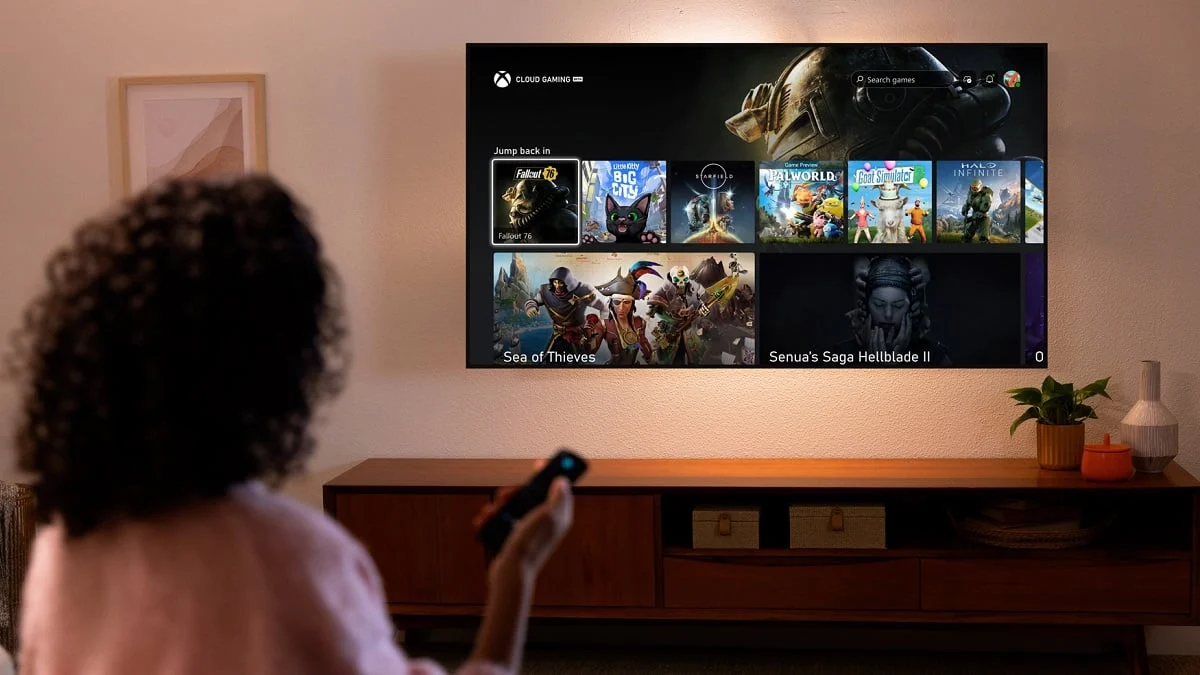
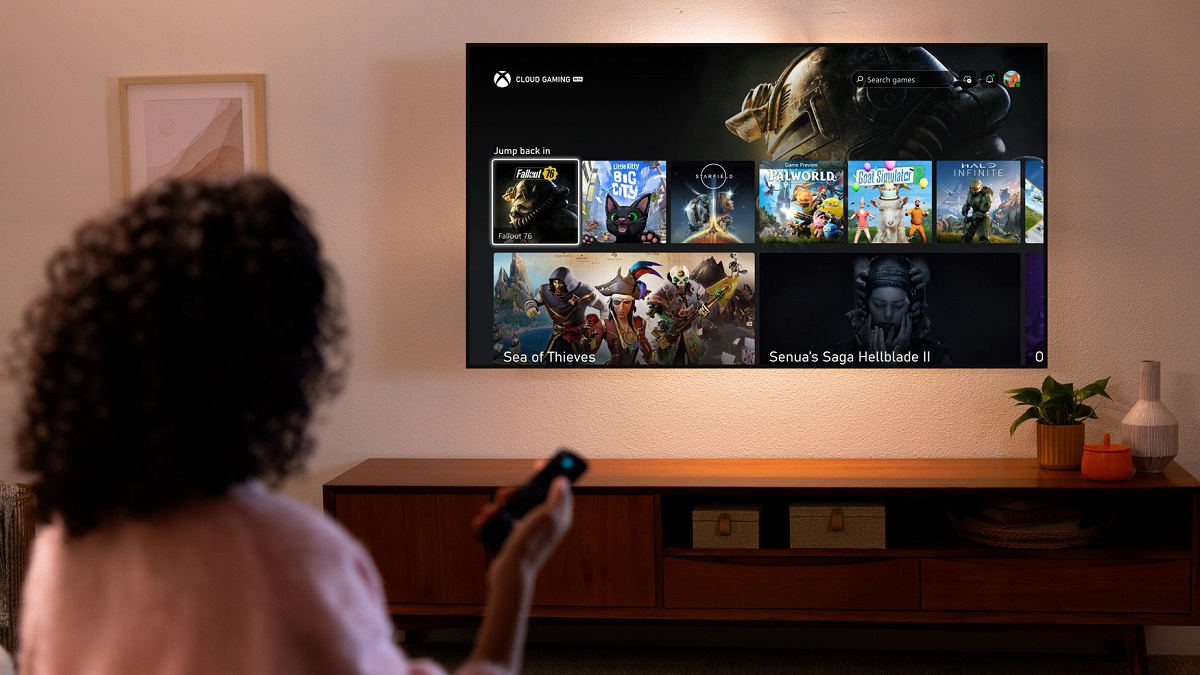
Microsoft has announced a significant expansion of its Xbox Game Pass ecosystem, revealing that the full library of titles available through Xbox Cloud Gaming will soon be accessible on select Amazon Fire TV devices without the need for a dedicated Xbox console. This strategic move underscores Microsoft’s ongoing commitment to its "Xbox Everywhere" philosophy, prioritizing broad accessibility and subscription growth over traditional hardware sales. The integration, detailed in an Xbox Wire post on June 27, 2024, positions the Amazon Fire TV Stick 4K and Fire TV Stick 4K Max as new gateways to the extensive Game Pass catalog, requiring only a Bluetooth wireless controller and a stable internet connection.
A Strategic Imperative: Microsoft’s Evolving Gaming Vision
For years, Microsoft’s gaming division has articulated a vision centered on making games available to as many players as possible, regardless of their preferred device. This strategy, often encapsulated by the phrase "Xbox Everywhere," represents a fundamental shift from the console-centric model that historically defined the industry. Faced with intense competition in the console market, where the Xbox Series X/S has consistently lagged behind Sony’s PlayStation 5 and Nintendo’s Switch in global sales figures – for instance, as of early 2024, PS5 sales were estimated to be nearly double those of Xbox Series X/S – Microsoft has increasingly pivoted towards a services-led growth model.
Xbox Game Pass, launched in 2017, has been the cornerstone of this strategy. Offering a Netflix-style subscription service for video games, it provides access to hundreds of titles, including all first-party Xbox releases on day one. Xbox Cloud Gaming (formerly Project xCloud), which became widely available in 2020, further extended this accessibility, allowing subscribers to stream games to mobile devices, PCs, and later, smart TVs. The integration with Amazon Fire TV Sticks is a logical and powerful next step in this journey, targeting a massive installed base of streaming device users.
This platform-agnostic approach has also manifested in Microsoft’s willingness to bring its first-party intellectual property to rival consoles. Titles such as Sea of Thieves, Hi-Fi Rush, Grounded, and Pentiment have found success on PlayStation and Nintendo Switch, signaling a pragmatic acceptance that maximizing audience reach, and by extension, Game Pass subscriptions, sometimes means transcending traditional console boundaries. While rumors of even flagship franchises like Halo potentially arriving on PlayStation have circulated, official confirmation remains pending. This broader strategy is not an abandonment of hardware entirely; Xbox boss Phil Spencer has himself hinted at the existence of an Xbox handheld device, indicating a diversification of hardware form factors rather than a complete retreat. The goal remains clear: make Game Pass the ubiquitous platform for gaming.
Chronology of Cloud Gaming and Game Pass Expansion
The journey to bring Xbox games to a diverse array of screens has been a deliberate and incremental one for Microsoft.
- June 2017: Xbox Game Pass officially launches, offering a curated library of games for a monthly subscription fee on Xbox consoles.
- October 2019: Project xCloud, the precursor to Xbox Cloud Gaming, begins public testing, demonstrating Microsoft’s ambition to enable game streaming.
- September 2020: Xbox Cloud Gaming officially launches as part of Xbox Game Pass Ultimate, initially bringing cloud gaming to Android mobile devices.
- April 2021: Xbox Cloud Gaming expands to iOS devices and PC via web browsers, further broadening its reach beyond Android.
- June 2021: Xbox Cloud Gaming is integrated directly into select Samsung Smart TVs, allowing users to play without a console, marking a significant step towards console-free gaming.
- June 2022: The Xbox app for smart TVs, enabling console-free cloud gaming, launches on 2022 Samsung Smart TVs.
- November 2023: Xbox Cloud Gaming expands to New Zealand and Argentina, continuing its global rollout.
- June 27, 2024: Microsoft announces the upcoming compatibility of the Xbox app with select Amazon Fire TV devices, including the Fire TV Stick 4K and Fire TV Stick 4K Max, bringing console-free Game Pass access to a new, highly accessible platform.
This timeline illustrates a consistent pattern of expanding access points for Xbox Game Pass, moving from dedicated consoles to mobile, PC, smart TVs, and now, widely available streaming sticks. Each step reinforces the "Xbox Everywhere" philosophy and seeks to grow the Game Pass subscriber base, which was last officially reported at over 34 million in early 2024.
Unpacking the Financials: A Cost-Effective Gateway to Gaming
One of the most compelling aspects of the Fire TV Stick integration is the significant reduction in the barrier to entry for accessing a vast library of games. Microsoft’s move dramatically lowers the upfront investment required to play Xbox titles, making premium gaming more accessible to a broader demographic.
Let’s break down the economics with a detailed comparison:
-
Traditional Console Ownership (Xbox Series S):
- Xbox Series S Console: $299.99 (MSRP)
- Xbox Game Pass Ultimate (1 year): $16.99/month * 12 months = $203.88
- Total Year 1 Cost: $299.99 + $203.88 = $503.87
-
Console-Free Cloud Gaming (Amazon Fire TV Stick 4K):
- Amazon Fire TV Stick 4K: $49.99
- Xbox Game Pass Ultimate (1 year): $203.88
- Total Year 1 Cost: $49.99 + $203.88 = $253.87
This comparison reveals a staggering difference: the Fire TV Stick option is nearly half the cost of purchasing even the more affordable Xbox Series S console in the first year. Even if a consumer opts for the slightly more powerful Fire TV Stick 4K Max at $59.99, the total year one cost would still be only $263.87, representing substantial savings.
The cost advantage becomes even more pronounced for individuals who already own a compatible Fire TV Stick. For them, the entry cost is simply the monthly Game Pass Ultimate subscription, making the barrier to entry virtually negligible beyond the existing streaming hardware. This effectively transforms a $50 streaming device into a full-fledged gaming machine capable of running hundreds of AAA and indie titles.
While the original article briefly mentioned a potential additional cost for a compatible TV (citing a generic Amazon link suggesting around $240), it’s important to clarify that this is only relevant for users who do not already possess a modern television. Given the widespread adoption of smart TVs and HD/4K displays, a significant portion of the target audience for Fire TV Sticks likely already has suitable display hardware. The only other necessary peripheral is a Bluetooth wireless controller, which many gamers may already own, and if not, can be purchased for a one-time cost ranging from $30-$70 for compatible options, including official Xbox or PlayStation controllers. The flexibility to use a PS5 controller, as highlighted in the announcement, further reduces potential friction for PlayStation owners considering Game Pass.
Technical Considerations and User Experience
While the cost benefits are undeniable, the cloud gaming experience comes with its own set of technical considerations, primarily revolving around internet connectivity. Unlike traditional console gaming where titles are downloaded and run locally, cloud gaming streams the game directly from Microsoft’s Azure servers.
- Internet Connection: A stable and sufficiently fast internet connection is paramount. Microsoft generally recommends a minimum download speed of 20 Mbps for an optimal experience, with higher speeds preferable for 4K streaming and reduced latency. Instability, packet loss, or insufficient bandwidth can lead to noticeable input lag, visual artifacting, or complete disconnections, significantly impacting gameplay.
- Latency: The distance between the user and Microsoft’s cloud gaming servers, combined with home network conditions, influences latency. While Microsoft has invested heavily in its global Azure data centers to minimize this, fast-paced, competitive games like fighting games or first-person shooters can still feel less responsive than playing natively on a console. For many single-player or more casual multiplayer experiences, however, the latency is often imperceptible.
- Visual Fidelity: While Xbox Cloud Gaming supports high resolutions, the compressed video stream may not always match the pristine visual quality of a game running natively on an Xbox Series X console connected to a 4K display. This is a trade-off for accessibility and cost-effectiveness.
- No Offline Option: A critical caveat is the complete reliance on an active internet connection. There is no offline play capability with cloud streaming, meaning any internet outage will halt gaming sessions. This contrasts with console ownership, where downloaded games can typically be played offline.
Despite these considerations, for millions of users with reliable broadband access, the convenience and low entry cost of cloud gaming via Fire TV Sticks will likely outweigh these technical nuances.
Amazon’s Strategic Involvement: Expanding the Fire TV Ecosystem
The collaboration with Microsoft is also a significant win for Amazon. Integrating Xbox Game Pass not only enhances the value proposition of Fire TV devices but also strengthens Amazon’s position in the broader digital entertainment landscape.
- Increased Device Utility: By turning Fire TV Sticks into capable gaming machines, Amazon adds a compelling new use case for its streaming hardware beyond video content. This could drive sales of new Fire TV devices and increase engagement among existing owners.
- Ecosystem Lock-in: The more services and functionalities Amazon can integrate into its Fire TV platform, the deeper users become embedded in the Amazon ecosystem, potentially leading to increased purchases of other Amazon products and services.
- Competitive Edge: In the crowded streaming device market, offering access to a major cloud gaming service like Xbox Game Pass provides a distinct advantage over competitors that do not offer similar integration.
- Coexistence with Luna: Amazon also operates its own cloud gaming service, Luna. The partnership with Xbox Cloud Gaming on Fire TV suggests a strategic decision to embrace a "coopetition" model, offering choice to consumers rather than strict exclusivity. It indicates that Amazon recognizes the strength of the Xbox Game Pass library and sees value in hosting it alongside its own gaming offerings. As of early 2024, Amazon’s Fire TV devices command a significant share of the streaming device market, with tens of millions of active users globally, providing a massive potential audience for Xbox Game Pass.
The Broader Gaming Industry: Shifting Paradigms
This announcement arrives at a pivotal moment for the gaming industry, signaling several overarching trends:
- The Diminishing Role of Exclusive Hardware: While dedicated consoles will likely remain crucial for high-fidelity, lowest-latency gaming for the foreseeable future, their exclusivity as the sole gateway to major game libraries is eroding. Microsoft’s strategy, in particular, is redefining what it means to be an "Xbox gamer," moving it beyond owning a specific box.
- The Rise of Subscription Models: Game Pass is a prime example of the industry’s shift towards subscription-based services, mirroring trends in music and video streaming. This model offers predictable revenue for publishers and perceived value for consumers, democratizing access to games that might otherwise be prohibitively expensive to purchase individually.
- The Maturation of Cloud Gaming: While still facing technical hurdles, cloud gaming is steadily improving and gaining wider acceptance. Investments from tech giants like Microsoft, Amazon, Google (Stadia, though now defunct, pioneered much), and Nvidia (GeForce Now) are pushing the technology forward, making it a viable option for an increasing number of players. The global cloud gaming market size was valued at approximately $2.6 billion in 2022 and is projected to grow significantly, reaching over $20 billion by the end of the decade, according to various market reports.
- Accessibility and Inclusivity: By lowering cost barriers and expanding device compatibility, Microsoft is making gaming more accessible to a wider demographic, potentially attracting casual gamers, budget-conscious consumers, and those who prefer not to invest in a dedicated console. This aligns with broader industry efforts towards inclusivity.
Analyst Perspectives and Future Implications
Industry analysts are likely to view this move as a shrewd strategic play by Microsoft. It directly addresses the challenge of console sales lagging behind competitors by decoupling Game Pass growth from hardware sales. While it may further dampen demand for the Xbox Series S/X consoles among casual gamers, it significantly expands the total addressable market for Game Pass Ultimate subscriptions.
This partnership could set a precedent for future collaborations between platform holders and streaming device manufacturers. We may see similar integrations with other smart TV platforms or streaming sticks, further dissolving the traditional barriers to gaming. The long-term implication is a future where gaming becomes an integrated part of any screen with an internet connection, pushing Microsoft further into its role as a content and services provider rather than solely a console manufacturer. For consumers, it heralds an era of unprecedented choice and affordability in how they access and enjoy video games.