


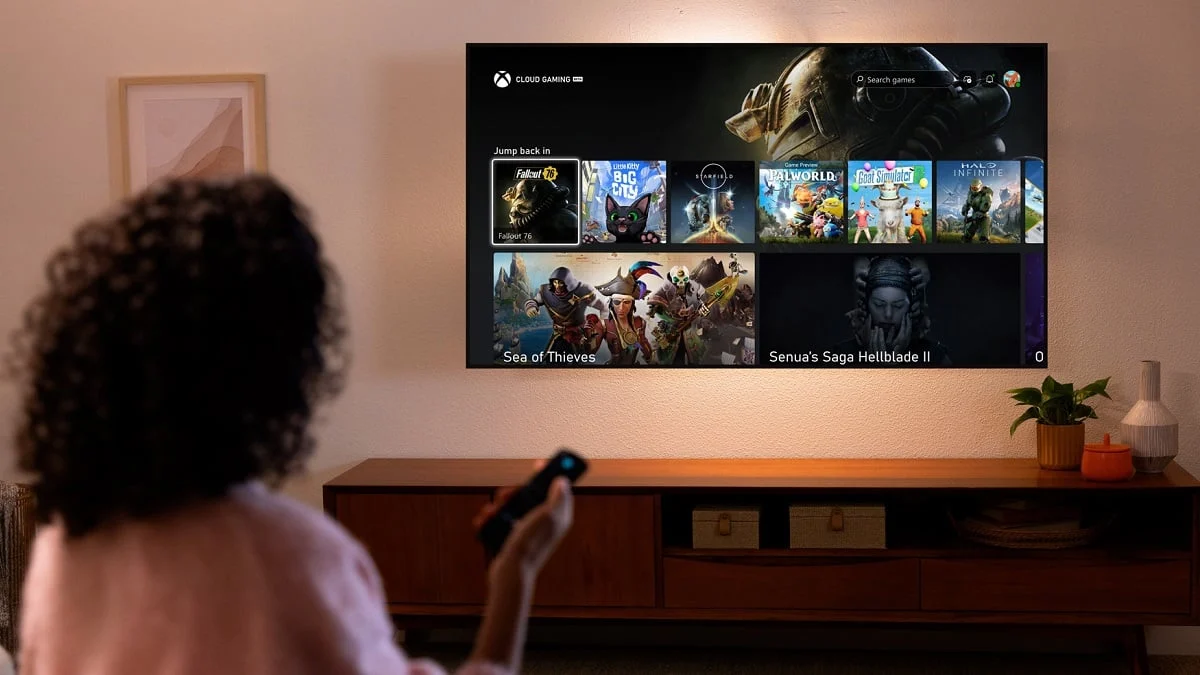
Microsoft has announced a significant expansion of its Xbox Game Pass ecosystem, making its extensive library of cloud-streamable titles directly accessible on select Amazon Fire TV devices. This strategic move, detailed in a recent Xbox Wire post, marks another pivotal step in Microsoft’s broader vision to democratize gaming, allowing users to bypass the need for a dedicated Xbox console entirely. While an exact launch date remains undisclosed, the integration of the Xbox app with Fire TV Stick 4K and Fire TV Stick 4K Max models is slated to roll out "soon," fundamentally altering the entry point for millions into the Xbox gaming experience.
Democratizing Gaming: A Strategic Shift Towards Accessibility
The core premise of this new offering is straightforward: subscribers to Xbox Game Pass Ultimate will soon be able to stream hundreds of games directly to their television screens using an Amazon Fire TV Stick and a compatible Bluetooth wireless controller. This includes not only official Xbox controllers but also third-party alternatives like the PlayStation 5’s DualSense, emphasizing inclusivity and user convenience. The financial implications are immediate and substantial. A Fire TV Stick 4K, priced at $49.99, or the Fire TV Stick 4K Max at $59.99, coupled with a Game Pass Ultimate subscription (currently $16.99 per month), presents a dramatically more affordable gateway to high-quality gaming compared to purchasing an Xbox console. For context, an Xbox Series S, the company’s more budget-friendly console option, retails for $299.99. Over a year, the combined cost of a Fire TV Stick 4K and Game Pass Ultimate would be approximately $254, making it cheaper than the console itself and significantly more economical than the console plus a year’s subscription, which totals around $504.
This initiative is a clear manifestation of Microsoft’s long-term strategy to transcend traditional hardware barriers and extend its gaming reach to a global audience of "billions of gamers." For years, Xbox leadership, particularly Head of Xbox Phil Spencer, has articulated a vision where gaming is not tethered to a specific device but is accessible wherever and whenever a player chooses. This philosophy underpins the entire Xbox Cloud Gaming (xCloud) service, which has progressively expanded its availability across various platforms, including mobile devices, PCs, and smart TVs from manufacturers like Samsung. The integration with Amazon’s widely adopted Fire TV ecosystem is a natural and powerful progression of this strategy.
The Mechanics of Cloud Gaming on Fire TV
At its heart, the new Fire TV integration leverages Xbox Cloud Gaming, Microsoft’s proprietary streaming service. Instead of games running locally on a console, they are processed on powerful servers in Microsoft’s Azure data centers and streamed to the user’s device. This process requires a robust and stable internet connection, a critical caveat highlighted by Microsoft. An unstable or slow internet connection can lead to latency, input lag, and a degraded visual experience, underscoring the importance of adequate home broadband infrastructure for optimal performance. While the convenience of cloud gaming is undeniable, the lack of an offline play option means users are entirely reliant on their connectivity.
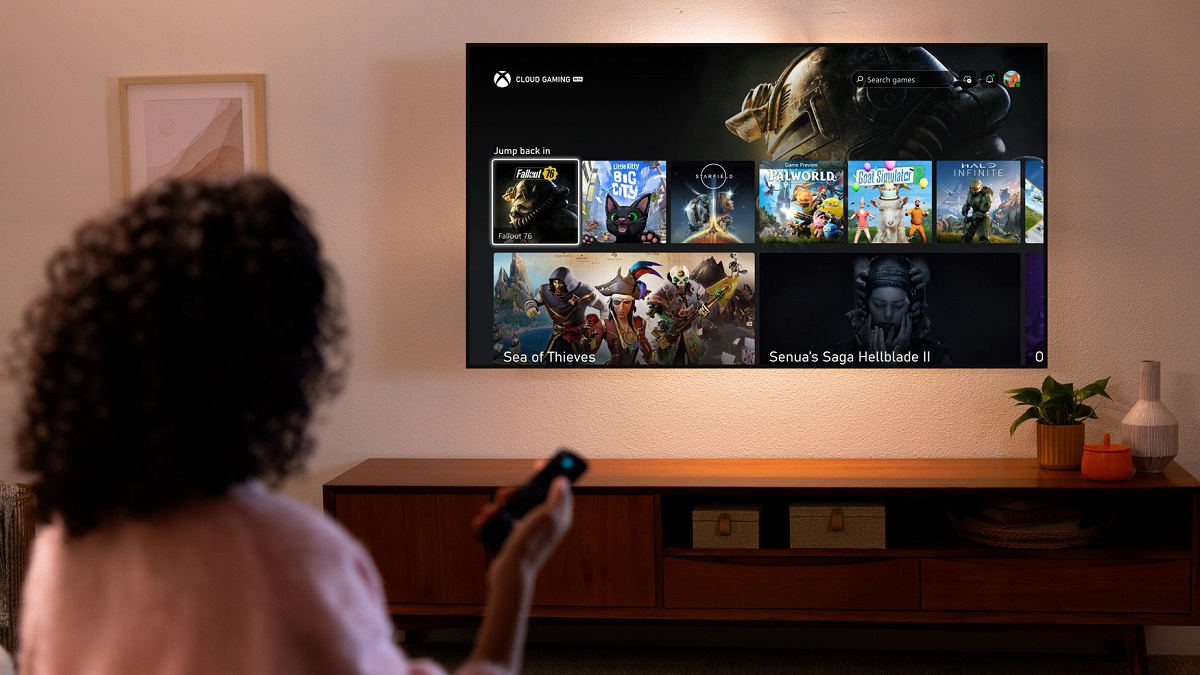
Users will download the Xbox app directly onto their compatible Fire TV Stick, log in with their Microsoft account, and access their Game Pass Ultimate subscription. The pairing of a Bluetooth controller is a simple, one-time setup. This setup effectively transforms any modern television with an HDMI port into a gaming hub, providing a seamless transition for consumers already familiar with streaming media devices. The Fire TV Stick 4K and 4K Max models, known for their processing power and Wi-Fi capabilities, are well-suited to handle the demands of cloud streaming, ensuring a relatively smooth experience for many users.
An Economic Proposition: Redefining the Entry Barrier
The economic implications of this move are profound, particularly for potential new gamers or those seeking a more budget-conscious entry into the gaming world. The traditional model of console gaming requires a significant upfront investment in hardware, often followed by the cost of individual games. Game Pass, especially in its Ultimate tier, already disrupts this by offering a vast library for a monthly fee. By eliminating the console hardware requirement, Microsoft drastically lowers the financial barrier to entry. This could appeal to a broader demographic, including casual gamers, families, or individuals who might not justify the expense of a dedicated console but are interested in exploring a wide variety of titles.
Consider the long-term cost comparison. While the initial investment in a console might seem high, some gamers prefer owning physical copies or relying on digital downloads that are not subscription-dependent. However, for those embracing the subscription economy, the Fire TV Stick offers unparalleled value. Over three years, assuming consistent Game Pass Ultimate subscription, the Fire TV Stick option would still be significantly cheaper than the console option, even factoring in the cost of the stick itself. This calculation firmly positions the Fire TV integration as a disruptive force in the market for accessible gaming.
Microsoft’s Broader "Gaming Everywhere" Vision: A Chronology
This latest announcement is not an isolated event but rather a continuation of a strategic trajectory Microsoft has been pursuing for years. The company’s shift away from a purely console-centric strategy can be traced back to several key developments:
- 2017: Launch of Xbox Game Pass, initially offering a curated library of games for a monthly fee on Xbox consoles. This laid the groundwork for a subscription-first approach.
- 2019: Public unveiling of "Project xCloud," Microsoft’s ambitious cloud gaming initiative, aimed at streaming Xbox titles to mobile devices. This signaled a clear intent to move beyond the physical console.
- 2020: Integration of Project xCloud into Xbox Game Pass Ultimate, rebranding it as Xbox Cloud Gaming. This made cloud streaming a premium feature of the subscription service, available on Android devices.
- 2021: Expansion of Xbox Cloud Gaming to iOS devices and Windows PCs via web browsers, further broadening its reach. This year also saw the first direct integration with Samsung Smart TVs, removing the need for an external streaming device entirely.
- 2022-2023: Continued refinement of the cloud gaming service, performance improvements, and ongoing content additions to Game Pass. Microsoft also began exploring bringing some of its first-party titles, historically Xbox exclusives, to rival platforms like PlayStation and Nintendo Switch (e.g., Sea of Thieves, Hi-Fi Rush, Pentiment, Grounded). This multi-platform strategy was initially met with some controversy but has been framed by Microsoft as a way to maximize audience reach and increase Game Pass subscriptions.
- 2024: Teasers from Phil Spencer about a potential Xbox handheld device, indicating that while hardware might evolve, the core focus remains on delivering the Xbox experience in various form factors. The announcement of Gears of War: E-Day, a prequel, reaffirms Microsoft’s commitment to its flagship IPs while simultaneously exploring new distribution channels like Fire TV.
This chronology illustrates a consistent pivot: from selling consoles as the primary gatekeeper to gaming, to selling access to games and services across a multitude of devices. The Fire TV integration is a logical and powerful next step in this journey, tapping into Amazon’s vast user base.
Navigating the Shifting Sands of the Console Market
Microsoft’s strategic shift is also heavily influenced by the competitive landscape of the console market. While Xbox has carved out a dedicated fanbase, it has consistently trailed behind Sony’s PlayStation and Nintendo’s Switch in terms of console unit sales. The PlayStation 5 and Nintendo Switch have enjoyed dominant market positions, leading Microsoft to re-evaluate its approach to growth.
Instead of fighting solely on hardware sales, Microsoft has chosen to compete on services and accessibility. By making Game Pass available on a device like the Fire TV Stick, Microsoft is no longer asking consumers to choose between an Xbox and a PlayStation; instead, it’s offering an alternative that bypasses the console decision altogether. This strategy mitigates the direct competition in the hardware segment and instead focuses on capturing a larger share of the overall gaming audience through its subscription service. The estimated global cloud gaming market is projected to reach tens of billions of dollars in the coming years, indicating a massive growth opportunity that Microsoft is aggressively pursuing.
The Game Pass Ecosystem: A Cornerstone of Microsoft’s Strategy
Xbox Game Pass has grown into a formidable ecosystem, often dubbed the "Netflix of gaming." With over 34 million subscribers reported as of early 2023 (though Microsoft has since stopped providing exact figures, citing internal metrics), it represents a significant recurring revenue stream for the company. The service offers a compelling value proposition: a rotating library of hundreds of games, including all first-party Xbox titles on day one of their release, plus a selection of third-party titles, cloud gaming capabilities, and various perks.
The move to Fire TV is primarily aimed at further expanding this subscriber base. Microsoft has likely identified a plateau in subscriber growth solely through Xbox console owners. By opening up to Fire TV, Microsoft gains access to potentially hundreds of millions of households that own Fire TV devices but may not own an Xbox. Amazon Fire TV devices are among the most popular streaming dongles globally, with tens of millions of active users. This partnership allows Microsoft to tap into an enormous, largely untapped market segment, converting streaming video consumers into potential cloud gamers.
Implications for Consumers: Accessibility vs. Performance
For consumers, the benefits are clear: unprecedented accessibility and affordability. Individuals who might have been deterred by the cost of a console can now experience a vast array of games with a relatively small investment. This is particularly advantageous for casual gamers, those with limited space, or users who prefer a minimalist entertainment setup.
However, the reliance on internet connectivity for cloud gaming remains a crucial factor. Latency, the delay between a player’s input and the game’s reaction, can significantly impact the experience, particularly in fast-paced competitive titles. While casual or slower-paced games may be less affected, competitive online multiplayer titles might suffer from the inherent limitations of streaming technology. Users in areas with poor internet infrastructure or those with inconsistent Wi-Fi will find their experience suboptimal. This highlights a digital divide in cloud gaming, where access to high-speed, low-latency broadband is paramount.
Broader Industry Impact and the Future of Gaming
The integration of Game Pass with Fire TV has significant implications for the broader gaming industry:
- Acceleration of Cloud Gaming: This move further legitimizes and accelerates the shift towards cloud gaming as a viable alternative to traditional hardware. It puts pressure on other platform holders and game publishers to explore similar distribution models.
- Blurring of Hardware Lines: The distinction between dedicated gaming consoles and general-purpose streaming devices continues to blur. Devices like the Fire TV Stick, once solely for video streaming, are now transforming into versatile entertainment hubs capable of high-fidelity gaming.
- Competition and Partnerships: This partnership showcases the potential for collaboration between tech giants. Amazon benefits by adding a powerful gaming dimension to its Fire TV ecosystem, potentially attracting new users and increasing engagement. This could pave the way for similar cross-platform alliances in the future.
- Content is King: The emphasis shifts even further towards the content library and the subscription service itself, rather than the hardware it runs on. Game Pass’s expansive and continuously updated library becomes its primary selling point.
Challenges and Opportunities Ahead
Despite the significant opportunities, challenges persist. Microsoft must ensure the Xbox app on Fire TV delivers a consistent and high-quality user experience. Optimizing performance for various internet conditions and ensuring broad controller compatibility will be key. Furthermore, the longevity and sustainability of the cloud gaming model will depend on ongoing innovation in streaming technology and robust global internet infrastructure.
The announcement of Xbox Game Pass coming to Amazon Fire TV Sticks is more than just a new feature; it’s a statement of intent. It underscores Microsoft’s unwavering commitment to its "gaming everywhere" philosophy, prioritizing accessibility and subscription growth over traditional console sales. As the gaming landscape continues to evolve, moves like this signal a future where the barrier to entry for immersive gaming experiences is lower than ever, potentially ushering in a new era of widespread adoption and redefining what it means to be a "gamer."